Wellness Rooms Replace Home Gyms in 2026 Renovations
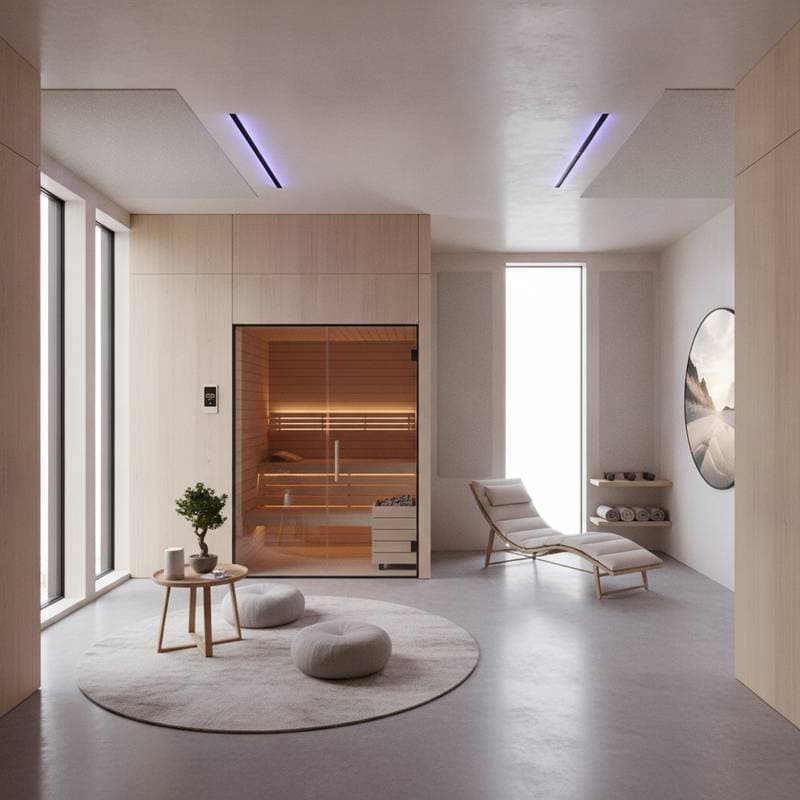
Homeowners now favor wellness rooms over dedicated home gyms. These spaces emphasize recovery, relaxation, and mental balance through integrated features such as saunas, controlled lighting, and acoustic treatments. Typical conversion costs range from 8000 dollars to 25000 dollars based on scale and included elements.
Cost Factors
Several variables determine final expenses. Addressing each during planning reduces the chance of overruns.
Size and Layout
- Small rooms under 100 square feet suit meditation or a compact sauna pod. Budget 8000 dollars to 12000 dollars.
- Medium rooms of 100 to 200 square feet support yoga, massage, and light movement. Budget 12000 dollars to 18000 dollars.
- Large rooms over 200 square feet accommodate an infrared sauna, cold plunge, and multiple zones. Budget 18000 dollars to 25000 dollars.
Materials and Finishes
Moisture resistant cork or vinyl plank flooring costs 4 dollars to 8 dollars per square foot. Soundproofing panels add 2 dollars to 6 dollars per square foot. Natural stone or cedar surfaces increase overall costs by 10 to 15 percent.
Mechanical and Electrical
Infrared sauna units require 3000 dollars to 7000 dollars for installation. HVAC modifications for humidity control range from 1500 dollars to 3500 dollars. Smart lighting and audio systems cost 800 dollars to 2000 dollars.
Permits and Compliance
Electrical upgrades, ventilation changes, and plumbing additions usually need permits. Allocate 300 dollars to 1000 dollars for inspections.
Add ons and Finishing Touches
Aromatherapy diffusers cost 150 dollars to 500 dollars. Built in benches range from 600 dollars to 1200 dollars. Wall mounted smart mirrors cost 800 dollars to 1500 dollars. Older homes may need an extra 10 to 15 percent contingency for unexpected wiring or framing work.
DIY versus Professional Installation
Painting, decor planning, and plug in lighting upgrades remain suitable for homeowners. Interlocking flooring can also be installed without specialists when basic tools are available.
Professional help becomes necessary for sauna placement, new circuits, HVAC alterations, or sealed wall construction. The following table outlines risk levels and requirements.
| Task | Risk Level | Recommended Approach |
|---|---|---|
| Painting and decor | Low | Homeowner |
| Electrical wiring | High | Licensed electrician |
| Sauna installation | Medium to high | Certified installer |
| Flooring | Medium | Homeowner or optional pro |
| HVAC or ventilation | High | Licensed contractor |
Product warranties often require documented professional work. Power must remain off during any electrical tasks, and local ventilation codes must be followed.
Maintenance and Warranties
Weekly cleaning with a mild vinegar solution protects sauna interiors. Air filters need replacement every three months. Humidity checks behind panels should occur every six months. Electronics must stay clear of damp surfaces.
A dehumidifier helps when water features are present. Wood surfaces benefit from annual low VOC sealing. Vents require regular dust removal. Consistent temperatures limit condensation.
Infrared saunas carry three to five year warranties on heaters. Flooring warranties extend ten to fifteen years. Smart controls typically receive two to three year coverage. HVAC parts range from five to ten years when installed correctly.
Safety and Compliance Basics
Circuits must handle expected loads. GFCI outlets are required near water sources. High heat devices cannot use standard extension cords.
Ventilation prevents mold growth. Vapor barriers belong behind sauna finishes. Humidity levels should stay between 40 and 60 percent.
Sauna heaters need clearance from combustibles. Non combustible surfaces surround heat sources. Floor structures must support heavy elements such as tubs or benches.
Electrical and HVAC work almost always requires inspection. Structural or plumbing changes also trigger review.
Flooring Choices
| Material | Cost per Square Foot | Advantages | Limitations |
|---|---|---|---|
| Cork | 4 to 8 dollars | Warm underfoot, renewable | Sensitive to standing water |
| Vinyl plank | 3 to 7 dollars | Waterproof, simple upkeep | Can feel cool |
| Rubber tile | 4 to 9 dollars | Cushioned surface | Industrial appearance |
| Porcelain tile | 6 to 12 dollars | Long lasting, refined look | Hard and cold without heat |
Radiant heating under tile adds 8 dollars to 12 dollars per square foot installed.
Wall, Ceiling, and Lighting Details
Cedar or hemlock performs well in sauna areas due to natural resistance to moisture. Mold resistant drywall suits drier zones. Acoustic panels improve sound control for focused activities.
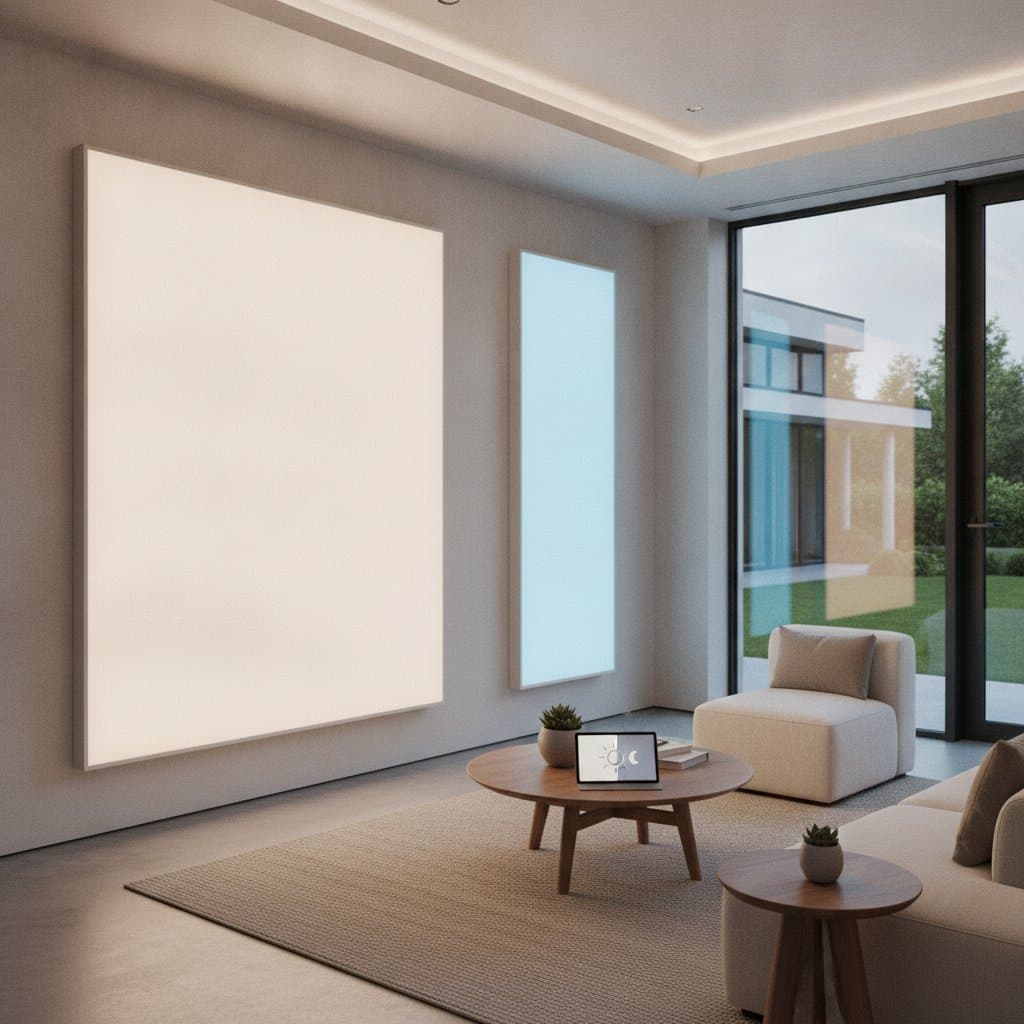
LED tunable white fixtures shift from energizing daylight to softer evening tones. Each fixture costs 200 dollars to 400 dollars installed. Halogen lamps should be avoided near heat sources.
Errors That Increase Long Term Costs
- Omitting ventilation allows moisture to damage finishes.
- Overloaded circuits create safety risks and equipment failure.
- Thin walls permit outside noise to disrupt quiet periods.
- Standard sealants degrade under heat and humidity.
- Lack of storage leads to clutter that undermines the intended calm.
Addressing these points early avoids hundreds of dollars in later repairs.
Starting the Project
Limited budgets allow incremental upgrades. New paint, tunable lighting, and scent elements establish a functional wellness area quickly. Equipment can be added in later phases as resources permit. This measured approach delivers immediate relaxation benefits while controlling expenses.