Why Dark Academia Interiors Sell Homes Faster
Buyers seek homes that feel grounded and personal. Dark Academia interiors deliver this quality through deep colors, layered textures, and intellectual charm. Rooms gain a sense of story that bright minimalism lacks. This approach helps properties sell faster and at stronger prices.
Defining the Style
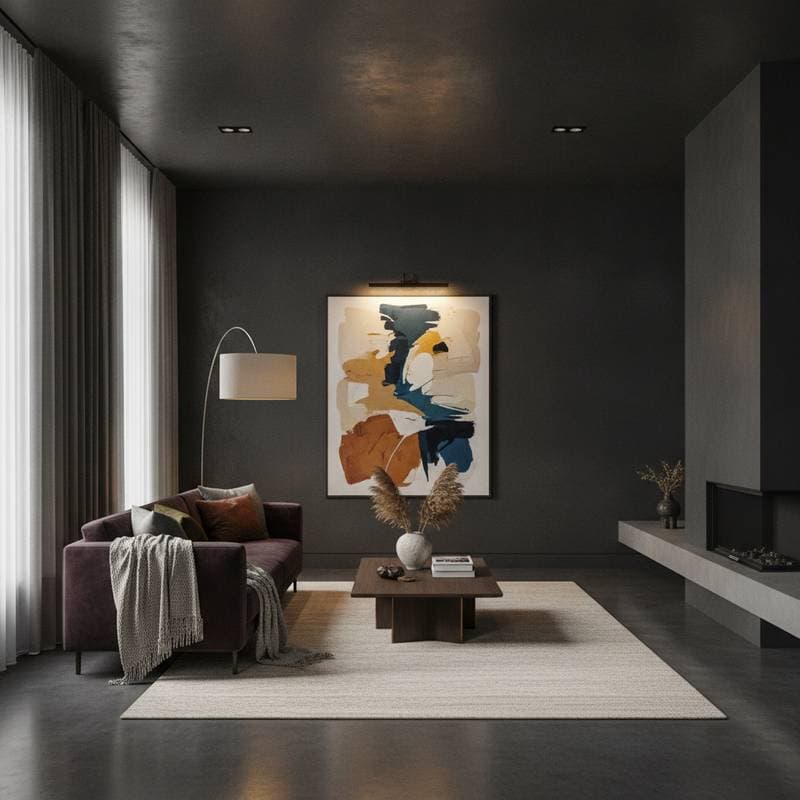
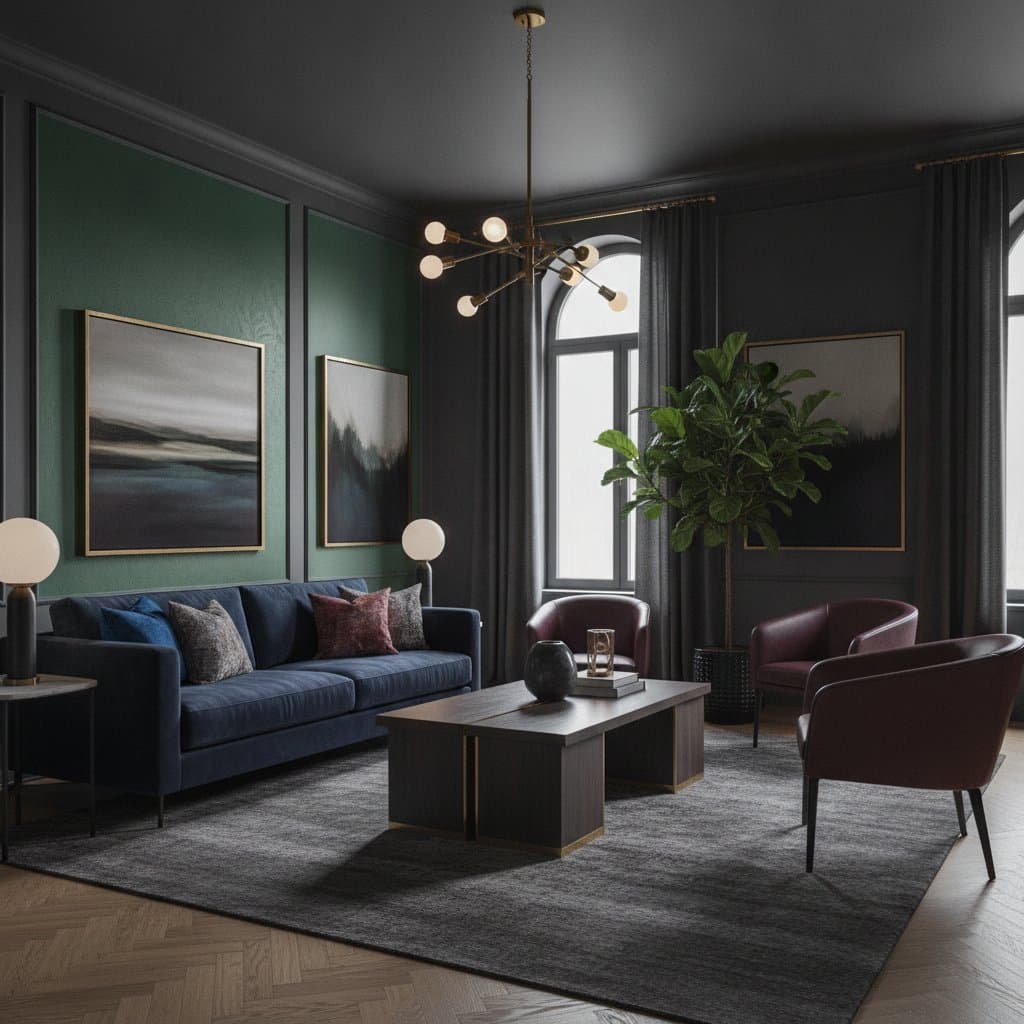
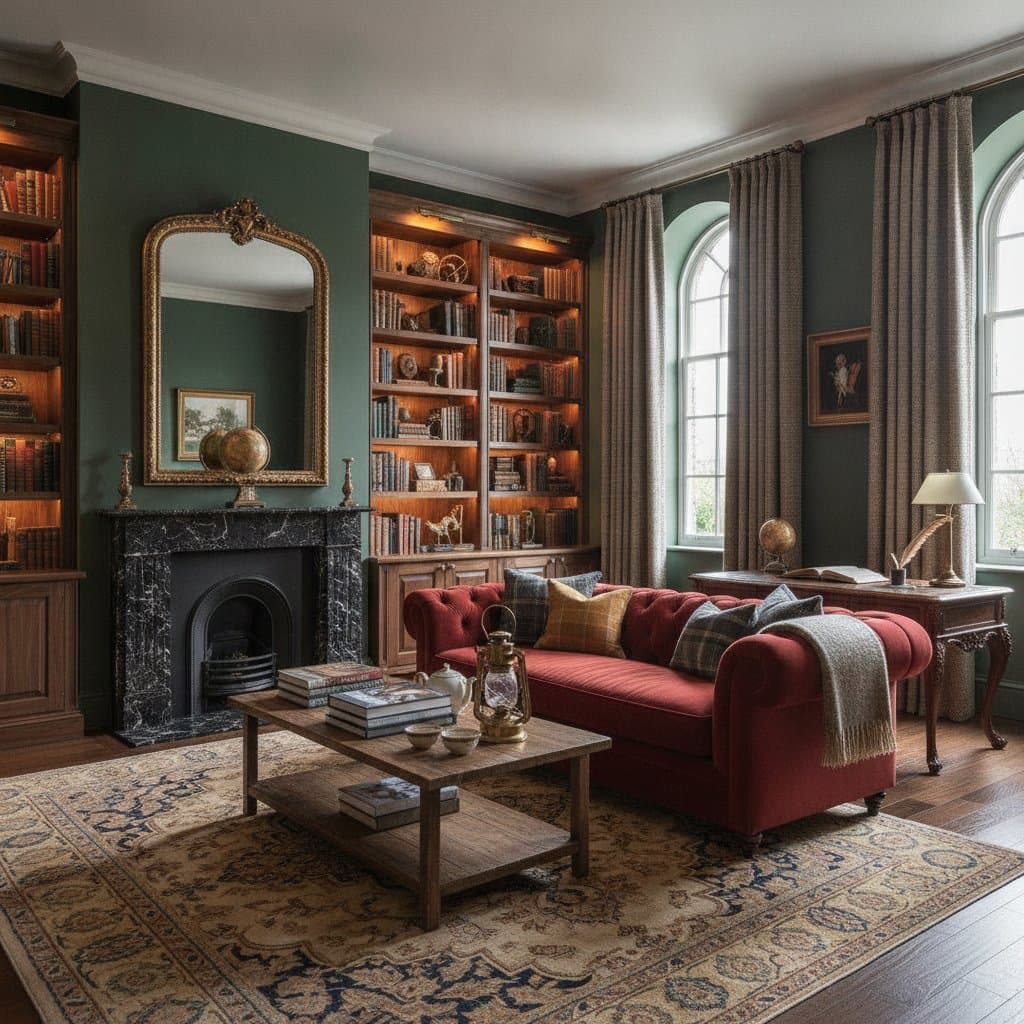
Dark Academia combines moody palettes, rich wood tones, vintage furniture, and scholarly accents. Deep green walls, brass fixtures, book-filled shelves, and velvet seating create the effect of a private library or study. The style remains controlled and purposeful rather than excessive. It emphasizes curiosity and comfort instead of gloom.
Buyer Appeal
Many buyers have grown weary of plain gray rooms. They respond to spaces that convey emotion and history. Well-executed Dark Academia rooms photograph with strong texture and warmth, which improves online listing performance. The palette also enhances architectural details in both older homes and new construction.
Core Elements
- Color choices center on deep greens, browns, burgundy, navy, and charcoal with matte finishes.
- Textures include velvet, linen, wool, and aged leather to build visual depth.
- Lighting relies on warm bulbs and multiple layered sources rather than bright overhead fixtures.
- Furniture features vintage or reproduction pieces with wood and brass details.
- Decor consists of books, framed prints, busts, and botanical elements.
- Layouts stay cozy and conversational without crowding surfaces.
These choices create an intimate atmosphere that encourages longer visits during showings.
Staging Steps
Focus updates on one primary room such as a living area or study. Apply deep paint to walls for immediate character. Replace cool lighting with warm shaded lamps. Layer textiles like a wool rug and leather chair. Arrange books and gold-framed art on surfaces. A single wood-scented candle reinforces the mood without overpowering the space.
Investment Considerations
Paint and supplies typically range from 150 to 400 dollars depending on room size. Lighting changes cost 200 to 800 dollars. Furniture and decor run from 500 to 3000 dollars when mixing new and vintage items. Professional staging falls between 800 and 2500 dollars. Full design work ranges from 5000 to 15000 dollars. Owners who use existing pieces and handle painting themselves reduce expenses significantly.
Timeline Expectations
A focused DIY update requires two to four days. Professional staging takes one to two weeks. Larger remodels extend to three to six weeks. Allow extra drying time for dark paints and plan for sourcing authentic vintage pieces.
Choosing the Right Approach
Homeowners comfortable with painting and shopping vintage can manage one or two rooms themselves. Professionals become valuable when balancing tones across multiple spaces or restoring architectural details. Experts also understand how to light and photograph dark rooms so they appear rich rather than dim.
Regional Adjustments
In sunny climates, deep tones reduce glare. In cooler regions, additional warm lighting prevents a heavy feel. Coastal properties benefit from moisture-resistant finishes on wood and leather. Local codes must be checked before any wiring or built-in work.
Sales Impact
Strong visual identity captures attention during quick online searches. Listings with clear character receive more clicks and extended viewing times. The style particularly resonates with readers, collectors, and remote workers who value calm and quality.
Errors to Prevent
Avoid painting every surface the same deep shade. Balance walls with lighter fabrics or wood tones. Prevent overcrowding by keeping surfaces orderly. Match furniture scale to room size. Introduce contrast through brass, glass, or plants.
When Professional Help Matters
Engage a designer when a sale timeline is short. Specialists coordinate sourcing, painting, and photography. Electricians handle new fixtures. Carpenters manage custom shelving or paneling.
Execution Details
Select matte paint for a historical appearance. Position art slightly lower than standard height. Combine real and faux leather to manage budgets. Place mirrors to reflect light. Add broad-leaf plants for natural balance.
Lasting Value
The aesthetic conceals wear better than light walls and transitions across seasons. Owners often retain elements after purchase, which supports satisfaction. The atmosphere also promotes reading and conversation in daily life.
Common Questions
What colors define Dark Academia interiors? Deep greens, browns, navy, and burgundy form the foundation. Cream or brass accents provide balance.
Does dark paint make rooms look smaller? It can, yet proper lighting and mirrors keep the effect cozy.
Can you mix Dark Academia with modern design? Yes. Pair classic materials with clean-lined furniture and updated lighting.
Putting the Style into Practice
Begin with one room and a few key additions such as paint and a warm lamp. Observe how the changes affect both daily use and buyer response. The resulting comfort and character explain the style continued market strength.