Introduction to Desert Modern Design
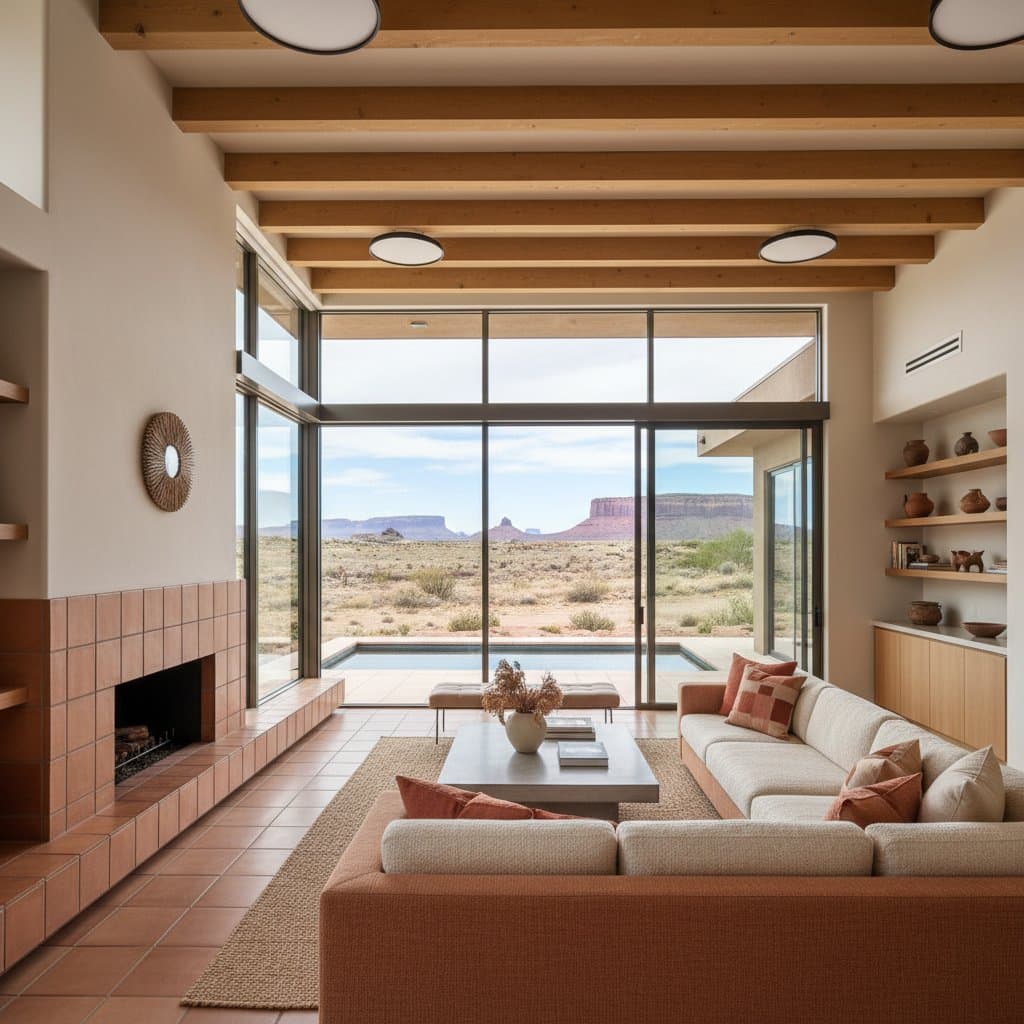
Desert modern design emerges as the leading style for Southwest homes in 2026. This approach draws inspiration from the arid environment, emphasizing harmony between structure and nature. Clean geometric forms, expansive windows, and muted palettes create spaces that feel both inviting and resilient.
Homeowners appreciate how desert modern addresses regional challenges like intense sun and scarce water. Architects incorporate passive solar strategies to minimize energy use while maximizing natural light. The result stands as a practical evolution of earlier modernist principles, tailored for contemporary desert life.
Core Principles of Desert Modern
At its heart, desert modern prioritizes simplicity and functionality. Flat or low-sloped roofs facilitate water runoff during rare rains, while wide overhangs provide shade from relentless sunlight. Walls often feature thick insulation beneath stucco exteriors to maintain stable indoor temperatures.
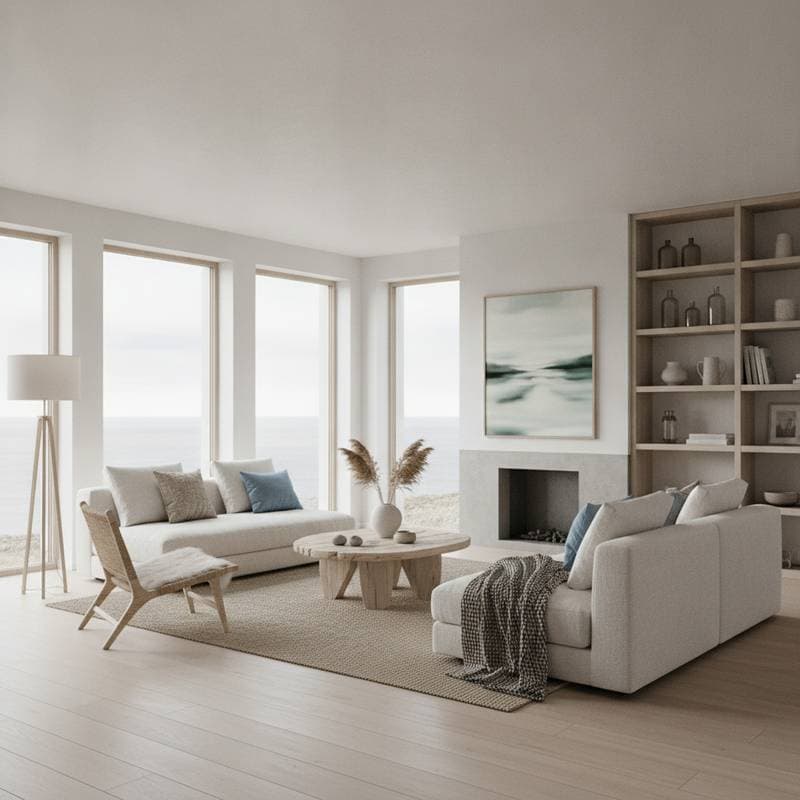
Open floor plans enhance airflow and views of the horizon. Designers select materials that age gracefully in dry conditions, such as rammed earth or polished concrete floors. These elements ensure the home integrates seamlessly with rocky terrains and sparse vegetation.
Sustainability forms a foundational pillar. Builders integrate features like high-efficiency windows with low-emissivity coatings to reduce heat gain. Orientation matters greatly; south-facing facades capture winter sun for warmth, while north sides remain shaded in summer.
Materials and Construction Choices
Selecting appropriate materials proves essential for durability in the Southwest. Stucco coatings over concrete block walls resist cracking and fading under ultraviolet exposure. Steel framing offers strength against occasional high winds, paired with proper anchoring to the foundation.
Natural stone accents, sourced locally, add texture without excessive weight. For interiors, exposed beams of reclaimed wood introduce warmth, though treated to prevent termite damage. Flooring options include slate tiles or sealed concrete, both of which handle temperature fluctuations effectively.
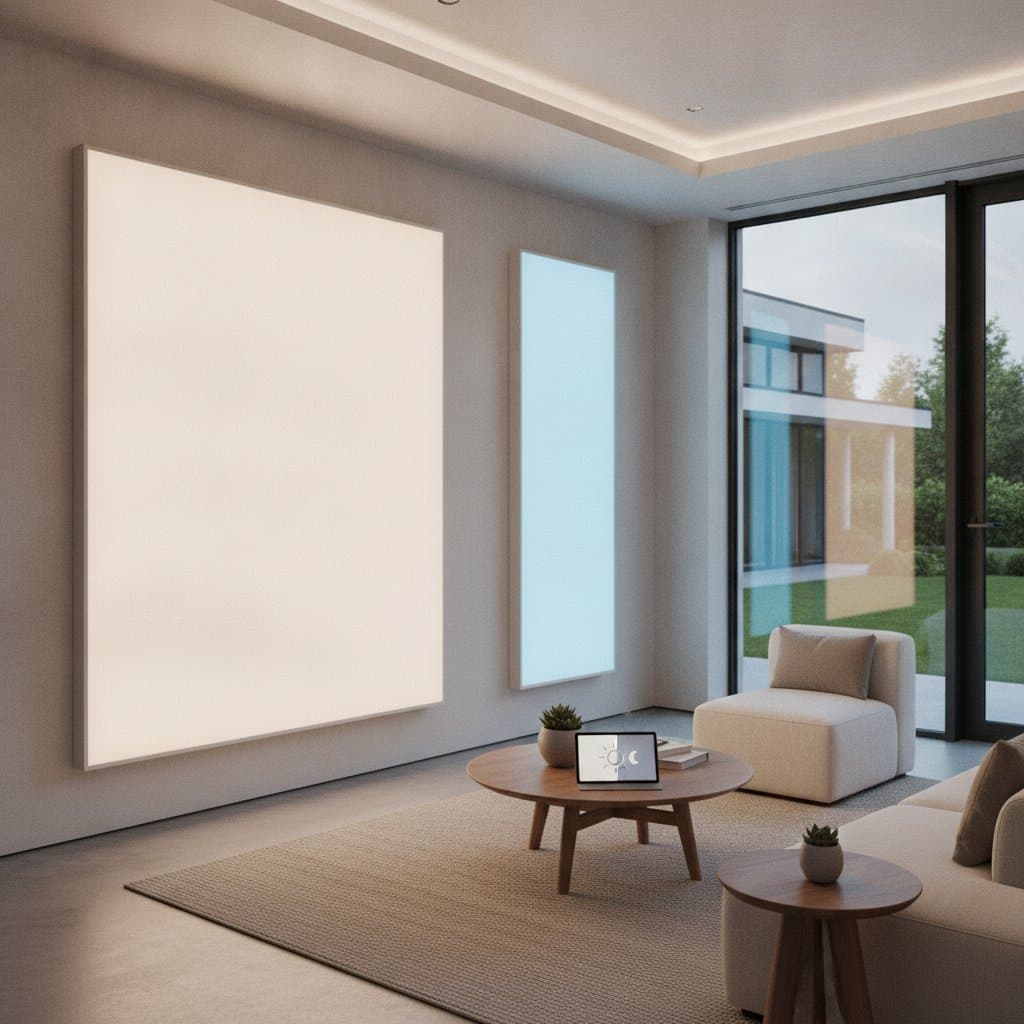
Glass plays a prominent role, with large panels inviting the outdoors in. Specify double-glazed units filled with argon gas to improve insulation. Exterior doors and windows frame views while blocking dust ingress through weather-stripped seals.
Sustainability and Cost Considerations
Desert modern excels in resource conservation, aligning with 2026 building codes. Xeriscaping becomes standard for new constructions, replacing lawns with drought-tolerant plants and mulch. This practice cuts water bills by up to 75 percent and requires no fertilizers.
Rainwater harvesting systems collect rooftop runoff for irrigation, though permits vary by municipality. Install storage tanks with filtration to ensure clean use. Solar photovoltaic arrays provide renewable energy, often offsetting 50 to 80 percent of household needs depending on panel size and sunlight exposure.
Costs range from moderate to premium based on scale. A basic retrofit might total $50,000, including new windows and insulation. Full builds average $250 to $400 per square foot, with long-term savings from lower utility expenses recouping investments within 7 to 10 years.
Passive design features further enhance efficiency. Thermal mass walls absorb daytime heat and release it at night. Strategic ventilation, such as cross-breezes through operable clerestory windows, reduces reliance on mechanical cooling.
Safety Considerations
Safety remains paramount in desert modern projects. Flat roofs demand precise drainage systems, including scuppers and gutters, to prevent pooling and subsequent leaks. Engage structural engineers to verify slope adequacy during planning.
Electrical installations for solar panels necessitate certified professionals to comply with national and local standards. Improper wiring risks fire hazards in dusty environments. Foundations for concrete and steel structures require footings at least 24 inches deep to counter soil shifts from temperature changes.
Large glass installations must use tempered or laminated panes to shatter safely upon impact. Verify all designs against seismic activity in areas like Southern California and wind loads exceeding 90 miles per hour in Arizona. Consult building inspectors early to avoid costly revisions.
Frequently Asked Questions
What colors define desert modern design?
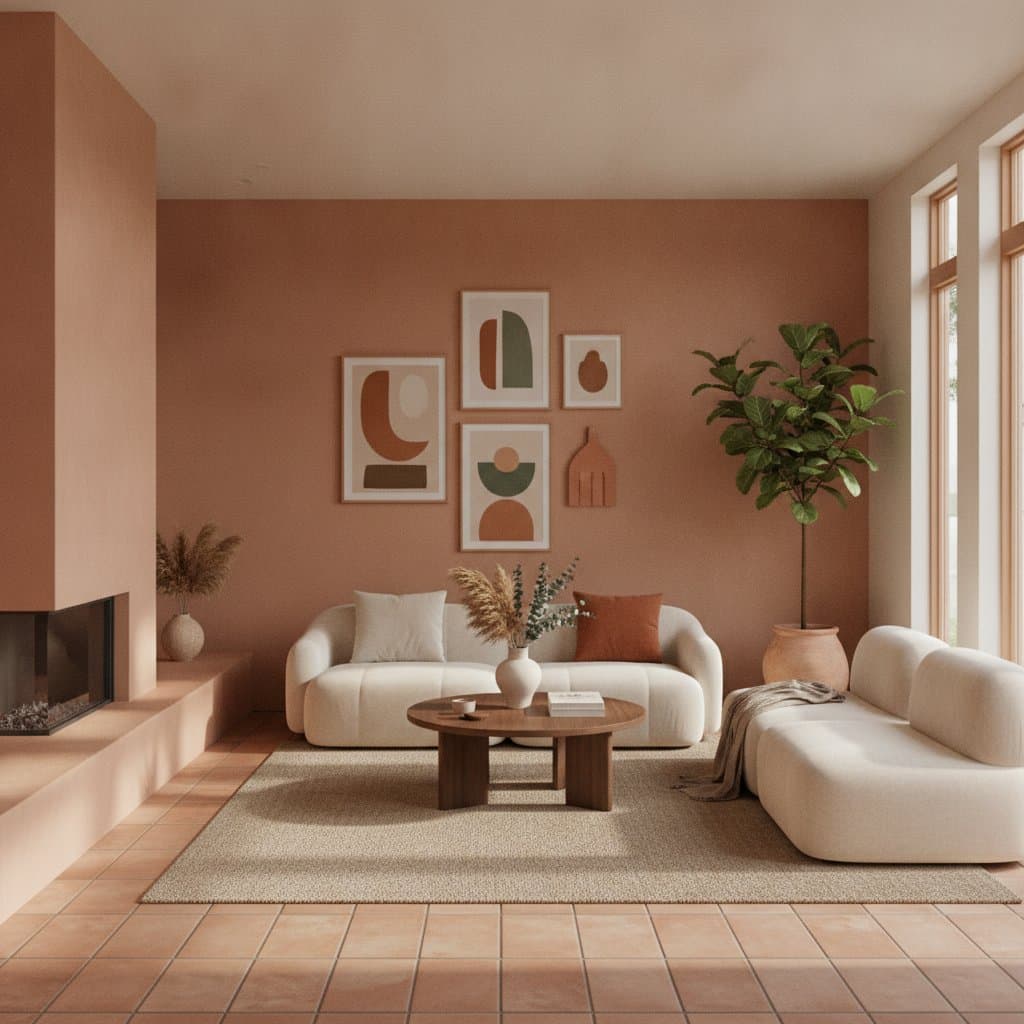
Soft neutrals such as sand, bone, and clay form the base palette. Introduce accents like rust, terracotta, or sage green to reflect surrounding landscapes and add subtle depth.
How does desert modern differ from midcentury modern?
Midcentury modern features vintage-inspired lines and bold patterns suited to milder climates. Desert modern refines these concepts with climate-resilient materials that meet modern energy efficiency codes and withstand extreme aridity.
Can wood feature in a desert modern home?
Wood suits desert modern when applied thoughtfully. Opt for durable species like cedar or thermally modified ash in soffits, interior trim, or shaded pergolas to minimize warping from dry heat.
Do desert modern homes require air conditioning?
Efficient HVAC systems remain necessary for most designs. Passive cooling techniques, including night purging and shading, supplement but do not eliminate the need for mechanical cooling during peak summer temperatures above 110 degrees Fahrenheit.
What landscaping complements desert modern?
Incorporate native species such as agave, yucca, and desert willow alongside gravel mulches and steel borders. Drip irrigation systems deliver water precisely to roots, conserving resources while maintaining a polished appearance.
Steps to Implement Desert Modern
Begin implementation with a thorough site analysis, evaluating sun paths, soil composition, and topography. Establish a detailed budget that allocates funds for permits, materials, and labor. Collaborate with architects experienced in regional regulations and native ecologies.
Secure bids from at least three licensed contractors, reviewing portfolios for similar projects. Prioritize those familiar with sustainable certifications like LEED. During construction, monitor progress to ensure adherence to energy modeling predictions.
Post-completion, maintain the home through annual inspections of roofs, seals, and irrigation. Adjust shading devices seasonally for optimal performance. This proactive approach sustains the design's efficiency and appeal over decades.
Benefits of Embracing Desert Modern
Desert modern homes deliver enduring value through reduced operational costs and enhanced livability. Residents enjoy cooler interiors without excessive energy draw, fostering a deeper connection to the environment. Resale potential increases as buyers seek eco-conscious properties that blend seamlessly with the Southwest's unique character.
This design philosophy not only meets immediate needs but also anticipates future climate demands. Families find spaces that adapt to lifestyle changes, from remote work setups to outdoor entertaining. Ultimately, desert modern creates sanctuaries that honor the land while providing modern comfort.