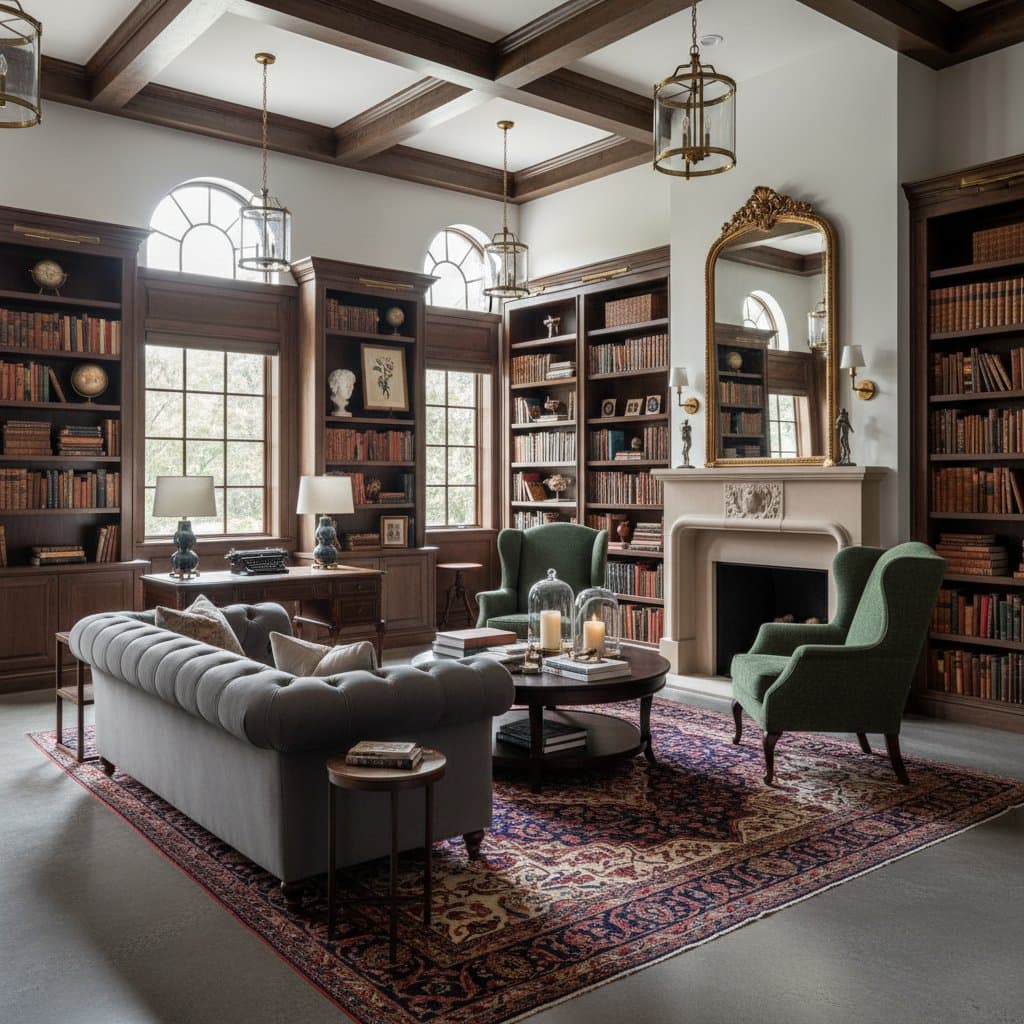
Understanding Dark Academia and Its Impact on Home Values
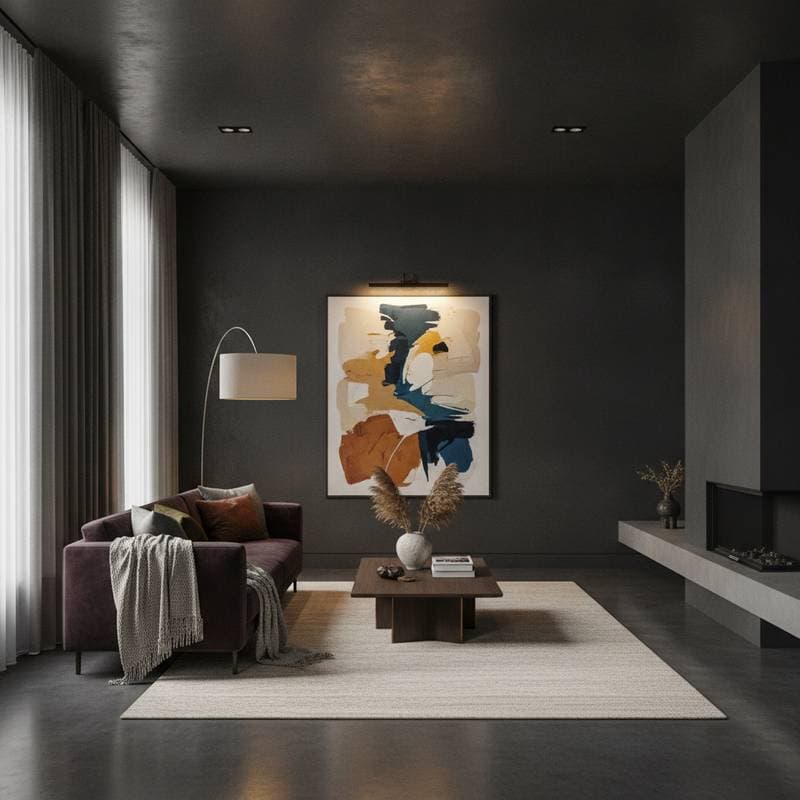
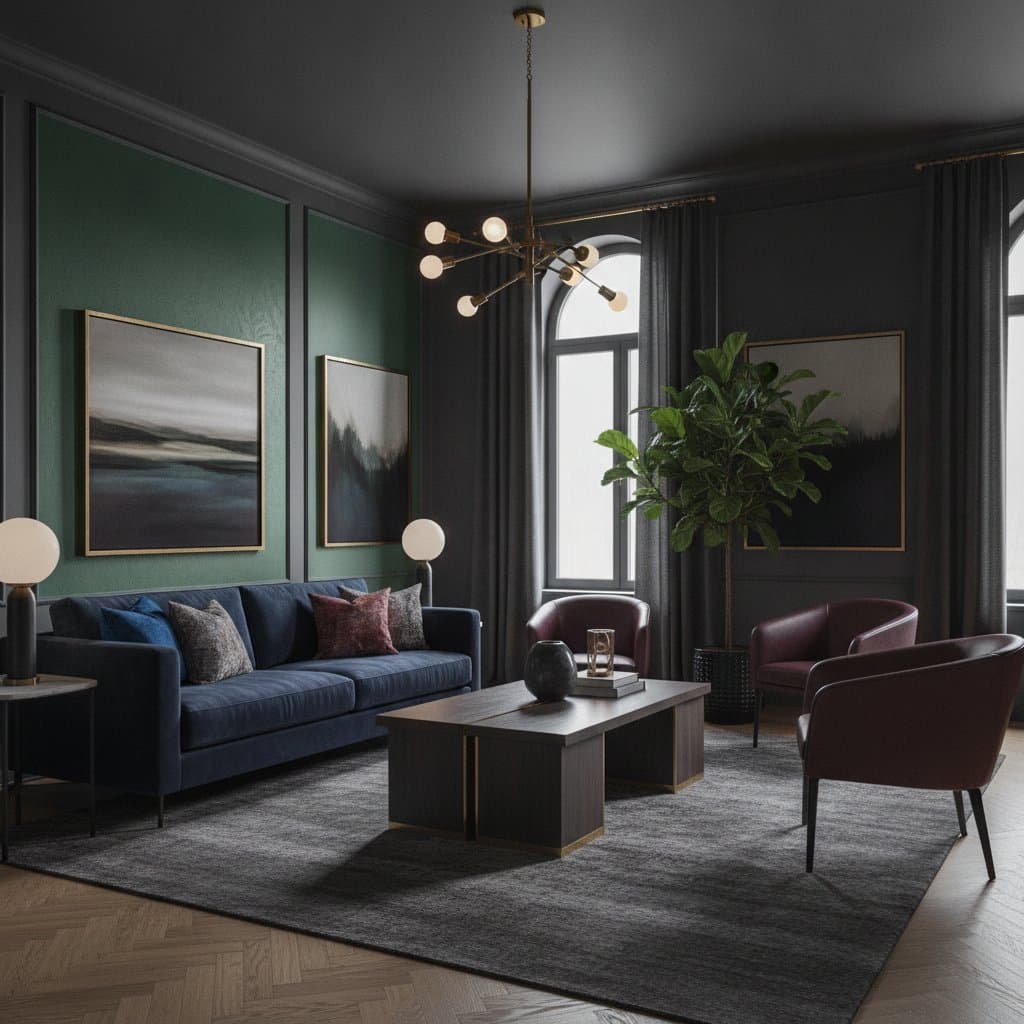
Dark Academia represents a design aesthetic inspired by classical literature, historic universities, and intellectual pursuits. Homeowners increasingly adopt this style to create environments that evoke mystery, comfort, and refinement. The trend emphasizes deep color palettes, vintage-inspired furnishings, and architectural details that add layers of personality to living spaces.
Real estate analyses indicate that properties featuring Dark Academia elements command premiums of up to 11 percent over comparable unstaged homes. This uplift stems from the style's ability to highlight a property's unique character, appealing to buyers who seek homes with narrative and emotional resonance. In 2025, as market preferences shift toward personalized, enduring designs, this aesthetic positions homes favorably in competitive listings.
The versatility of Dark Academia allows adaptation to diverse home types, from Victorian rowhouses to contemporary apartments. Success depends on aligning the design with the existing architecture, ensuring that darker hues and intricate elements enhance rather than overwhelm the space.
Benefits and Drawbacks of Dark Academia Design
Implementing Dark Academia offers several advantages for homeowners aiming to elevate their property's appeal.
Key Benefits
- Enhances visual intrigue through textured walls, ornate moldings, and curated bookcases, which collectively raise the perceived quality and desirability of the home.
- Adapts seamlessly to various architectural periods; for instance, Gothic Revival homes benefit from amplified drama, while mid-century modern spaces gain subtle warmth through added depth.
- Employs resilient materials like velvet upholstery and oiled walnut that conceal daily scuffs, reducing visible wear and supporting long-term upkeep.
- Fosters intimate, reflective atmospheres that encourage relaxation, making rooms feel more inviting and lived-in compared to stark minimalist setups.
However, potential challenges warrant consideration before full commitment.
Potential Drawbacks
- Intense shades such as espresso or forest green may make compact areas appear confined unless balanced with strategic reflective surfaces.
- Inadequate illumination risks creating oppressive moods; overhead fixtures alone often fall short without supplementary sources like table lamps.
- Bespoke elements, including hand-painted murals or custom millwork, might deter buyers favoring neutral canvases for personalization.
- Certain demographics, particularly families with young children, gravitate toward light-filled, playful interiors over the subdued tone of this style.
Weighing these factors helps determine if Dark Academia aligns with your home's layout and target market.
Implementing Dark Academia: DIY Approaches Versus Professional Assistance
Homeowners with creative inclinations can tackle Dark Academia transformations independently, focusing on accessible updates like painting and accessorizing. This method suits those comfortable with hands-on projects and allows customization at a fraction of professional costs.
DIY Guidelines
- Prepare surfaces by sanding walls and trim to ensure smooth adhesion of paints or stains.
- Select matte or eggshell finishes in core colors; apply two to three coats for even coverage, allowing 24 hours between layers.
- Install basic lighting upgrades, such as plug-in floor lamps with fabric shades, to introduce ambient glow without electrical modifications.
- Source affordable replicas of antique pieces from thrift stores or online marketplaces, then distress them lightly for authenticity.
Anticipate dedicating three to six weekends per room, depending on scope. Essential tools encompass drop cloths, brushes, rollers, and protective masks. Budget typically ranges from $200 to $500 per space for materials.
Risks in DIY Execution
Inconsistent application may lead to patchy walls or mismatched undertones that disrupt the cohesive mood. Improperly placed light sources can exacerbate darkness, diminishing the room's appeal. Testing samples in natural and artificial light prevents such issues.
Scenarios for Professional Involvement
Engage experts for complex tasks that demand precision and compliance. Built-in libraries or wainscoting require carpentry skills to avoid structural compromises. Electrical enhancements, like recessed lighting or pendant fixtures, necessitate certified technicians to meet safety codes.
Specialty applications such as faux bois techniques or metallic leafing benefit from professionals who ensure durability and aesthetic harmony. Expect costs of $5,000 to $15,000 for a full-room overhaul by a designer or contractor, yielding superior results and preserved warranties.
Professionals also advise on integrating smart systems, such as dimmable LEDs, to maintain the style's intimacy while accommodating modern needs.
Long-Term Care for Dark Academia Elements
Sustaining the allure of Dark Academia involves routine practices that preserve materials and prevent deterioration. Regular attention ensures the investment retains its value-enhancing qualities over time.
Essential Maintenance Routines
- Refresh painted surfaces every three to five years, using color-matched samples to touch up scuffs on walls or cabinetry.
- Condition wooden accents annually with natural beeswax or linseed oil, applied in thin layers to nourish grains without buildup.
- Update lighting components by selecting 2700K warm bulbs; inspect fixtures quarterly for dust accumulation that dulls output.
- Clean textiles through gentle vacuuming weekly and professional dry cleaning biannually, while positioning items away from direct sunlight to safeguard dyes.
High-caliber selections, including solid hardwoods and fade-resistant fabrics, endure for 20 years or more under proper conditions. In moisture-prone areas, deploy silica gel packs or HVAC adjustments to control humidity levels below 50 percent, averting mold on leather-bound books or warped panels.
Seasonal deep cleans, such as steam-cleaning rugs, rejuvenate textures and maintain the scholarly patina that defines the aesthetic.
Regional Considerations for Dark Academia Projects
Environmental and regulatory variations influence the feasibility and execution of Dark Academia updates. Tailoring choices to local conditions optimizes outcomes and avoids costly revisions.
In humid coastal zones, opt for mold-resistant paints and sealed woods like teak to combat dampness. Arid interiors benefit from water-based varnishes that flex with temperature swings, preventing splits in oak trim.
Labor expenses fluctuate by location; urban hubs like Los Angeles charge $150 per hour for interior designers, whereas rural settings average $75 to $100. Material sourcing proves easier in metropolitan areas, with specialty suppliers offering limewash plasters or aged brass hardware.
Preservation zones impose guidelines on alterations; for example, replacing original crown molding demands approval to retain historic integrity. Consult municipal offices early for permits on wiring or structural additions, ensuring compliance with zoning laws.
Adapting to these factors not only streamlines projects but also enhances the design's harmony with the home's surroundings.
Prioritizing Safety in Dark Academia Transformations
Safety protocols protect occupants and preserve the home's integrity during and after renovations. Adhering to best practices minimizes hazards associated with materials and installations.
Electrical Precautions
Restrict wiring tasks to licensed electricians, who verify grounding and overload protection for new circuits supporting chandeliers or track lighting. Test all installations with a multimeter before energizing to detect faults.
Handling Finishes and Chemicals
Wear nitrile gloves, respirators, and eye protection when working with volatile organic compounds in stains or paints. Ensure cross-ventilation by opening windows and using exhaust fans, running for at least two hours post-application.
Structural and Access Safety
Stabilize ladders on level surfaces with outriggers for overhead work, and use harnesses for heights exceeding eight feet. Avoid overloading shelves with heavy tomes; reinforce brackets to support 50 pounds per linear foot.
Regulatory Compliance
Obtain permits for any modifications affecting plumbing, electrical, or load-bearing elements. Dispose of chemical waste through designated facilities, and store flammables in approved cabinets to mitigate fire risks.
Following these measures upholds standards while allowing the creative freedom of Dark Academia to flourish.
Frequently Asked Questions
What hues characterize Dark Academia palettes?
The style relies on earthy, subdued tones including mahogany reds, sage greens, slate blues, and ebony blacks. Subtle highlights in cream or gold prevent monotony and add subtle luminosity.
How can dark walls suit compact rooms?
Layer illumination with a mix of overhead, task, and accent lights, complemented by expansive mirrors and glossy accents. Sheer curtains diffuse natural light, countering any sense of enclosure.
Does maintaining Dark Academia prove costly?
Upkeep remains manageable, centering on simple tasks like microfiber dusting and biennial refinishing. Initial quality investments offset ongoing expenses through extended durability.
Must furniture be genuine antiques?
Contemporary interpretations suffice, provided they echo period silhouettes like tufted club chairs or pedestal tables. Focus on patinas achieved via waxing or ebonizing for authentic depth.
In what ways does this aesthetic influence marketability?
It attracts discerning buyers valuing heritage and coziness, potentially shortening sale times. Neutral reversibility options, such as removable wallpapers, broaden appeal without sacrificing style.
Steps to Integrate Dark Academia Successfully
Begin by evaluating your space's natural light and flow; select a pilot area like a study or entryway for initial experiments. Gather swatches and fixtures, observing their interplay across daily cycles to refine selections.
Progress to core updates: prime walls, install dimmers, and arrange vignettes with books and artifacts. Document transformations photographically to assess evolution and guide expansions.
Collaborate with vetted specialists for intricate features, retaining documentation for warranties and future sales disclosures. This methodical approach yields spaces that not only captivate but also appreciate in tangible worth, blending aesthetic pleasure with financial savvy.