Understanding the Coastal Grandma Style and Its Impact on Home Values
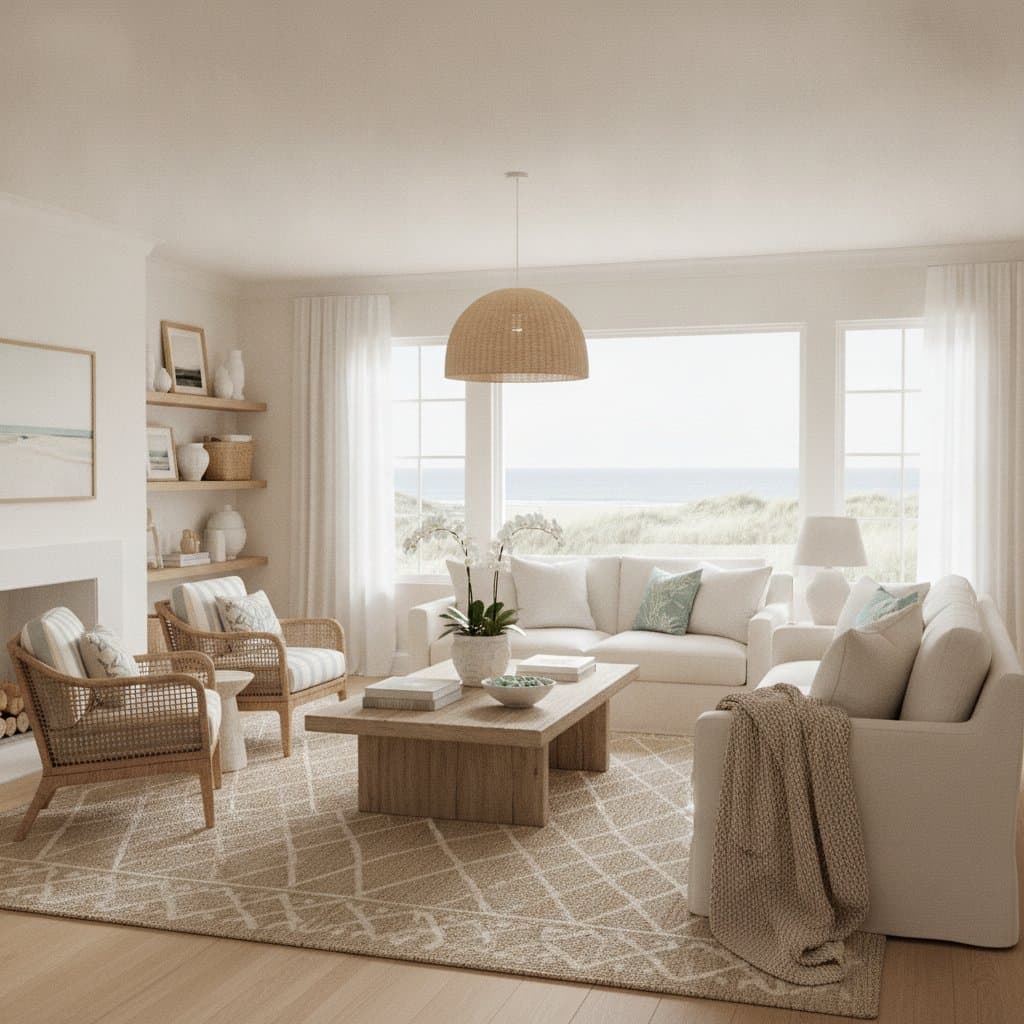
The coastal grandma design style has emerged as a powerful force in elevating home resale prices, particularly in coastal and suburban markets. Properties incorporating this relaxed, neutral, and comfort-oriented aesthetic experience an average value increase of 11 percent over comparable homes with contemporary or industrial elements. Buyers gravitate toward these interiors because they evoke a sense of calm and permanence, spaces that appear effortlessly lived-in yet meticulously refined.
This versatile style suits homeowners in proximity to coastlines, lakes, or regions with temperate weather. It also adapts well to inland residences seeking a gentle, hospitable ambiance that requires minimal ongoing maintenance. The appeal lies in its ability to transcend fleeting trends, fostering environments that promote relaxation and well-being.
Real estate data from recent market analyses highlights how such designs correlate with quicker sales and higher offers. For instance, in areas like Southern California or the Pacific Northwest, homes with coastal grandma features often command premiums due to their alignment with buyer preferences for authenticity and ease.
Advantages and Drawbacks of Adopting Coastal Grandma Design
Key Advantages
- Enhances resale value through widespread buyer attraction, as the style appeals to diverse demographics from young families to retirees.
- Fosters serene, luminous, and hospitable atmospheres that improve daily living while staging homes effectively for viewings.
- Incorporates resilient natural materials, such as linen and oak, which develop character over time without rapid deterioration.
- Complements a range of architectural forms, including quaint cottages, modern condos, and mid-century homes.
- Minimizes the chance of appearing outdated, thanks to its emphasis on enduring simplicity over bold statements.
Potential Drawbacks
- Light-colored fabrics demand regular attention to prevent stains from spills or pet hair.
- Elements like untreated wood and wicker may discolor under prolonged direct sunlight exposure.
- Predominantly neutral palettes risk monotony if insufficient layers of texture remain absent.
- Initial investments in high-quality pieces elevate upfront expenses compared to mass-produced alternatives.
Despite these considerations, the long-term benefits often outweigh the challenges, especially for properties aimed at resale.
DIY Approaches Versus Professional Assistance
Project Overview
Skill Level: Moderate, suitable for those with basic crafting experience.
Duration: Two to six weeks, varying by project scale and homeowner availability.
Essential Tools: Paint rollers for even coverage, a drill for hardware installation, a sander for surface preparation, and standard hand tools like screwdrivers and levels.
Potential Risks: Minimal for cosmetic changes, but moderate when involving structural modifications or custom cabinetry.
When to Tackle It Yourself
Homeowners find DIY rewarding for straightforward transformations that yield immediate results.
- Refreshing wall colors with soft neutrals to brighten rooms and unify spaces.
- Updating upholstery on existing chairs or sofas with washable linen covers.
- Swapping out overhead lights for woven pendant fixtures that diffuse light gently.
These steps allow personalization while controlling costs, often requiring only a weekend commitment per room.
When to Engage Professionals
Certain aspects benefit from expert intervention to ensure quality and compliance.
- Customizing built-in shelving or kitchen cabinetry to integrate seamlessly with the aesthetic.
- Laying down wide-plank hardwood floors or installing subway tile backsplashes.
- Coordinating multiple contractors for comprehensive room overhauls, including electrical and plumbing adjustments.
Interior designers specializing in relaxed coastal themes provide invaluable guidance, ensuring cohesion and alignment with market-driven resale strategies. Their expertise prevents common pitfalls, such as mismatched scales in furnishings.
Ongoing Care and Longevity
Recommended Maintenance Routine
Preserving the coastal grandma look requires consistent yet simple habits to protect its natural elements.
- Perform weekly vacuuming and dusting on rugs, upholstery, and shelves to safeguard fibers from dust accumulation.
- Launder removable slipcovers and window treatments every three to six months using gentle cycles.
- Apply oil or wax to wooden surfaces once a year to maintain luster and prevent drying.
- Refresh wall paint every five to seven years, selecting low-VOC formulas for a fresh, airy feel.
Common Issues to Monitor
Vigilance helps extend the style's appeal and functionality.
- Fading on exposed fabrics and timber due to UV rays; rotate items seasonally to distribute wear.
- Mildew growth in high-humidity coastal settings; ensure proper airflow with dehumidifiers.
- Weakening in wicker or rattan components; tighten joints promptly to avoid breakage.
With diligent care, premium furnishings endure 10 to 20 years, retaining their charm and contributing to sustained property value.
Considering Local Influences
Climate Adaptations
Environmental conditions shape material choices for optimal performance.
- In humid or saline environments, opt for sealed hardwoods like teak and antimicrobial fabrics to resist corrosion.
- In arid regions, employ humidifiers to avert cracks in wood accents or leather upholstery.
These adjustments ensure the design remains practical across varied geographies.
Regulatory and Cost Considerations
Building Codes and Permits:
Interior cosmetic work typically bypasses permitting requirements. However, alterations like installing built-ins or removing non-load-bearing walls necessitate local inspections for safety.
Regional Pricing Variations:
Labor costs escalate in coastal urban centers and vacation destinations, often 20 to 30 percent above national averages. Inland locations allow for comparable transformations at 10 to 20 percent lower rates due to accessible materials and workforce.
Market Resale Insights:
Proximity to beaches accelerates sales of airy, light-filled homes. In cooler climates, incorporate plush throws and ambient lamps to add warmth without compromising the core aesthetic.
Essential Safety Measures
Safety forms the foundation of any home update, preventing accidents and ensuring compliance.
- Maintain adequate ventilation during painting or wood refinishing to avoid inhaling fumes.
- Anchor heavy artwork, mirrors, and shelves to wall studs, particularly in seismic zones.
- Evaluate circuit capacities before installing additional fixtures to prevent overloads.
- Select rugs with nonslip backings for polished flooring to reduce slip hazards.
- Store and dispose of oil-soaked rags in metal containers to eliminate spontaneous combustion risks.
These practices safeguard occupants while upholding the design's integrity.
Frequently Asked Questions
What colors characterize the coastal grandma aesthetic?
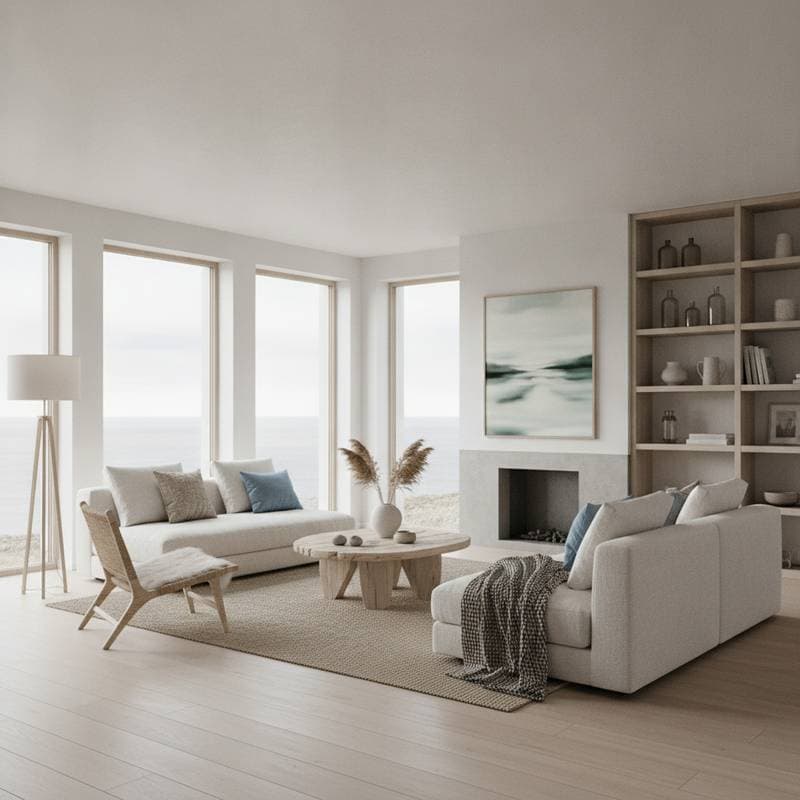
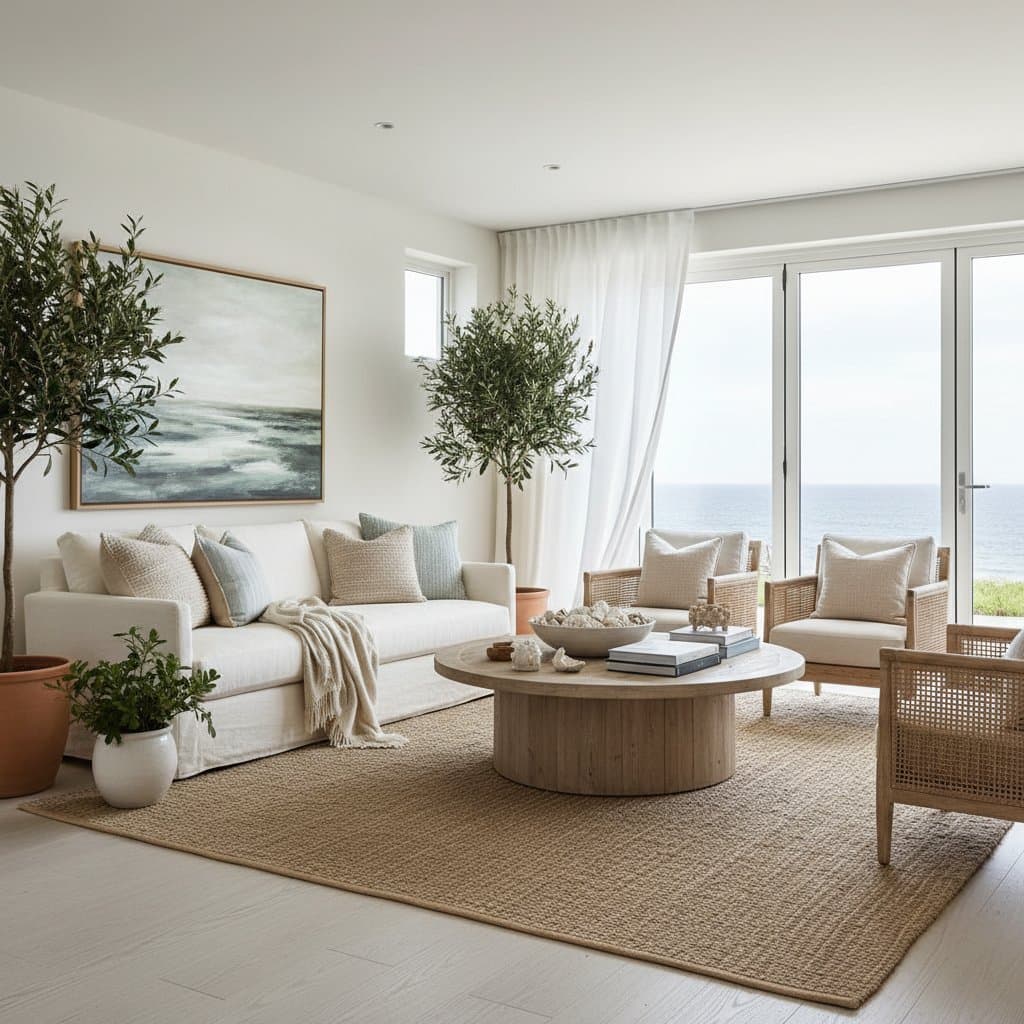
The palette features warm whites for walls, soft beiges for accents, pale blues evoking sea foam, and muted greens inspired by coastal foliage. This light, organic scheme promotes tranquility.
Does this style suit apartment or condominium living?
Absolutely. Scale down with compact seating, sheer area rugs, and stacked textiles to evoke the essence without overwhelming smaller footprints.
Must it involve costly furniture investments?
Not necessarily. Blend durable essentials, such as a solid oak console, with vintage finds from estate sales to curate an authentic vibe affordably.
Is the style limited to oceanfront properties?
Far from it. Homes with ample natural light and neutral bases anywhere can capture the soothing, comfort-centric vibe.
How to infuse interest into a potentially subdued palette?
Layer textures via seagrass baskets, jute lampshades, and linen drapes. Steer clear of stark contrasts or intricate motifs to preserve serenity.
Steps to Implement Coastal Grandma Transformations
Begin with targeted updates to build momentum. Select one room, apply a coat of creamy white paint, declutter surfaces, and introduce linen pillows or a jute rug. These incremental shifts cultivate a cohesive, restful environment that resonates with prospective buyers.
For larger projects involving flooring or cabinetry, obtain estimates from at least three licensed professionals. Verify adherence to local building codes for any work altering structure or utilities.
Ultimately, this approach not only amplifies resale potential but also crafts a living space defined by enduring relaxation and subtle sophistication.