Butlers Pantries Deliver Strong Returns on Home Sales
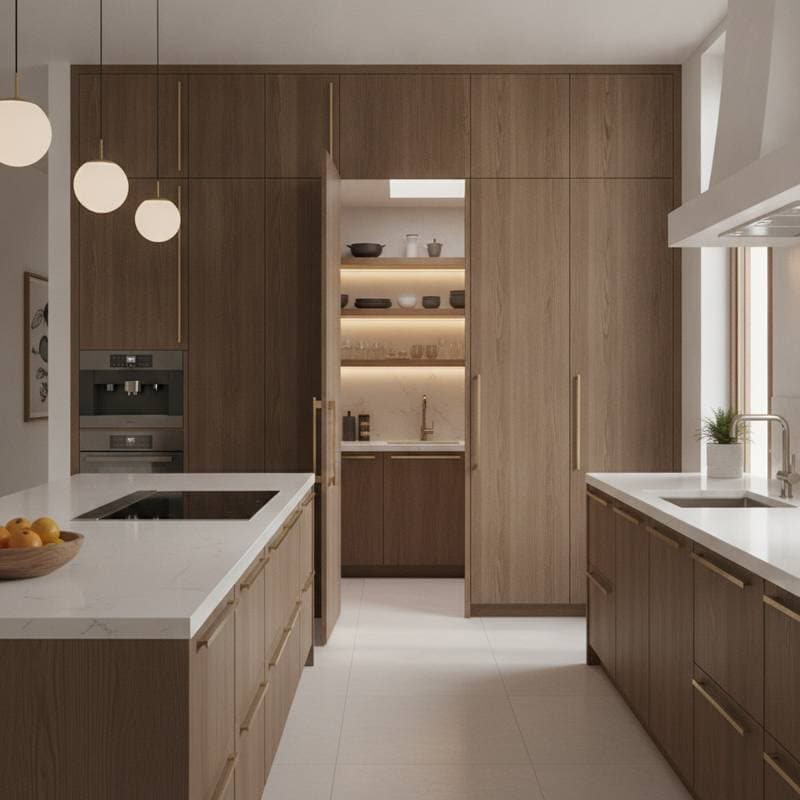
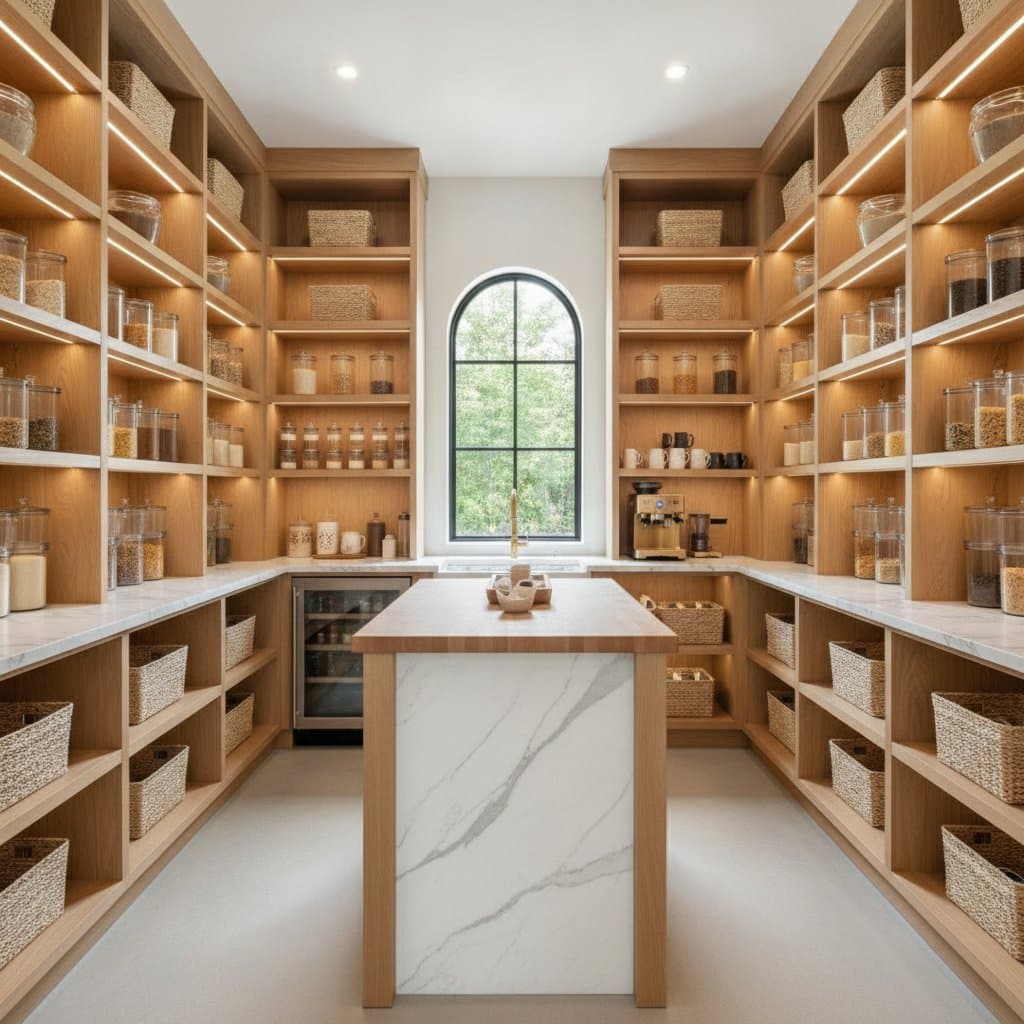
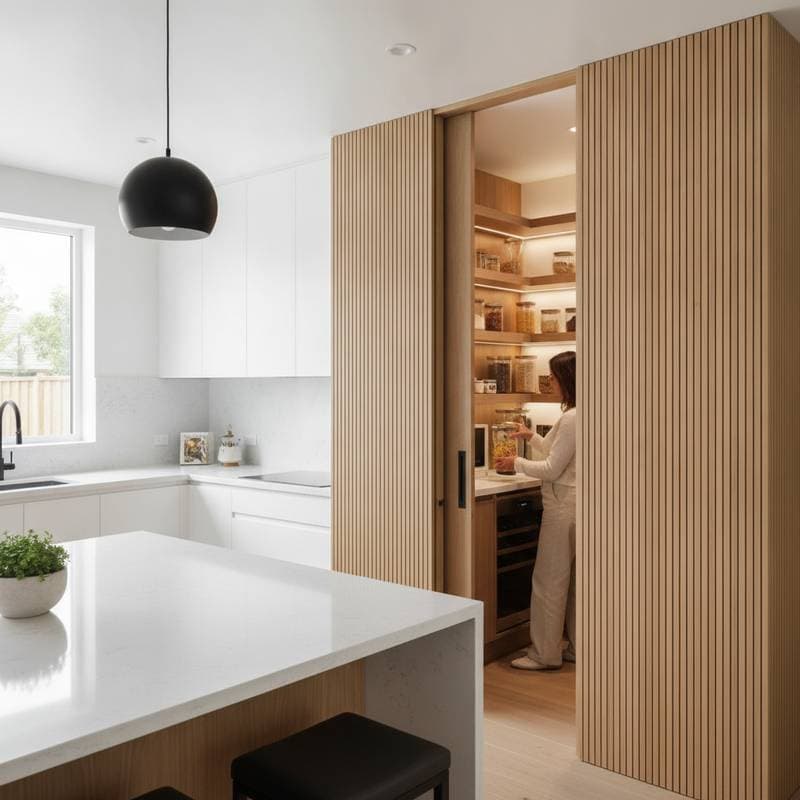
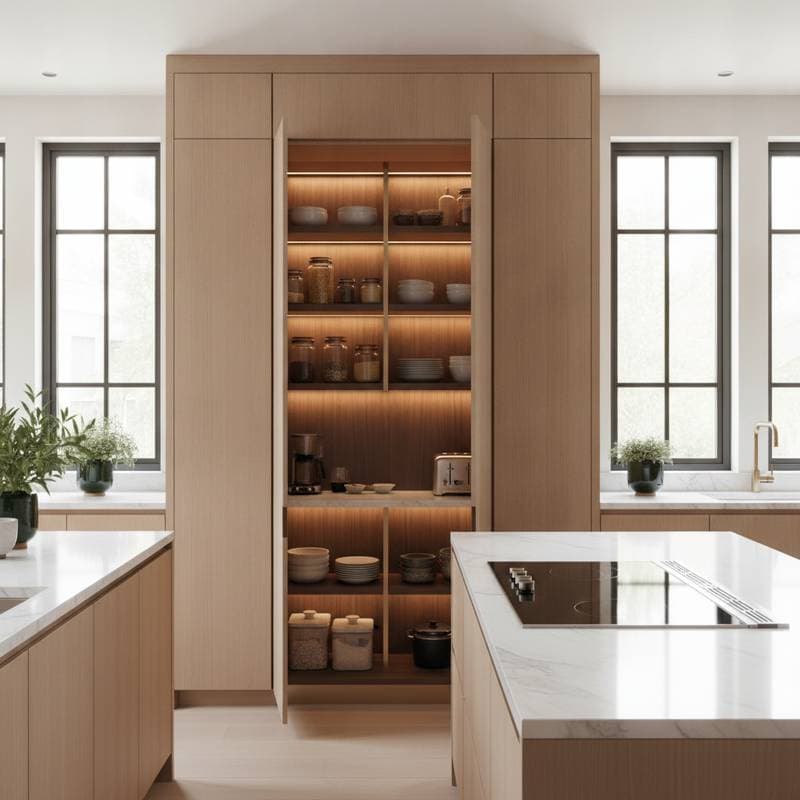
A well-designed butlers pantry supplies concealed storage and extra workspace that can increase a homes resale price by about 15 percent in active markets. Buyers view the feature as both a luxury and a practical addition. This upgrade ranks among the stronger kitchen improvements for return on investment.
Typical project costs range from 4500 dollars to 12000 dollars based on size, materials, and any required plumbing.
Key Cost Drivers
Materials represent the largest expense. Stock cabinets cost 150 to 300 dollars per linear foot. Custom cabinetry can reach 600 dollars per foot. Quartz countertops run 60 to 100 dollars per square foot, while butcher block averages 40 dollars per square foot.
Labor for installation typically falls between 1500 and 3000 dollars. Adding plumbing or electrical work increases the total by another 800 to 1500 dollars.
A compact 4-by-6-foot layout fits many existing homes and can repurpose a closet or short hallway. Larger walk-through designs that link the kitchen and dining room raise costs significantly.
Permit fees for structural changes or new plumbing average 300 to 600 dollars. Plan several days for inspections.
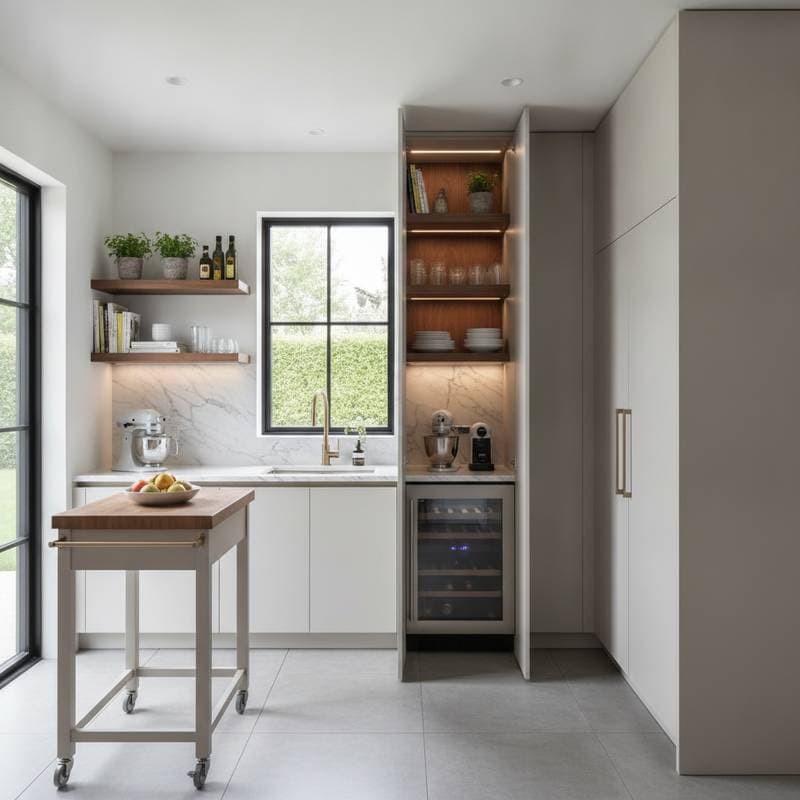
Optional features such as wine coolers, prep sinks, or dedicated lighting add 500 to 1000 dollars each. Select only items used on a regular basis.
When to Hire Professionals
Homeowners can handle painting, basic shelving, cabinet assembly, peel-and-stick backsplashes, and hardware updates. These tasks require only common tools and careful measurements.
Professional help becomes necessary when the project involves moving plumbing lines, running new electrical circuits, or installing custom millwork and stone counters. Any indication of load-bearing walls also calls for a licensed contractor.
Errors with wiring or plumbing can lead to failed inspections or water damage. Licensed professionals ensure GFCI outlets near sinks and code-compliant ventilation.
Ongoing Care and Warranties
Wipe up spills promptly and check for moisture twice each year. Reseal butcher block surfaces annually. Quartz and laminate surfaces require no sealing.
Clean filters and traps on beverage refrigerators or sinks on a regular schedule. Most appliances carry warranties of one to five years. Quality cabinetry lasts for decades with routine attention.
LED lighting fixtures often operate for up to ten years. Switch to energy-efficient bulbs to limit heat output and operating costs.
Required Safety Steps
Turn off power and water before any line relocation. Confirm GFCI protection near all sinks. Verify adequate ventilation for under-counter appliances. Obtain permits for new plumbing or wiring. Use gloves, eye protection, and a dust mask during cutting or sanding.
Effective Design Details
Install drawer outlets for discreet device charging. Add pull-out trays to store small appliances. Incorporate motion-sensor lighting for convenience. Match cabinet finishes and hardware to the main kitchen. Use uniform containers and clear labels for a tidy appearance.
These choices keep the space both useful and attractive to potential buyers.
Project Execution Steps
Measure available space adjacent to the kitchen. Create a simple layout that includes one countertop, two upper cabinets, and several drawers. Obtain at least two bids from licensed contractors for any plumbing or electrical scope. Confirm cabinet lead times before finalizing the schedule.
Sellers benefit most from a clean midrange installation. Owners planning to remain in the home can invest in higher-grade materials and integrated lighting for extended daily use.
A butlers pantry converts underused square footage into organized, high-value storage. Careful planning and measured spending produce both immediate convenience and stronger offers at resale.