Why Basement Home Theaters Offer 92% ROI by 2026
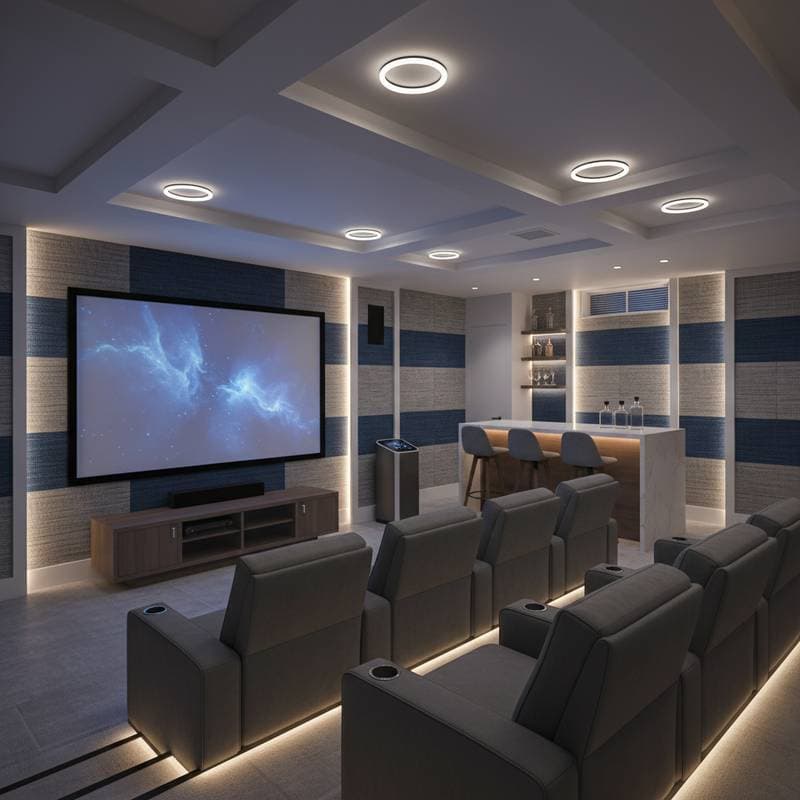
Many homeowners undervalue the potential of their basement space when planning renovations that boost property worth. A professionally finished basement home theater stands out as a premium upgrade, recouping up to 92% of installation costs upon resale. This projection, based on current real estate trends, highlights how such a feature transforms a forgotten area into a coveted entertainment hub that attracts modern buyers seeking integrated leisure options.
Ideal candidates for this project include homes with unfinished basements featuring adequate ceiling heights of at least seven feet, effective moisture barriers, and straightforward access points. Before proceeding, conduct a thorough inspection to confirm dryness, proper insulation, and structural integrity. These foundational elements ensure the theater not only functions efficiently but also elevates the home's overall appeal in a market favoring multifunctional living spaces.
Key Advantages and Potential Drawbacks
Advantages
- Elevates Market Value: A dedicated theater signals luxury and foresight, often increasing offers by drawing in families and entertainment enthusiasts.
- Optimizes Existing Footprint: Leverage square footage already included in your property without expanding the home's exterior.
- Enhances Daily Living: Provide a private venue for movie nights, gaming sessions, or gatherings, fostering stronger family bonds.
- Promotes Acoustic Privacy: Soundproofing elements minimize disturbances to upper levels, creating an immersive experience.
- Differentiates in Sales: In saturated neighborhoods, this unique amenity sets your listing apart from standard remodels like kitchens or baths.
Drawbacks
- Substantial Initial Investment: Expect costs ranging from $20,000 to $75,000, depending on size and features, which exceeds simpler updates.
- Technical Challenges: Managing humidity and air circulation demands expertise to avoid long-term issues like mold growth.
- Regulatory Hurdles: Obtaining necessary approvals for electrical upgrades or structural changes can extend timelines.
- Reduced Versatility: Committing to a theater layout may restrict future adaptations for gyms, offices, or guest rooms.
- Technology Obsolescence: Audio-visual systems evolve rapidly, necessitating periodic refreshes to maintain appeal.
DIY Approaches Versus Professional Installation
Project Overview
Complexity Level: Moderate to high, involving multiple trades like framing, electrical, and acoustics.
Timeline: Typically spans three to eight weeks, influenced by project scale and any unforeseen structural needs.
Essential Tools: Include circular saws for framing, drywall lifts, multimeters for wiring checks, and acoustic panels for sound treatment.
Associated Risks: Moderate to high, particularly with electrical installations, water intrusion prevention, and adherence to building standards.
Opt for professional services when the project requires extensive rewiring, integration of custom HVAC for temperature control, or advanced soundproofing to achieve theater-quality isolation. Experts navigate local permitting processes seamlessly and implement durable moisture solutions, such as vapor barriers and drainage systems. For those with handyman skills, DIY suits lighter tasks like mounting screens, running low-voltage speaker cables, or applying finishes in a pre-conditioned, dry space.
To maximize success, start with a detailed blueprint outlining seating arrangements, projection setups, and lighting zones. Budget an additional 10-15% for contingencies, and always prioritize safety gear during hands-on work.
Ongoing Care and Expected Durability
Constructed with quality materials, a basement home theater endures 20 to 30 years, provided owners update electronics and surfaces periodically. Regular upkeep preserves functionality and protects your investment against environmental wear.
Recommended Maintenance Routine
- Inspect for water intrusion or condensation quarterly, especially after heavy rains, to safeguard electronics and finishes.
- Vacuum or replace HVAC filters and clean ventilation grilles biannually to sustain optimal air quality and system efficiency.
- Evaluate and upgrade audiovisual components every five to seven years, aligning with advancements in 4K projectors and surround sound.
- Refresh wall treatments or seals annually in humid climates to counteract fading or peeling from ambient moisture.
Equipment from reputable brands typically carries warranties of one to three years, while structural components align with standard home construction guarantees. Ensure installation includes hardwired smoke alarms and compliant emergency exits, as mandated by most jurisdictions, to uphold safety and insurability.
Regional Influences on Costs and Returns
The financial aspects of a basement theater project fluctuate based on geographic and environmental variables, directly impacting both outlay and payback.
Environmental Considerations
- In humid or coastal regions, incorporate reinforced waterproofing membranes and industrial-grade dehumidifiers, adding 10-20% to expenses but preventing costly repairs.
- Colder climates benefit from enhanced thermal insulation around walls and floors, ensuring year-round comfort without spiking energy bills.
Regulatory and Economic Factors
-
Urban municipalities often enforce strict permitting for any electrical or partitioning work, with fees ranging from $500 to $2,000.
-
Fire codes emphasize clear pathways and rated materials if the basement adjoins habitable areas like bedrooms.
-
Labor in metropolitan zones commands premiums of 15-30% over national averages due to demand and cost of living; conversely, rural settings might face delays from scarce specialists, potentially inflating material shipping costs.
Factor these into your planning by consulting regional real estate data, which shows higher ROI in entertainment-oriented markets like suburban family enclaves.
Essential Safety Protocols
Prioritize protection throughout the renovation to mitigate hazards and ensure long-term viability.
- Electrical Standards: Install all circuits with grounding and arc-fault protection; engage certified electricians for runs exceeding basic outlets to prevent shocks or fires.
- Moisture Mitigation: Deploy interior drainage systems or French drains in prone areas, paired with humidity monitors set below 50%.
- Airflow Management: Integrate exhaust fans and fresh air intakes to curb stale air buildup and allergen accumulation.
- Structural Integrity: Consult engineers before altering beams or walls for mounts, preserving the home's load-bearing capacity.
- Compliance Checks: Secure permits upfront and schedule inspections at key milestones; non-compliant setups risk fines up to $5,000 and diminished buyer interest.
Adhering to these measures not only complies with codes but also fortifies the space against common basement pitfalls.
Planning Your Basement Theater Project
Evaluate your basement's suitability by measuring dimensions, testing for dampness with a moisture meter, and gauging natural light sources. Establish a budget that allocates 40% to structural prep, 30% to audiovisual installations, and 30% to furnishings like tiered seating and blackout curtains.
Solicit bids from at least three vetted contractors experienced in media rooms, verifying their portfolios include basement-specific work. Inquire about sustainable options, such as energy-efficient LEDs and recyclable acoustics, to appeal to eco-conscious buyers.
This upgrade redefines home entertainment while securing substantial equity. Thoughtful execution turns a simple conversion into a lasting asset, blending enjoyment today with financial rewards tomorrow.