Understanding the 92% ROI for Aging-in-Place Renovations in 2025
Aging-in-place renovations enable homeowners to remain in their residences for extended periods while prioritizing comfort and safety. These modifications safeguard property value and draw interest from prospective buyers who value inclusive living spaces. The impressive return on investment stems from the shift toward mainstream accessibility features, transforming them from optional additions to essential design elements.
Homeowners contemplating long-term residency or an imminent sale stand to gain both financially and in terms of enhanced daily living. By integrating thoughtful upgrades, individuals can achieve substantial returns that align with evolving market preferences for adaptable homes.
Benefits and Drawbacks of Aging-in-Place Projects
Key Benefits
- Elevated Resale Value: Accessible features appeal to a broad audience, including younger families and multigenerational households, often increasing market price by 10 to 15 percent.
- Enhanced Safety Measures: Elements such as grab bars and non-slip flooring reduce fall risks by up to 50 percent, providing peace of mind for aging residents or those with mobility challenges.
- Delayed Relocation Needs: These upgrades minimize the necessity for costly moves to assisted living facilities, potentially saving thousands in annual expenses.
- Improved Comfort for Everyone: Universal design principles benefit all occupants, from children to seniors, fostering an inclusive environment.
- Access to Incentives: Eligible projects may qualify for federal tax credits under programs like the Residential Clean Energy Credit or local rebates for energy-efficient accessibility improvements.
Potential Drawbacks
- Initial Investment: Comprehensive remodels can range from $10,000 to $50,000, depending on scope and location.
- Regulatory Hurdles: Permits and inspections add time and minor fees, typically 1 to 2 weeks of processing.
- Aesthetic Concerns: Poorly planned features might disrupt visual harmony, though skilled designers mitigate this with seamless integration.
- Prerequisite Updates: Vintage properties often require foundational electrical or plumbing revisions before accessibility work, escalating total costs by 20 to 30 percent.
DIY Options Versus Professional Services
Certain minor adjustments suit skilled homeowners, but complex alterations demand expert involvement to ensure compliance and durability.
Suitable DIY Projects:
- Securely install grab bars by locating wall studs with a stud finder, drilling pilot holes, and using toggle bolts for reinforced attachment.
- Swap standard knobs for lever-style handles on doors and faucets to ease operation for arthritic hands.
- Incorporate non-slip mats in bathrooms and upgrade to motion-sensor lighting for automatic illumination in hallways.
Projects Requiring Professionals:
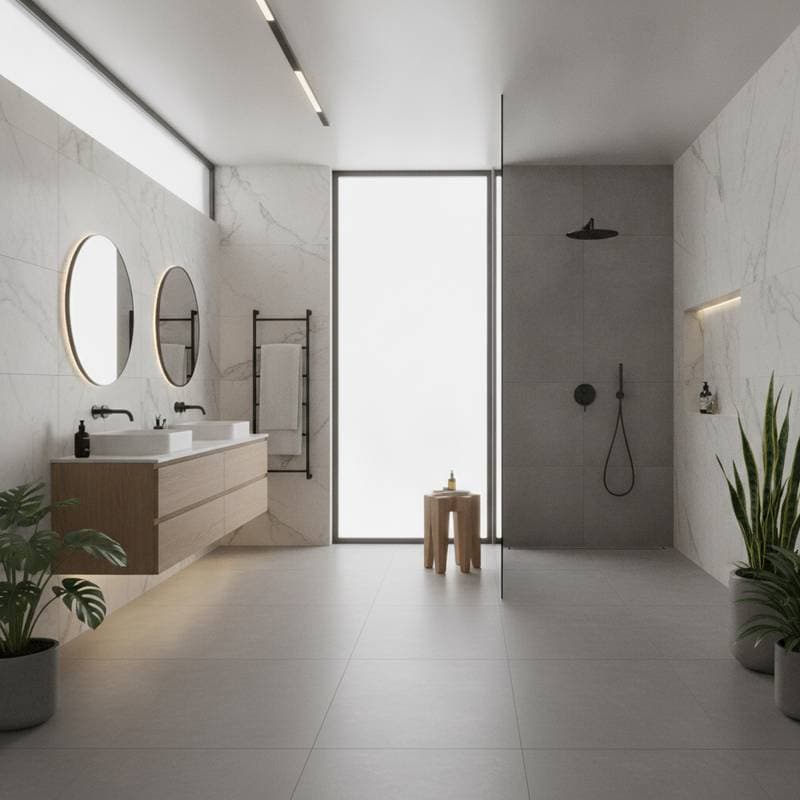
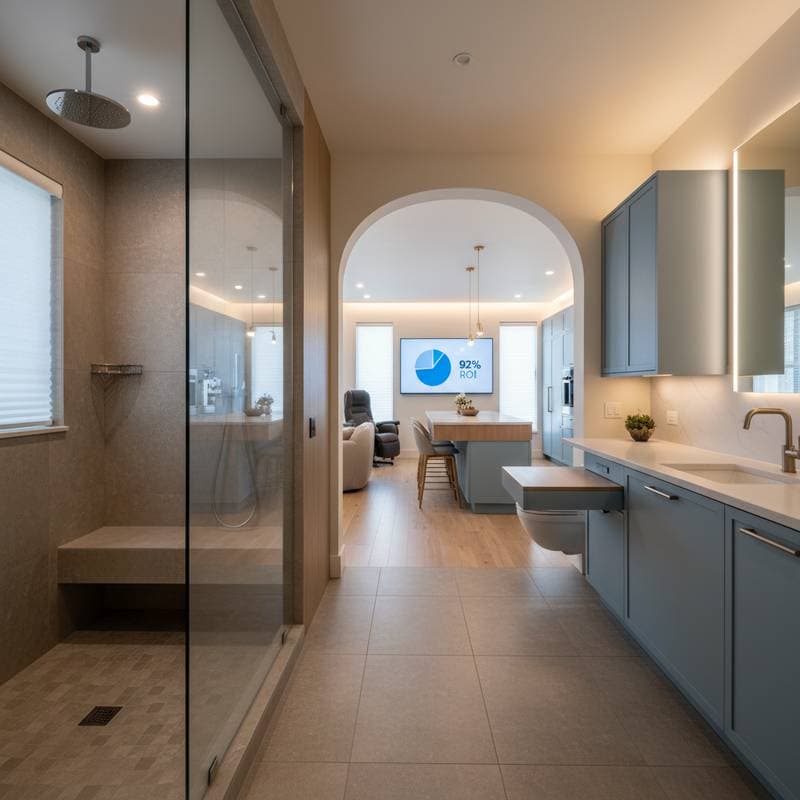
- Transform traditional bathtubs into curbless showers by removing barriers and installing linear drains for seamless entry.
- Expand doorways to 36 inches wide and reinforce subfloors to support heavier mobility aids.
- Construct exterior ramps with proper slope ratios or install stair lifts calibrated to weight capacities.
- Revise electrical systems for smart home integration or plumbing for leak-proof shower enclosures.
Projects range from moderate to high difficulty, with timelines varying from a single day for simple installations to several weeks for extensive overhauls. Risks include structural weaknesses, water damage, or non-compliance with building codes if executed improperly. Engage certified aging-in-place specialists, such as those with CAPS credentials, for tasks involving load-bearing elements or infrastructure changes to guarantee safety and aesthetic cohesion.
Ongoing Maintenance and Expected Durability
Properly executed aging-in-place installations require minimal upkeep, extending their functionality over time.
- Quarterly Inspections: Examine grab bars and handrails for secure fastening, and verify caulking around fixtures remains intact to prevent moisture intrusion.
- Annual Reviews: Assess flooring for trip hazards like lifted seams, and test lighting systems to ensure adequate illumination levels.
- Periodic Refreshers: Every three to five years, reapply non-slip treatments to surfaces or replace degraded components like shower seats.
Accessibility hardware typically endures 10 to 20 years under normal use. Advanced smart devices, including automated locks and sensors, might necessitate updates sooner due to technological evolution. Major installations, such as walk-in tubs or platform lifts, come with manufacturer warranties spanning 5 to 10 years; register these promptly to maintain eligibility for repairs or replacements.
Regional Considerations for Implementation
Geographic variations influence project planning, costs, and material choices.
- Climate Adaptations: In regions with harsh winters, design ramps with integrated heating elements and textured surfaces to combat ice buildup. Coastal zones demand stainless steel or composite materials to resist saltwater corrosion.
- Code Compliance: Municipalities often mandate permits for structural additions like ramps or electrical enhancements, with fees ranging from $100 to $500.
- Workforce Availability: Metropolitan areas feature competitive labor rates averaging $75 to $150 per hour, whereas rural settings may limit options to general contractors lacking specialized training.
- Financial Supports: Certain states provide rebates up to $5,000 for energy-saving accessibility features; consult resources like the Department of Housing and Urban Development for eligibility.
Prior to commencing, contact local zoning authorities to review regulations and secure necessary approvals, avoiding delays or fines.
Prioritizing Safety in Renovations
Safety forms the cornerstone of aging-in-place transformations, demanding adherence to established protocols.
- Electrical Standards: Employ licensed electricians to reconfigure outlets for ground-fault circuit interrupter protection and integrate low-voltage lighting.
- Plumbing Integrity: Apply membrane waterproofing to walls adjacent to wet areas, ensuring drains handle increased water flow without backups.
- Structural Reinforcement: Bolster framing with plywood backing before mounting grab bars to support up to 250 pounds of dynamic load.
- Permit Processes: Verify requirements through municipal offices, as unpermitted work can void insurance coverage.
Steer clear of shortcuts in critical areas like waterproofing or wall reinforcements, as failures may lead to expensive remediation, including mold removal or structural repairs exceeding initial budgets.
Frequently Asked Questions
Which aging-in-place upgrade offers the highest cost efficiency?
Grab bars, lever handles, and enhanced lighting provide immediate safety gains for under $500, often recouping costs through reduced medical expenses.
Is bathroom accessibility possible without a complete overhaul?
Absolutely. Opt for a transfer bench over tub removal or install adjustable-height vanities to accommodate wheelchair users while preserving existing layouts.
Do these modifications result in an institutional appearance?
No, contemporary designs incorporate sleek hardware and customizable finishes, such as matte black grab bars, to maintain a residential aesthetic.
What funding options exist for accessibility projects?
Explore state-specific programs like California's Accessible Home Modification grants or federal deductions under Section 25 of the tax code for qualifying expenditures.
How do these features impact resale to non-elderly buyers?
They enhance appeal by promoting versatile, future-proof living; surveys indicate 70 percent of millennials prioritize homes with built-in accessibility.
Steps to Launch Your Aging-in-Place Project
Aging-in-place renovations merge functionality with fiscal prudence, securing safer homes today and desirable assets tomorrow. Begin by conducting a home assessment to pinpoint vulnerabilities, such as narrow hallways or steep stairs. Develop a phased plan that balances immediate needs with budget constraints, focusing on high-impact areas like bathrooms and entrances.
Solicit bids from at least three licensed contractors experienced in universal design. Evaluate proposals for material quality, such as ADA-compliant hardware, and timeline feasibility. Secure warranties and document all installations to support future claims or resale disclosures.
Executed with precision, these initiatives prolong autonomy, avert injuries, and elevate market worth. Forward-thinking homeowners invest in modifications that sustain comfort across decades, yielding enduring personal and economic advantages.