Get 15% ROI from Accessible Aging-in-Place Bathrooms
Upgrading a bathroom for aging in place delivers comfort, safety, and a solid return on investment. Homeowners often realize around a 15 percent ROI from accessible bathroom renovations. These upgrades suit anyone planning to remain in their home long term or preparing for reduced mobility.
Cost Snapshot
National averages for accessible bathroom remodels range from $9,000 to $25,000. Most homeowners spend $12,000 to $18,000 for a mid-range project. High-end conversions that include custom tile, curbless showers, and full reconfiguration can exceed $30,000.
Key cost drivers include the scope of demolition and plumbing changes, the type of shower or tub installation, the quality of fixtures and grab bars, flooring and waterproofing materials, and regional labor rates.
Pros and Cons
Pros
- Improves safety and reduces slip risk
- Adds long-term value for resale
- Supports aging or disabled family members
- Can qualify for medical or accessibility tax benefits
Cons
- Upfront cost exceeds that of a basic remodel
- May require wall reinforcement for grab bars
- Some designs reduce storage or space
- Permits and inspections may extend the timeline
Options and Types
Accessible bathroom designs follow universal design principles to make movement easier for all users.
Common types
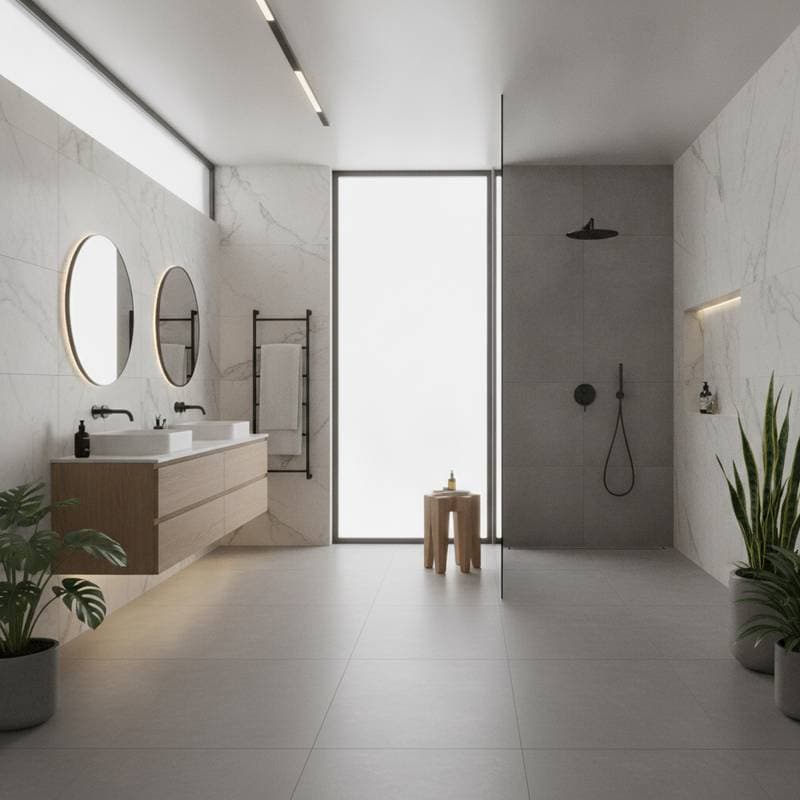
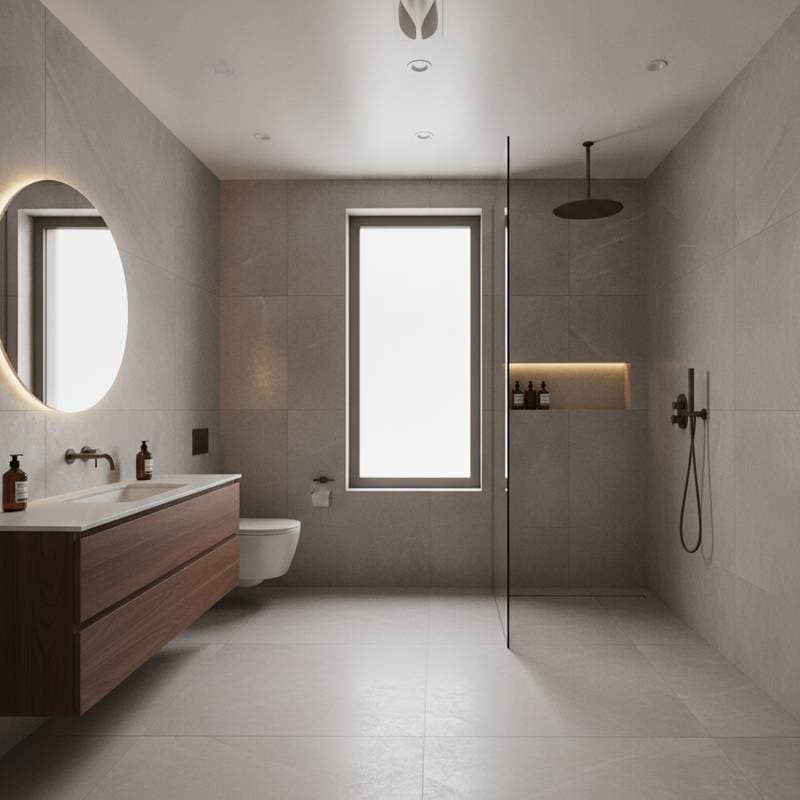
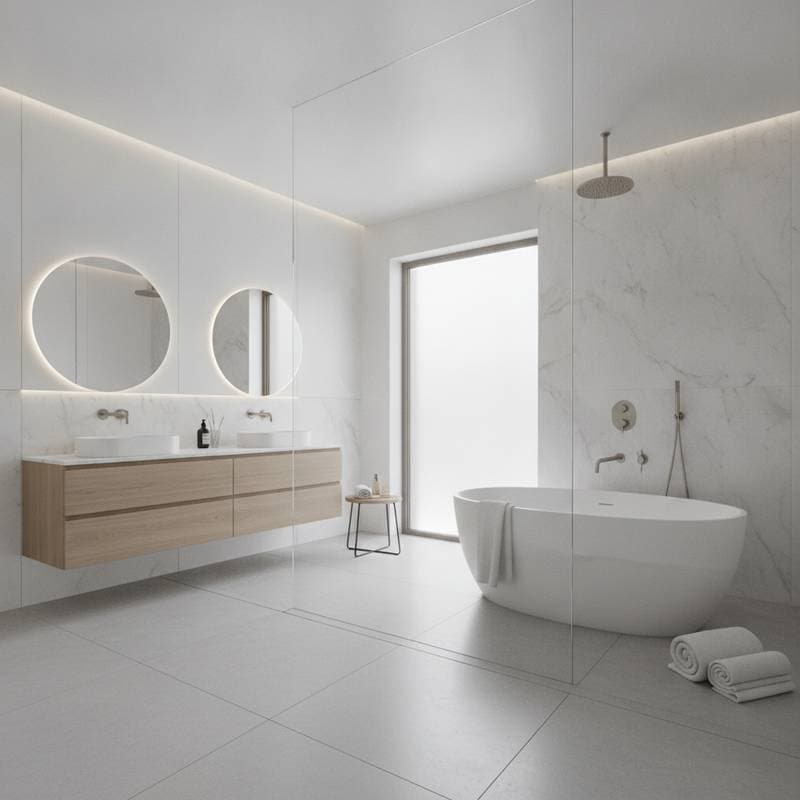
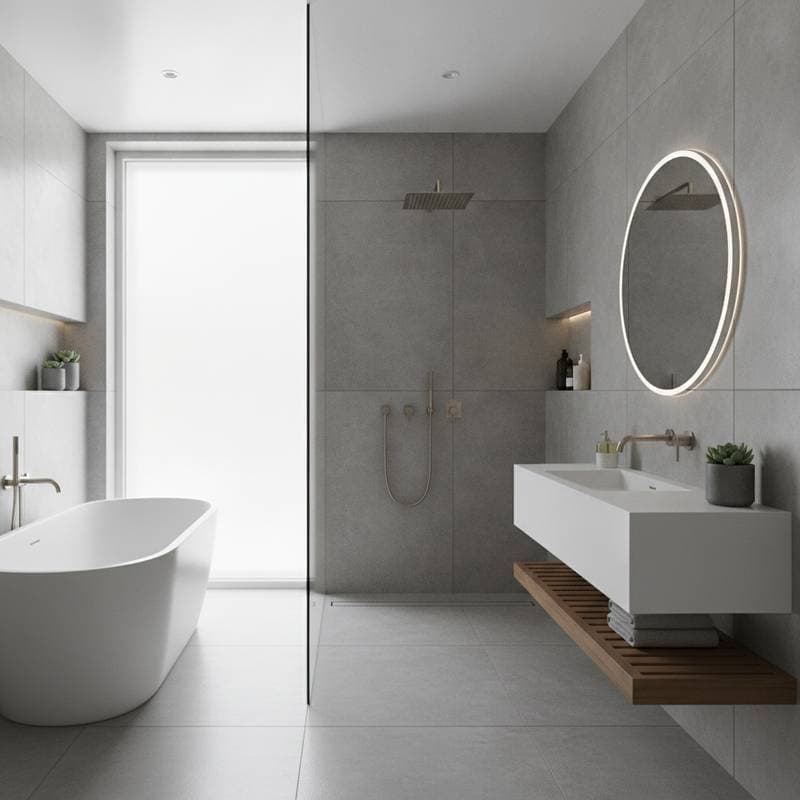
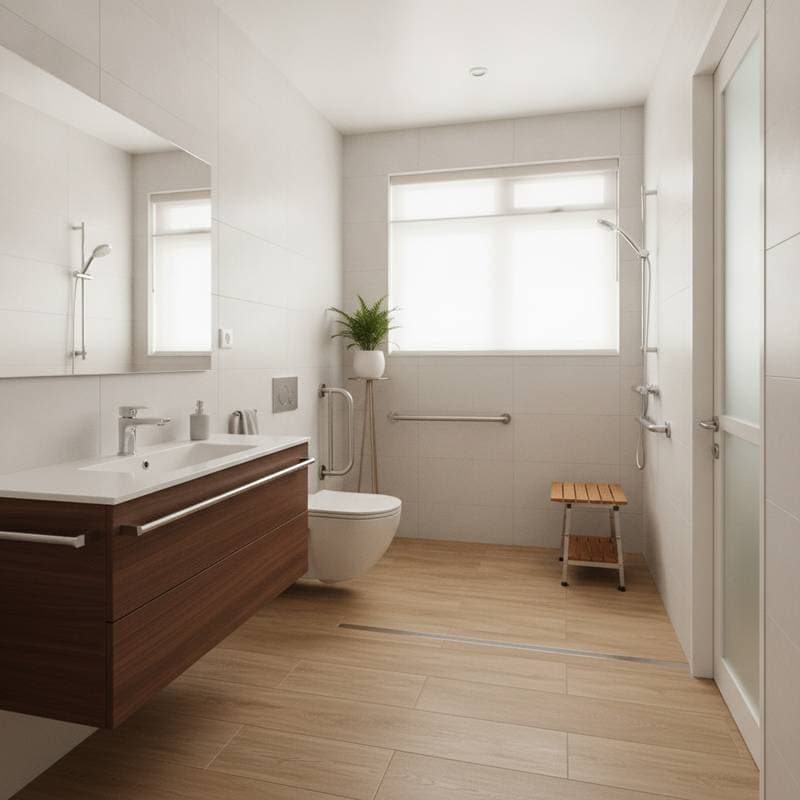
- Curbless shower: No step entry. Ideal for wheelchairs and walkers.
- Walk-in tub: Built-in seat and door for easy entry. Best for limited mobility.
- Widened doorway: Expands clearance to 32 inches or more. Fits mobility aids.
- Comfort-height toilet: Eases transfers and supports weak knees or hips.
- Adjustable vanity: Provides open space beneath for seated use.
DIY vs Pro
This project carries moderate to high difficulty. It often requires plumbing, tile, and electrical work. Expect one to three weeks depending on the scope.
DIY approach
- Limited to small upgrades such as grab bars or handheld showerheads.
- Requires basic tools including a drill, level, and stud finder.
- Carries risk of leaks, poor slope, or code violations if performed incorrectly.
Hire a pro
- Necessary for waterproofing and structural adjustments.
- Licensed contractors ensure compliance with ADA and local building codes.
- Costs more upfront yet avoids expensive rework later.
Step-By-Step Basics
- Assess mobility and space needs.
- Plan layout for wheelchair or walker clearance.
- Remove existing fixtures and flooring.
- Update plumbing lines and drains if moving fixtures.
- Install new shower, tub, or toilet.
- Add wall blocking for grab bars.
- Lay slip-resistant flooring.
- Mount fixtures, lighting, and accessories.
- Test water flow, drainage, and accessibility before use.
Maintenance and Lifespan
Accessible bathroom components last 15 to 25 years with proper care. Clean grout and drains weekly. Check grab bars and mounts every few months. Inspect caulking yearly to prevent moisture damage. Many fixtures carry 5 to 10 year warranties. Verify coverage for seals, finishes, and hardware before purchase.
Alternatives
- Partial remodel: Add grab bars, lever handles, and non-slip mats for under $2,000.
- First-floor addition: Add a new accessible bath near a bedroom, but expect $40,000 or more.
- Portable accessibility aids: Temporary ramps, shower seats, or raised toilet frames. Lower cost but less permanent.
Local Factors
Costs shift by region. Coastal or urban markets see higher labor rates. Cold climates may need extra insulation around plumbing. Some cities require permits for plumbing or electrical updates. Always check local code for minimum clearances and ventilation requirements.
ROI and Resale
Accessible features appeal to a wider buyer pool, especially older homeowners. Typical ROI averages 10 to 15 percent, depending on quality and location. Homes marketed as universal design often sell faster due to comfort and safety benefits.
Safety
Work involves water, electricity, and structural changes. Shut off power and water before demolition. Hire licensed electricians for lighting or outlet changes. Use slip-resistant flooring rated for wet areas. Reinforce walls to hold grab bars rated for 250 pounds or more. Confirm GFCI outlets are installed near all wet zones.
Executing Your Remodel
Start with an accessibility assessment. Plan a layout that fits future mobility needs. Use licensed contractors familiar with universal design standards. Keep receipts and documentation for potential tax deductions. A well-planned aging-in-place bathroom improves daily comfort, safety, and property value.