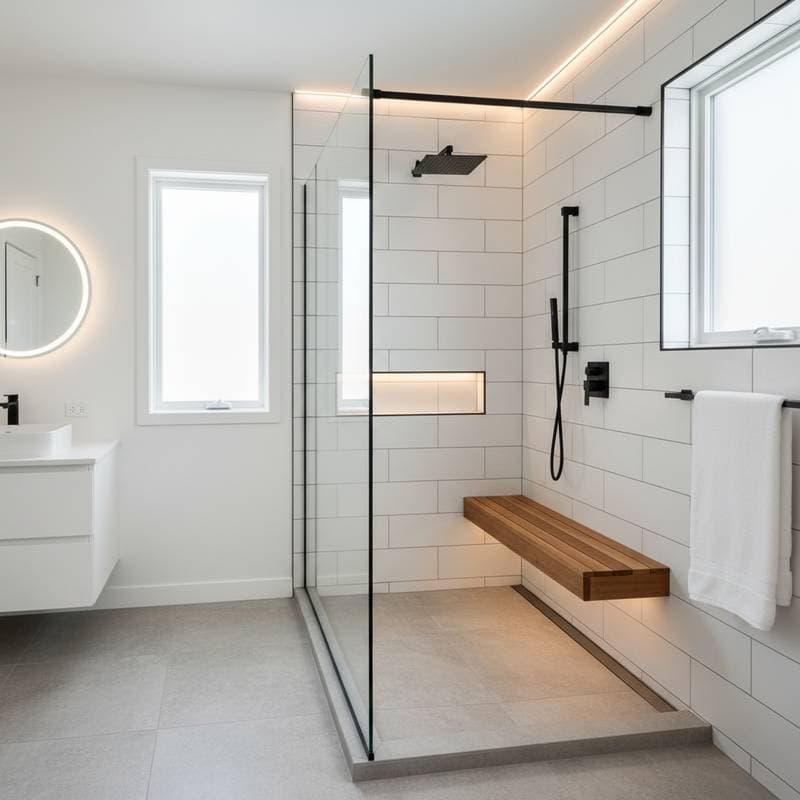
Understanding Zero-Threshold Showers
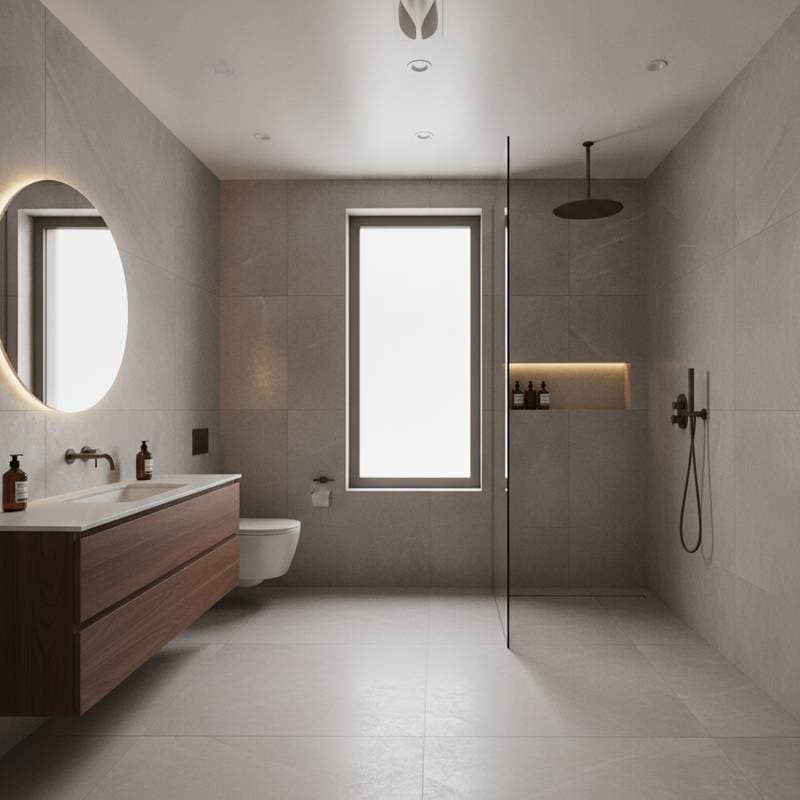
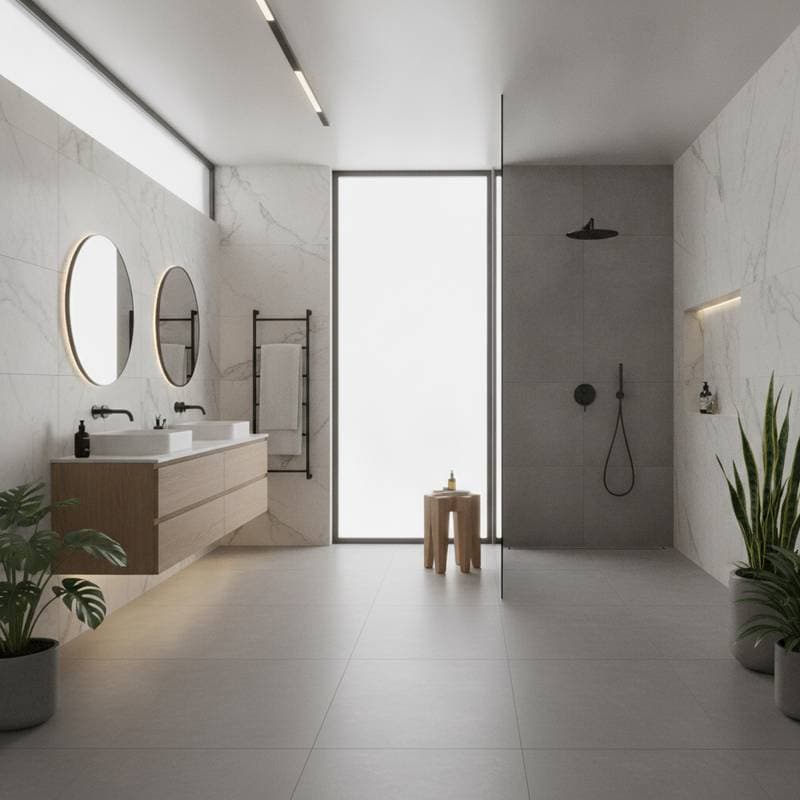
Zero-threshold showers represent a shift in bathroom design toward inclusivity and elegance. These installations eliminate the traditional step-up curb, creating a seamless transition from the bathroom floor to the shower area. This feature draws from universal design concepts, making spaces more navigable for individuals with mobility challenges while maintaining a sophisticated look.
The core appeal lies in their simplicity. Water flows freely across a level surface, often contained by subtle sloping or linear drains. Homeowners appreciate how this setup integrates with various flooring materials, from tile to stone, without compromising waterproof integrity.
Key Benefits for Homeowners
Accessibility stands out as a primary advantage. Without barriers, entering the shower becomes effortless, reducing fall risks for seniors or those using mobility aids. This design supports aging in place, a growing priority as populations age.
Safety enhancements extend beyond ease of entry. Non-slip surfaces and grab bars can integrate naturally, minimizing accidents. Studies from design organizations highlight that such modifications lower injury rates in wet areas by up to 50 percent.
Aesthetic and practical gains follow closely. The open layout expands the perceived size of the bathroom, fostering a spa-like atmosphere. Cleaning proves straightforward, as water drains efficiently without pooling in corners.
Impact on Property Value
Incorporating zero-threshold showers can elevate resale potential significantly. Real estate experts note that accessible features appeal to a broader buyer pool, including multigenerational families and those planning long-term residency. Properties with these updates often command premiums of 5 to 10 percent over standard homes.
Market trends reinforce this value. In regions with aging demographics, such as California, buyers prioritize modifications that support independent living. A well-executed shower upgrade signals thoughtful investment, differentiating the home in competitive listings.
Beyond resale, daily living improves. Owners report higher satisfaction from functional spaces that adapt to life changes, turning routine tasks into seamless experiences.
Installation Costs and Considerations
Budgeting for a zero-threshold shower requires accounting for several factors. Basic installations start at $4,000, covering materials and labor for standard sizes. More elaborate designs, including custom tiling or heated floors, push costs toward $12,000.
Labor forms a substantial portion, often 40 to 60 percent of the total. Professionals must ensure proper subfloor preparation to handle water diversion. DIY attempts risk leaks or structural issues, so hiring certified installers remains advisable.
Material choices influence expenses. Porcelain tiles offer durability at lower prices, while natural stone adds luxury at a higher cost. Factor in additional elements like showerheads or enclosures, which can add $500 to $2,000.
- Assess current bathroom layout for plumbing adjustments.
- Select waterproof membranes to prevent moisture damage.
- Plan for drainage systems that maintain floor level.
- Coordinate with contractors experienced in curbless designs.
Design Tips for Maximum Appeal
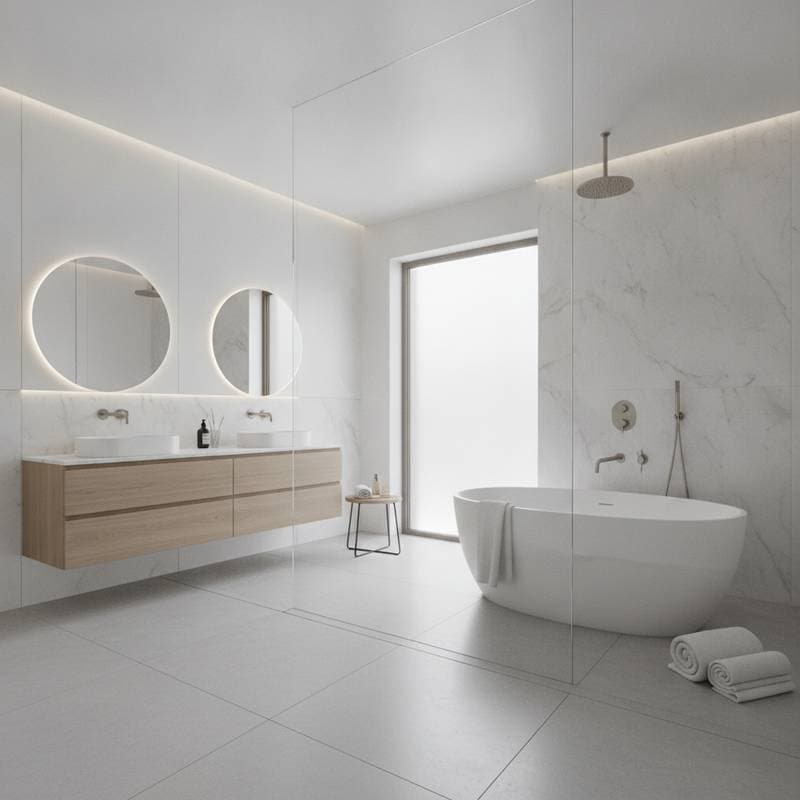
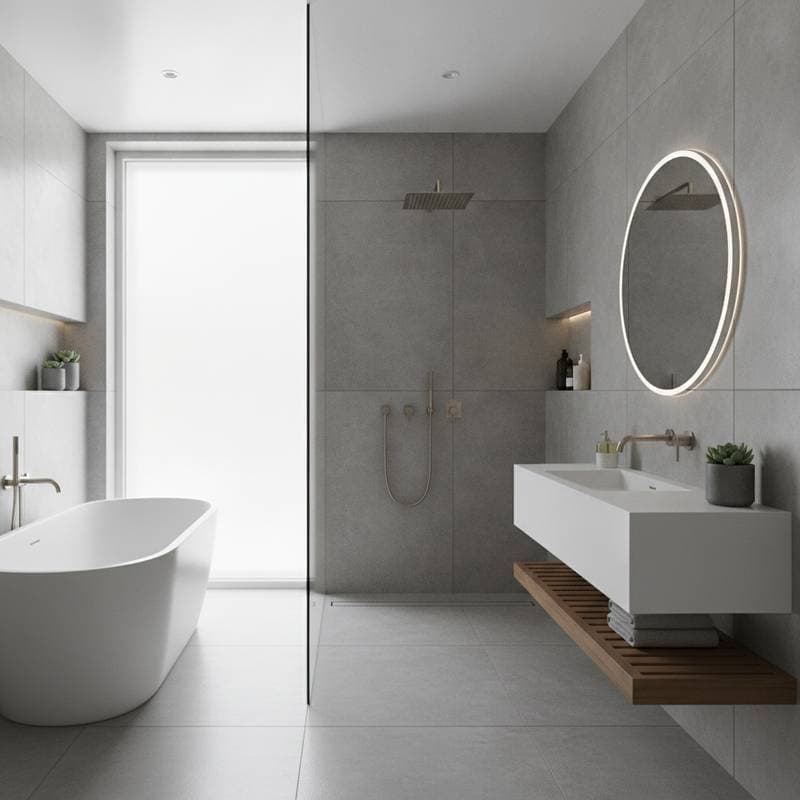
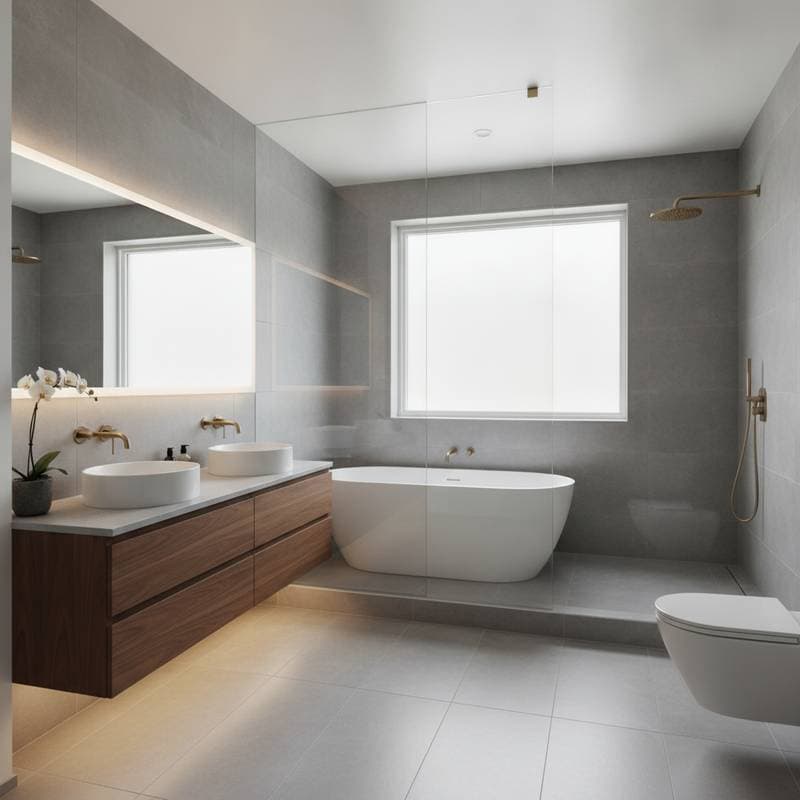
Achieve a cohesive look by matching shower flooring with the bathroom's overall scheme. Large-format tiles minimize grout lines, easing maintenance and enhancing flow. Neutral palettes create timeless elegance, while bold accents inject personality.
Incorporate practical details without clutter. Recessed niches store essentials, and frameless glass panels preserve openness. Lighting plays a role too; LED strips along edges illuminate safely without harsh glare.
Consider environmental factors. Opt for low-flow fixtures to conserve water, aligning with sustainable trends. Proper ventilation prevents mold, ensuring the space remains fresh and inviting.
For smaller bathrooms, focus on vertical space. Wall-mounted shelves free up floor area, complementing the barrier-free design. Test layouts virtually to visualize outcomes before committing.
Waterproofing and Maintenance Essentials
Success hinges on robust waterproofing. Install pan liners or sheet membranes beneath the tile to direct water away from subfloors. Schluter systems, for instance, provide reliable barriers against seepage.
Slope the floor gently, about one-quarter inch per foot, toward the drain. This subtle grade prevents standing water while keeping the surface level. Seal all joints with silicone caulk, renewing it annually.
Maintenance involves routine checks. Wipe down surfaces after use to avoid buildup. Professional inspections every few years catch potential issues early, preserving the investment.
Achieving Strong Return on Investment
To maximize ROI, align the upgrade with local market demands. Consult appraisers for insights on how similar features perform in your area. Timing the renovation before listing can yield quicker sales at higher prices.
Combine the shower with other accessibility tweaks, like lever handles or wider doorways, for compounded value. Document improvements with before-and-after photos for buyer transparency.
Homeowners who invest thoughtfully often recoup 70 to 90 percent of costs upon sale. The intangible benefits, such as enhanced comfort and independence, provide ongoing rewards.
Steps to Plan Your Upgrade
Begin with a professional assessment to evaluate feasibility. Discuss goals, from basic access to full remodel, with designers. Gather quotes from multiple contractors to compare quality and pricing.
Secure permits if required, especially for plumbing changes. Schedule work during off-peak seasons to minimize disruptions. Post-installation, enjoy a space that serves you now and in the future.
This upgrade transforms bathrooms into versatile sanctuaries, blending form, function, and foresight for lasting home enhancement.