Maximizing Home Value: The Top ROI of Luxury Primary Suite Renovations
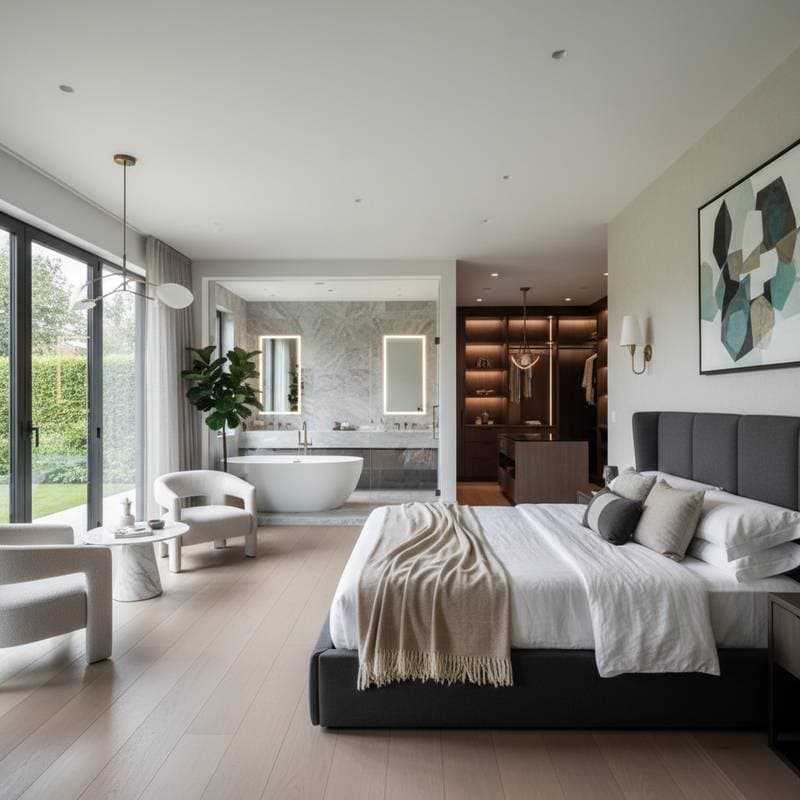
Transforming an ordinary bedroom into a luxury primary suite stands out as one of the most effective home upgrades. This renovation creates additional usable space, enhances privacy, and elevates overall comfort, features that appeal strongly to potential buyers. Homeowners who intend to remain in their property long-term benefit from improved quality of life, while those preparing to sell enjoy increased listing prices and reduced time on the market.
Such a project proves ideal for homes with outdated designs, insufficient closet space, or inefficient bathroom configurations. Consider this upgrade if resale looms in the near future or if aging in place becomes a priority. The result integrates seamlessly into various home styles, from mid-century modern to contemporary layouts.
Benefits and Drawbacks
Key Benefits
- Increases resale value by attracting a wider pool of discerning buyers who prioritize personal sanctuaries.
- Provides enhanced privacy, ideal for primary residents or overnight guests seeking seclusion.
- Boosts daily comfort through integration of advanced systems, such as heated floors and smart lighting.
- Minimizes clutter with custom built-in storage solutions, including walk-in closets and vanities.
- Establishes a dedicated retreat, distinct from communal areas, fostering relaxation and rejuvenation.
Potential Drawbacks
- Involves significant initial expenses and an extended construction timeline, often spanning several months.
- Necessitates obtaining permits and possibly undertaking structural modifications.
- Might encroach on adjacent spaces if working within the current home footprint.
- Delivers variable returns in neighborhoods where luxury features exceed typical property standards.
Professional Installation Over DIY
Constructing a luxury primary suite demands professional expertise and qualifies as a complex endeavor unsuitable for do-it-yourself efforts. The process encompasses framing new walls, installing electrical systems, rerouting plumbing, adding insulation, and applying high-end finish carpentry. Timelines typically range from six to twelve weeks, influenced by the project's scale and unforeseen challenges.
Essential Tools and Expertise
Professionals rely on specialized equipment, including circular saws, cordless drills, laser levels, and precision measuring tapes. They possess in-depth knowledge of identifying load-bearing walls, adhering to building codes, and implementing moisture barriers alongside proper venting to prevent issues like mold growth.
Reasons to Engage Experts
Licensed contractors manage all structural, electrical, and mechanical components to ensure compliance and safety. They coordinate permits, conduct necessary inspections, and align designs with architectural goals, all of which safeguard long-term resale potential. Attempting DIY work risks voiding manufacturer warranties and exposing the home to code violations or hazards.
Upkeep and Durability
High-quality finishes in a luxury suite endure for 15 to 25 years with proper maintenance, though periodic refreshes extend their appeal. Establish a straightforward routine to preserve the investment:
- Clean and reseal grout lines in tiled areas annually to prevent water damage.
- Examine caulking around fixtures and trim biannually for cracks or wear.
- Refresh wall paint every five to seven years to maintain a crisp appearance.
- Update flooring or fixtures promptly as signs of wear emerge.
- Service HVAC filters and vents every three months to optimize air quality.
Opt for durable materials such as natural stone countertops, solid hardwood cabinetry, and high-grade porcelain tiles to prolong lifespan. Retain all warranty documents from suppliers, as these prove valuable during resale discussions.
Regional Considerations
Climate Influences
In colder climates, incorporate insulation with R-values exceeding 30 and energy-efficient double- or triple-pane windows to combat heat loss. Coastal regions benefit from fixtures coated in corrosion-resistant materials, like brushed stainless steel, to withstand salt air exposure.
Building Codes and Permissions
Local regulations often mandate separate egress windows for safety and fire-rated walls separating the suite from other areas. Consult municipal zoning offices early to verify allowances for expansions or reconfiguration.
Cost Variations by Location
Labor rates in urban or coastal markets exceed rural benchmarks by 15 to 25 percent, reflecting higher demand and logistics. Factor in elevated material shipping costs and permit fees, which can add thousands to the total.
Enduring Design Preferences
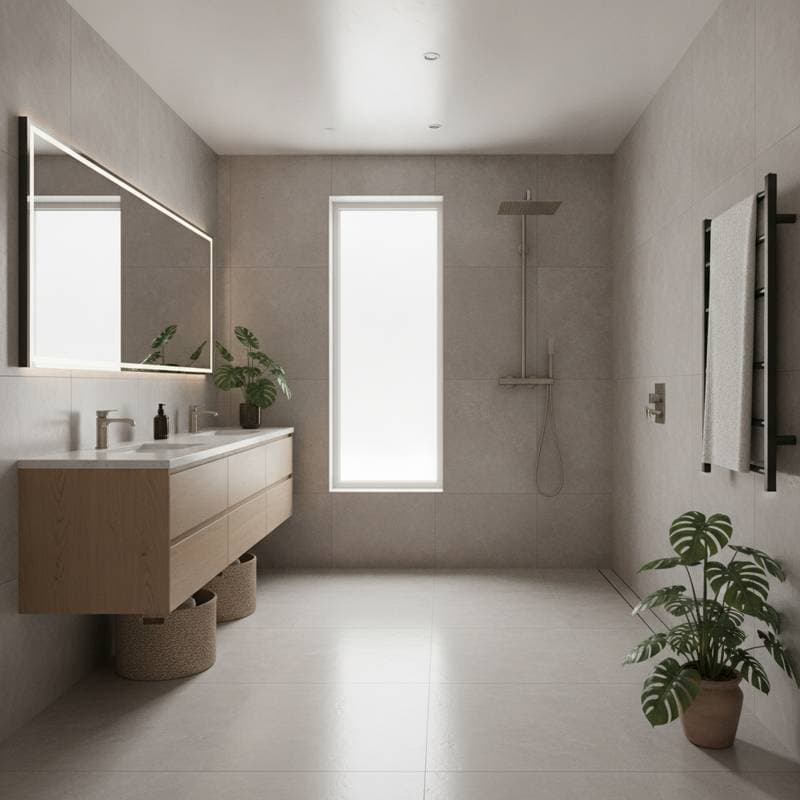
Timeless elements like open-concept floor plans, dual vanities with ample counter space, and spa-inspired showers with rainfall heads maintain broad regional popularity. Incorporate neutral palettes and natural light to enhance versatility.
Calculating Returns and Resale Impact
A thoughtfully executed primary suite renovation recoups 55 to 70 percent of its cost upon resale, particularly in vibrant markets where properties move quickly. Prospective buyers interpret a sophisticated, private suite as an indicator of the home's superior upkeep and potential.
To optimize ROI, align upgrades with the property's existing value tier; excessive spending beyond neighborhood norms dilutes returns. Aim to limit the suite's total cost to no more than 15 percent of the home's appraised value for balanced investment.
Essential Safety Measures
Prioritize safety throughout the renovation process:
- Disconnect electrical circuits and water supplies prior to any demolition activities.
- Employ certified specialists for all wiring, gas line adjustments, or load-altering structural tasks.
- Validate that modified framing complies with local engineering standards.
- Ensure adequate ventilation during application of adhesives, paints, and other finishes to avoid fume buildup.
- Test and install smoke alarms and carbon monoxide detectors immediately after project completion.
Steps to Launch Your Renovation
A luxury primary suite renovation merges enhanced living with tangible financial gains when approached methodically. Begin by establishing a realistic budget that accounts for materials, labor, and contingencies, then analyze recent sales of similar homes in your vicinity to gauge feasible scope.
The recommended action involves soliciting three comprehensive proposals from vetted, licensed contractors. Evaluate each for proposed layouts, material specifications, and projected timelines to select the optimal partner.
Ultimately, this upgrade elevates a basic bedroom into a sophisticated haven that delivers enduring privacy, aesthetic refinement, and robust market performance, securing both immediate enjoyment and future equity.