How Hidden Basement Bars Can Increase Your Home Value by 11 Percent
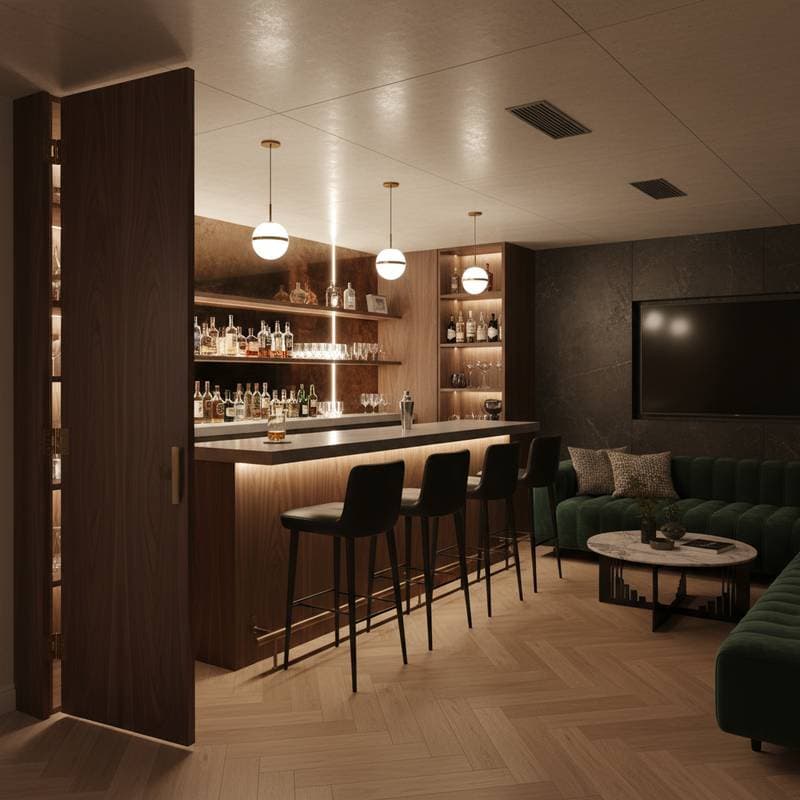
A hidden basement bar serves as a discreet entertainment area constructed below the main living level, often featuring a subtle entrance like a bookshelf door or paneled wall. Homeowners who host gatherings appreciate this setup because it preserves the upstairs areas from spills, music, and foot traffic. Beyond practical benefits, such renovations introduce an element of intrigue and sophistication. Appraisers frequently note that a thoughtfully finished basement with an integrated bar can enhance a property's market value by approximately 11 percent, depending on the quality of execution and local real estate trends.
Advantages and Drawbacks
Advantages
- Enhances resale value through heightened buyer interest in premium features
- Creates a dedicated zone for socializing without disrupting daily household routines
- Isolates noise and activity to the lower level, maintaining upstairs tranquility
- Increases functional living space, effectively expanding the home's usable area
- Allows personalization to complement the overall aesthetic of the residence
Drawbacks
- Demands rigorous moisture prevention measures to avoid long-term damage
- Often involves expenses for plumbing installations and electrical upgrades
- Might encroach on existing storage areas in the basement
- Requires obtaining permits for any modifications to utilities
- Lacks natural daylight, necessitating creative lighting solutions
DIY Approach Versus Professional Installation
While a hidden basement bar might appear straightforward, it typically requires skills in plumbing, electrical work, and precise carpentry. For a basic dry bar setup with shelving and cabinetry, homeowners can tackle the project themselves using tools such as a miter saw for clean cuts, a drill for secure fastenings, a level for alignment, and a nail gun for efficiency. Plan for 20 to 40 hours of labor, spreading the work over weekends to manage fatigue and ensure accuracy.
Consider hiring a professional for more complex elements, including the addition of a sink or drainage system, rerouting electrical circuits, constructing a concealed entrance like a pivoting door, or handling custom millwork. Professionals also navigate permitting processes and inspections seamlessly. Engaging a licensed contractor guarantees adherence to building codes and structural integrity, which in turn safeguards the investment and supports higher resale figures.
Essential Steps for Installation
- Conduct a thorough inspection of the basement for signs of water intrusion or humidity problems, addressing any issues with sealing or drainage improvements prior to proceeding.
- Develop a detailed layout that considers the bar's dimensions, placement of seating, and the path for discreet access from the upper levels.
- Outline the routes for plumbing lines and electrical conduits to minimize disruptions and ensure efficient utility integration.
- Construct the framework for walls, countertops, and seating foundations using pressure-treated lumber suitable for below-grade environments.
- Integrate rough plumbing and electrical components if incorporating a wet bar or ambient lighting fixtures.
- Apply moisture-resistant drywall and select durable, slip-resistant flooring materials designed for basement conditions.
- Secure cabinets, install a sturdy bar top such as quartz or reclaimed wood, and position shelving for optimal storage.
- Incorporate the hidden access feature, such as a flush-mounted panel or automated sliding door, for seamless concealment.
- Complete the project with neutral paint applications, strategic lighting placements like under-cabinet LEDs, and a final cleanup to prepare for use.
Ongoing Care and Durability
Perform monthly cleaning on counter surfaces, sinks, and any integrated appliances using mild, non-abrasive cleaners to prevent buildup. Conduct quarterly assessments for moisture accumulation or condensation, particularly after heavy rain periods. In regions with high humidity, operate a dehumidifier continuously to maintain optimal conditions. Durable materials like solid wood or natural stone countertops endure for decades when sealed annually or biennially. Cabinetry from reputable manufacturers typically includes warranties spanning 10 to 15 years; retain all documentation and receipts to demonstrate quality to potential buyers.
Comparable Renovation Options
Game Room
This alternative features comfortable seating and multimedia setups with minimal utility needs, resulting in lower upfront costs. It appeals to families but may not generate the same resale premium as a bar due to its more utilitarian focus.
Home Theater
Expect higher expenses for audiovisual equipment and acoustic treatments, yet it attracts entertainment enthusiasts. The value addition mirrors that of a bar for buyers seeking immersive leisure spaces.
Wine Cellar
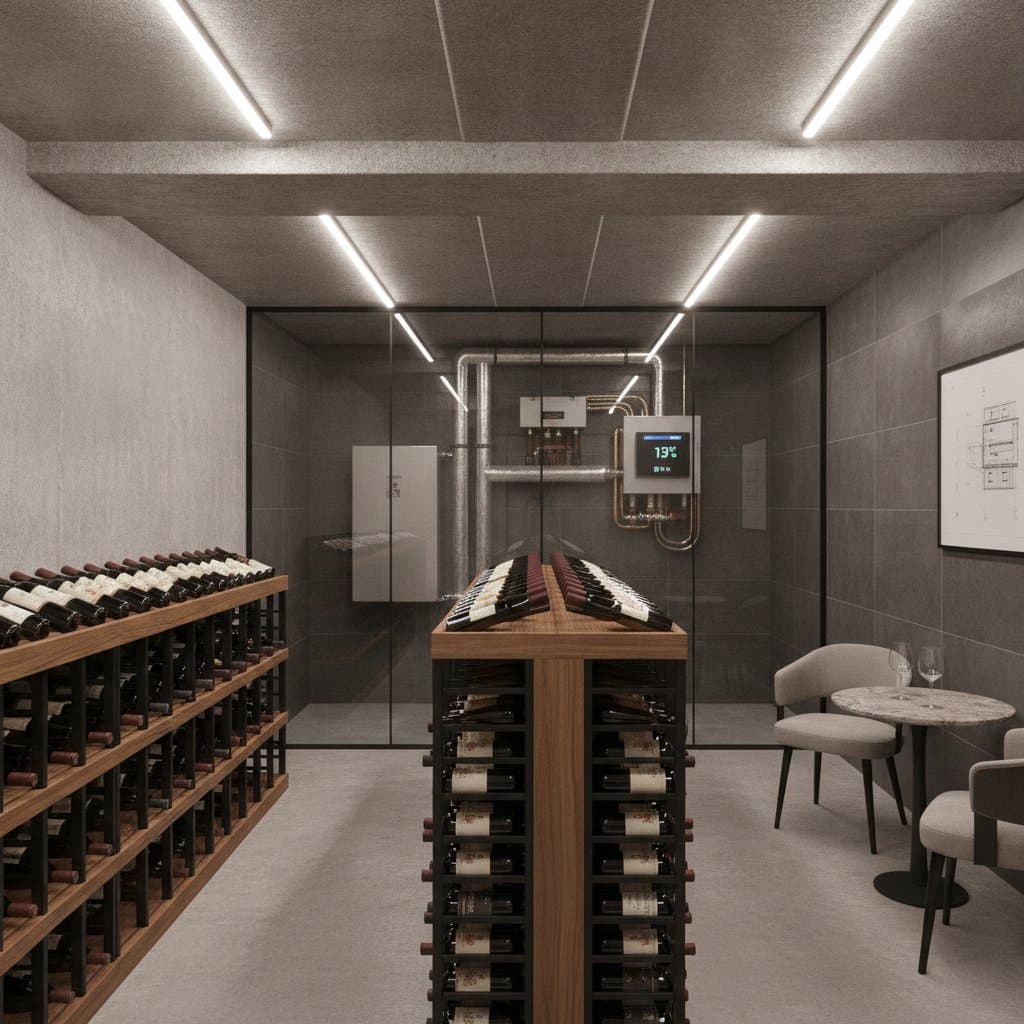
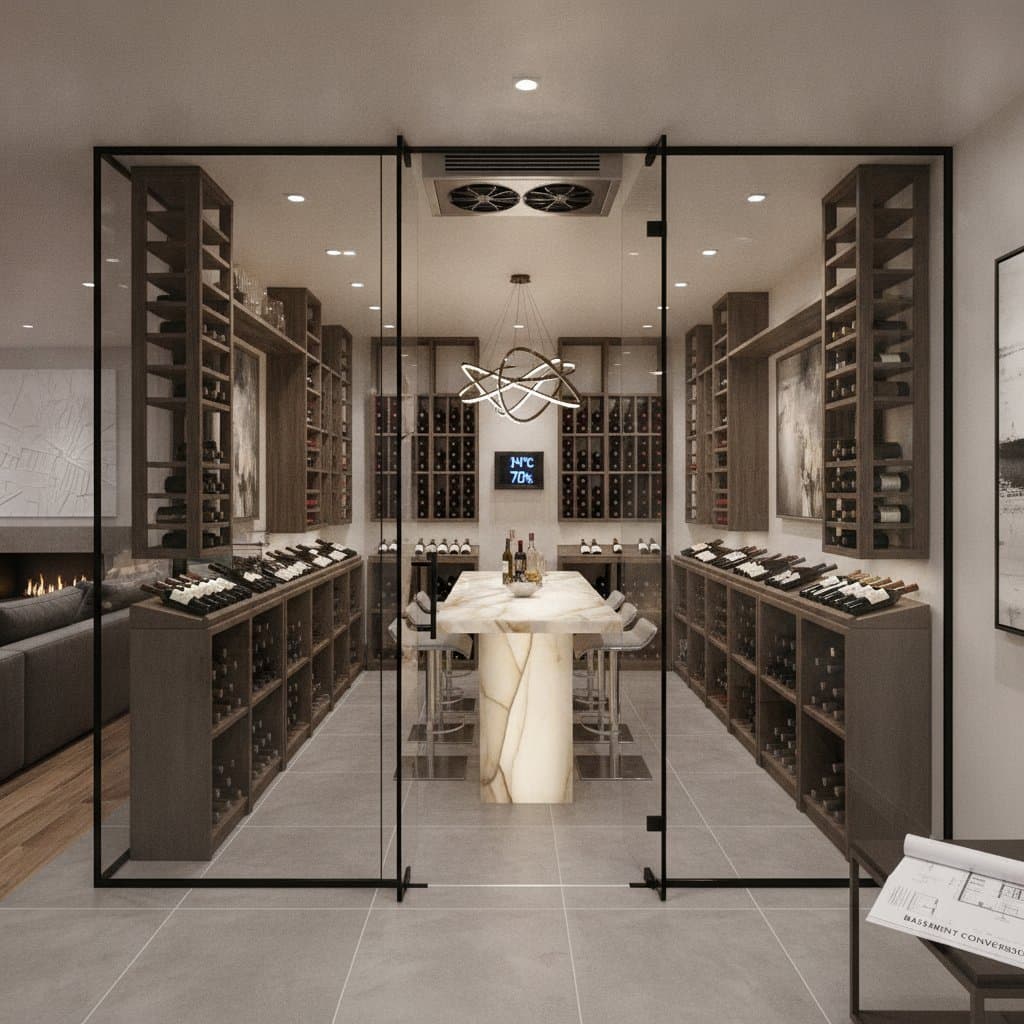
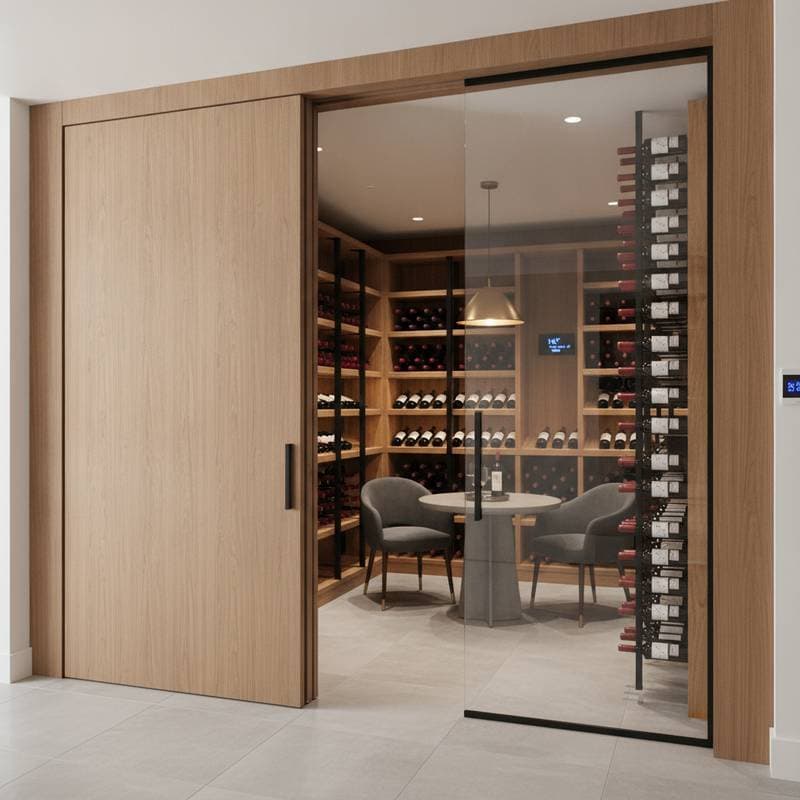
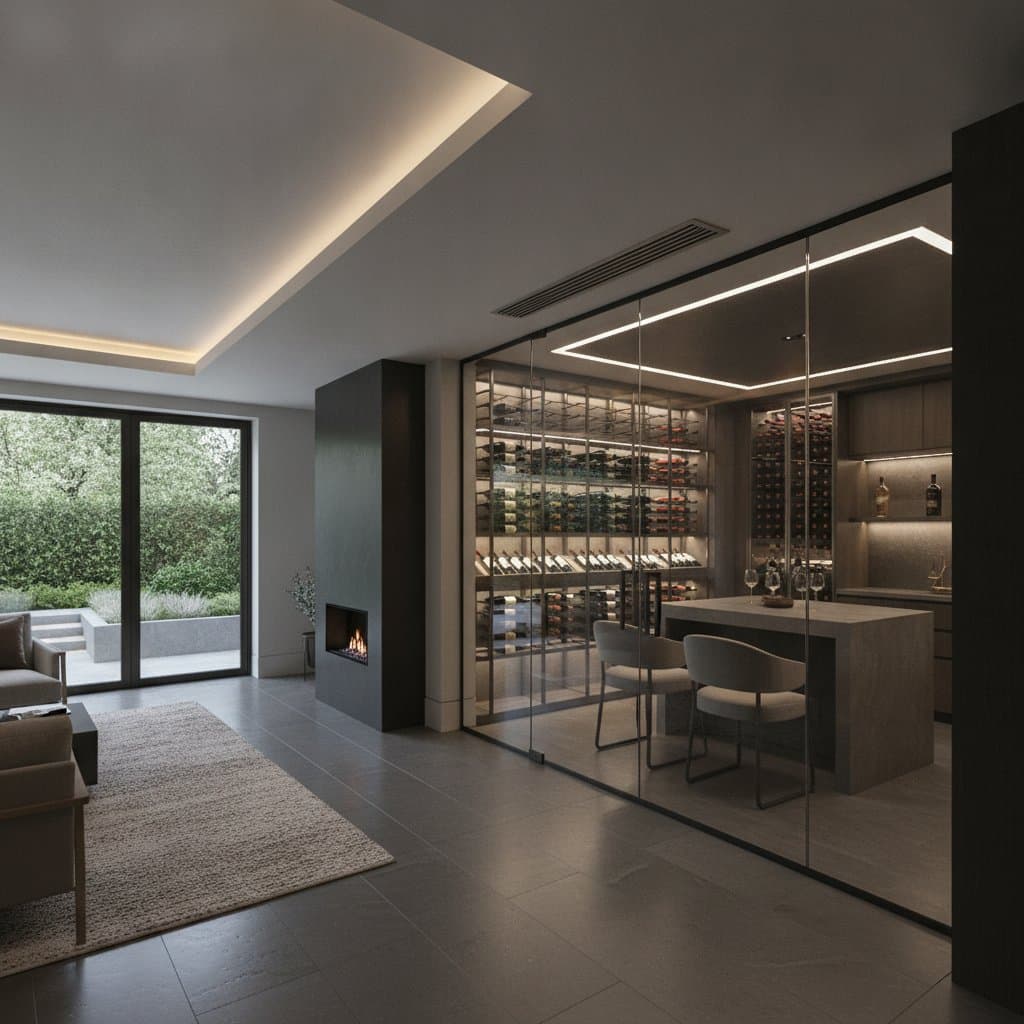
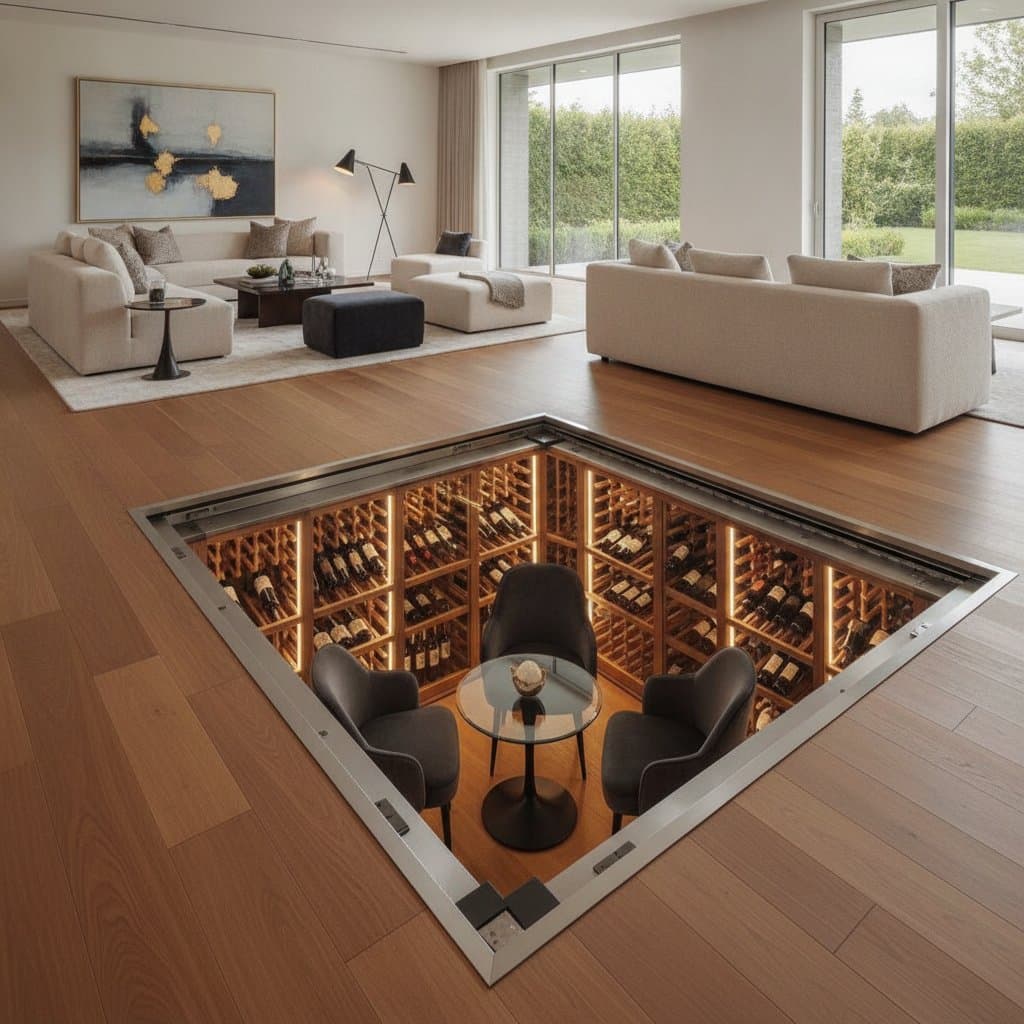
Oriented toward storage with climate control systems, this choice excels in luxury markets where collectors reside. It offers strong returns but lacks the social versatility of a bar.
Workout Room
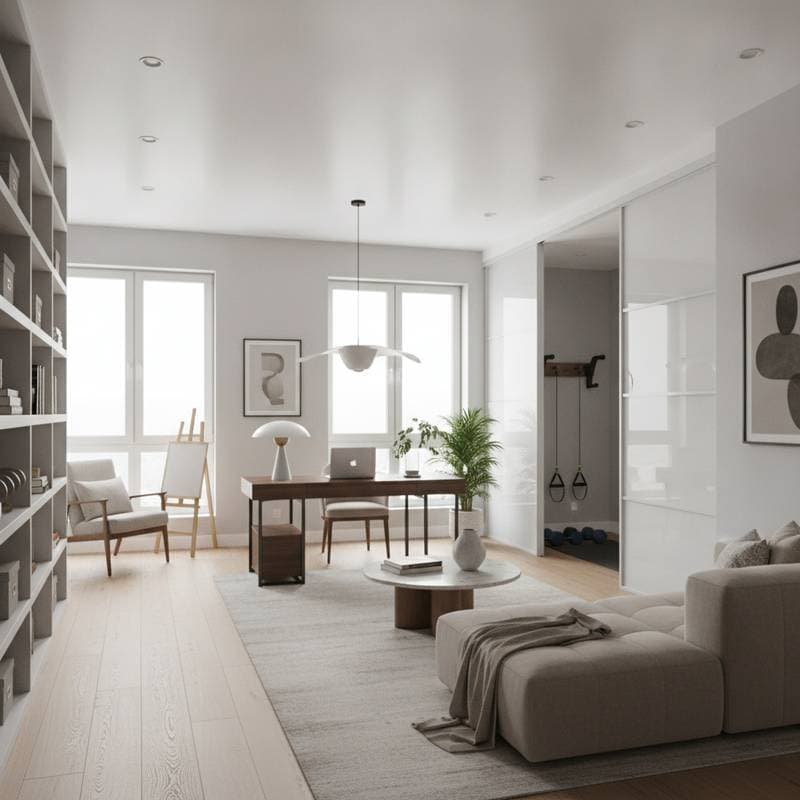
Prioritizing fitness equipment and ventilation, this option provides practical utility. However, it often yields less emotional pull compared to the convivial atmosphere of a basement bar.
Regional Considerations
In colder climates, incorporate robust insulation and vapor barriers to combat condensation and preserve warmth. Coastal properties benefit from stainless steel or galvanized fixtures to resist saltwater corrosion. Urban areas with elevated labor costs may see project budgets inflate by 20 to 30 percent. Municipal regulations vary; for instance, many locales mandate permits for even minor plumbing or electrical alterations in basements. Consult your local building authority early to avoid delays or fines.
Return on Investment and Market Impact
Investments in a finely crafted hidden basement bar typically recoup 70 to 85 percent of costs through enhanced property appeal. The 11 percent uplift in overall home value stems from the perception of upscale amenities, expanded livable space, and memorable buyer tours. Real estate professionals observe that distinctive features like these linger in prospects' minds, differentiating the home in competitive markets. Such additions underscore meticulous planning and high-caliber workmanship, fostering buyer confidence.
Key Safety Measures
Install ground-fault circuit interrupter outlets adjacent to any water sources to prevent electrical hazards. Verify the structural capacity of floors and walls before positioning heavy countertops or equipment. Avoid connecting new wiring to outdated systems without a professional evaluation to mitigate fire risks. Place smoke alarms and carbon monoxide detectors in proximity to the bar area for comprehensive protection. If storing alcohol, utilize locked cabinets to ensure child safety.
FAQ
What is the average cost to build a hidden basement bar?
Costs range from $8,000 for a simple dry bar to $22,000 for a fully equipped wet bar with custom features. Factors influencing price include materials, utility integrations, and labor rates in your area.
How does a basement bar affect home insurance?
Most policies cover finished basements, but additions like bars may require riders for liquor liability or increased valuables. Notify your insurer to adjust coverage accordingly.
Can I add smart features to a hidden basement bar?
Yes, integrate voice-activated lighting, temperature controls, or security cameras for convenience. Ensure all smart devices comply with local electrical codes.
Is a hidden basement bar suitable for small homes?
Absolutely, if space allows for at least 100 square feet. Compact designs with multifunctional furniture maximize utility without overwhelming the layout.
How long does installation typically take?
DIY projects span 2 to 4 weeks part-time, while professionals complete work in 1 to 3 weeks, depending on scope and permitting timelines.
Realizing the Value of Your Basement Bar
To maximize the potential of a hidden basement bar, prioritize moisture barriers, ambient lighting schemes, and compliant electrical setups from the outset. Reflect on your usage frequency and desired amenities, such as integrated refrigeration or thematic decor, to guide decisions. Solicit estimates from at least three vetted contractors, evaluating their portfolios for similar projects alongside pricing and schedules. The result is a versatile retreat that elevates daily life, impresses visitors, and delivers substantial financial returns upon selling.