The Rising Appeal of EV-Ready Homes
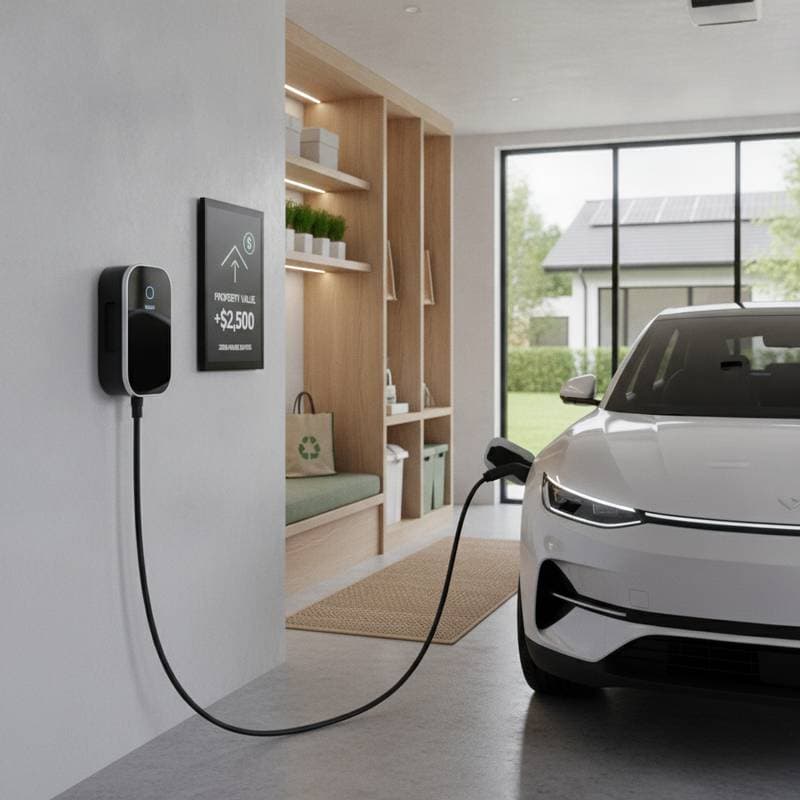
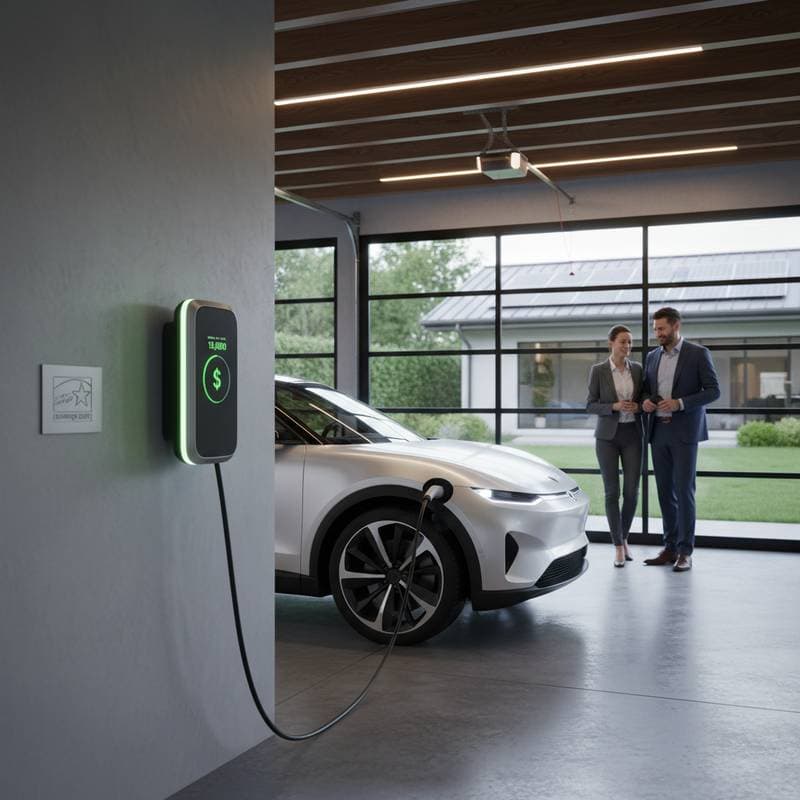
Electric vehicles represent a transformative shift in transportation, and homeowners who prepare their properties for this change gain a competitive edge. Installing a dedicated EV charger not only supports sustainable living but also directly enhances market value. Real estate experts observe that properties equipped with charging infrastructure command premiums, often reaching $15,000 or more, as buyers prioritize homes aligned with their eco-friendly lifestyles.
This value addition stems from multiple factors, including reduced buyer retrofit costs and the perception of a forward-looking property. As EV adoption accelerates, with millions of units on roads worldwide, the demand for ready-to-charge homes intensifies. Homeowners who act now position themselves ahead of market trends, ensuring long-term financial benefits.
How EV Chargers Enhance Property Value
The financial uplift from an EV charger installation arises from its role as a desirable amenity. Appraisers increasingly factor in such upgrades when assessing worth, viewing them as essential modern features akin to high-speed internet or smart thermostats. Studies from real estate associations indicate that EV-equipped homes sell faster and at higher prices, with premiums averaging 3 to 5 percent of total value in urban markets.
Buyers, particularly younger demographics, seek properties that minimize post-purchase modifications. A pre-installed charger eliminates the need for expensive electrical work, which can cost thousands. This convenience translates to broader appeal, attracting tech-savvy professionals and environmentally aware families who value seamless integration of green technology.
Moreover, the charger signals a commitment to sustainability, resonating with buyers influenced by corporate ESG goals or personal carbon reduction aims. In regions with strong EV incentives, such as California, this feature becomes a key selling point, directly correlating with elevated offers.
Understanding Installation Costs and Options
Installing a home EV charger involves upfront investment, but the expenses vary based on property specifics and charger type. Level 1 chargers, which use standard 120-volt outlets, require minimal modifications and cost between $500 and $1,500, including basic wiring. These suffice for overnight charging but deliver slower speeds.
Level 2 chargers, the most popular choice, operate on 240-volt circuits and provide faster charging times, ideal for daily use. Professional installation for these units typically ranges from $750 to $2,000, encompassing permits, electrical panel upgrades if necessary, and labor. Homeowners with existing garages often find costs on the lower end, while older homes may need additional panel capacity, pushing totals toward $3,000.
Factors influencing price include location, with urban installations facing higher labor rates, and charger brand, where premium models offer smart features like app integration. Federal tax credits, up to 30 percent of costs, further reduce net expenses, making the upgrade accessible. Consulting a licensed electrician ensures compliance with local codes and optimal placement.
Calculating Return on Investment
The ROI for an EV charger installation proves compelling when viewed over time. Beyond the immediate $15,000 value boost, owners enjoy energy savings that offset costs quickly. Home charging remains far cheaper than public stations, with electricity rates yielding savings of $500 to $1,000 annually compared to gasoline equivalents.
Resale benefits amplify this return. In a market where EV ownership grows by 40 percent yearly, equipped homes appeal to 70 percent of prospective buyers surveyed by industry reports. This translates to reduced time on market and negotiated sale prices favoring sellers.
To compute personal ROI, consider total installation cost divided by annual savings plus appreciation. For a $2,000 investment, with $800 yearly energy gains and a $15,000 value increase upon sale after five years, the effective return exceeds 200 percent. Such calculations underscore the charger's status as a smart, appreciating asset.
Essential Safety Considerations
Safety forms the cornerstone of any EV charger installation, protecting both property and users. Proper grounding and circuit breakers prevent overloads, while certified equipment meets UL standards to avoid fire risks. Electricians must assess amperage needs, ensuring the system handles 40 to 50 amps without straining the home's electrical infrastructure.
Placement matters greatly; install chargers in well-ventilated areas away from flammable materials, and use weatherproof models for outdoor setups. Regular maintenance, including inspections every two years, detects wear on cables and connections. Homeowners benefit from chargers with built-in surge protection and automatic shutoff features.
Local regulations require permits for installations over 20 amps, ensuring inspections verify code adherence. By prioritizing these measures, owners mitigate liabilities and enhance property insurability, further supporting value growth.
Attracting Eco-Conscious Buyers
In today's real estate environment, sustainability drives purchasing decisions. EV chargers position homes as eco-forward, appealing to millennials and Gen Z buyers who represent over 50 percent of new home searches. These demographics favor properties that align with their values, often willing to pay premiums for green certifications.
Marketing an EV-ready home highlights energy independence and reduced emissions, resonating in listings and open houses. Agents note that such features differentiate listings in crowded markets, leading to multiple offers. As infrastructure expands, with thousands of new public stations annually, home charging becomes a baseline expectation.
This trend extends to rental markets, where landlords install chargers to command higher rents and attract reliable tenants. Overall, the charger serves as a tangible symbol of modernity, broadening the buyer pool and accelerating sales.
Maximizing Benefits Through Strategic Upgrades
To fully leverage an EV charger's potential, integrate it with complementary home improvements. Pairing the installation with solar panels amplifies energy savings and qualifies for additional incentives, creating a self-sustaining ecosystem. Smart home integration allows remote monitoring, adding layers of convenience and security.
Timing the upgrade aligns with market cycles; installing before listing maximizes appeal during peak seasons. Professional staging that showcases the charger in use further captivates viewers. These steps ensure the investment yields optimal returns, transforming a simple addition into a cornerstone of property enhancement.
Homeowners who embrace this upgrade not only future-proof their residences but also contribute to broader environmental goals. The combined financial, practical, and societal advantages make EV chargers an indispensable consideration for discerning property owners.