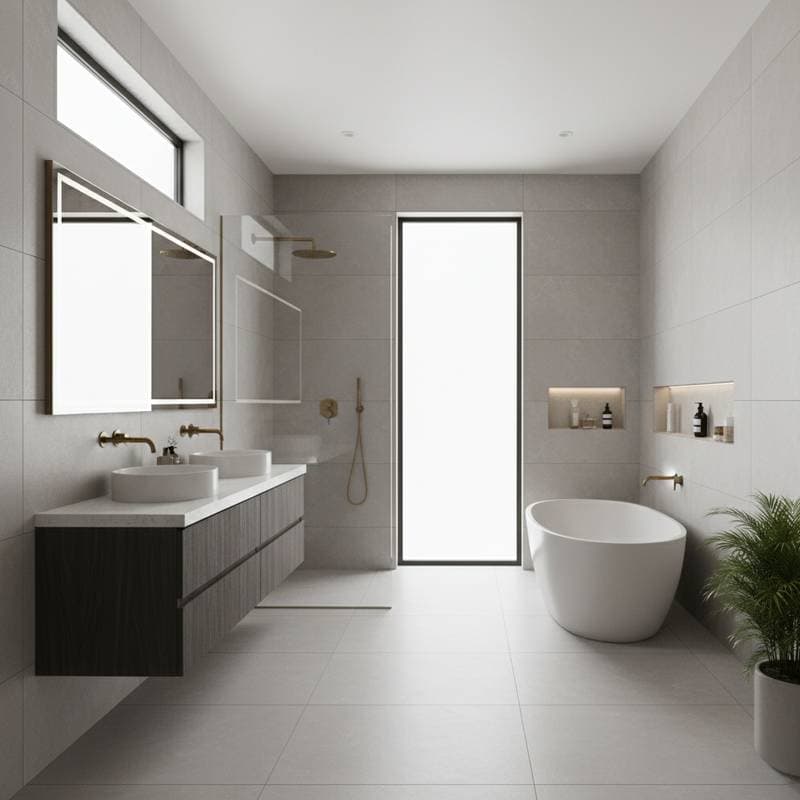
Wet Rooms: Achieving a 15 Percent Return on Investment for Bathrooms by 2026
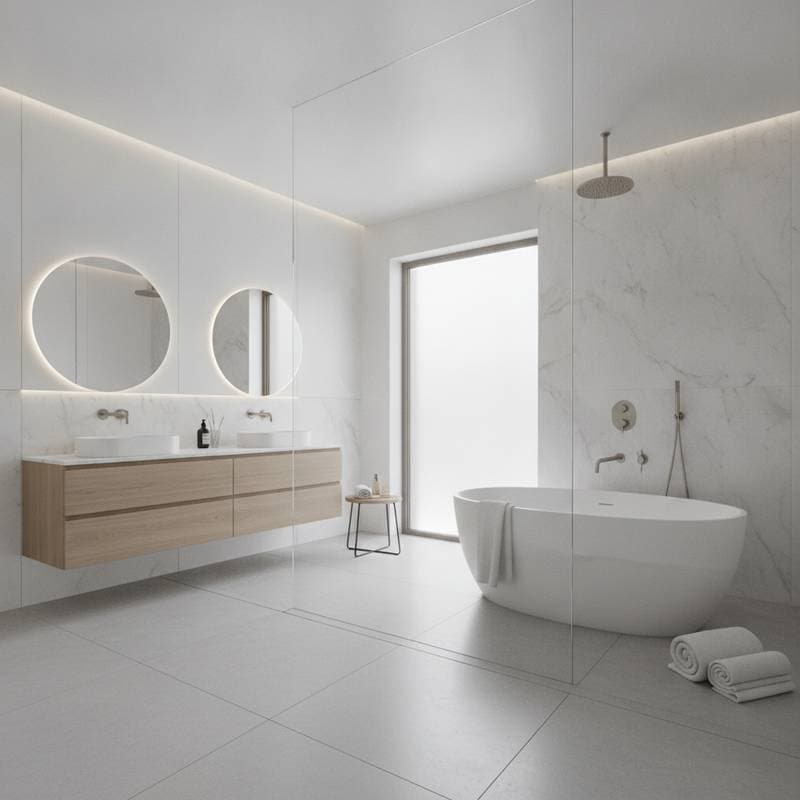
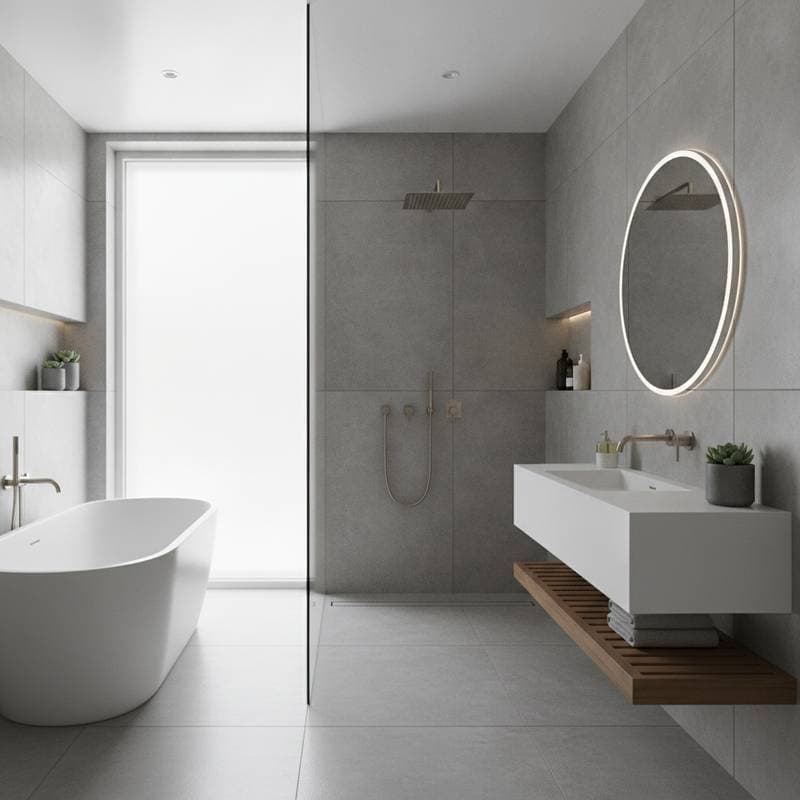
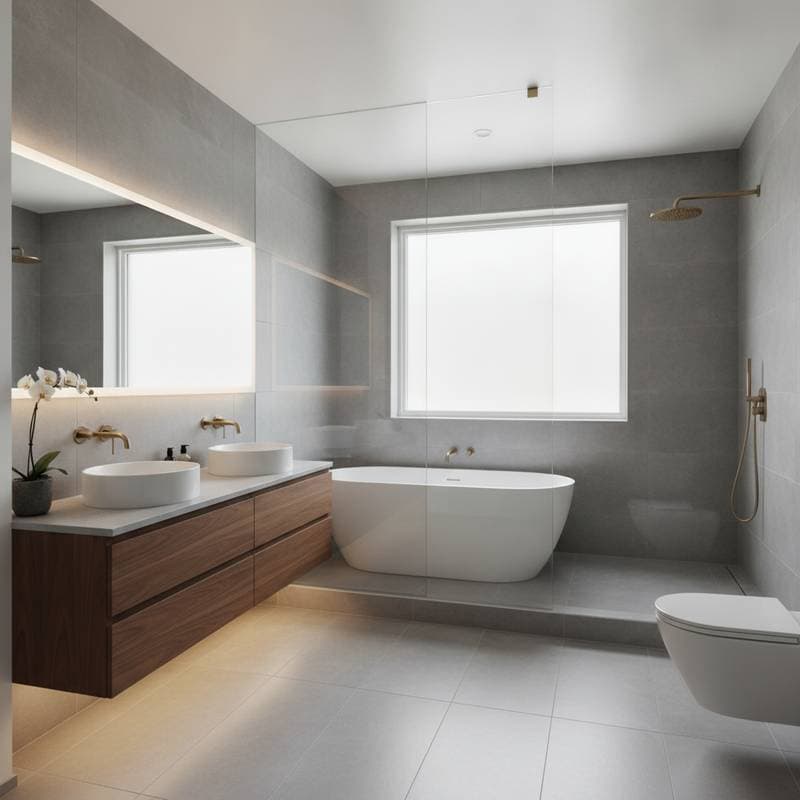
Homeowners seeking to modernize bathrooms often turn to wet rooms for their blend of functionality and appeal. These designs feature open layouts without curbs, comprehensive waterproofing, and seamless integration of shower areas into the overall space. By 2026, experts predict that such upgrades will add approximately 15 percent to the resale value of bathrooms in mid-to-high-end properties, driven by demand for accessible and low-maintenance features.
Wet rooms appeal to a wide audience, including aging-in-place families and buyers prioritizing safety. The absence of barriers reduces slip risks, while the waterproof construction minimizes mold growth. This combination positions wet rooms as a worthwhile investment for both immediate use and future sales.
Key Cost Components
Understanding the breakdown of expenses helps in budgeting effectively. Costs vary based on bathroom size, material quality, and any structural modifications required. Total projects typically range from $9,000 to $22,000 for a standard 50- to 80-square-foot space.
- Waterproofing membrane: Prices fall between $500 and $1,500, influenced by the room's dimensions and the chosen system, such as sheet or liquid-applied options. This essential barrier prevents water infiltration into walls and floors.
- Drainage solutions: Expect $250 to $800 for installing linear or point drains. Linear versions, which run along the wall for even water flow, command higher prices but enable truly level flooring.
- Tiling and grouting materials: Materials cost $4 to $12 per square foot, with labor adding $8 to $20 per square foot. Factors like tile size, pattern intricacy, and surface preparation significantly affect the final amount.
- Enclosure elements: Frameless glass panels range from $600 to $1,200, providing splash containment without obstructing the spacious feel.
- Plumbing adjustments and floor sloping: Relocating pipes or creating a subtle slope for drainage can add $1,000 to $3,000, especially in homes with outdated layouts.
In older properties, allocate an additional 10 to 15 percent of the budget for unforeseen issues, such as subfloor repairs or hidden plumbing problems uncovered during demolition. Consulting a professional early can identify these potential extras and refine cost estimates.
Weighing DIY Options Against Professional Installation
Some aspects of a wet room project suit skilled homeowners, while others demand expert intervention to ensure longevity and compliance. Evaluating these choices prevents costly errors and maintains warranty eligibility.
Tasks Suitable for DIY
- Initial demolition and debris removal, provided safety protocols are followed.
- Surface preparation, such as priming walls, and applying final paint or trim.
- Basic tile laying in non-critical areas, if prior experience exists with leveling and adhesion.
Elements Requiring Professionals
- Precise drain positioning and subfloor modifications to achieve proper water runoff.
- Application and testing of waterproof membranes to meet building codes.
- Integration of electrical features, like underfloor heating or task lighting, to avoid hazards.
Common pitfalls include inadequate floor sloping, which causes water accumulation and grout deterioration over time. Improper membrane sealing risks undetected leaks that damage structures. Moreover, insurers may reject claims for water damage if installations lack professional certification.
Engage a licensed plumber for drainage and a certified tile specialist for waterproofing. Homeowners can reduce expenses by managing demolition and cosmetic finishes independently, but core technical work warrants expert oversight.
Long-Term Maintenance and Warranty Considerations
Proper upkeep extends the durability of wet rooms, often to 20 years or more. Regular attention to seals and surfaces preserves both aesthetics and functionality.
Daily and Periodic Maintenance
- Apply grout sealer every 12 to 18 months to protect against moisture penetration.
- Dry walls and fixtures promptly after use to prevent scale and residue buildup.
- Select gentle, pH-neutral cleaners; abrasive products erode protective layers.
Areas prone to wear include grout adjacent to drains and in corners, where water exposure is highest. Silicone seals around glass and fixtures degrade first under constant humidity. Clogged drain traps from hair and debris can lead to backups if not cleared monthly.
Most waterproofing products include 10-year manufacturer warranties when installed by authorized technicians. Contractor labor guarantees typically span one to three years, covering defects in workmanship. Document all maintenance to support claims and track system performance.
Design Tips for Maximum Appeal
Selecting elements that harmonize with your home's style enhances the wet room's value. Focus on timeless choices that appeal to prospective buyers.
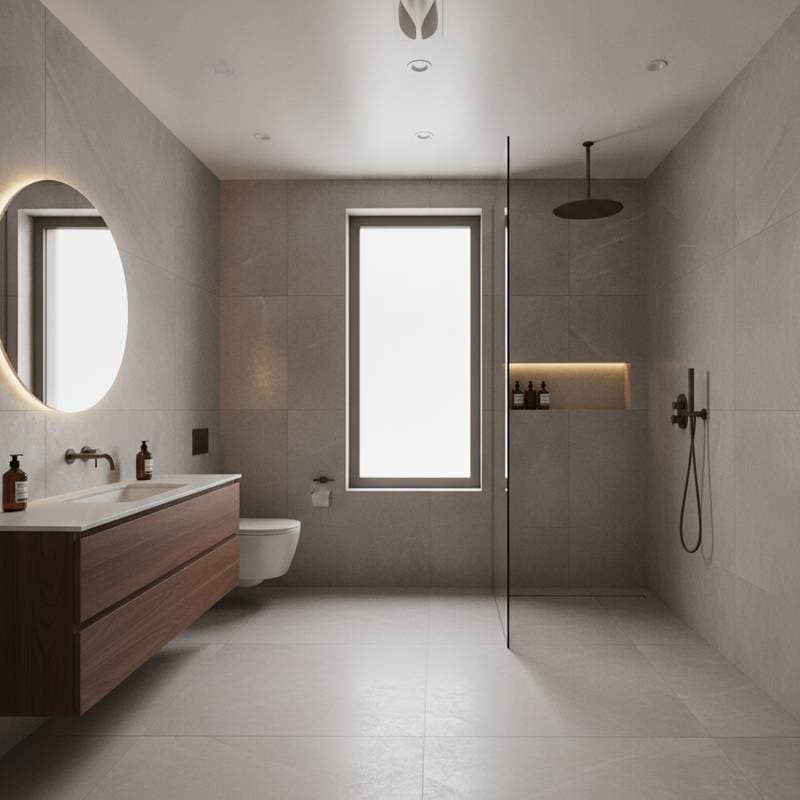
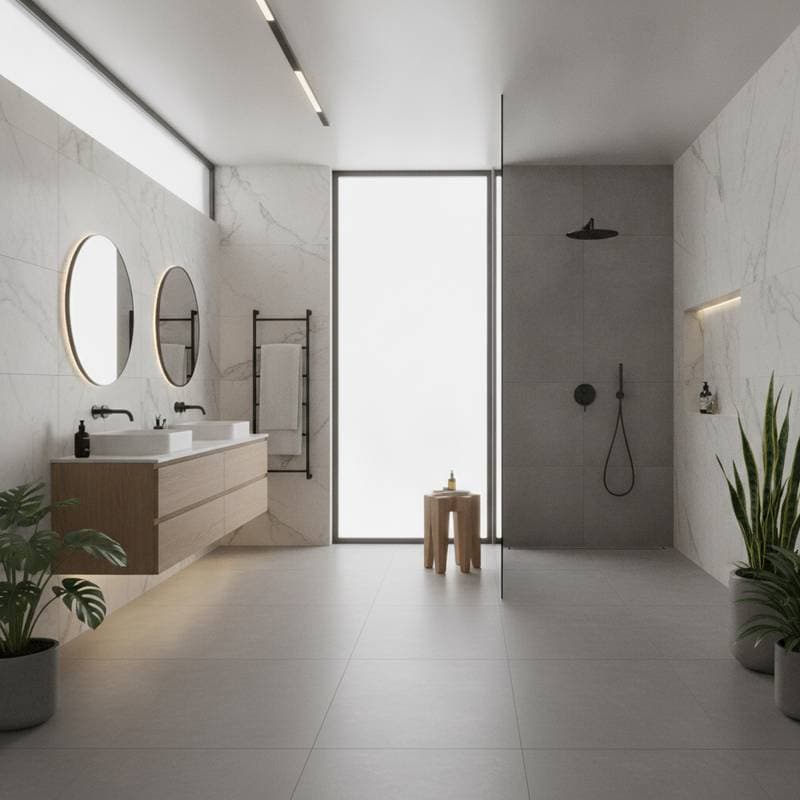
Consider neutral tile palettes, such as soft grays or whites, paired with matte black fixtures for a contemporary edge. Incorporate built-in niches for storage to maintain the clean lines. For accessibility, opt for slip-resistant flooring and adjustable-height fixtures.
Lighting plays a crucial role; recessed LEDs provide even illumination without clutter. Ventilation fans with humidity sensors extract steam efficiently, reducing condensation. These details not only elevate daily use but also signal quality to appraisers and buyers.
Steps to Implement Your Wet Room Project
Transforming a bathroom into a wet room requires methodical planning to achieve seamless results. Follow these steps to navigate the process efficiently.
- Establish a detailed budget, incorporating a 15 percent buffer for contingencies like material price fluctuations or minor repairs.
- Prioritize the waterproofing system selection, ensuring compatibility with chosen tiles, drains, and enclosures.
- Schedule consultations with licensed professionals promptly, as demand for skilled installers can create scheduling delays of several weeks.
- Review local building codes and obtain necessary permits before starting work.
- Oversee the installation phases, confirming each step, from sloping to final sealing, meets specifications.
- Conduct a thorough walkthrough post-completion, testing for leaks and functionality.
Timelines vary from four to eight weeks, depending on project scope and contractor availability. Patience in this phase yields a durable outcome.
Realizing Lasting Benefits from Your Investment
A well-executed wet room transcends trends, offering practical advantages like simplified cleaning and enhanced safety for all ages. It positions your home favorably in competitive markets, where modern bathrooms command premiums.
The projected 15 percent value increase by 2026 reflects growing preferences for inclusive designs. Minimal ongoing maintenance ensures sustained performance, while the open aesthetic creates a sense of luxury. Ultimately, this upgrade delivers both enjoyment now and financial gains later, provided foundational elements like waterproofing receive priority attention.