Introduction to Wet Rooms and Home Value
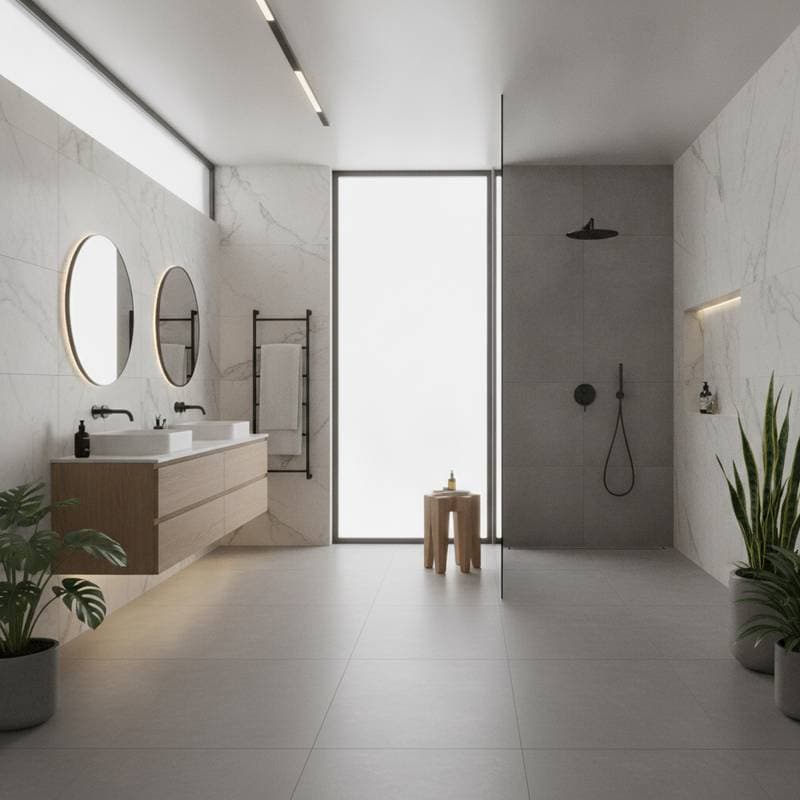
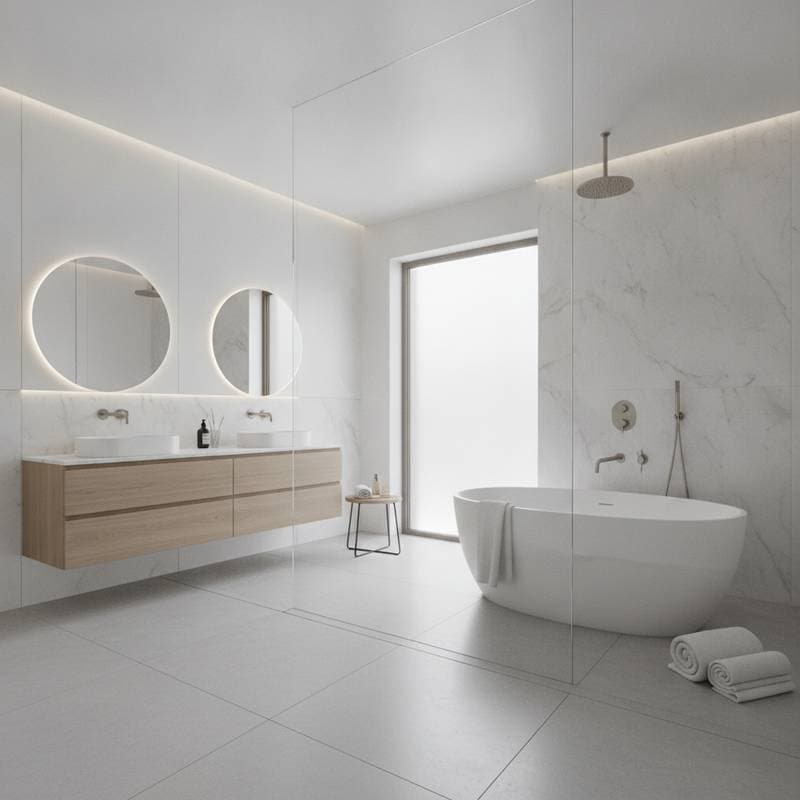
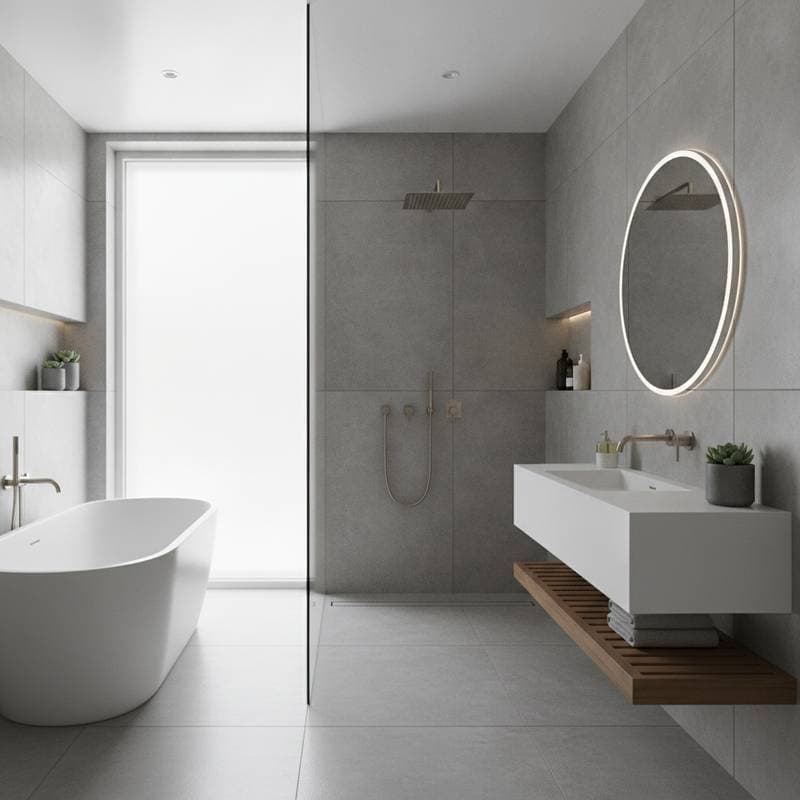
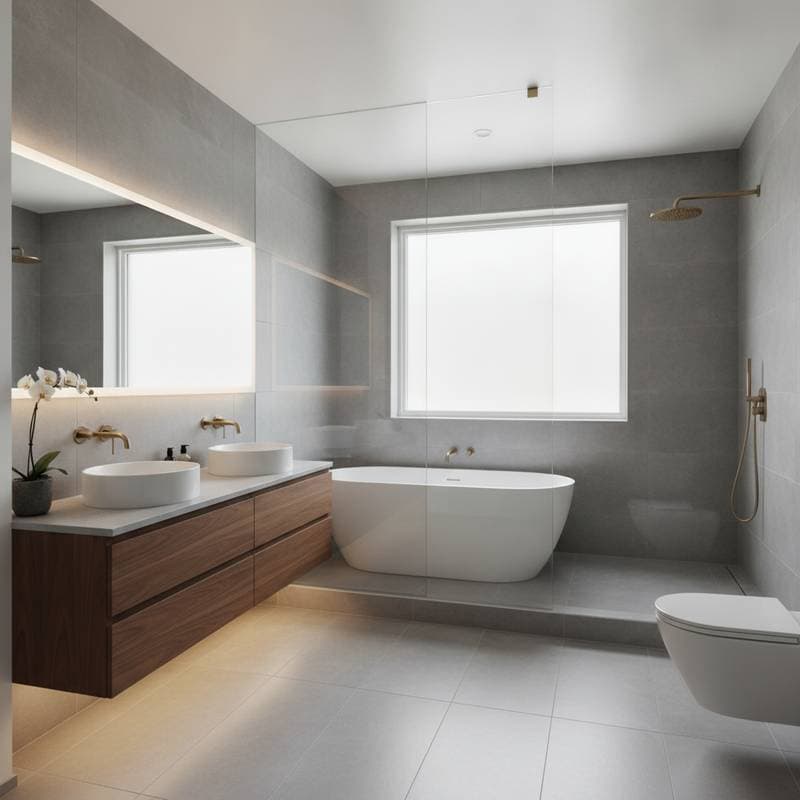
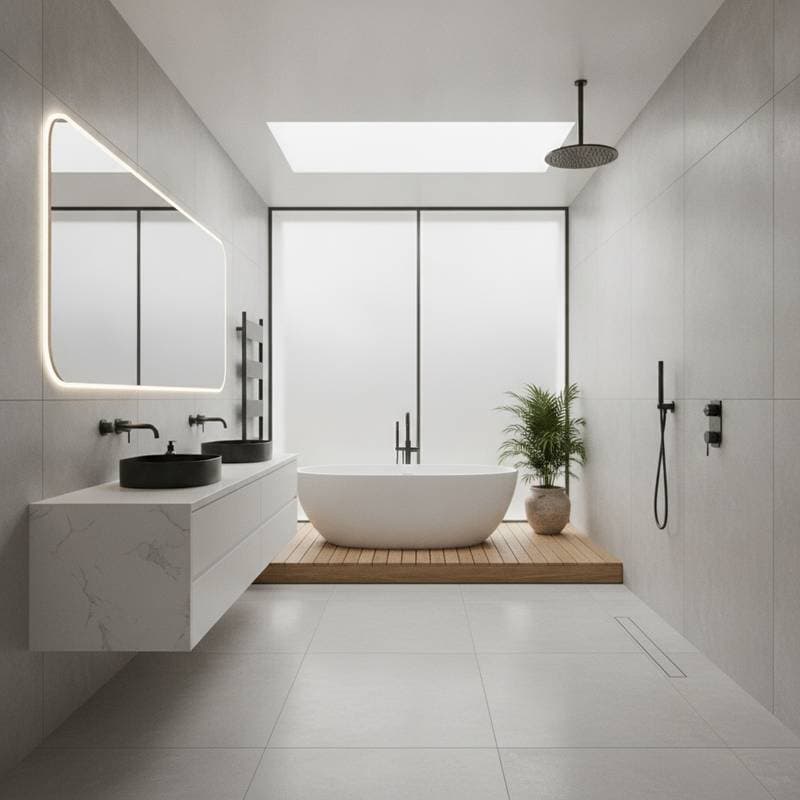
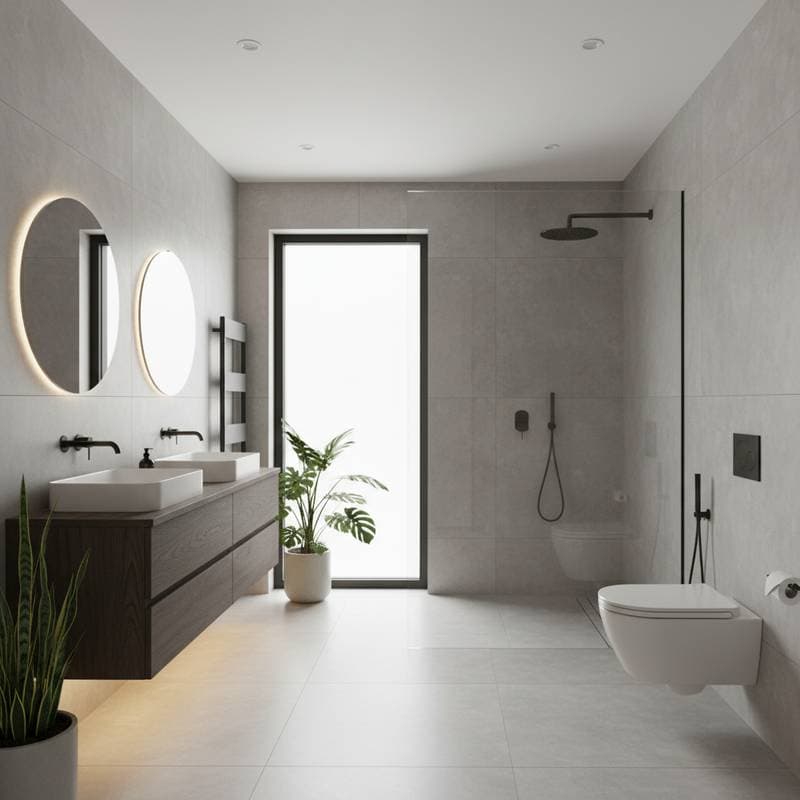
Wet rooms represent a modern approach to bathroom design, featuring fully waterproofed spaces without traditional enclosures. These installations eliminate barriers like shower curbs, creating seamless, accessible environments. Projections indicate that adding a wet room could increase home resale value by 11 percent by 2026, driven by demand for aging-in-place features and contemporary aesthetics.
Homeowners benefit from enhanced functionality and visual appeal, making wet rooms a worthwhile investment. Costs typically range from $9,000 to $18,000, depending on materials and scope. This guide covers essential factors, from budgeting to installation, to help achieve maximum return on investment.
Breaking Down the Costs
Understanding expenses ensures realistic planning. Key components include materials, labor, and ancillary fees. Allocate funds carefully to avoid surprises.
- Finishes and Fixtures: Select porcelain tiles, frameless glass panels, and wall-mounted elements. These choices often double material costs compared to basic options.
- Labor: Expect $60 to $100 per hour for waterproofing and tiling by skilled professionals. A licensed plumber charges $1,000 to $2,000 for rerouting pipes.
- Permits and Inspections: Plumbing modifications require permits in most areas, costing $150 to $300.
- Demolition and Disposal: Hauling away old tubs or showers incurs $300 to $600 in fees.
A properly sealed wet room endures longer than conventional bathrooms. However, inadequate preparation risks leaks and mold growth. Reserve 10 to 15 percent of the budget for unforeseen structural repairs, particularly in older properties.
Prioritizing Safety and Code Compliance
Effective waterproofing and drainage demand adherence to building codes. Errors in these areas may invalidate insurance policies or result in costly structural issues.
Follow these precautions during installation:
- Shut off power and water supplies prior to any demolition or plumbing adjustments.
- Wear protective equipment, including gloves, eye protection, and a respirator, when handling tile cutting.
- Verify permit requirements for plumbing relocations or structural changes.
- Ensure a minimum slope of 1/4 inch per foot toward the drain to avoid water accumulation.
- Install mechanical exhaust systems to control moisture levels.
- Opt for non-slip flooring with an R11 rating or higher to enhance safety.
- Position electrical outlets, lights, and switches in accordance with bathroom safety regulations.
- Engage a licensed waterproofing specialist for certification where mandated by local rules.
Neglecting inspections or relying on unverified waterproofing products invites delayed leaks. Such problems often demand repairs exceeding the initial installation expenses.
Project Timeline and Cost-Saving Strategies
Anticipate 2 to 4 weeks for completion. Common delays arise from material deliveries, curing periods, and inspection appointments.
Standard Installation Phases
- Demolition (2 to 3 days): Clear out existing fixtures and surface materials.
- Subfloor Preparation (3 to 5 days): Strengthen, level the surface, and position the drain.
- Waterproofing Application (2 to 4 days): Spread the membrane and allow complete curing.
- Tiling and Grouting (5 to 7 days): Proceed in stages, permitting drying between applications.
- Fixture Installation and Testing (2 to 3 days): Attach plumbing components and check for leaks.
- Final Inspection (1 day): Verify adherence to code standards.
Strategies to Reduce Expenses
- Retain existing plumbing routes to save up to $1,500.
- Procure tiles in advance to sidestep backorders and expedited shipping charges.
- Integrate related upgrades, such as flooring or heating, during the open phase of the project.
- Inquire about local rebates for energy-efficient features like low-flow fixtures or radiant heating.
- Handle preliminary tasks personally, like drywall removal and fixture extraction, to cut $500 to $800.
Account for extended lead times in high-demand seasons. Secure contractor commitments early by prioritizing waterproofing scheduling.
The Value Proposition of Wet Rooms
Prospective buyers prioritize accessible, low-maintenance designs. Wet rooms fulfill these preferences while evoking a luxurious spa atmosphere. The anticipated 11 percent appreciation stems from improved accessibility and upscale perceptions.
Advantages for Potential Buyers
- Universal Access: Absence of steps or curbs facilitates entry for individuals of varying abilities.
- Optimized Space: The open configuration makes compact bathrooms appear larger.
- Contemporary Style: Continuous tiling and glass elements align with prevailing trends.
- Simplified Maintenance: Reduced seams and barriers minimize cleaning efforts.
- Long-Term Adaptability: Compliance with universal design principles supports lifelong home use.
Considerations and Potential Drawbacks
- Moisture Management: Inadequate ventilation permits humidity to affect adjacent areas.
- Drainage Challenges: Insufficient slope causes water to pool on surfaces.
- Investment Recovery: High-end materials might not yield full returns in modest markets.
- Coverage Restrictions: Certain insurance providers mandate documentation of certified waterproofing for damage claims.
Steps to Implement Your Wet Room Upgrade
For properties slated for sale soon, a mid-tier wet room delivers superior returns among bathroom renovations. First, assess structural suitability for a flush floor design.
Actionable Plan
- Evaluate Subfloor and Plumbing: Address any existing damage or moisture problems upfront.
- Establish Budget Parameters: Choose between entry-level, standard, or luxury specifications.
- Solicit Multiple Estimates: Request details on waterproofing methods, material inclusions, and guarantees from at least three contractors.
- Develop a Schedule: Incorporate extra time for curing, approvals, and material arrivals.
- Document for Marketability: Retain records of permits, waterproofing details, and installation images to reassure future buyers.
Investing in a quality wet room enhances daily living while elevating property worth. This upgrade promotes inclusivity, streamlines routines, and maintains enduring relevance.