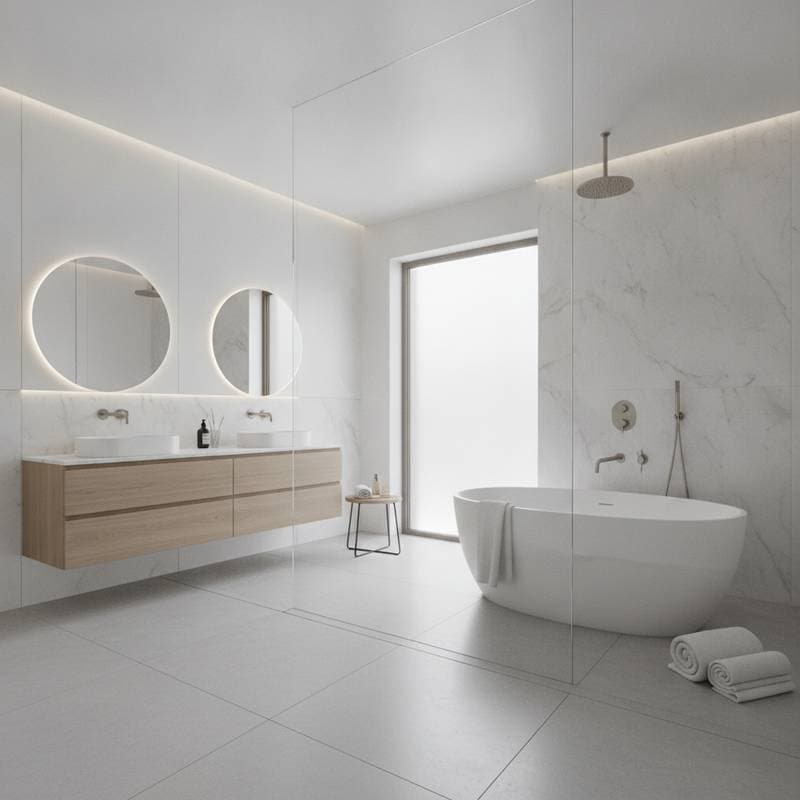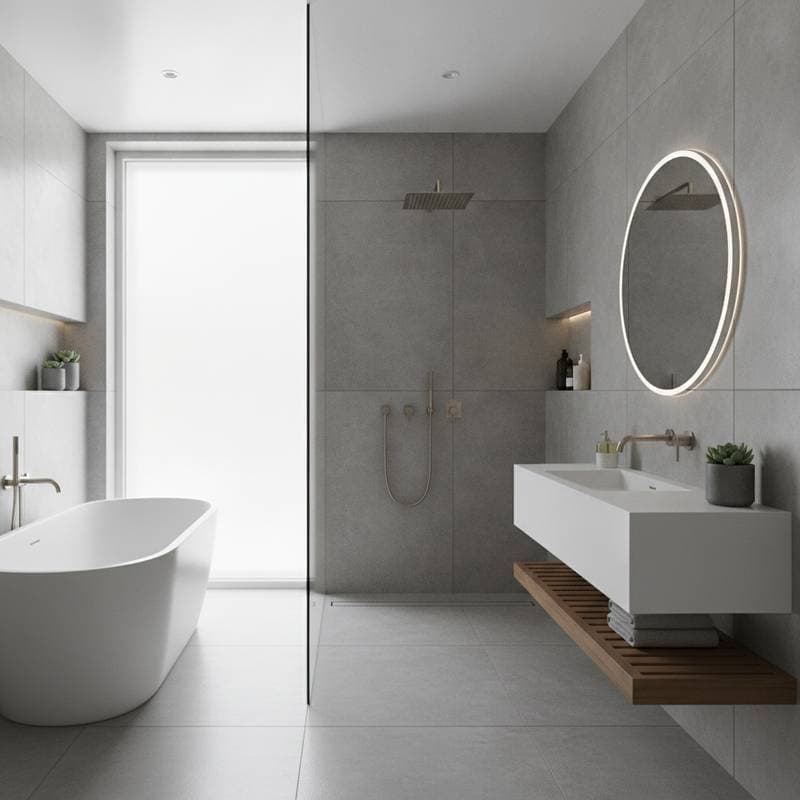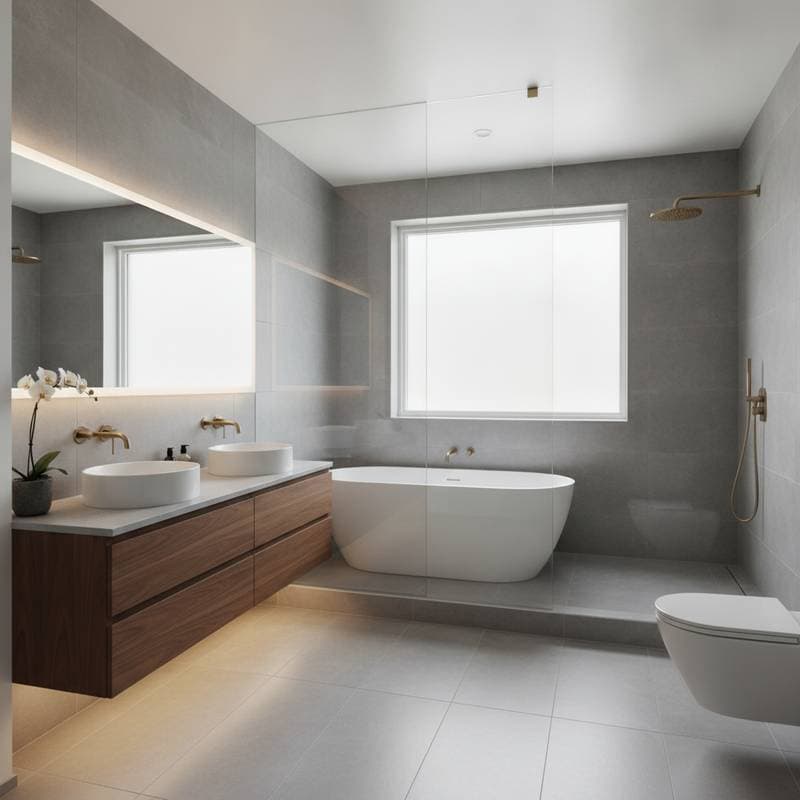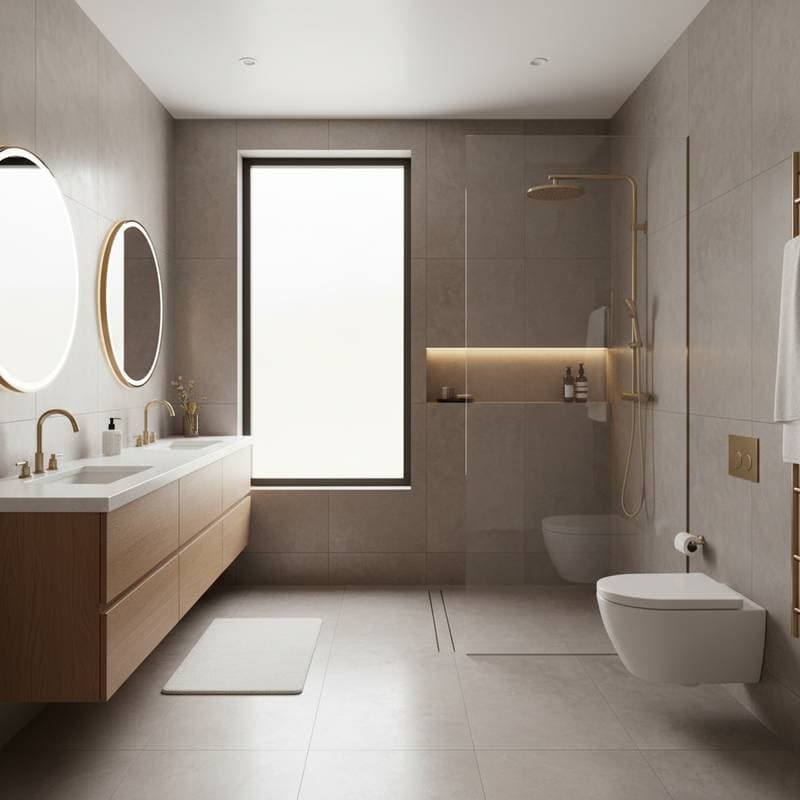
Understanding Wet Rooms and Their Value in 2025
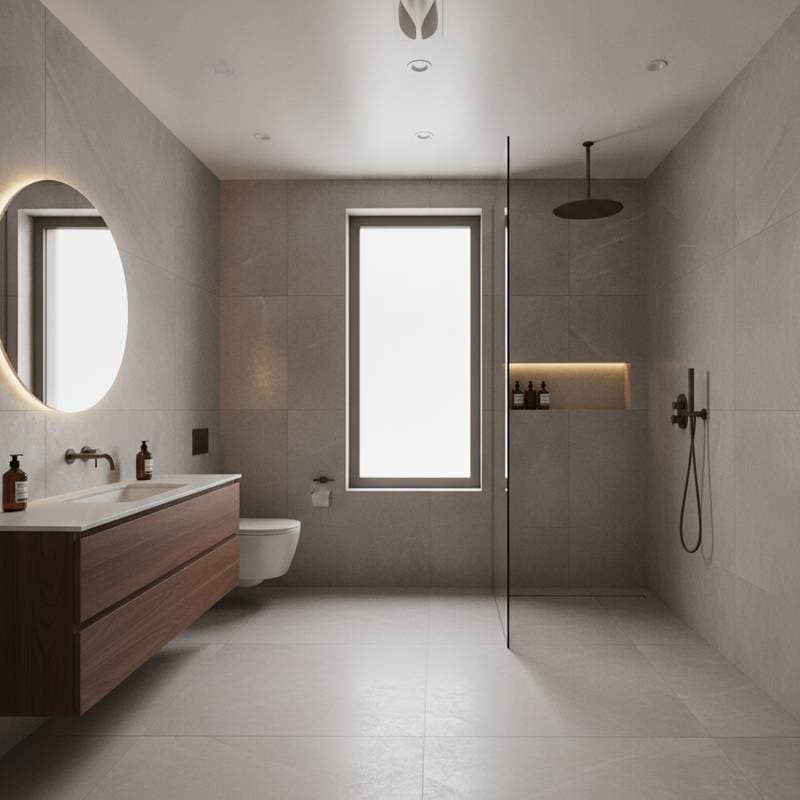
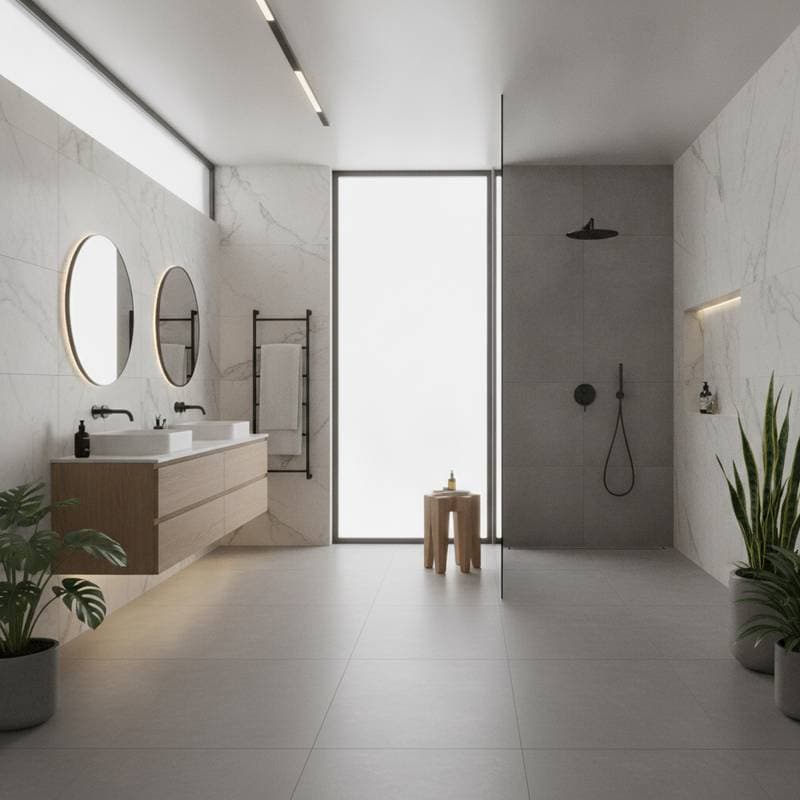
A wet room transforms a traditional bathroom into a seamless, fully waterproof space where the shower area integrates with the rest of the room. Walls and floors receive specialized sealing treatments, and water flows efficiently through a gently sloped surface to a central drain. This design appeals to homeowners seeking contemporary aesthetics and practical accessibility, particularly in regions where modern upgrades command premium prices. In 2025, experts predict that replacing a standard bathtub with a wet room will increase property value by approximately 11%, driven by demand for luxury features and aging-in-place modifications.
Breaking Down the Costs
Nationwide, converting a bathroom to a wet room typically ranges from $8,000 to $18,000, depending on size and materials. For a standard 5-by-8-foot space, expect midrange expenses of $10,000 to $14,000, which include basic waterproofing and tiling. Luxury options, such as imported tiles or frameless glass enclosures, can push costs beyond $20,000.
Several factors influence the final price. Waterproof membranes and precise slope construction form the foundation, often requiring skilled labor. Tile selection affects both aesthetics and budget, while drain placement and any plumbing adjustments add to the total. In high-cost areas, labor rates alone can double the expense compared to rural locations.
Weighing the Advantages and Drawbacks
Wet rooms offer significant benefits for modern living. They enhance resale potential by aligning with buyer preferences for sleek, barrier-free designs. The curbless entry improves accessibility, making the space suitable for all ages and abilities. Cleaning becomes simpler without tub surrounds or shower curtains to trap grime, and the open layout maximizes even limited square footage while evoking a relaxing spa atmosphere.
However, challenges exist that require careful planning. Improper waterproofing risks costly leaks, so professional expertise proves essential. Initial investment exceeds that of a basic shower replacement, and the absence of a tub may lead to a cooler feel during colder months. Increased humidity demands robust ventilation, and some municipalities mandate permits for structural changes.
Exploring Wet Room Variations
Fully Open Design
This configuration eliminates all partitions, ideal for compact bathrooms or those pursuing a minimalist vibe. Success hinges on a flawless drainage slope, typically 1/4 inch per foot, to direct water without pooling.
Glass-Enclosed Option
A single glass panel or low wall contains the shower zone, minimizing water spray into the broader room. This setup balances openness with practicality, especially in homes with adjacent carpeted areas.
Hybrid Tub Integration
For households that value versatility, incorporate a shallow soaking tub within the waterproof zone. This allows dual functionality while maintaining the wet room's fluid layout.
Accessibility-Focused Build
Prioritize wide, unobstructed entries and textured, non-slip flooring to accommodate mobility aids. Grab bars and adjustable showerheads further enhance usability without compromising style.
Deciding Between DIY and Professional Installation
Attempting a wet room conversion as a DIY project carries substantial risks, particularly with waterproofing and slope accuracy. Essential components include a linear drain system, liquid-applied membranes, and tools like wet tile saws and laser levels. Professionals complete the work in three to five days, ensuring compliance with building codes, whereas DIY efforts often extend timelines and invite errors.
Always engage a licensed contractor for tasks involving plumbing rerouting, wall modifications, or permit applications. They handle inspections for moisture barriers and structural integrity, safeguarding against future repairs. Verify credentials through local licensing boards to secure quality workmanship and warranty protections.
Essential Installation Steps
- Demolish the existing tub and surrounding flooring, disposing of debris responsibly.
- Examine the subfloor for rot or weakness, reinforcing as needed with plywood underlayment.
- Reroute plumbing lines to accommodate the new drain position, testing for leaks immediately.
- Coat floors and walls up to three feet high with a durable waterproof membrane, allowing full curing time.
- Create the drainage slope using self-leveling compounds or adjustable screeds.
- Lay tiles starting from the drain outward, cutting pieces precisely for edges and corners.
- Apply grout to all joints, followed by a sealant to fortify against water penetration.
- Mount any glass panels or fixtures, ensuring secure anchoring.
- Run multiple water tests to confirm efficient drainage, then perform a thorough cleanup.
Long-Term Care and Durability
Regular maintenance keeps a wet room performing optimally for decades. Annually inspect grout lines and seals for cracks, reapplying silicone where wear appears. Clear drains monthly with enzyme cleaners to avoid clogs from soap residue and hair.
With proper installation, expect a lifespan of 20 years or longer for the core systems. Review manufacturer warranties for membranes and tiles, which often cover defects for 10 to 25 years. Prompt attention to minor issues prevents escalation into major overhauls.
Comparing Alternative Upgrades
A curbed shower provides a more straightforward retrofit at half the cost, though it retains a less expansive feel. Walk-in tubs prioritize safety for those with limited mobility but lack the visual openness of wet rooms. Steam showers deliver similar indulgence, yet they demand advanced humidity management to avoid condensation problems.
Regional Considerations for Success
In humid coastal areas, opt for enhanced vapor barriers and dehumidifiers to combat mold growth. Colder climates benefit from underfloor heating systems to maintain comfort year-round. Urban settings frequently enforce strict codes for drainage gradients and ventilation, so consult inspectors early. Budget accordingly for regional labor variations, which can range from $50 to $150 per hour.
Calculating Return on Investment
Homeowners can anticipate recouping about 11% of the investment through elevated resale value. Appraisers recognize wet rooms as desirable features that broaden market appeal. Younger buyers appreciate the contemporary design, while seniors value the inclusive accessibility, positioning the upgrade as a smart, future-proof choice.
Prioritizing Safety Features
Select tiles with a high coefficient of friction, such as porcelain with textured surfaces, to minimize slip hazards. Install GFCI-protected outlets at least three feet from water sources, adhering to electrical codes. Effective exhaust fans remove steam swiftly, reducing mold risks. Delegate plumbing and wiring to certified professionals to eliminate safety vulnerabilities.
Steps to Launch Your Project
Start by sketching your bathroom layout, factoring in traffic flow and fixture placement. Secure detailed bids from at least three vetted contractors, comparing warranties and timelines. Review local regulations to avoid delays during demolition. This strategic approach ensures your wet room delivers enduring comfort, sophistication, and tangible financial returns.