Understanding Smart Glass
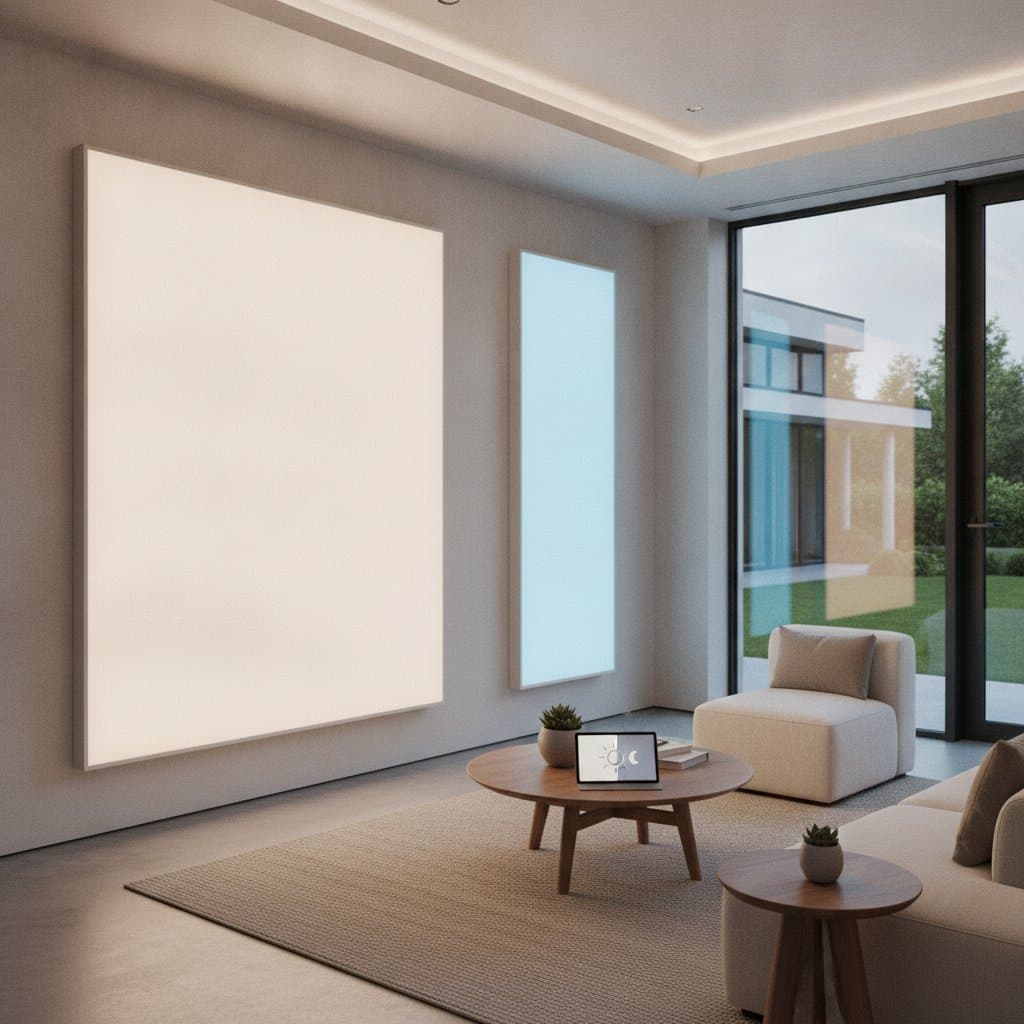
Smart glass, known also as switchable or dynamic glass, alters its light and heat transmission properties through a low-voltage electrical charge. This technology enables the glass to transition from transparent to tinted or opaque states, allowing homeowners to manage glare, regulate temperature, and secure privacy without relying on traditional blinds or curtains.
Such versatility proves particularly valuable in regions with intense sunlight or busy surroundings. It integrates seamlessly into contemporary renovations, intelligent home systems, or efficiency-focused improvements that balance comfort and sustainability.

Installation Cost Overview
The expense for smart glass installation typically ranges from $800 to $1,200 per window. For standard-sized units, projects often fall between $900 and $1,500 per window. Larger formats, such as expansive picture windows or custom curves, may exceed $2,500 per panel.
Factors Influencing Expenses
- Technology variant, including electrochromic, suspended particle devices, or liquid crystal systems
- Dimensions and configuration, where bigger or irregular shapes elevate prices
- Integration options, from basic switches to advanced smart home compatibility
- Project demands, as retrofitting existing structures incurs higher labor than new constructions
- Wiring requirements, with extended electrical runs increasing technician time
A full replacement of ten average windows might total $9,000 to $15,000, varying by configuration and regional labor charges.
Advantages and Drawbacks
Key Benefits
- Energy cost reduction through automated control of heat ingress and egress
- Enhanced indoor comfort by minimizing glare and maintaining stable temperatures
- Seamless privacy without the need for obstructing window treatments
- Increased property appeal via innovative features and efficiency gains
- Simplified upkeep as it eliminates dust-collecting fabrics or mechanisms
Potential Limitations
- Elevated initial investment relative to standard double-pane or low-emissivity options
- Necessary electrical infrastructure, which demands additional wiring efforts
- Specialized service needs, since routine contractors may lack expertise
- Restricted aesthetic variety in comparison to conventional tinting methods
Available Technologies
Smart glass employs diverse mechanisms, each tailored to specific applications and performance levels.
- Electrochromic Glass: Features a conductive layer that adjusts tint levels upon activation, excelling in comprehensive solar management and efficiency.
- Suspended Particle Devices (SPD): Particles align rapidly to alter transparency, suiting dynamic environments like skylights that require swift adjustments.
- Liquid Crystal (LC) Glass: Shifts between clear and diffused states for seclusion, ideal for private spaces such as bathrooms or home offices.
- Thermochromic Glass: Responds passively to temperature changes without electricity, appropriate for subtle thermal regulation in temperate areas.
These variants differ in pricing, responsiveness, and infrastructure demands. Electrochromic models lead in energy optimization, whereas LC types prioritize straightforward privacy functions.
Professional Installation Recommendations
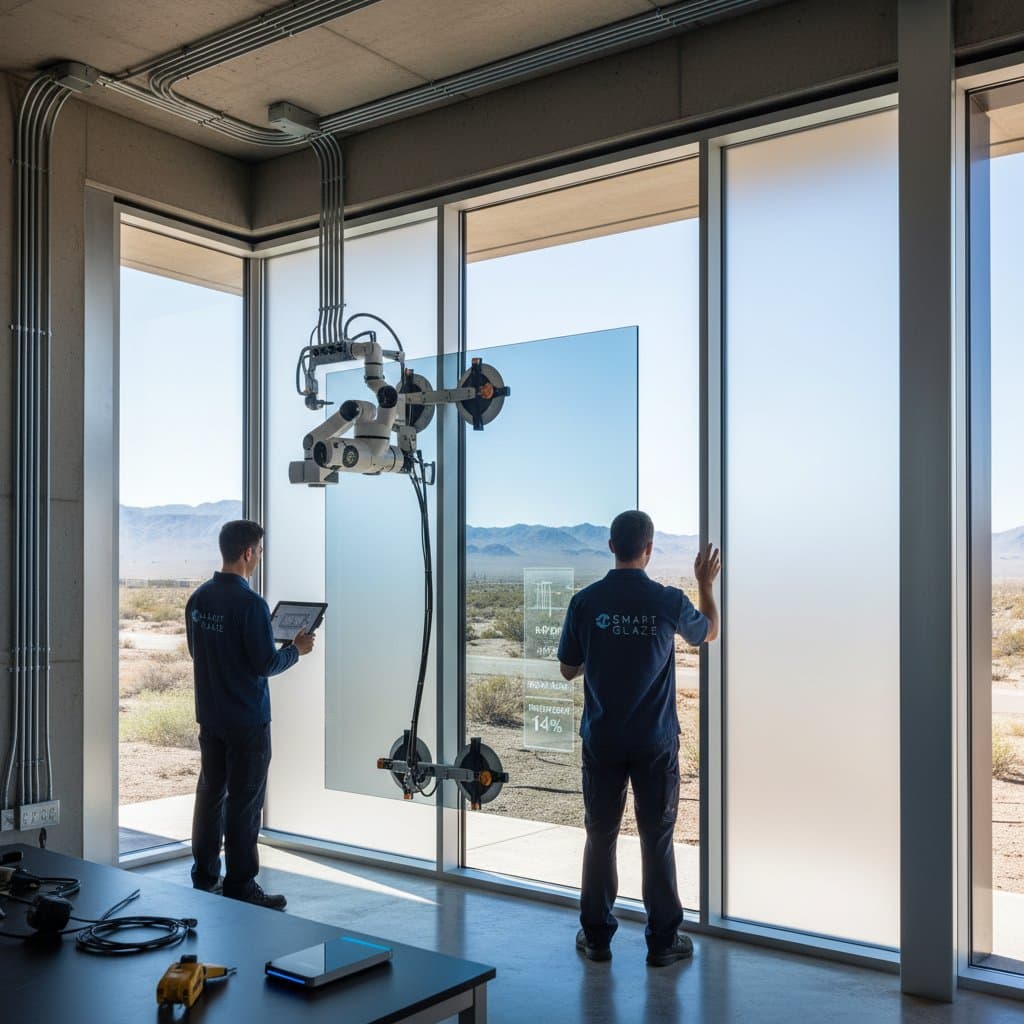
Smart glass installation demands precision and expertise, rendering it unsuitable for most DIY attempts. It involves accurate alignment, secure electrical linkages, and potential synchronization with home automation networks.
- Complexity Level: Advanced
- Professional Timeline: 2 to 4 hours per window
- Required Equipment: Voltage testers, power drills, finishing tools, and sealing applicators
- Associated Hazards: Risks of electrical hazards, structural damage, or warranty invalidation
Engage certified professionals for any power-dependent setups or integrated controls. Limited DIY feasibility exists for plug-and-play privacy films using low-voltage adapters in prepped locations.
Essential Installation Steps
- Assess measurements against precise manufacturer guidelines to ensure compatibility.
- Procure materials including panels, controls, and specified voltage components.
- Clear the area by extracting existing windows or preparatory glazing.
- Secure framing and route low-voltage cabling as per design.
- Position glass units and apply certified sealants around perimeters.
- Link control mechanisms to switches, variable dimmers, or automation centers.
- Verify functionality through complete transition cycles for tinting or opacity.
- Apply finishing touches to achieve airtight and weather-resistant seals.
- Perform final cleaning using gentle, non-abrasive solutions on soft fabrics.
Experienced teams adhere to these protocols while employing advanced tools for optimal wiring and adhesion.
Durability and Upkeep
With routine maintenance, smart glass endures 15 to 20 years of reliable service. Manufacturers typically provide warranties spanning 5 to 10 years for both electrical and optical components.
Routine Maintenance Practices
- Wipe surfaces with a solution of mild detergent and water, avoiding harsh chemicals like ammonia.
- Examine electrical junctions yearly for signs of wear, oxidation, or disconnection.
- Monitor perimeter seals for water penetration or internal condensation.
- Recalibrate or update control interfaces as performance fluctuations arise.
Should a unit fail to respond, summon a qualified specialist instead of attempting manual overrides.
Comparable Solutions
For budgets or setups incompatible with smart glass, alternative enhancements offer partial benefits at reduced complexity.
- Low-Emissivity (Low-E) Windows: Block infrared and ultraviolet rays affordably, though with static properties.
- Automated Blinds: Enable app-based operation for retrofits, yet require periodic adjustments.
- Protective Films: Deliver economical thermal and UV barriers, albeit with limited longevity.
- Fixed Tinting: Provides unchanging solar filtering without electrical needs, sacrificing adaptability.
These choices often sacrifice dynamism for affordability. Only smart glass achieves state changes absent mechanical components.
Regional Considerations
Environmental Influences
- Warm Regions: Deployment can decrease air conditioning demands by as much as 15%.
- Colder Zones: Transparent settings harness passive solar warming effectively.
Regulatory Requirements
- Local ordinances may classify wired installations as electrical modifications, necessitating permits.
- Safety standards could mandate impact-resistant or fire-compliant variants in designated areas.
Installation Variables
- Metropolitan Settings: Elevated technician fees contribute to overall expenses.
- Seaside Environments: Demand durable, salt-resistant cabling and enclosures.
Verify compliance with area regulations prior to committing to bespoke orders.
Financial Returns and Market Impact
In tech-savvy and eco-conscious markets, smart glass elevates home worth by 3 to 5%. Prospective buyers equate it to desirable features like photovoltaic arrays or advanced climate controls.
Primary savings stem from diminished reliance on heating and cooling systems. Homeowners in sun-drenched locales might realize 10 to 15% reductions in cooling expenditures annually. Pairing with complementary measures, such as enhanced insulation or LED fixtures, accelerates payback periods.
Installation Safety Protocols
Collaborate with qualified electricians for all circuit integrations. Isolate power sources before engaging any connections, and wear protective gear during glass handling.
Refrain from modifications near embedded conductive layers to prevent circuit failures or integrity breaches. For smart home linkages, validate alignment with low-voltage standards to avoid surges.
Reserve wet-area applications for explicitly certified products. Adhere strictly to prescribed clearances and grounding protocols from the producer.
Frequently Asked Questions
Does smart glass require continuous power?
No. Activation occurs only during state changes or sustained tinting, with consumption comparable to a small LED bulb.
Is retrofitting into current frames possible?
Yes, provided sufficient depth and access for wiring. Vintage frames might necessitate alterations or complete swaps.
What is the transition speed from clear to tinted?
Timelines differ: SPD variants respond in seconds, electrochromic models require minutes, and LC types activate immediately for seclusion.
Does it integrate with voice assistants like Alexa or Google Home?
Yes. Compatible modules support voice commands and programmed routines.
What occurs during power outages?
Units revert to default transparency. Functionality restores upon electricity return.
Planning Your Smart Glass Upgrade
To achieve reduced energy consumption alongside refined living spaces, smart glass stands as a compelling choice. Obtain multiple estimates from accredited specialists, inquiring into control features, electrical specifications, and coverage details.
Review jurisdictional guidelines for any electrical or structural alterations. Integrate the initiative with broader efficiency initiatives to maximize enduring advantages.
This technology unites usability, seclusion, and fiscal prudence effectively. Approach the process methodically, prioritize secure execution, and gain command over illumination and thermal elements for enhanced daily comfort.