Smart Glass: A 15 Percent Home Value Increase by 2026
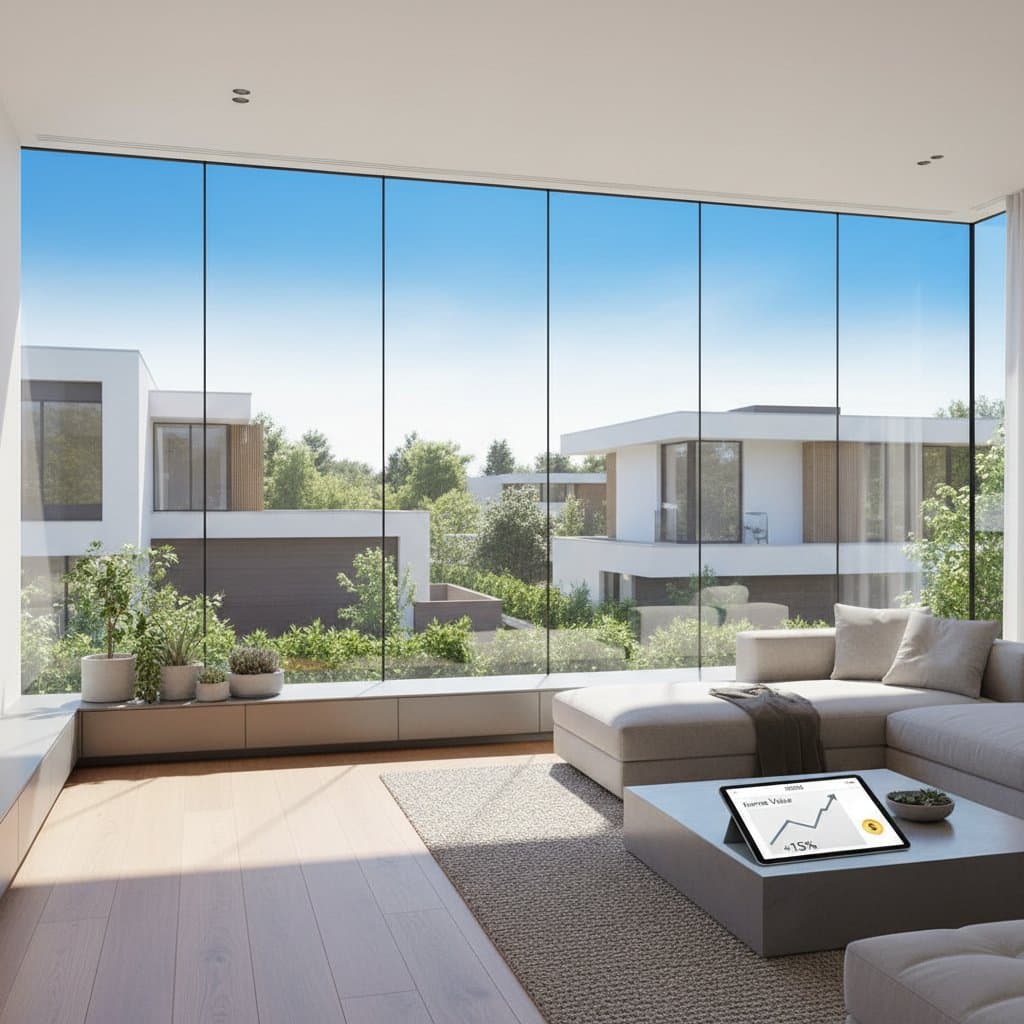
Homeowners who install smart glass windows often see a resale value boost of approximately 15 percent upon completion. For a mid-size home, the average project cost falls between $8,000 and $20,000.
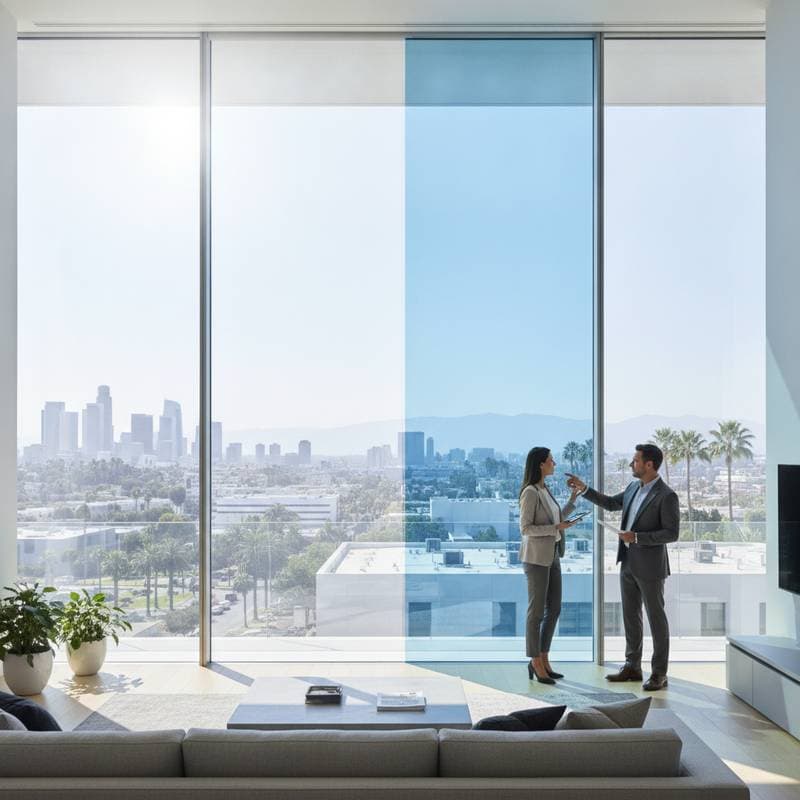
Smart glass serves as a transformative element for sunlight control, functioning as a true home asset. This technology shifts from transparent to tinted states through a minimal electrical charge, thereby reducing glare, decreasing cooling expenses, and elevating overall comfort. Many homeowners view it as an investment that recoups costs via substantial energy reductions and heightened buyer demand.
Factors Influencing Costs
Pricing for smart glass occurs on a per-square-foot basis, with standard electrochromic windows costing between $80 and $150 per square foot when fully installed. Several elements determine the overall expense:
Glass Type
Electrochromic panels stand out as the most readily available and energy-efficient choice. Alternatives such as suspended particle devices and liquid crystal variants offer lower initial costs, yet they might degrade more quickly or exhibit inconsistent tinting over time.
Window Size and Accessibility
Larger windows or those positioned at height demand additional labor. Homeowners should anticipate an extra $200 to $400 for upper-level installations or custom configurations.
Wiring and Control Systems
Every window requires a low-voltage power connection. When existing wiring supports integration, costs range from $500 to $1,000. New circuit installations necessitate a budget of $1,500 to $3,000.
Framing and Sealing Requirements
Existing frames in older homes may prove incompatible with smart glass units, requiring replacements at $50 to $150 per linear foot.
Permits and Inspections
Local regulations typically mandate electrical permits and inspections, with fees averaging $100 to $300 based on the area.
Disposal and Cleanup
The removal of old windows incurs $10 to $25 per unit for proper disposal.
DIY Installation Versus Professional Services
Scenarios for DIY Approach
A do-it-yourself method suits only the replacement of pre-wired panels within an existing compatible smart frame system. Participants need proficiency in electrical work, along with glazing tools and insulation supplies. Key risks include warranty invalidation and condensation issues from inadequate sealing.
Reasons to Engage Professionals
Professionals handle all initial installations, new electrical connections, multi-story projects, or integrations with intricate home automation setups.
Essential safety equipment includes gloves, safety glasses, an insulated screwdriver, and a voltage tester. Licensed professionals must manage any electrical connections to primary circuits.
Maintenance and Warranty Information
Installed smart glass demands minimal upkeep. Annual cleaning and connection checks suffice for longevity.
Everyday Maintenance Practices
Apply a non-abrasive cleaner with a soft cloth for surface care. Steer clear of ammonia-based products, which harm protective coatings. Examine seals annually to detect moisture accumulation. Update firmware on control panels or smart home interfaces as needed.
Addressing Common Issues
| Issue | Cause | Fix |
|---|---|---|
| Uneven tint | Loose connection | Inspect wiring and control board |
| Fogging | Seal failure | Reseal or replace the unit |
| Slow switching | Low voltage | Examine the transformer |
| Flickering | Software synchronization problem | Reset or update the control system |
Warranty Details
Electrochromic glass typically includes 10 to 15 years of coverage for tinting functionality and 2 to 5 years for electronics and seals. Request comprehensive written documentation prior to proceeding. Retain receipts and registration forms to facilitate any claims.
Benefits for Energy Use and Comfort
Smart glass delivers quantifiable enhancements to living conditions:
- It diminishes solar heat gain by as much as 50 percent, easing the burden on cooling systems.
- The material blocks up to 90 percent of UV rays, safeguarding interiors like furniture and floors.
- Privacy improves without reliance on cumbersome blinds or curtains.
- Automatic tint adjustments optimize natural light throughout the day.
These advantages foster greater appeal to prospective buyers and trim ongoing expenses, underpinning the anticipated 15 percent rise in property value.
Safety and Regulatory Considerations
Prior to beginning installation:
- Disconnect power from all relevant circuits.
- Assess the structural integrity of window openings.
- Confirm adherence to standards for tempered or laminated safety glass.
- Verify that electrical components align with local building codes.
Permits become necessary for:
- Installation of new low-voltage lines to power sources.
- Modifications to walls for control panel mounting.
- Extensive exterior window replacements in multi-unit structures.
Consult a licensed electrician for any uncertainties. Bypassing inspections may lead to penalties or complications with insurance coverage.
Managing Supply Chains and Labor Schedules
Manufacturers exhibit varying lead times, particularly for custom dimensions or curved panels. To minimize disruptions:
- Request samples promptly to evaluate tint preferences.
- Secure written approval of specifications before manufacturing commences.
- Coordinate installation timing with panel delivery.
- Instruct installers to maintain panels in temperature-regulated storage.
Labor availability fluctuations can extend timelines, so verify crew commitments upon signing contracts. Optimal sealant curing occurs between 50 and 80 degrees Fahrenheit, making weather monitoring essential.
Steps to Implement Your Smart Glass Upgrade
- Select windows in high-sunlight areas as initial priorities.
- Obtain estimates from at least three certified installers, evaluating per-square-foot rates and warranty provisions.
- Evaluate your home's electrical infrastructure for compatibility with added low-voltage demands.
- Investigate regional rebates, which frequently cover 10 to 20 percent of expenses through energy initiatives.
- Schedule work during temperate conditions to promote superior sealing and reduce logistical hurdles.
- Monitor utility statements post-installation to quantify savings, bolstering future resale discussions.
Smart glass merges aesthetic enhancement, operational efficiency, and appreciation potential in a unique way. Homeowners aiming to update properties while curbing expenditures find tangible benefits in this upgrade. Begin with a single room to validate outcomes, then scale accordingly, as each addition contributes to enhanced livability and financial equity.