- Estimated Time: Three to five hours per window, excluding preparation and troubleshooting.
- Essential Tools: Multimeter for voltage testing, wire strippers for connections, sealant applicator for edges, and comprehensive safety equipment.
- Associated Risks: Elevated potential for electrical hazards, compromised seals leading to leaks, or voided warranties if codes are not met.
Circumstances that necessitate hiring a professional include connections to broader smart home ecosystems, alterations to load-bearing windows, or adherence to stringent local regulations for electrical modifications. Professionals guarantee correct voltage application, robust sealing, and full warranty activation, often completing the work in a single day for standard installations. Costs for professional services typically range from $50 to $150 per hour, depending on regional rates, but they mitigate risks and ensure compliance.
Longevity and Upkeep for Smart Glass Systems
With diligent maintenance, smart glass systems endure for 15 to 25 years, outlasting many traditional window treatments. Regular cleaning preserves clarity and functionality; apply a gentle, ammonia-free glass cleaner with microfiber cloths quarterly to remove dust and fingerprints without scratching the surface. Steer clear of harsh abrasives or chemical solvents that could degrade the electrochromic layer.
Annual inspections focus on electrical components: examine wiring for signs of wear, corrosion, or disconnection, especially in humid environments. If the glass response lags or fails to tint uniformly, diagnostic tools can identify issues with control modules, which may require replacement at a cost of $200 to $500 each. Manufacturers typically provide warranties spanning 10 to 15 years, safeguarding against defects in tinting efficiency, electrical failures, or seal breaches. Proactive care not only extends lifespan but also sustains the energy-saving performance that contributes to the overall return on investment.
Regional Influences on Smart Glass Performance and Costs
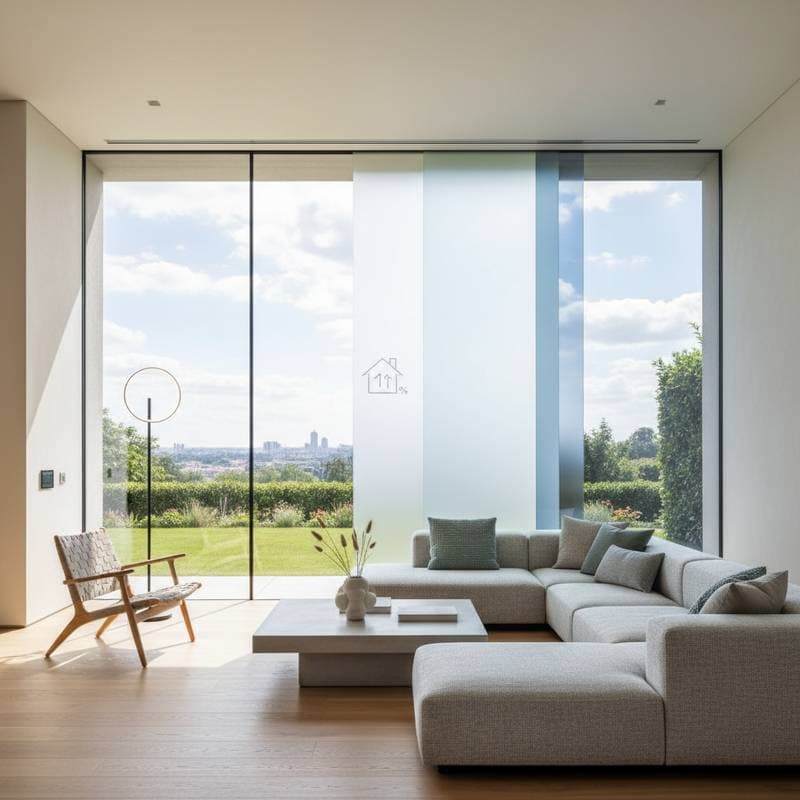
The effectiveness and economic viability of smart glass vary by geographic and environmental conditions. In hot climates like the Southwest United States, it excels at blocking solar gain, potentially slashing air conditioning demands by up to 30 percent during peak summer months. Cooler northern areas benefit from its ability to trap indoor warmth while diffusing harsh winter glare from snow-covered landscapes.
Coastal installations demand materials resistant to salt air and humidity, such as stainless steel frames and IP-rated wiring to avert corrosion. Urban settings, with their proximity to neighbors, leverage the privacy mode to enhance security without sacrificing natural light. Labor and permitting expenses fluctuate regionally; for instance, metropolitan areas may incur 10 to 20 percent higher fees due to elevated wages and regulatory oversight. Homeowners should investigate municipal incentives, such as rebates up to $1,500 per installation under energy-efficiency initiatives, to offset upfront expenditures.
Essential Safety Protocols for Smart Glass Installation
Prioritizing safety remains paramount when incorporating smart glass into a home. Before any wiring begins, disconnect power sources to eliminate shock risks, and utilize grounded receptacles for all control units. Select components rated for damp locations if installing near bathrooms, kitchens, or exterior exposures to prevent short circuits.
For expansive or structural applications, verify that the glass meets engineering standards for wind load and impact resistance, consulting building codes specific to the area. Post-installation, schedule electrical inspections to confirm safe operation prior to full activation. These measures not only protect installers and residents but also ensure the system's reliability over its extended service life.
Frequently Asked Questions About Smart Glass
Can smart glass integrate with existing windows?
Yes, retrofit solutions like adhesive films or overlay panels allow upgrades to current setups, though they command premium pricing per square foot owing to custom fitting and electrical adaptations. Full replacements offer superior performance but involve more disruption.
How does smart glass function without electricity?
In the event of a power outage, the glass typically retains its previous configuration, whether clear or tinted, until electricity resumes. Battery backups can maintain functionality for short periods in critical areas.
What is the average payback period for smart glass?
Homeowners often recoup investments within five to seven years through energy savings and increased property value, with the 11 percent appreciation providing immediate equity gains.
Are there financing options available?
Many suppliers partner with lenders for low-interest loans or lease programs tailored to home improvements, easing the financial burden for qualifying applicants.
Steps to Integrate Smart Glass Into Your Home Upgrade
Smart glass delivers tangible improvements in daily comfort, operational efficiency, and market positioning for properties. When contemplating a renovation or window refresh, incorporate this technology from the planning stage to maximize compatibility and rebates. Solicit bids from at least three certified contractors, scrutinize warranty terms for comprehensiveness, and explore local incentives to refine your budget. By selecting reputable providers and adhering to best practices, homeowners unlock lasting value and a more intelligent living space tailored to future needs.