Embracing Moody Colors to Sell Homes 10 Percent Faster in 2026
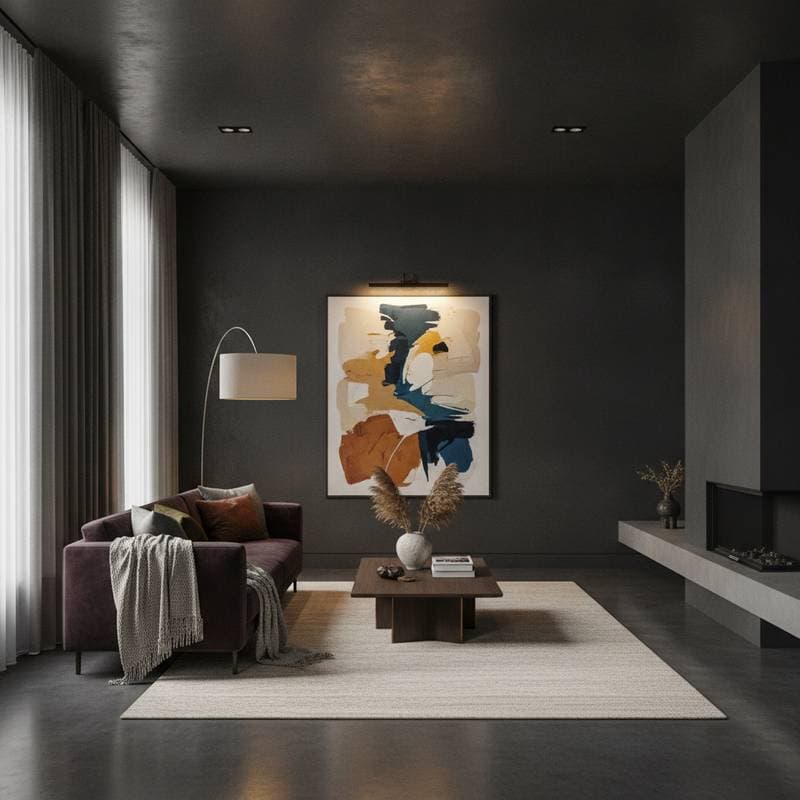
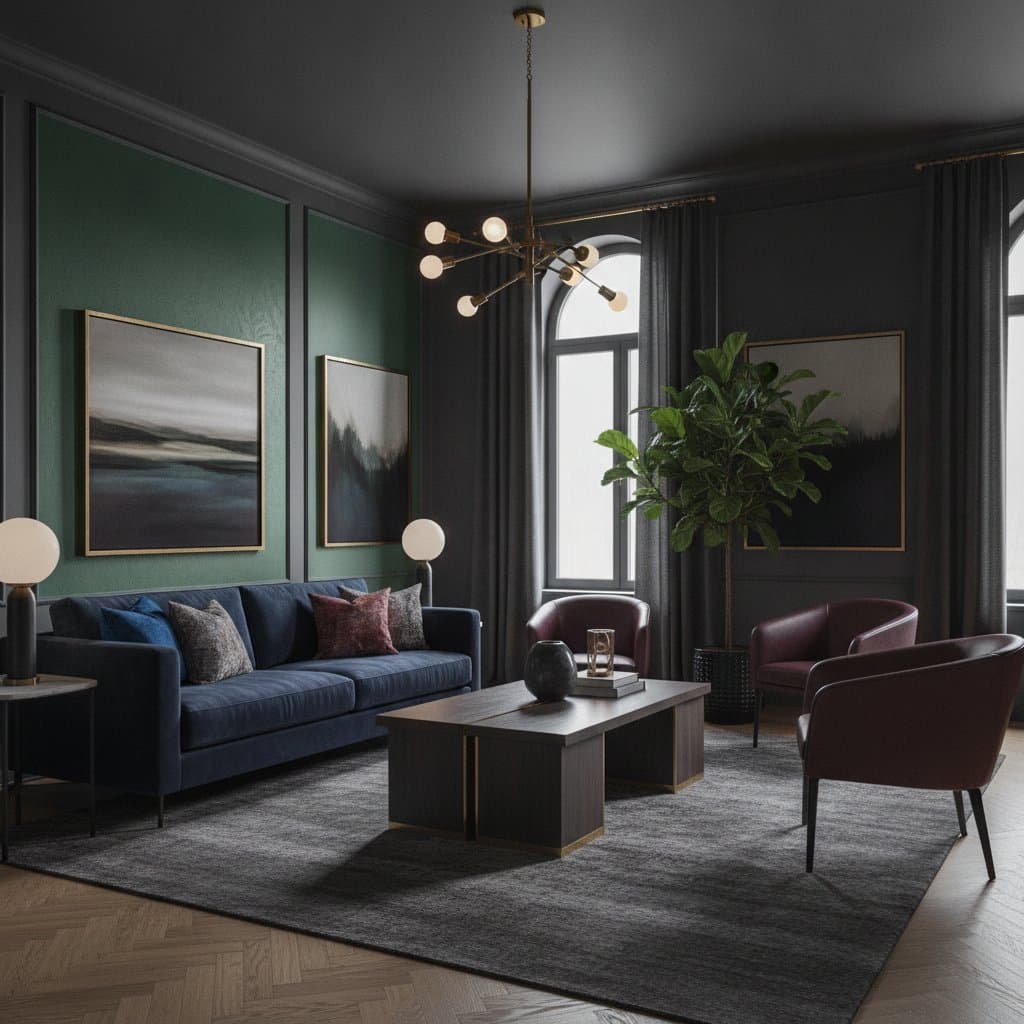
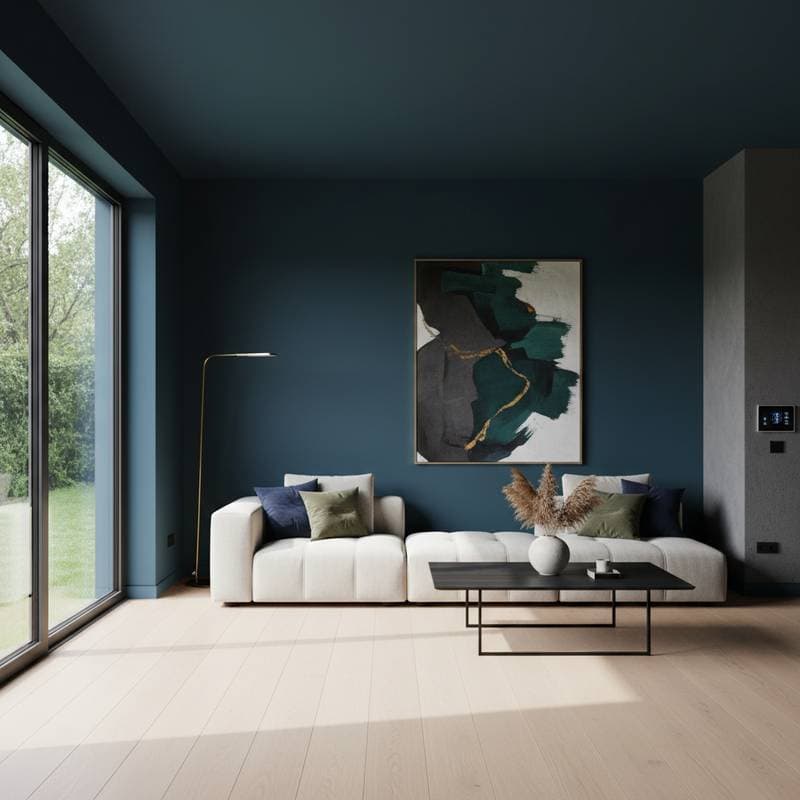
Homes painted in moody, dark colors sell up to 10 percent faster, with repaint costs generally ranging from $3,000 to $6,000. This trend reflects a shift in buyer preferences toward interiors that exude confidence and character. Deep greens evoke natural serenity, smoky blues suggest tranquil depth, and charcoal grays provide a modern, grounded elegance. These hues not only appeal to contemporary tastes but also enhance photographic appeal in listings, creating an inviting, move-in-ready atmosphere. For sellers, such investments yield quicker market turnover and elevated property perceptions.
Market data from recent real estate analyses indicates that properties with bold, non-neutral palettes attract 15 percent more showings within the first two weeks of listing. In 2026, expect this momentum to grow as sustainable and personalized design philosophies dominate. Sellers who align with these trends position their homes as premium offerings in competitive markets.
Key Cost Factors in Moody Color Repaints
Several elements influence the expense of a moody color repaint project. Understanding these allows for precise budgeting and informed decisions.
- Paint Quality and Coverage: Premium matte or eggshell finishes cost $45 to $80 per gallon. Coverage typically spans 350 to 400 square feet per gallon, so larger homes require multiple coats for even depth in darker shades.
- Surface Preparation: Professionals charge $1.50 to $2.50 per square foot for sanding, patching, and priming. Darker paints demand thorough prep to avoid visible imperfections.
- Labor Costs: Rates for professional painters fall between $2.50 and $4.50 per square foot of wall surface. Complex layouts increase time and thus expenses.
- Ceilings and Trim Work: Adding a complementary tone to ceilings costs $500 to $1,000. Darker semi-gloss trim enhances contrast and adds $400 to $800.
- Access Challenges: Features like tall ceilings, stairwells, or textured accent walls extend setup and require specialized equipment, raising costs by 20 to 30 percent.
- Permits and Regulations: Interior painting rarely requires permits, though multi-unit buildings may need HOA approval for shared walls.
- Disposal and Cleanup: Handling old paint or ensuring lead-safe practices adds $50 to $200, varying by local environmental guidelines.
Allocate an additional 10 to 15 percent of the budget for unforeseen issues, particularly in homes built before 1978 where lead paint remediation may apply. Total costs for a standard three-bedroom home often settle around $4,500, offering strong return on investment through faster sales.
DIY Versus Professional Painting Approaches
Deciding between a do-it-yourself project and hiring experts depends on scope, skill level, and timeline pressures.
Ideal Scenarios for DIY
DIY suits smaller-scale efforts where control and savings matter most.
- Focus on single rooms or accent walls to test moody tones without full commitment.
- Proceed if essential tools like rollers, drop cloths, and ladders are available.
- Allocate several evenings for unhurried application, ensuring even coats.
Potential drawbacks include uneven finishes, drips, or imbalances in lighting with dark colors. Roller marks become prominent with heavy pigments, and textured or damaged walls may yield patchy results. Beginners often underestimate the time needed for multiple coats on absorbent surfaces.
Benefits of Hiring Professionals
Professionals excel in comprehensive transformations, especially for listings.
- Opt for experts in full-home refreshes to achieve seamless results.
- They manage high ceilings, stairwells, and intricate details efficiently.
- Precision in edges and sheen consistency elevates the overall aesthetic.
Engaging a pro typically completes the job in under a week, including thorough cleanup. Such polished outcomes improve listing presentations and correlate with 10 percent shorter sale times. Verify that contractors hold liability insurance and adhere to lead-safe certification for pre-1978 properties.
Maintenance Strategies and Warranty Essentials
Proper care preserves the vibrancy of moody paint colors, extending their appeal post-sale or for new owners.
Techniques to Prolong Paint Durability
Regular upkeep prevents wear and maintains aesthetic integrity.
- Clean walls with a damp microfiber cloth every few months to remove dust without abrasion.
- Steer clear of harsh chemical cleaners that strip matte finishes.
- Address chips immediately with matching paint to block moisture entry.
- Control indoor humidity around 45 percent using dehumidifiers if necessary, reducing crack risks.
In high-traffic areas, consider washable semi-gloss on lower wall portions for added resilience. Annual inspections catch issues early, safeguarding the investment.
Standard Warranty Coverage
Warranties provide assurance against common failures.
- Paint manufacturers offer 5 to 10 years of protection against defects, fading, or discoloration.
- Professional labor warranties span 1 to 3 years, addressing peeling or adhesion problems.
Retain receipts, color formulas, and batch numbers for effortless future matches. These documents prove invaluable during touch-ups or resale disclosures.
Safety Considerations and Regulatory Compliance
Painting with moody colors involves minimal risks when protocols are followed, but awareness ensures a smooth process.
Prioritize ventilation by opening windows and using fans to disperse fumes, especially with low-VOC paints recommended for interiors. Wear protective gear including masks, gloves, and goggles during prep and application to avoid inhalation or skin contact. For homes with potential lead paint, certified professionals must follow EPA guidelines to contain and dispose of hazardous materials safely.
Local building codes rarely regulate interior colors, but fire-rated paints may apply in certain areas like garages. Consult HOA rules in planned communities to confirm color approvals. Eco-conscious sellers benefit from zero-VOC options, which minimize health impacts while aligning with 2026 sustainability trends.
Practical Steps to Implement Moody Colors Effectively
Transition from planning to execution with these targeted actions.
- Evaluate Room Suitability: Determine natural light levels in each space. Reserve moody shades for well-lit areas; supplement dim rooms with layered lighting to prevent a cave-like feel.
- Establish a Realistic Budget: Choose between testing one room or repainting the entire home. Reference the outlined cost factors for tailored estimates.
- Solicit Multiple Quotes: Obtain at least two bids from licensed painters. Inquire about timelines, material inclusions, and warranty details.
- Test Colors Thoroughly: Apply sample swatches on multiple walls and observe under morning, afternoon, and evening light. This reveals true tones and harmonies.
- Incorporate Staging Elements: Pair dark walls with light-toned furniture, mirrors, and metallic accents to amplify brightness and flow.
- Update Listing Visuals: Capture high-quality photos post-painting and staging. Moody colors deliver striking contrast that captivates online viewers, driving more inquiries.
By integrating these steps, sellers unlock the full potential of moody palettes. Homes gain a distinctive edge, attracting discerning buyers and culminating in expedited closings with maximized value.