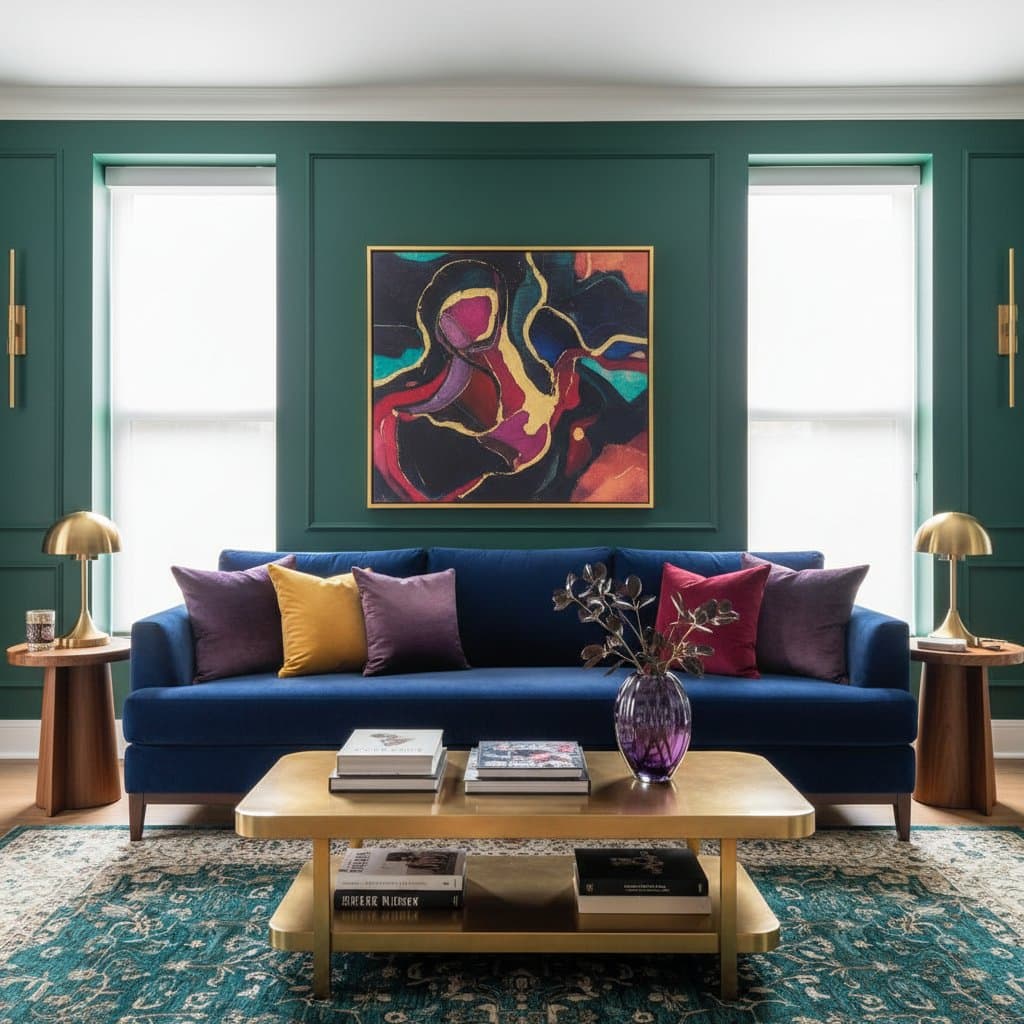
Understanding the Moody Jewel Tones Trend for 2026
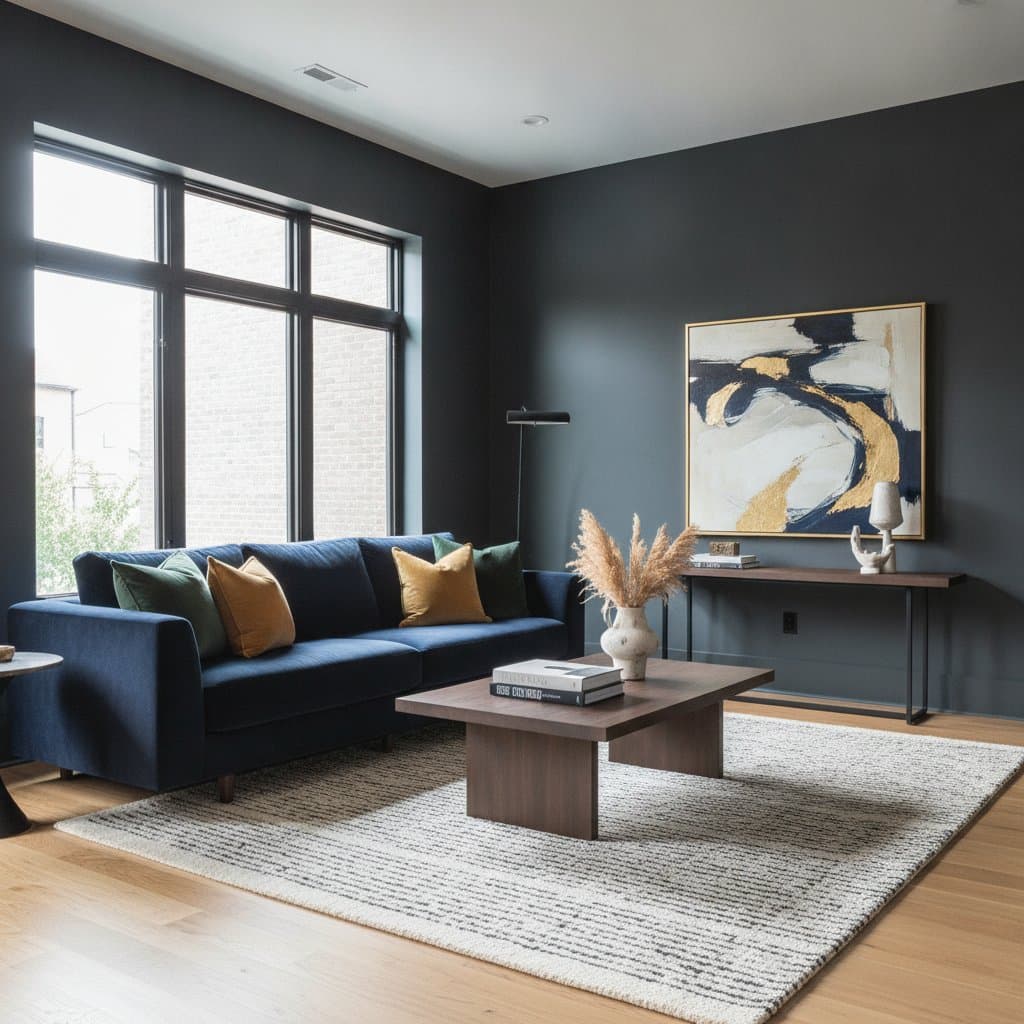
Homeowners increasingly select moody jewel tones to enhance both aesthetic appeal and property value. These deep shades, including emerald green, sapphire blue, and amethyst purple, represent a shift toward bold, sophisticated interiors. Real estate experts forecast that properties incorporating these colors may experience an average 6% increase in value during the 2026 market cycle. This section outlines the trend's significance, application strategies, and associated expenses to achieve professional results.
Cost Breakdown for Implementation
The expense for introducing jewel tones varies based on project scope. Nationally, a complete room transformation ranges from $2,000 to $10,000. Most projects fall between $3,500 and $6,000, covering paint, decorative elements, and surface finishes.
Outlying costs include $500 for a simple DIY repaint or up to $20,000 for a comprehensive designer-led overhaul. Key factors influencing the total include room dimensions and ceiling height, paint or wallpaper quality, necessary updates to furniture and lighting, professional labor fees, and any custom millwork or built-in features.
Opting for a single accent wall in jewel tones costs approximately $300 with self-application. Extending the scheme throughout the home elevates expenses but promotes visual cohesion, which enhances resale potential.
Varieties of Jewel Tones and Their Ideal Applications
Jewel tones offer diverse options, each suited to specific room functions and atmospheres.
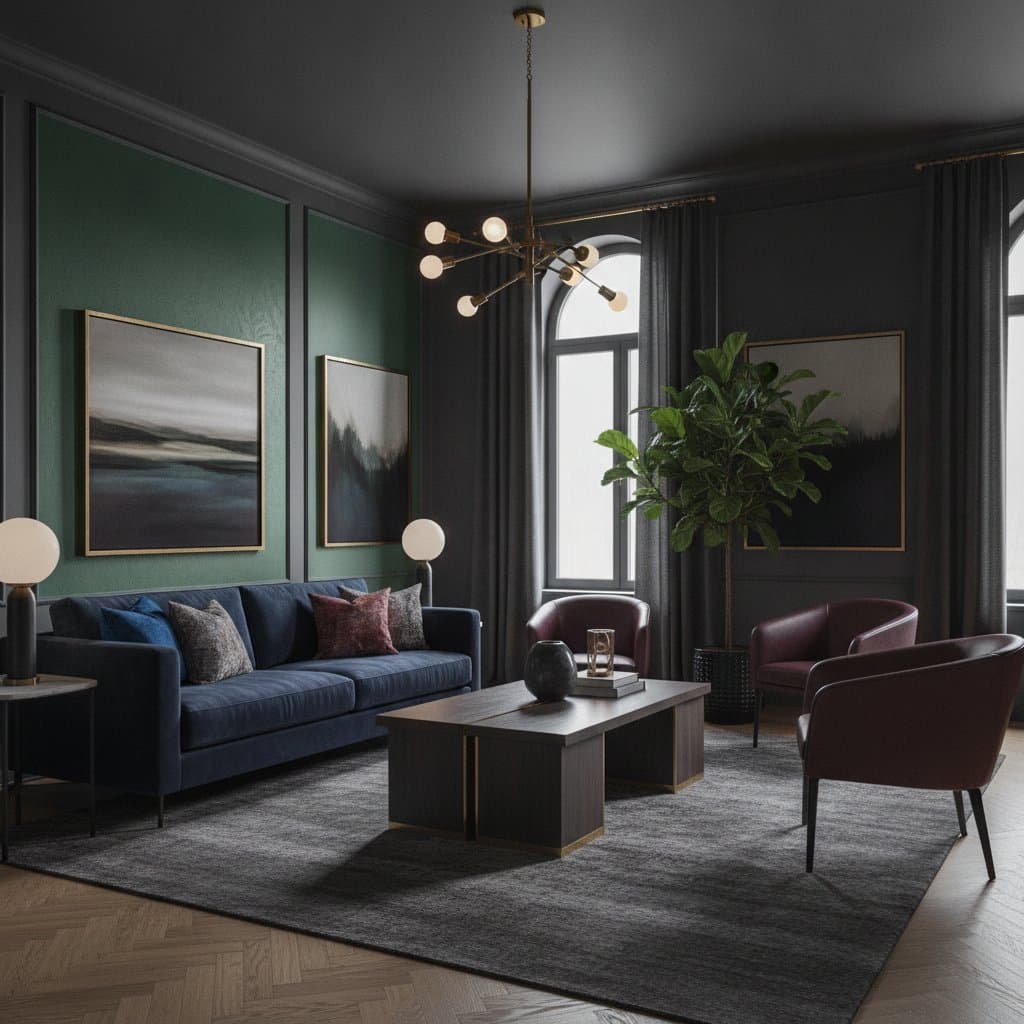
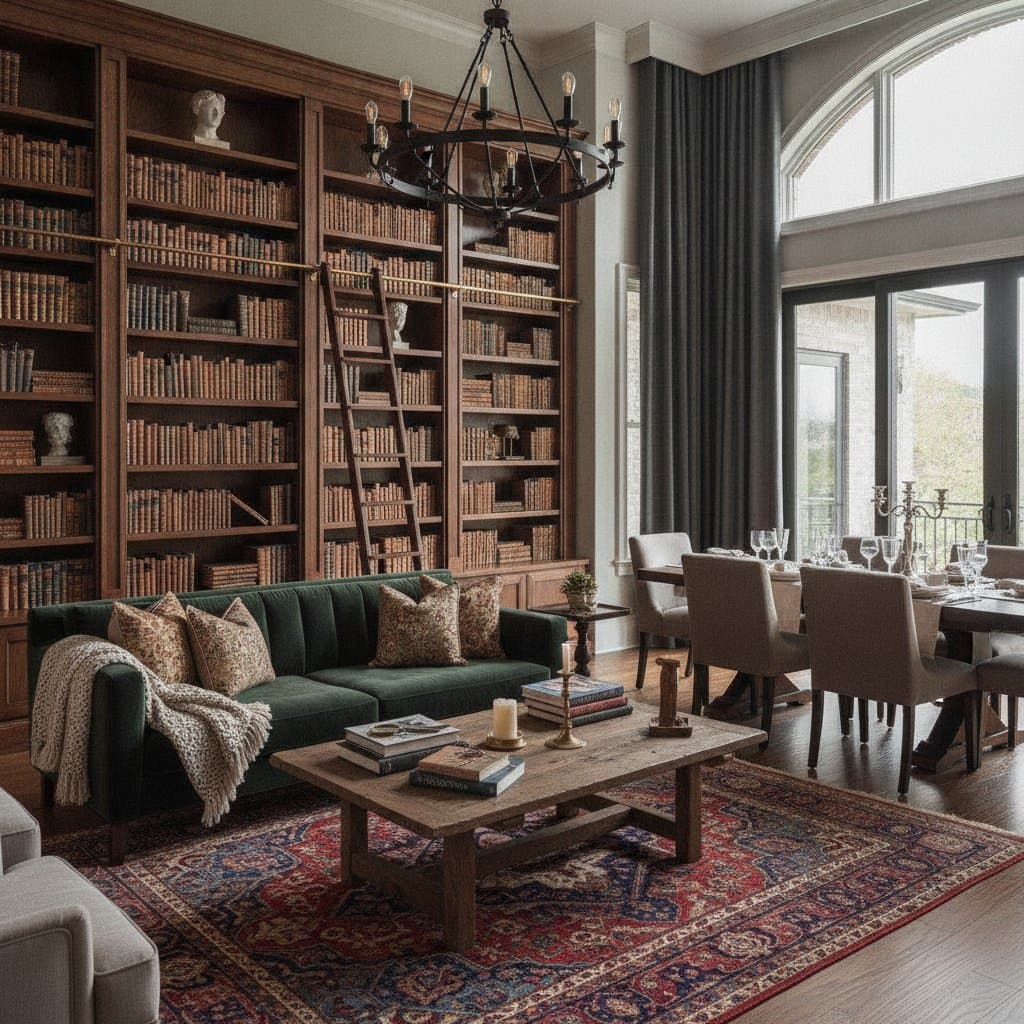
- Emerald Green: Provides a lush, balanced vibe. It complements living rooms or kitchens when combined with warm wooden accents.
- Sapphire Blue: Delivers a cool, serene effect. This shade excels in bedrooms or home offices, pairing effectively with brass or chrome fixtures.
- Ruby Red: Infuses energy and boldness. Use it in dining spaces, softened by ambient lighting.
- Amethyst Purple: Offers elegance with subtlety. It suits guest rooms or cozy reading areas.
- Topaz Yellow: Introduces warmth and luminosity. Apply it in entryways or compact powder rooms.
- Garnet Burgundy: Creates depth and drama. It harmonizes with dark wood flooring and metallic accents.
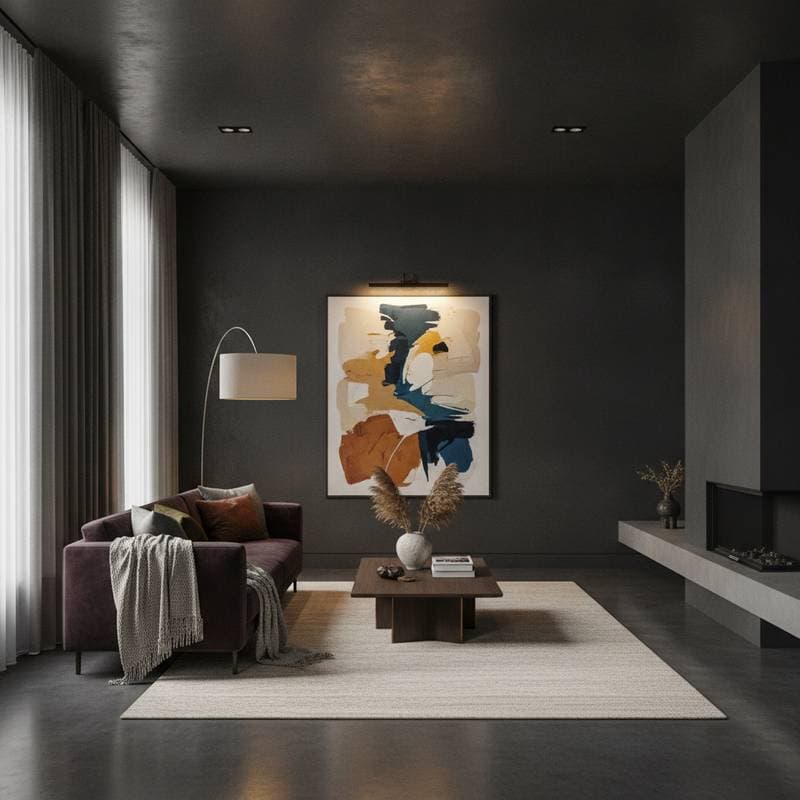
In contemporary settings, matte finishes absorb light for a subtle richness. Traditional interiors benefit from satin or eggshell sheens, which highlight texture and dimension.
Step-by-Step Guide to Painting with Jewel Tones
Follow these steps to apply jewel tones effectively and achieve a flawless finish.
- Remove furniture and cover floors with drop cloths.
- Repair imperfections by patching holes and sanding surfaces.
- Wipe walls thoroughly to eliminate dust and grease.
- Select and apply a primer designed for dark colors to ensure adhesion.
- Use a precision brush to edge corners and trim.
- Apply two full coats of the jewel-tone paint with a roller.
- Allow complete drying between coats, typically 4 to 6 hours.
- Peel away painter's tape and address any missed spots.
- Reattach hardware and perform a final cleaning.
For accent walls, apply sample swatches and evaluate them under both natural daylight and indoor illumination before full commitment.
Alternative Approaches to Incorporating Jewel Tones
If committing to full walls feels overwhelming, consider these scaled-back methods.
- Neutral Bases with Accents: Maintain light wall colors and introduce jewel tones via curtains, rugs, or artwork.
- Two-Tone Designs: Divide walls horizontally, painting the lower section in a deep tone and the upper in a neutral shade to preserve spaciousness.
- Textured Finishes: Employ plaster or limewash techniques for subtle depth without intense color saturation.
- Furniture Integration: Shift focus to upholstery, such as jewel-toned sofas, headboards, or cabinet fronts, leaving walls unchanged.
These options provide adaptability, accommodating shifts in personal preferences or market conditions over time.
Maximizing Return on Investment and Resale Potential
Properties featuring well-coordinated jewel-tone interiors can command up to a 6% premium in resale value, particularly when staging emphasizes design intent. Prospective buyers favor homes that appear thoughtfully curated rather than blandly standard. Strategic color use elevates the perception of quality, especially alongside modernized lighting and trim details.
Balance remains essential to avoid overwhelming spaces. Limit to one to three jewel tones per home, offset by neutral flooring and ceilings. Professionals advise lighter palettes for kitchens and bathrooms to appeal to practicality, reserving moody tones for living areas that evoke emotional connection.
Essential Safety Considerations
Proper ventilation is critical during painting. Open windows and employ fans to circulate fresh air. Don protective gloves and a respirator mask when handling oil-based primers or solvent-based cleaners.
When upgrading light fixtures to accentuate new colors, prioritize electrical safety. Disconnect power at the breaker panel prior to any wiring adjustments. In older residences, test for lead paint presence before disturbing existing layers through sanding or scraping.
For installing accent lighting or structural elements like wainscoting, engage a licensed electrician or contractor. Verify wall stability before mounting heavy decorative pieces.
Frequently Asked Questions
How should one select the appropriate jewel tone for a specific room?
Apply three sample shades to the wall and assess their appearance across various lighting conditions. Opt for cooler tones in north-facing rooms and warmer ones in south-facing spaces.
Do jewel tones diminish the perceived size of small rooms?
They may, yet lighter trim and multi-layered lighting counteract this. A single feature wall works well in confined areas.
Are jewel tones compatible with wood flooring?
Absolutely. Medium to dark woods align seamlessly with emerald and sapphire. Lighter floors complement amethyst or ruby more effectively.
Which paint finish enhances jewel tones best?
Matte provides a soft, velvety texture but requires more maintenance. Satin offers a blend of durability and subtlety. Semi-gloss suits moisture-prone areas like bathrooms.
Will this trend endure beyond 2026?
Industry patterns indicate that deep color palettes will remain relevant for years, as preferences evolve away from monochromatic grays.
Implementing Jewel Tones for Optimal Results
Begin with a modest project if uncertainty persists. Transform one wall or refinish a cabinet in emerald or sapphire to gauge the atmospheric shift. Positive outcomes justify broader application across rooms.
Target primary living zones for the highest impact, as these areas draw immediate buyer attention. Maintain uniformity in finishes, employ warm lighting, and balance with neutral decor elements. This method yields a unified, luxurious aesthetic that balances individuality with broad market appeal.
Secure estimates from at least three qualified painters or designers. Request consultations featuring material samples and lighting simulations. Thoughtful preparation ensures jewel tones revitalize your home, elevate its worth, and align with budget constraints.