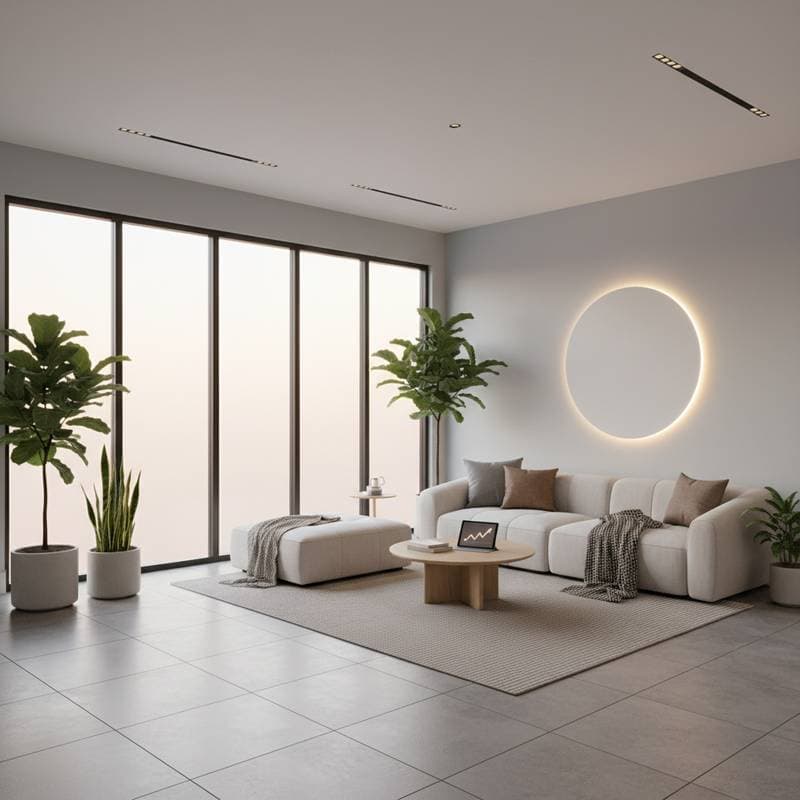
Understanding Light Therapy Rooms and Their Growing Appeal
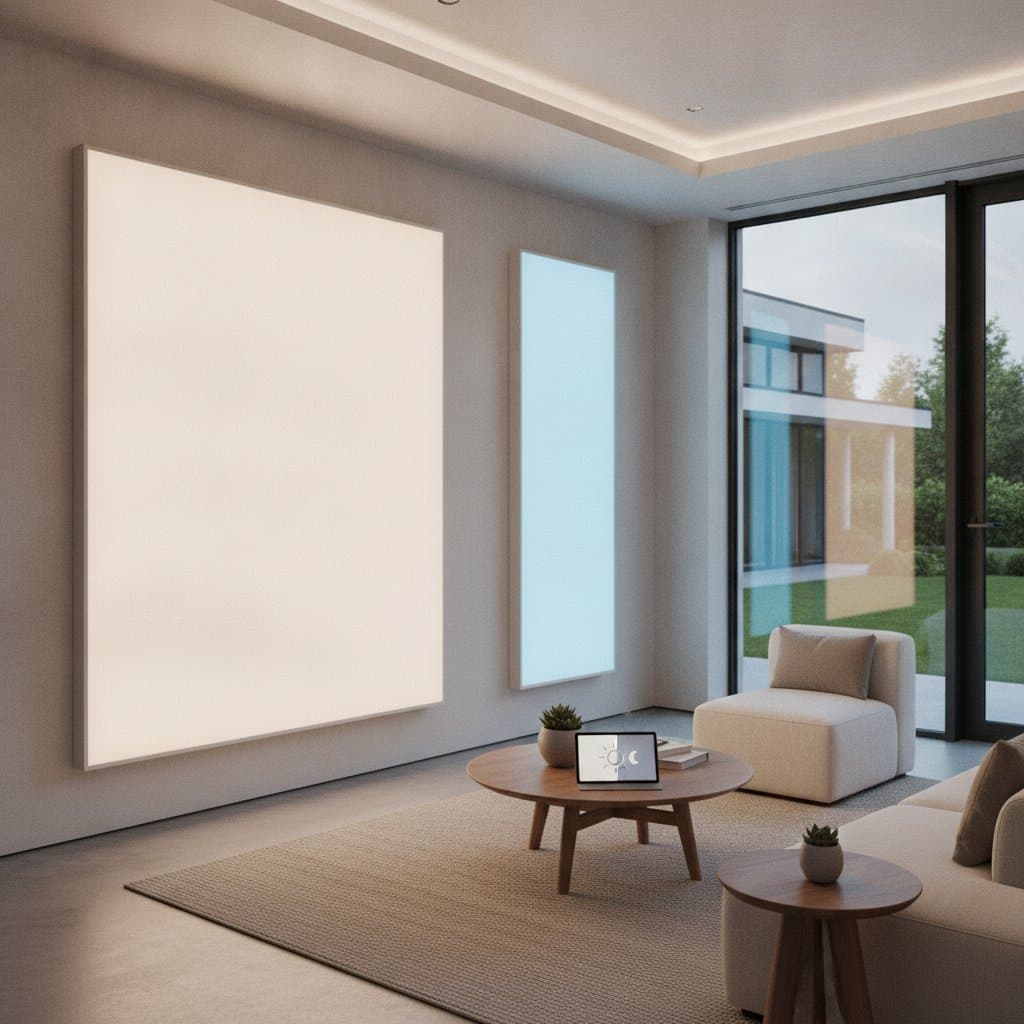
Light therapy rooms represent an innovative feature in contemporary home design. These specialized spaces incorporate full-spectrum or circadian lighting systems that replicate the qualities of natural daylight. Such illumination helps regulate the body's internal clock, thereby supporting mood stability, sustained energy throughout the day, and improved sleep patterns. For homeowners who prioritize both personal well-being and long-term financial returns, these rooms offer a compelling upgrade that enhances daily living while elevating property appeal.
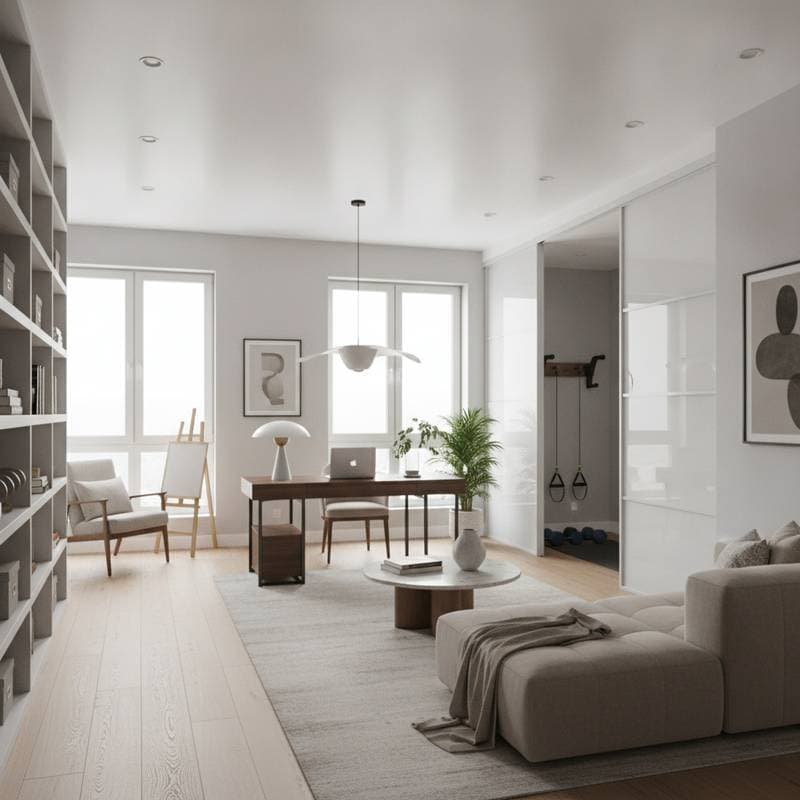
Individuals who spend extended periods indoors or reside in areas with prolonged periods of low sunlight stand to gain the most from this addition. These rooms integrate seamlessly into various home areas, such as dedicated home offices for focused work, exercise spaces to energize routines, or unused bedrooms transformed into serene retreats. The result is a versatile solution that aligns with diverse lifestyle needs.
Key Advantages and Potential Drawbacks
Advantages
- Enhances resale value and attracts wellness-oriented buyers in competitive markets.
- Promotes emotional well-being by aligning with natural circadian rhythms.
- Provides consistent, vibrant illumination to counteract dim environments year-round.
- Complements goals in physical fitness, mental relaxation, or heightened productivity.
Drawbacks
- Involves a greater initial investment compared to conventional lighting solutions.
- Demands precise positioning to minimize issues like excessive glare or shadows.
- Often necessitates electrical modifications, which add to complexity.
- Effectiveness depends on individual responses and the specifics of room configuration.
Installation Options: DIY Approaches Versus Professional Services
For those with electrical experience, a straightforward light therapy setup presents a manageable project. Completion typically requires four to eight hours, covering tasks like wiring connections, fixture mounting, and light calibration for optimal output. Essential tools encompass a voltage tester for safety checks, a power drill for secure installations, wire strippers for precise cuts, and a level to ensure even alignment. Primary concerns include faulty wiring that could pose hazards and inconsistent light coverage that diminishes therapeutic effects.
Opt for professional assistance when the installation involves installing new electrical circuits, incorporating smart home controls, or designing bespoke lighting arrangements. Certified electricians guarantee adherence to safety protocols and local building regulations, reducing risks and ensuring longevity. Professionals also advise on selecting systems that integrate with existing home automation for effortless adjustments.
Ongoing Maintenance and Expected Durability
High-quality LED-based light therapy systems demonstrate remarkable endurance, operating effectively for 25,000 to 50,000 hours before significant dimming occurs. Regular upkeep involves gently wiping light lenses each month to eliminate dust accumulation that could reduce efficiency. Conduct functionality tests on controls and timers biannually to verify consistent performance. When output noticeably fades, replace individual bulbs or entire panels as needed. Reputable manufacturers typically provide warranties spanning three to five years, offering reassurance against premature failures.
Considerations for Regional and Environmental Influences
Properties located in northern latitudes or regions prone to frequent overcast skies derive maximum benefits from light therapy installations, as they address chronic light deficiencies. In coastal environments, select fixtures engineered with corrosion-resistant materials to withstand humidity and salt exposure. Municipal requirements may mandate permits for any electrical alterations involving new circuits; always consult local authorities early in planning. Installation labor costs fluctuate, with metropolitan areas commanding premiums of 15 to 25 percent above rural or suburban rates due to higher demand and operational expenses.
Calculating Return on Investment and Resale Implications
Real estate data indicates that residences featuring dedicated wellness zones, including light therapy rooms, command quicker sales and elevated prices. Professional appraisers recognize these enhancements as desirable lifestyle amenities that differentiate a property. Market analyses project value appreciations of up to 11 percent by 2026, particularly when light therapy integrates with complementary elements like advanced air purification systems and eco-friendly natural finishes. This synergy not only amplifies health outcomes but also positions the home favorably in buyer preferences for sustainable, health-focused living.
Essential Safety Guidelines
Prioritize fixtures certified by Underwriters Laboratories for indoor applications to uphold rigorous safety standards. Refrain from installing standard lights in areas with elevated moisture levels unless they carry appropriate humidity ratings. Always disconnect power sources prior to commencing any wiring activities to prevent accidents. Engage licensed electricians for projects that introduce new circuits or expand electrical loads, ensuring compliance and minimizing liability.
Practical Steps to Implement Your Light Therapy Room
Begin with a pilot installation in a single room to evaluate spatial dynamics and lighting intensity preferences. Solicit detailed quotes from no fewer than three qualified professionals, inquiring specifically about dimming capabilities, warranty durations, and compatibility with mobile app controls for customized scheduling. Focus on achieving a harmonious balance of light distribution that fosters comfort without overwhelming the senses. This strategic approach not only elevates immediate living quality but also secures tangible appreciation in property worth upon future sale.