2026 Home Gym Trend Boosts Property Values by 15 Percent
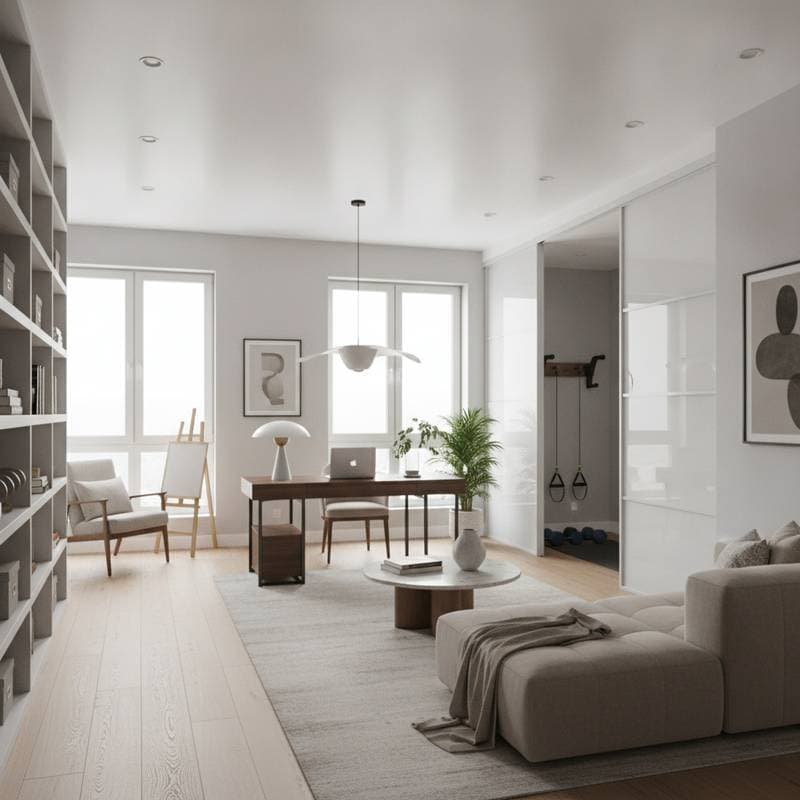
A dedicated home gym ranks among the most profitable upgrades available to homeowners. Properties with integrated workout spaces sell for as much as 15 percent more than comparable homes without this feature. The increase stems from added convenience, lifestyle appeal, and the rising priority placed on wellness.
Reasons Home Gyms Deliver Value
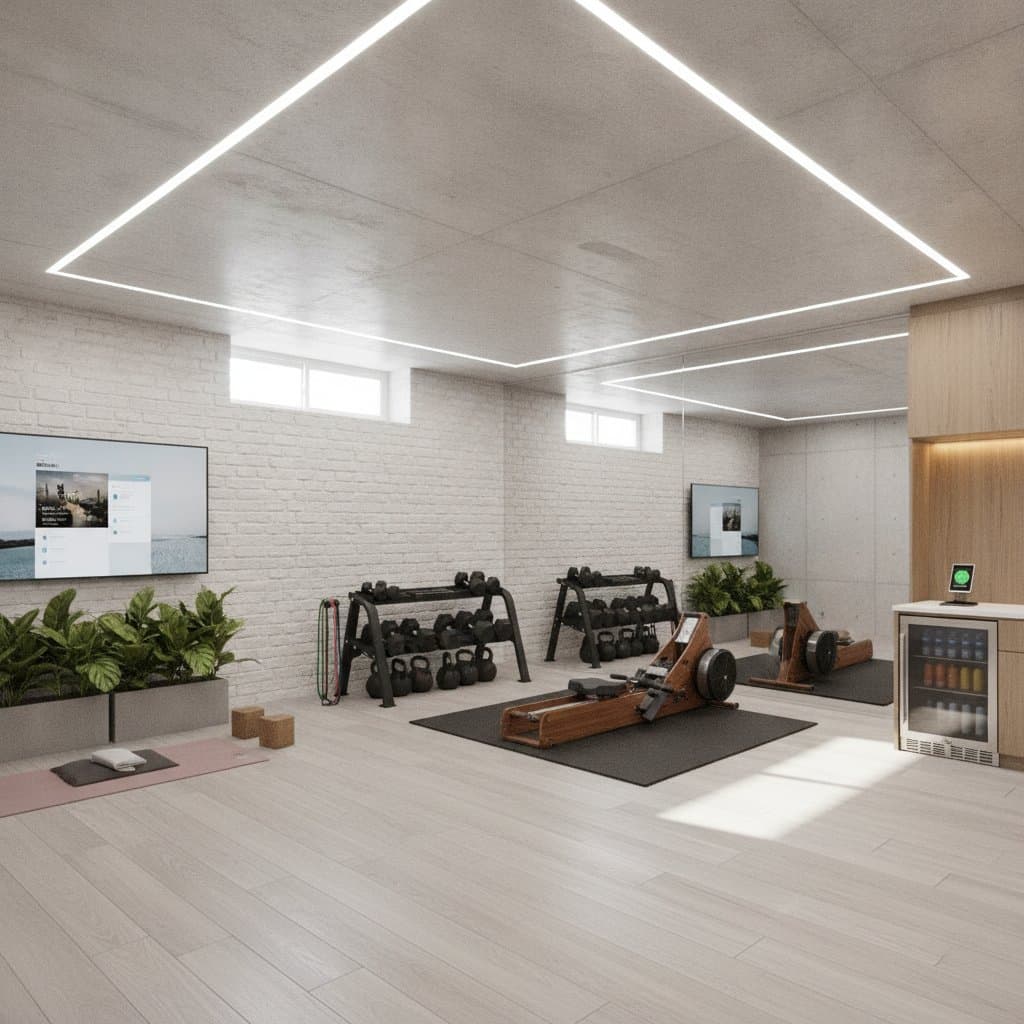
Prospective buyers seek features that support ongoing health routines. A completed gym indicates thoughtful design and potential savings on external memberships. The focus lies in creating dedicated zones equipped with appropriate flooring, ventilation, lighting, and acoustic management.
Planning a Home Gym Conversion
Begin by assessing available areas such as garages, basements, or spare rooms. The objective centers on incorporating elements that promote safety and consistent use.
- Select an appropriate location with stable flooring and adequate ceiling height.
- Organize distinct areas for different activities to maintain clear pathways.
- Install suitable flooring materials like rubber mats to safeguard surfaces and minimize sound transmission.
- Incorporate mirrors and consistent lighting to support proper technique and spatial perception.
- Implement ventilation solutions to maintain air quality and temperature control.
- Ensure sufficient electrical capacity for equipment and accessories.
- Provide organized storage solutions for all items.
These measures result in a space that integrates seamlessly with the residence.
Cost Considerations
| Task | Typical cost | What affects price |
|---|---|---|
| Flooring and mats | $300 - $1,200 | Room size and material quality |
| Lighting and mirrors | $200 - $800 | Type of fixtures, mirror size |
| Ventilation or mini HVAC | $500 - $2,000 | Existing duct access |
| Electrical work | $300 - $1,000 | Outlet placement, code needs |
| Equipment setup | $1,000 - $5,000 | Brands, variety, and smart tech |
| Paint and finishes | $100 - $500 | Labor and material choice |
Total estimated cost ranges from $2,400 to $10,500 for a typical single-room gym. Prices vary by region and material quality.
Time to Complete
Expect one to three weeks from planning to final setup. The biggest delays arise from delivery of flooring or mirrors. Simple setups can finish in a weekend, while full remodels involving wiring or ventilation require additional time.
DIY Versus Professional Installation
Consider DIY when the room already has finished walls and flooring. This approach works for basic mats, shelves, and portable gear. Hire professionals when new electrical circuits, HVAC additions, or structural changes are necessary. A licensed contractor ensures code compliance and supports higher resale appeal.
Tools and Materials Checklist
- Measuring tape for layout planning
- Level for mirror and shelf installation
- Drill and wall anchors for racks
- Rubber flooring or gym tiles
- Paint, rollers, and painter tape
- LED lights or track lighting
- Extension cords rated for heavy use
Keep selections consistent with the rest of the home finishes.
Regional Considerations
Climate affects both comfort and cost. Humid areas benefit from dehumidifiers to prevent odors and rust. Cold regions may require insulated flooring or small heaters. Secure heavy equipment in seismic or hurricane zones. Check local codes before adding electrical circuits or ventilation ducts.
Value Addition Mechanisms
A home gym adds value through market appeal, functional square footage, and lifestyle narrative. Finished rooms count toward livable area in many appraisals. Wellness features signal a modern, lower-maintenance property. Even small gyms create emotional value that drives higher offers.
When Professional Help Is Required
Call a licensed electrician for new wiring or outlets. Bring in a contractor for walls, windows, or ventilation work. Consult a designer to achieve a cohesive style. Professional involvement protects safety and preserves resale value.
Recommendations for Long-Term Success
Keep the design flexible with movable racks or foldable benches. Match lighting and wall colors to the home palette. Add soundproofing near bedrooms or offices. Track usage to maintain relevance. Photograph the finished space before listing.
Common Questions
Permits are usually unnecessary unless wiring, plumbing, or major ventilation is added. Compact, multi-use gear such as adjustable dumbbells and foldaway racks appeals to more buyers. Even a 6-by-8-foot area can accommodate yoga, resistance bands, or compact machines.