Hidden Wine Cellars: A 15 Percent Value Increase for 2025 Properties
Typical cost: $35,000 for a climate-controlled hidden wine cellar, which can increase resale value by up to 15 percent in luxury markets.
A hidden wine cellar extends beyond simple storage. It represents a sophisticated enhancement that integrates design, skilled craftsmanship, and strong investment potential. Homeowners preparing for resale increasingly incorporate these features to appeal to discerning buyers who seek both practicality and aesthetic appeal in a single area.
Key Cost Considerations
Multiple elements influence the overall expense, and a clear understanding of these factors from the outset helps avoid unexpected expansions or later dissatisfaction with the design.
Size and Capacity
For a cellar accommodating 500 bottles, the cost averages around $30,000. Larger setups for 1,000 bottles often surpass $60,000. Each additional square foot of excavation or framing contributes approximately $120 to $200 to the total.
Materials and Finishes
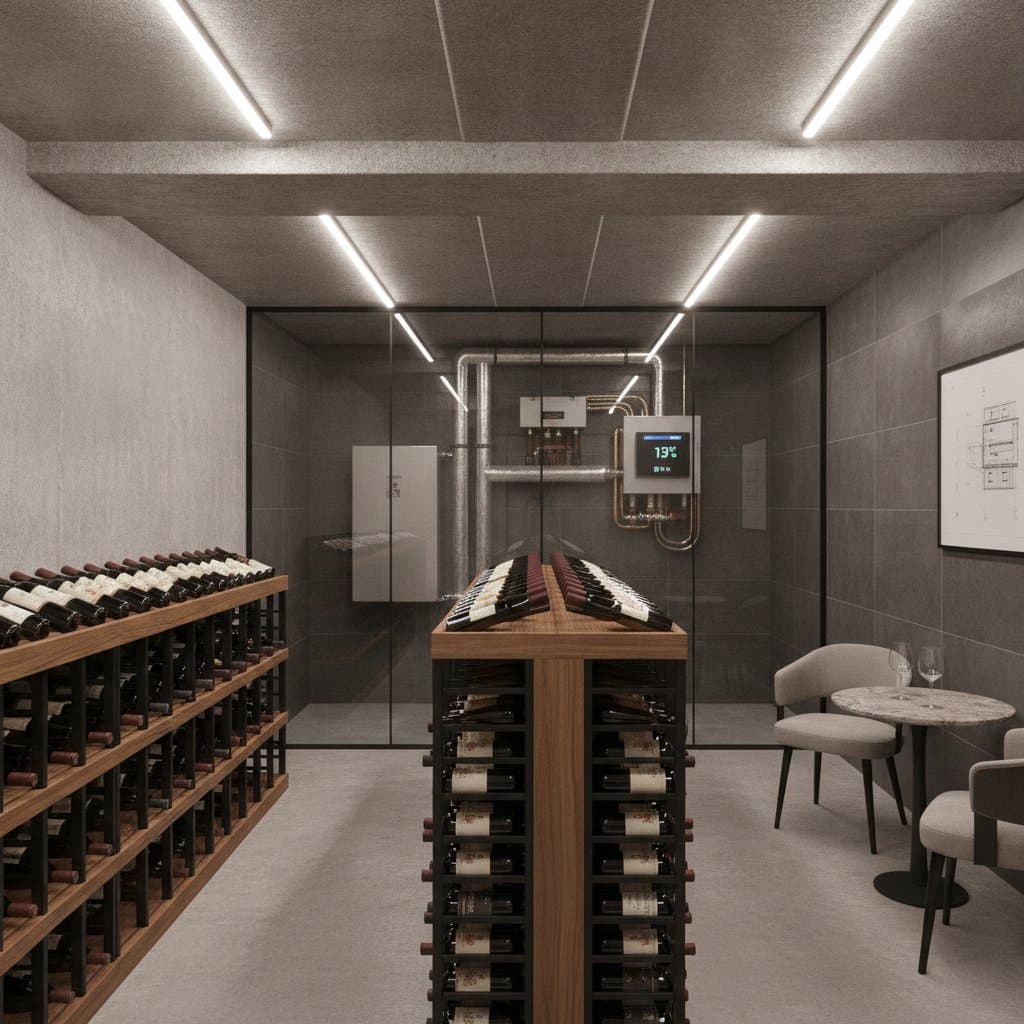
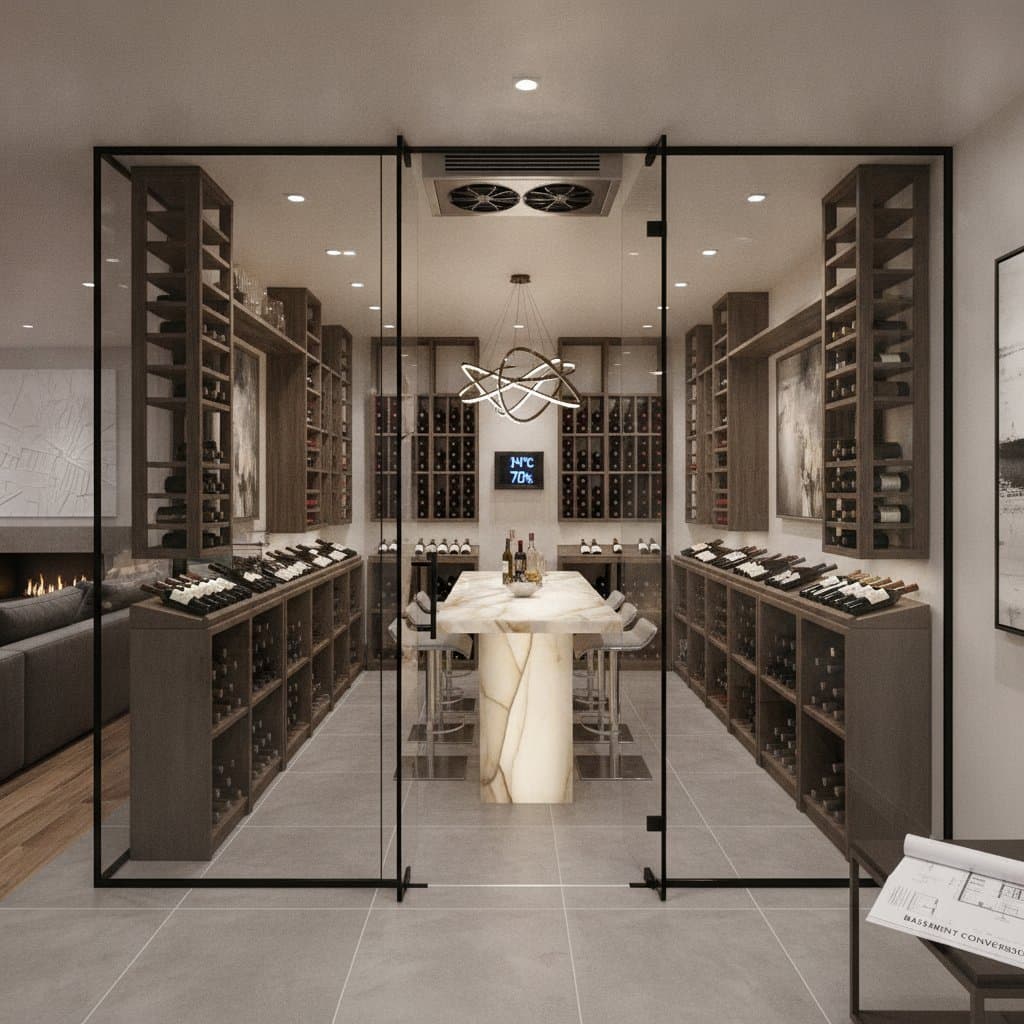
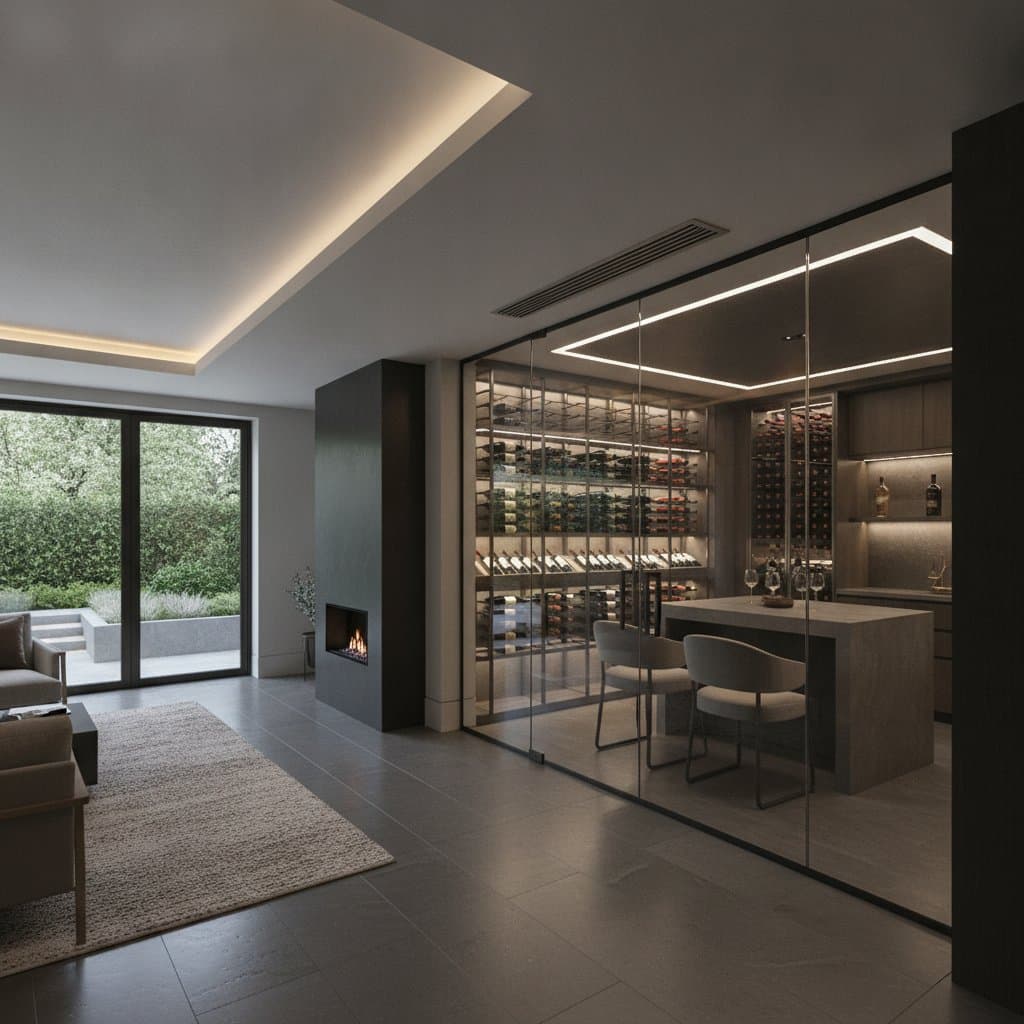
Concrete or stone walls provide excellent resistance to moisture, though they elevate labor expenses. Glass enclosures offer a contemporary aesthetic at $150 to $250 per square foot. Redwood or mahogany wood racking introduces an additional $2,000 to $6,000, depending on the scale and intricacy.
Cooling and Humidity Systems
Reliable cooling units range from $3,000 to $8,000, varying by capacity and ventilation requirements. Separate humidity controls add $600 to $1,200 and ensure the preservation of labels and corks, thereby safeguarding the collection's long-term worth.
Access and Concealment Features
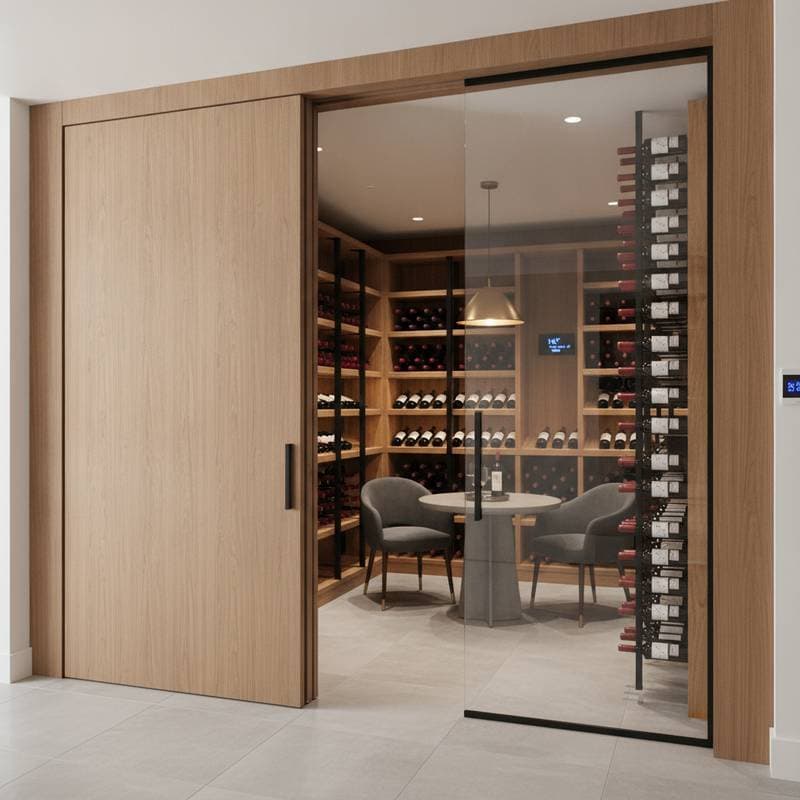
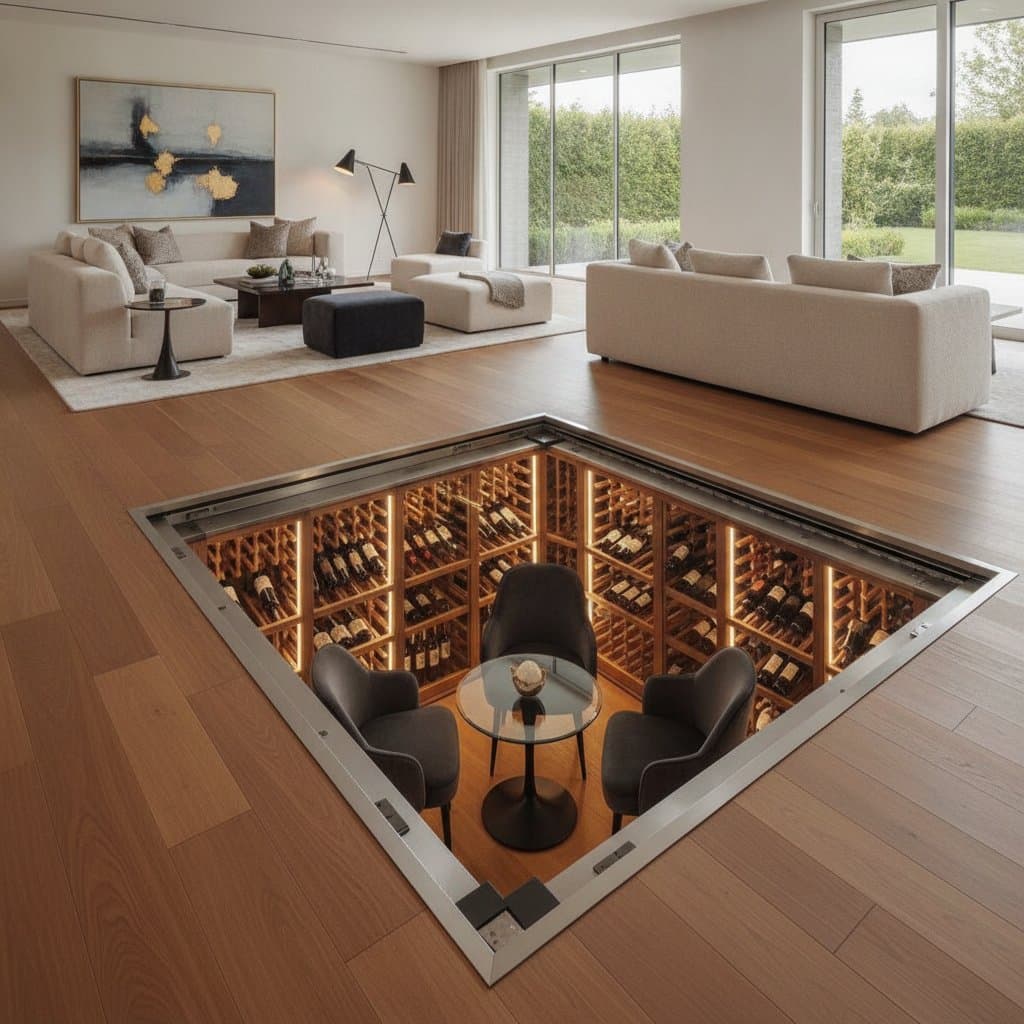
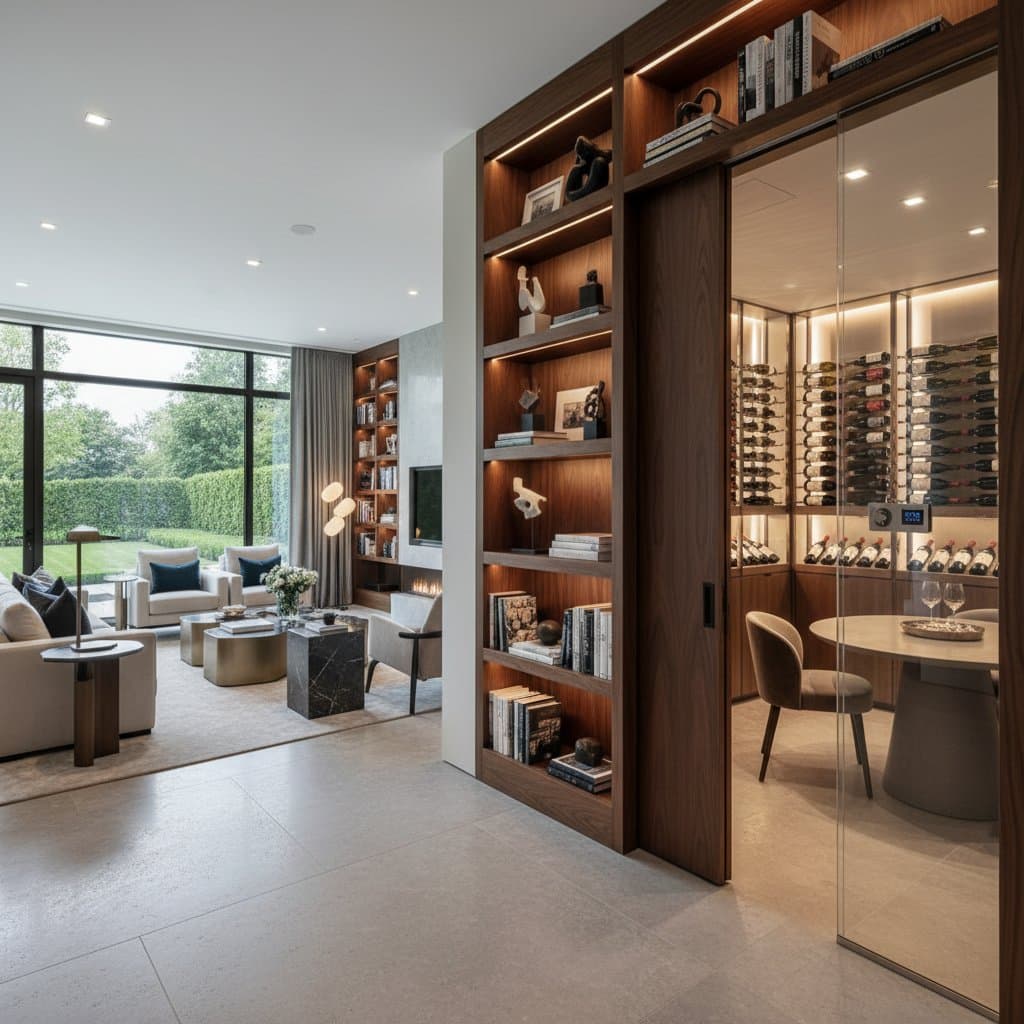
Options such as hidden doors, motorized panels, or stairwell lifts contribute $2,000 to $10,000. Greater complexity in concealment increases expenses related to electrical and mechanical integration.
Permits and Structural Modifications
Permits and inspections typically cost $500 to $2,000, particularly for projects involving excavation, structural changes, or new electrical work. In older homes, reinforcement may add several thousand dollars to address potential weaknesses.
DIY Approach Versus Professional Installation
Suitable Scenarios for DIY
Consider a DIY project when adapting an existing closet or under-stair area that requires no new wiring or HVAC modifications. Focus on basic framing, insulation, and racking installation. Allocate $3,000 to $8,000 for materials, including ready-to-use cooling units.
Required Skill Level: Intermediate
Essential Tools: Saw, drill, insulation applicators, moisture meter
Potential Risks: Inadequate vapor sealing, resulting in condensation damage or unstable temperatures
Reasons to Engage Professionals
Opt for a licensed contractor in cases that involve excavation, concrete cutting, electrical rerouting, or the installation of waterproofing and vapor barriers. Experts handle precise humidity management, load-bearing assessments, and adherence to building codes. Errors here can lead to structural problems or mold growth, compromising the cellar and the home's integrity.
Additional Cost for Professionals: Labor premiums of about 20 percent, offset by reduced likelihood of future repairs or warranty issues.
Project Timeline and Cost-Saving Strategies
Anticipate a duration of 4 to 10 weeks, influenced by the extent of excavation. Delays frequently arise from custom glass fabrication, HVAC procurement timelines, or permit processing.
To optimize expenses, procure materials in advance and align labor schedules with less busy periods in the construction calendar.
Effective Planning Tactics
Schedule installation during cooler months when ambient humidity levels naturally decrease, facilitating easier setup and initial testing. Combine the project with related improvements, such as basement waterproofing or enhanced lighting, to minimize redundant labor charges. Inquire about incentives for energy-efficient cooling systems that consume minimal power.
Reserve an additional 10 to 15 percent of the budget for unforeseen issues, especially in established homes where foundation moisture or irregular flooring may surface during groundwork.
The Investment Appeal of Hidden Wine Cellars
Affluent purchasers prioritize spaces that function as both practical utilities and artistic elements. A hidden wine cellar fulfills this by merging expert construction with a sense of exclusivity. Analysis of premium real estate listings indicates that properties featuring such concealed cellars typically sell more quickly and achieve prices up to 15 percent above comparable homes without them.
Primary Factors Enhancing Value:
-
Integrated climate control that serves as a prominent design element
-
Discreet entry points that improve security while adding an element of surprise
-
Durable materials requiring minimal upkeep over time
This feature underscores superior build quality and meticulous planning, qualities that resonate with appraisers and prospective owners.
Steps to Implement Your Project
For optimal investment outcomes, initiate the process with a professional consultation prior to any digging or structural work. Engage a specialist in moisture management to sidestep expensive oversights. Evaluate available space, determine desired bottle capacity, and specify the location for concealed access.
Immediate Actions to Pursue:
-
Evaluate Potential Sites: Identify stable areas like basement corners or under-stair voids with consistent temperatures.
-
Conduct Moisture Assessments: Test current levels to inform material selections.
-
Solicit Multiple Quotes: Contact at least three contractors experienced in climate-regulated environments.
-
Select Concealment Method: Choose early to allow seamless incorporation into the framing phase.
-
Track Expenses Methodically: Employ a spreadsheet to monitor costs per square foot, equipment, and finishing options.
Prioritize investment in robust cooling and humidity systems, as they minimize ongoing maintenance and preserve collection integrity for years.
Executed thoughtfully, a hidden wine cellar evolves from a mere novelty into a valuable asset that harmonizes elegance, utility, and economic gain. With deliberate attention to budgeting, scheduling, and safety protocols, it transforms overlooked areas into enduring enhancements that distinguish your property in the market.