Hidden Wine Cellars Add 15% to Home Value in 2025
Hidden wine cellars represent a sophisticated home upgrade that combines luxury with functionality. These discreet spaces provide secure storage for wine collections while enhancing the overall aesthetic of a property. In 2025, experts predict that such installations will contribute significantly to home values, offering homeowners a smart investment opportunity.
Homeowners who incorporate hidden wine cellars often report increased satisfaction with their living spaces. The appeal lies in the seamless integration of these features, which maintain the home's architectural integrity. As real estate trends evolve, these cellars stand out as a premium addition that appeals to buyers seeking refined lifestyles.
The Rising Appeal of Hidden Wine Cellars
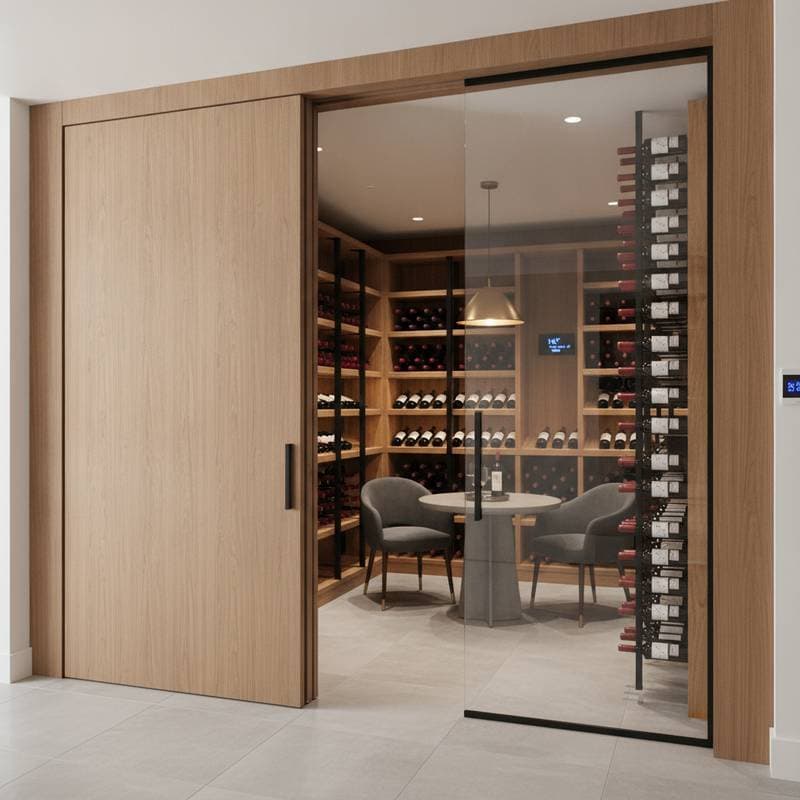
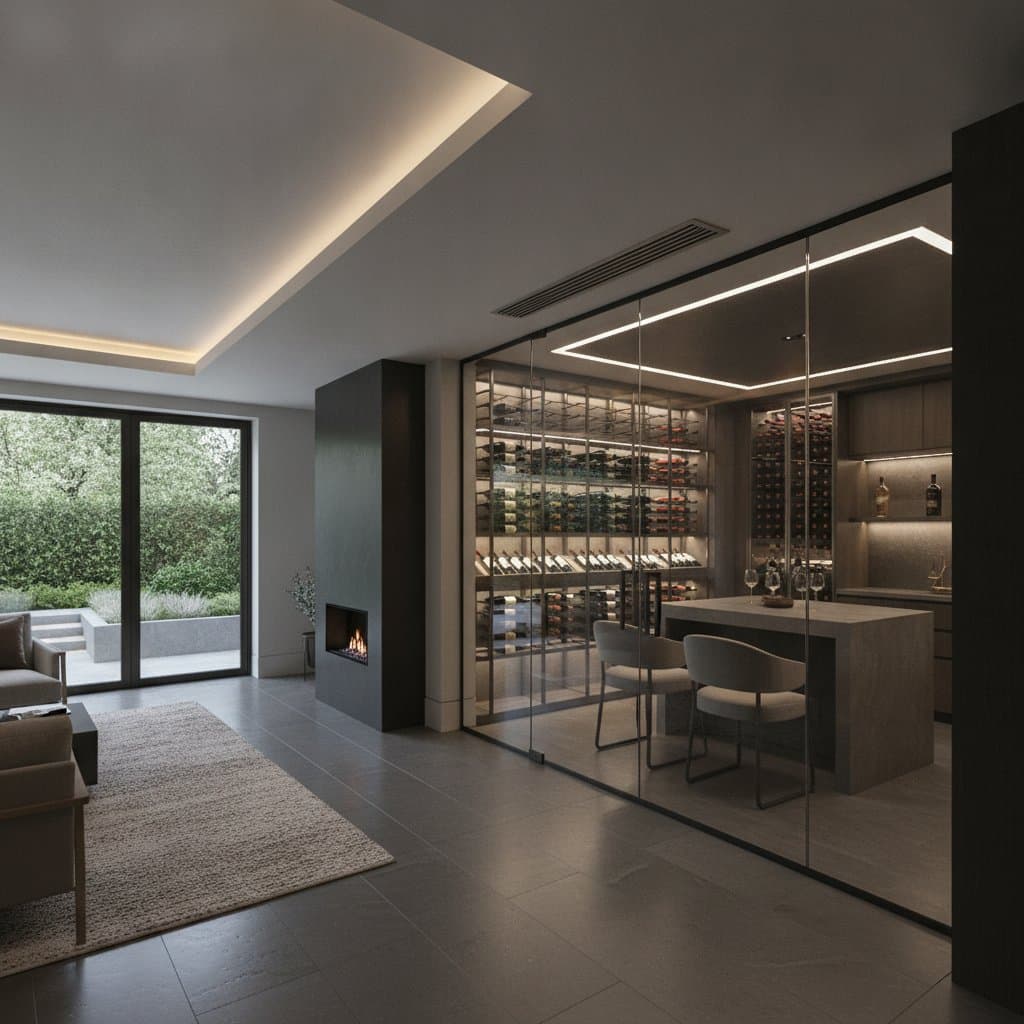
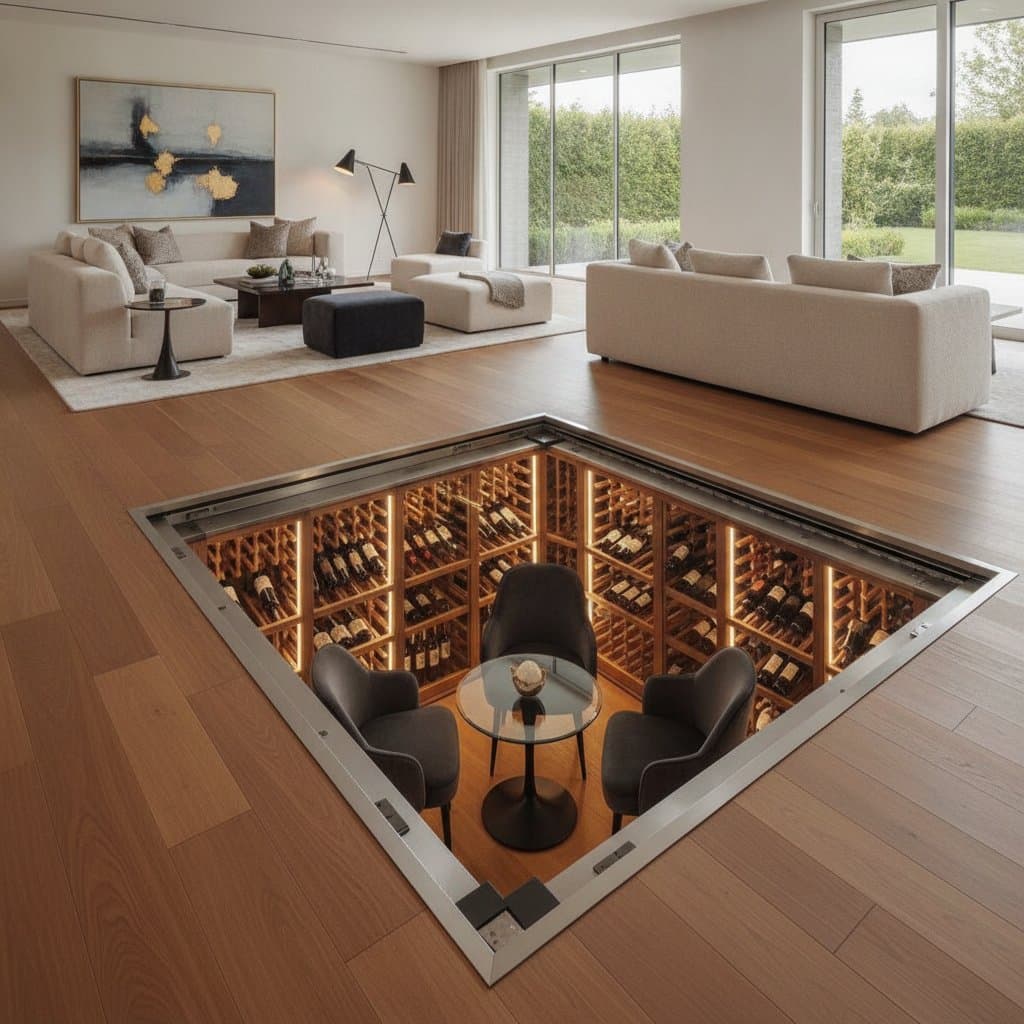
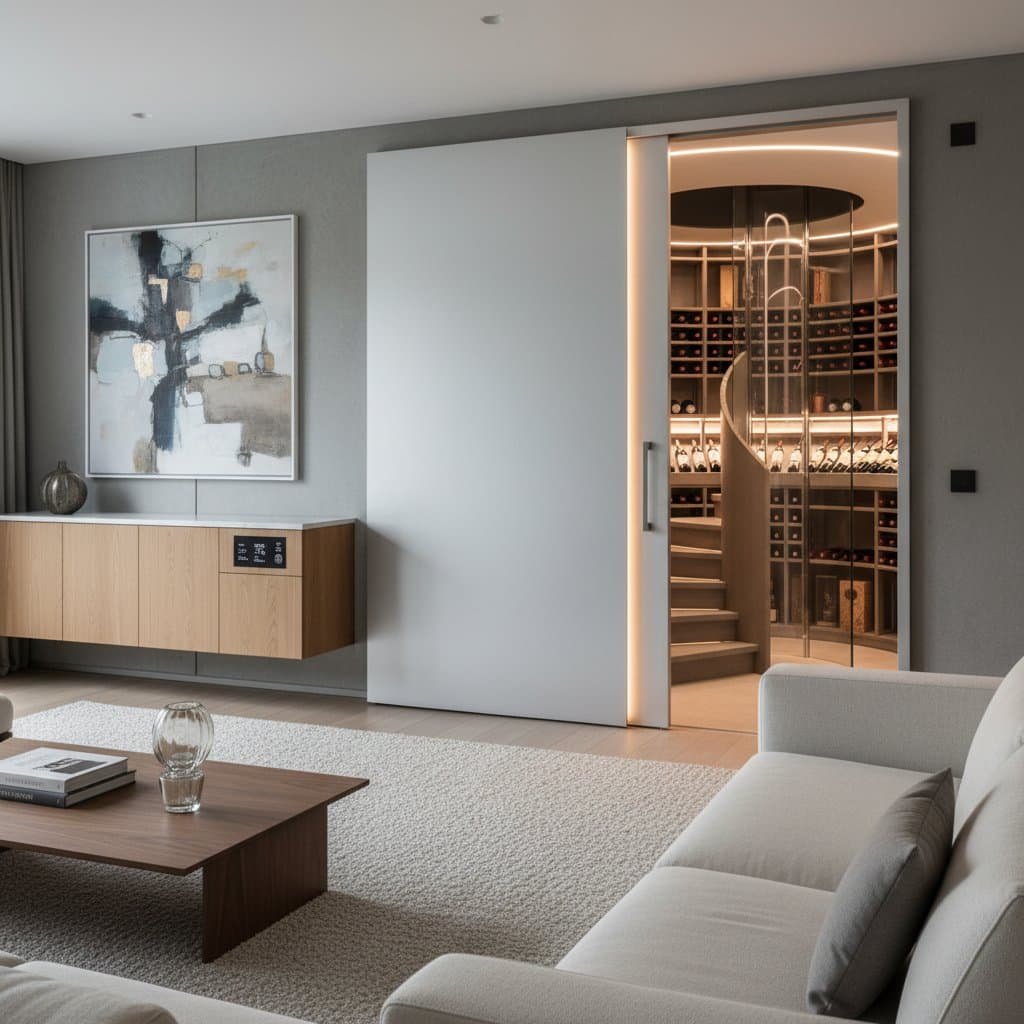
Hidden wine cellars differ from traditional visible storage by emphasizing subtlety and surprise. They can take forms such as concealed doors behind bookshelves or integrated compartments beneath staircases. This design approach preserves the home's open floor plan while adding an element of exclusivity.
The demand for these features grows among affluent buyers who value privacy and personalization. Real estate professionals note that properties with unique, high-end amenities like wine cellars sell faster and at higher prices. In 2025, this trend will intensify as more homeowners prioritize investments that blend utility with elegance.
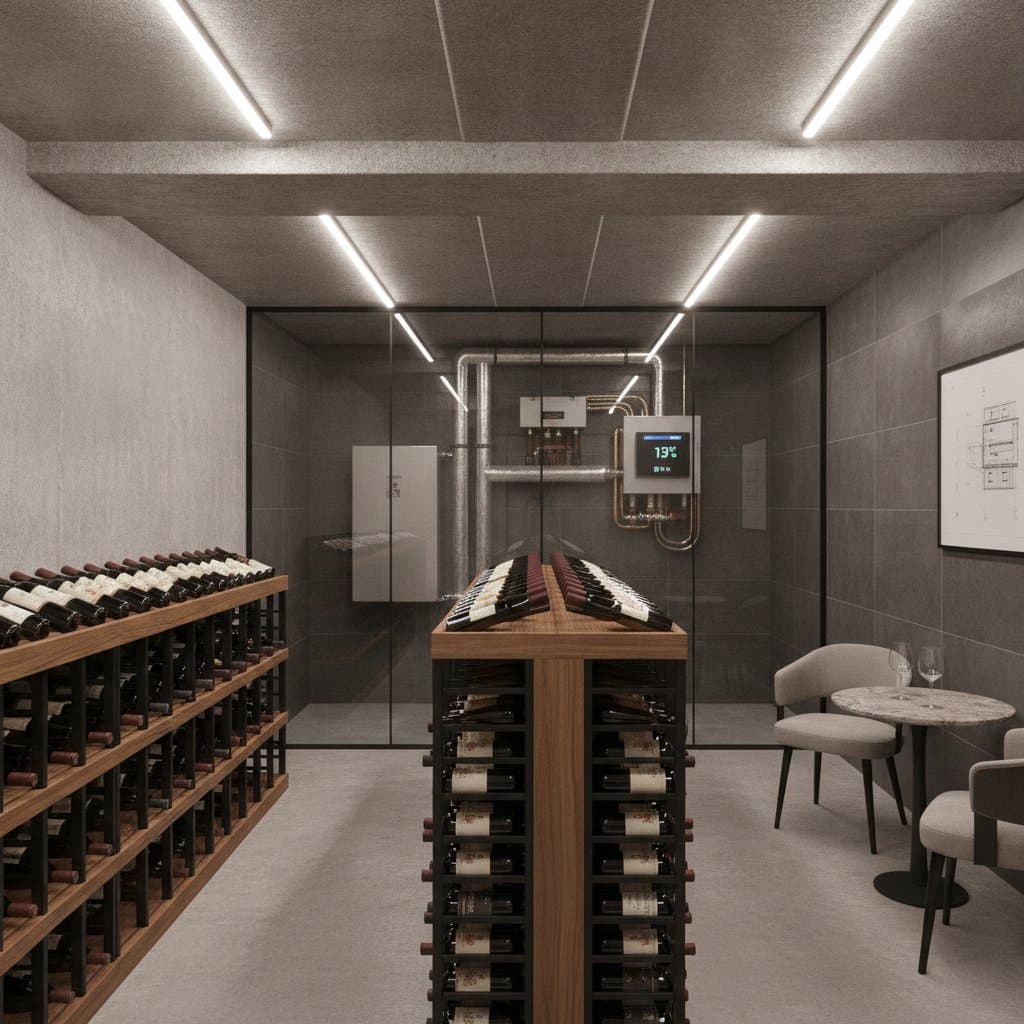
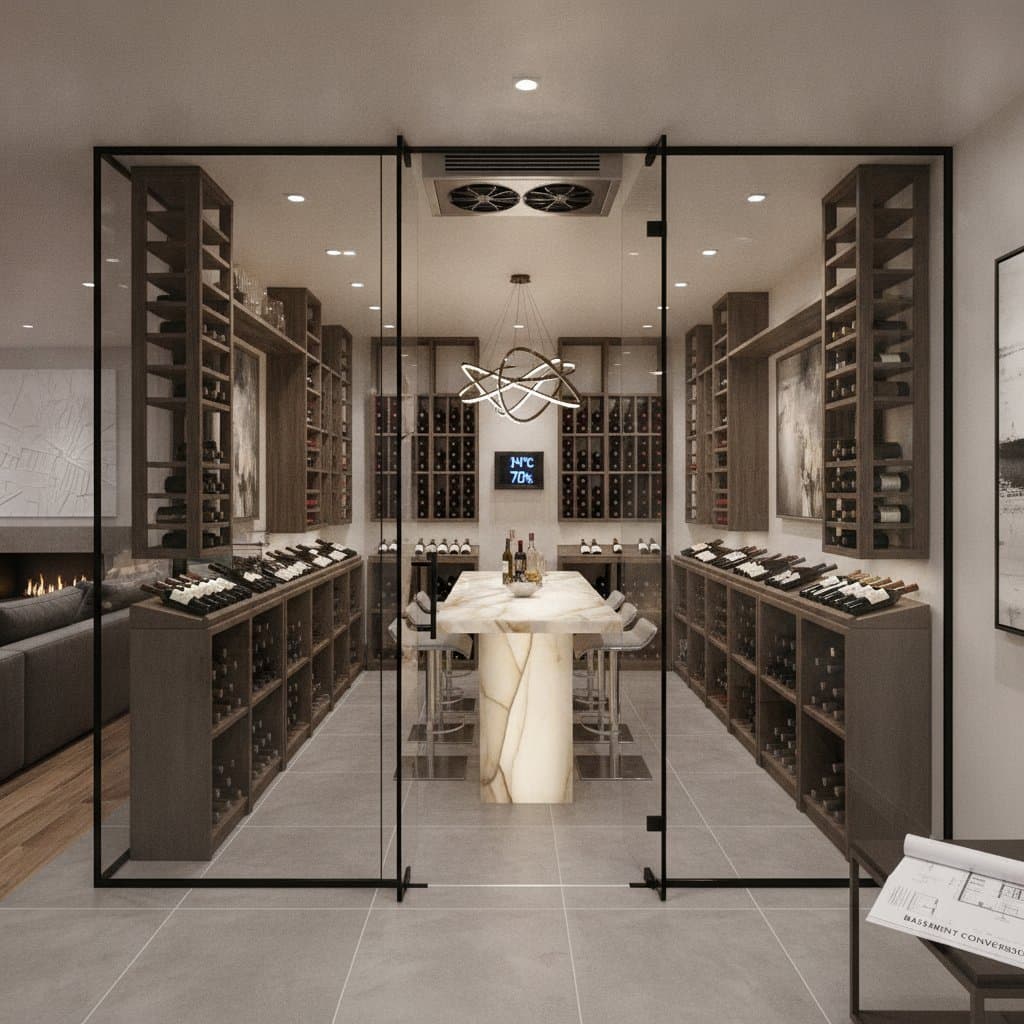
Climate control remains a key component, ensuring wines age properly without exposure to light or temperature fluctuations. Modern systems maintain humidity levels between 50 and 70 percent and temperatures around 55 degrees Fahrenheit. Such precision protects collections and underscores the cellar's role as a serious storage solution.
How Wine Cellars Boost Property Value
Real estate appraisals increasingly recognize the financial benefits of hidden wine cellars. Data from recent market analyses indicate that these additions can elevate a home's resale value by up to 15 percent. This boost stems from the perceived luxury and the practical utility they provide to potential buyers.
Buyers view wine cellars as indicators of a well-maintained and thoughtfully designed property. The investment signals attention to detail, which translates to broader appeal in competitive markets. For homes in upscale neighborhoods, this feature can differentiate a listing and justify premium pricing.
The return on investment varies by location and execution quality. In urban areas with high demand for luxury homes, the uplift may exceed 15 percent. Homeowners planning renovations should consult local appraisers to gauge specific impacts on their property's market position.
Cost Considerations for Installation
Building a hidden wine cellars involves expenses that range from $18,000 to $80,000, depending on size, materials, and complexity. Basic setups with standard racking and climate control fall toward the lower end of this spectrum. Custom designs, including intricate access mechanisms and premium finishes, push costs higher.
Factors influencing the budget include the space's location within the home and necessary structural modifications. Excavation for underground cellars adds to labor expenses, while retrofitting existing areas requires careful planning to avoid disrupting daily life. Homeowners benefit from obtaining multiple quotes to compare options and ensure value for money.
Ongoing costs encompass electricity for cooling systems and periodic maintenance. Energy-efficient models reduce long-term expenses, making the investment more sustainable. Budgeting for these elements ensures the cellar remains a worthwhile asset over time.
Breaking Down Key Expenses
- Design and Planning: Architects or specialists charge $2,000 to $5,000 for custom layouts that integrate seamlessly with the home.
- Construction and Materials: Framing, insulation, and racking account for $10,000 to $50,000, with high-end woods and metals increasing the total.
- Climate Control Systems: Units with humidity regulation cost $3,000 to $15,000, including installation.
- Concealment Features: Hidden doors or panels add $3,000 to $10,000 for mechanisms that blend into surroundings.
Design Tips for Elegant Integration
Successful hidden wine cellars prioritize harmony with the home's existing style. Select materials that match interior finishes, such as oak paneling for traditional homes or sleek metals for modern designs. Lighting should be subtle, using LED strips to highlight bottles without generating heat.
Capacity planning ensures the space accommodates current and future collections. A typical 200-bottle cellar measures about 50 square feet, but expandable designs allow for growth. Consult with designers to optimize layout for easy access and inventory management.
Security features enhance both functionality and appeal. Biometric locks or reinforced doors protect valuable collections from unauthorized access. These elements reassure owners and impress buyers during showings.
Popular Design Styles
- Underfloor Access: Spiral staircases leading to subterranean spaces create a dramatic reveal while saving surface area.
- Secret Room Conversions: Transforming closets or unused nooks into cellars maintains discretion and utilizes dead space effectively.
- Integrated Cabinetry: Built-in units behind false walls offer compact solutions for smaller homes.
Practical Steps for 2025 Renovations
Homeowners embarking on this project should start with a professional assessment of their property. Structural engineers evaluate feasibility, particularly for below-grade installations. Permits may require approval from local authorities, so early submission prevents delays.
Select contractors experienced in luxury home modifications to guarantee quality workmanship. Review portfolios for similar projects to ensure alignment with vision. Clear communication throughout the process minimizes errors and keeps the project on schedule.
Post-installation, inventory tracking software helps manage collections efficiently. Regular inspections maintain optimal conditions, preserving the cellar's value. These steps ensure the upgrade delivers lasting benefits.
Maximizing Long-Term Benefits
Hidden wine cellars extend beyond immediate value increases by fostering a lifestyle of sophistication. They serve as gathering spaces for entertaining, enhancing social experiences within the home. As wine enthusiasm grows, these features position properties as desirable in evolving markets.
Sustainability plays a role in modern designs, with eco-friendly insulation and low-energy systems reducing environmental impact. Homeowners who prioritize green practices appeal to conscious buyers, further elevating resale potential. Thoughtful implementation turns this upgrade into a cornerstone of home equity.
In summary, integrating a hidden wine cellar in 2025 offers tangible returns through enhanced value and enjoyment. This investment reflects foresight in home improvement, rewarding owners with both financial and personal gains.