Hidden Wine Cellars Boost Home Value by 15 Percent
Key Insight: Installing a hidden wine cellar elevates your home's market value by approximately 15 percent. Basic configurations begin at around $25,000, while elaborate, high-end constructions reach up to $120,000.
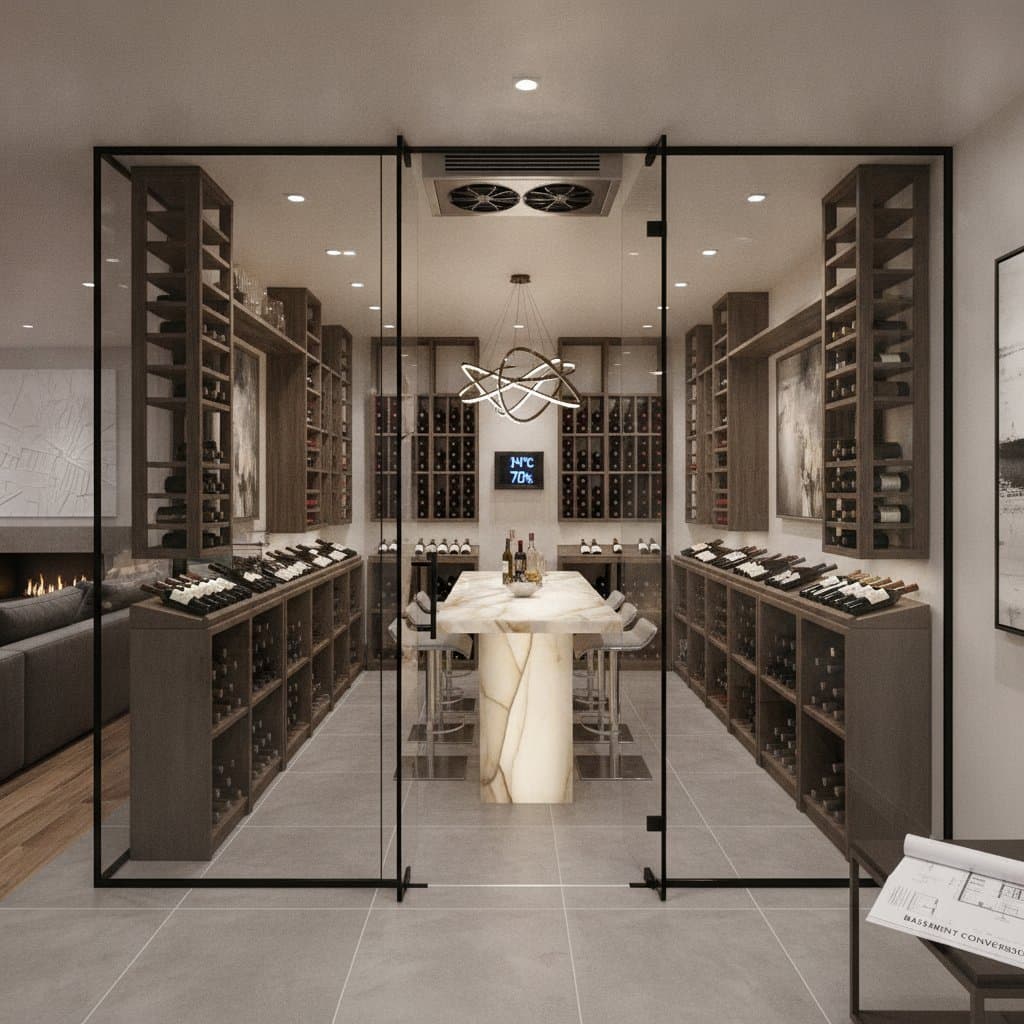
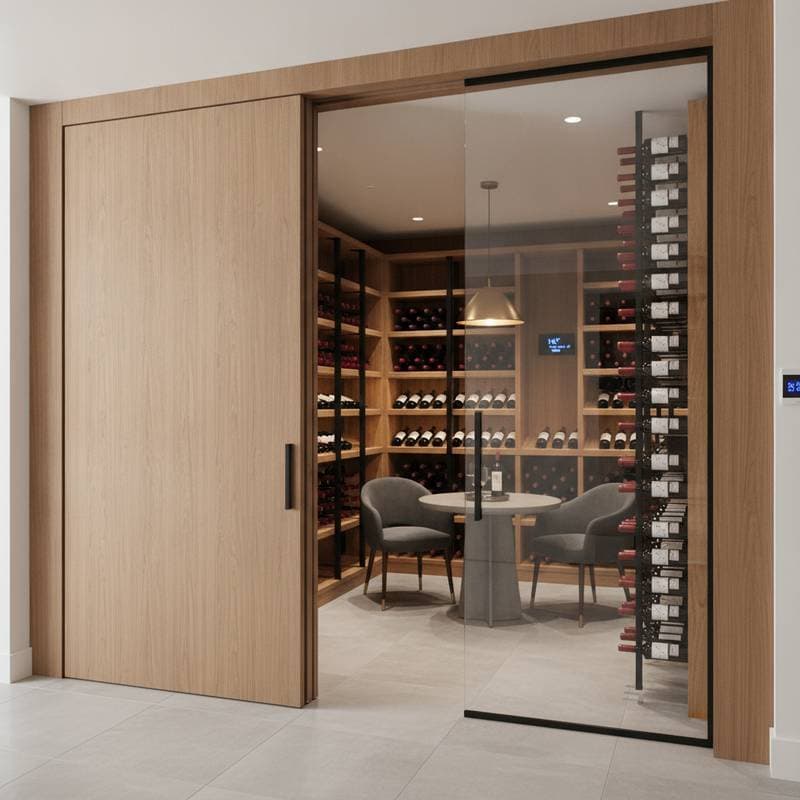
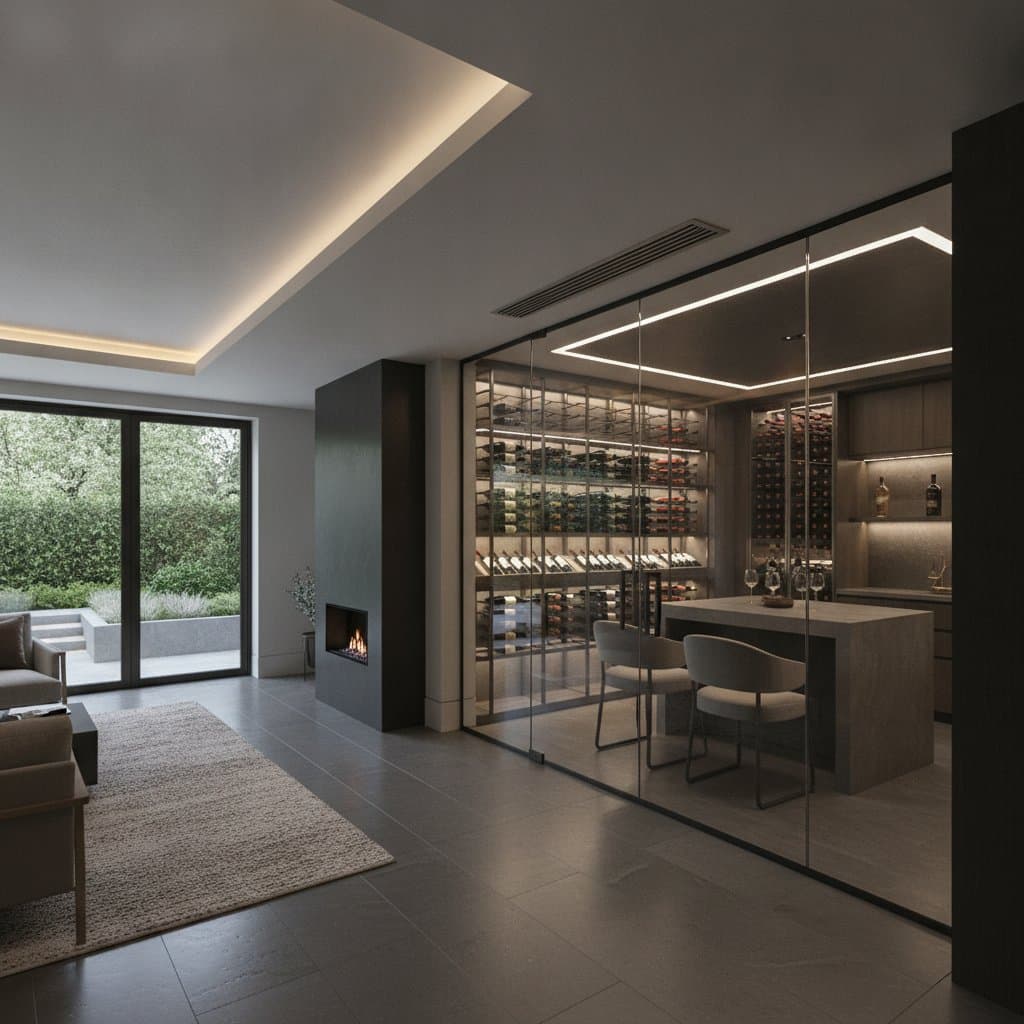
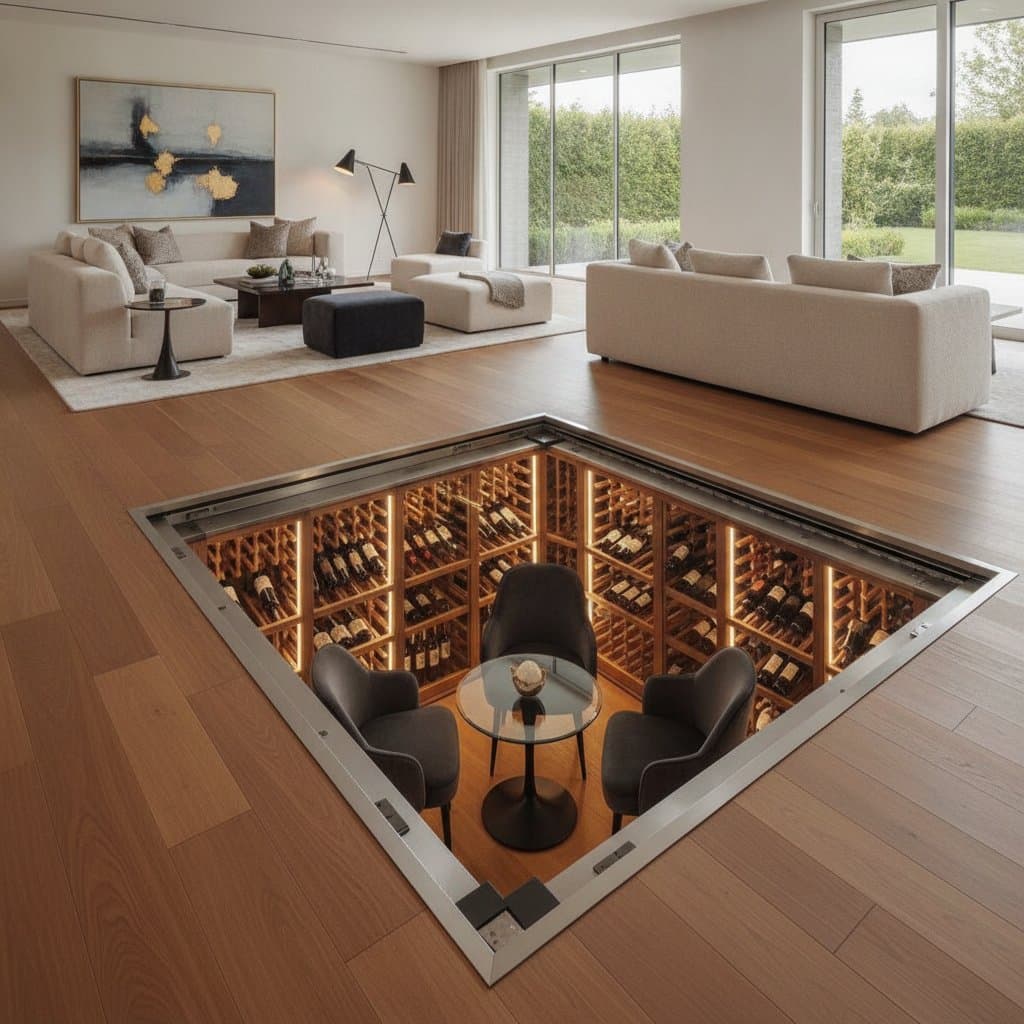
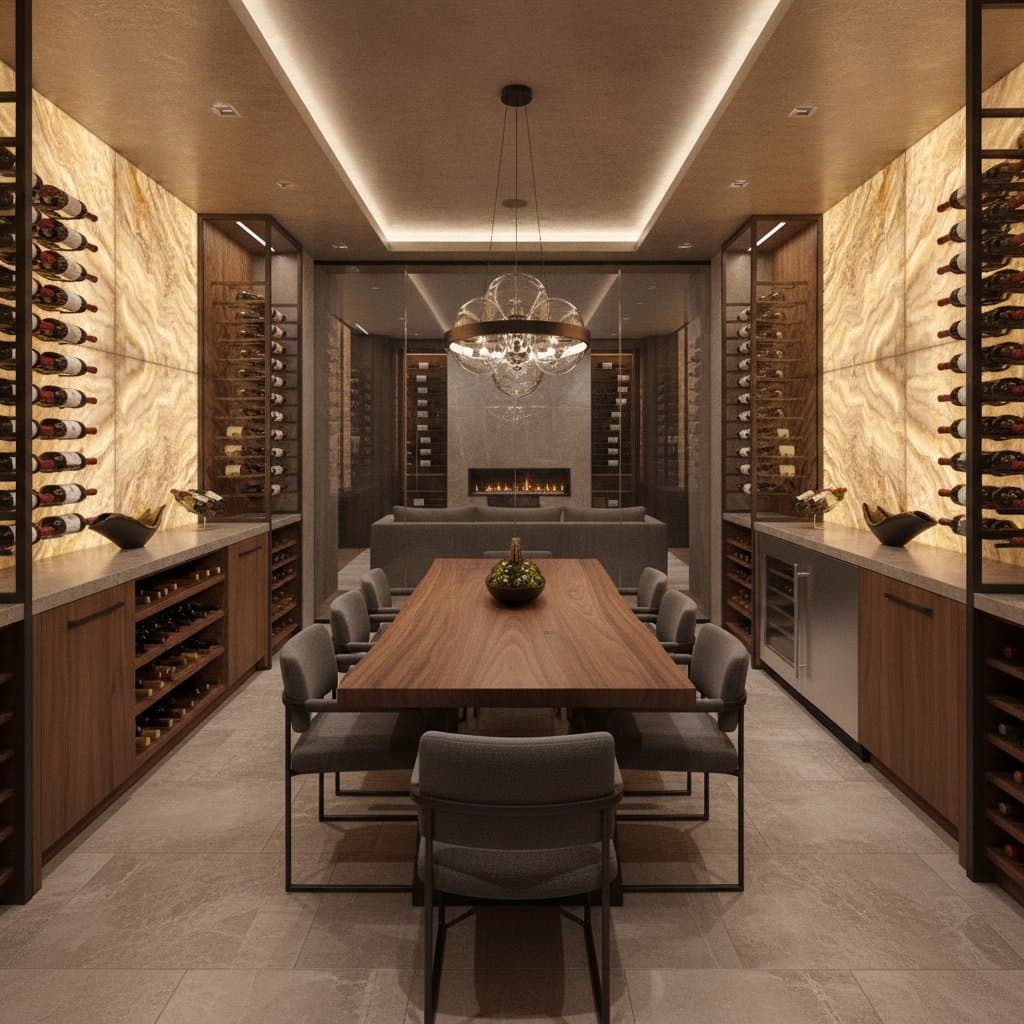
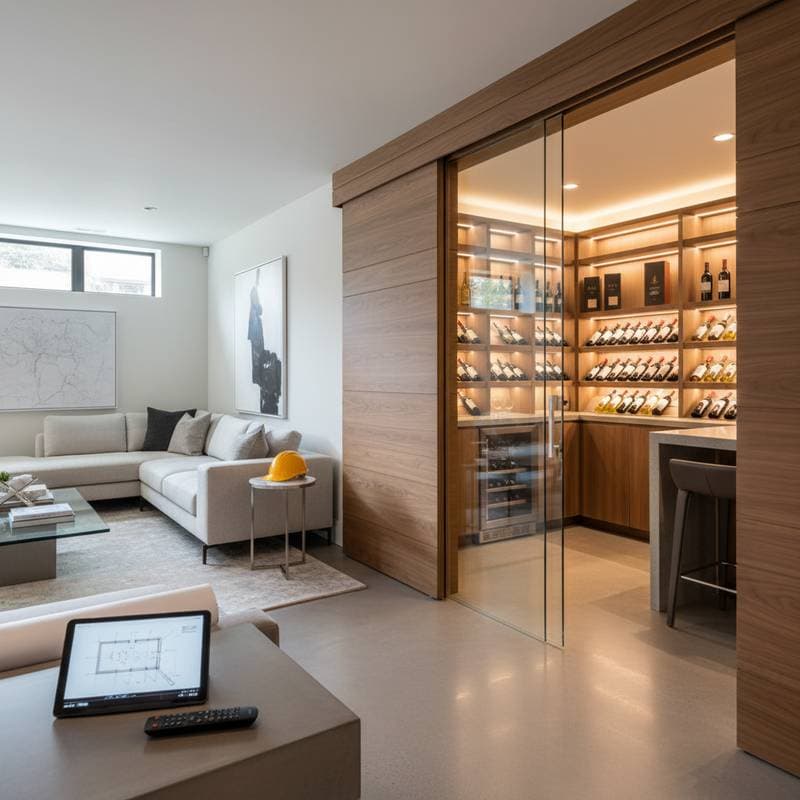
Hidden wine cellars offer more than aesthetic appeal. They serve as functional retreats that preserve collections while adding a layer of sophistication to any property. Homeowners who invest in these features often report heightened buyer interest during sales, particularly in upscale markets.
Factors Influencing Costs
The expense of a hidden wine cellar arises from a combination of structural modifications, mechanical systems, and aesthetic elements. Each component contributes uniquely to the overall budget, requiring careful planning to avoid unexpected overruns.
- Excavation or Space Conversion: Transforming an unused basement area or crawl space into a dedicated cellar typically costs between $5,000 and $20,000. Projects involving below-grade construction necessitate waterproofing measures and thorough structural assessments to ensure long-term stability.
- Climate Control Systems: Dedicated cooling units range from $3,000 to $10,000 in price. Additional investments in insulation materials and vapor barriers add $2,000 to $4,000, safeguarding against temperature fluctuations and humidity.
- Storage Solutions: Modular metal racking starts at $50 per bottle capacity, whereas bespoke wooden cabinetry can exceed $300 per bottle. Select options based on collection size and desired visual integration with the home's decor.
- Interior Finishes and Illumination: Budget $2,000 to $8,000 for durable, moisture-resistant flooring, energy-efficient LED lighting, and airtight door systems that maintain optimal conditions.
- Professional Design and Regulatory Approvals: Design consultations with specialists average $2,500 to $6,000. Local permits contribute an additional $500 to $2,000, varying by project complexity and municipal requirements.
Allocate an additional 10 to 15 percent of your total budget for unforeseen challenges, such as undetected moisture problems or foundational adjustments in established residences. Conducting a preliminary site inspection minimizes these risks and refines cost projections.
DIY Approaches Versus Professional Installation
Opportunities for DIY Involvement
Homeowners with relevant skills manage several aspects independently. Develop initial design concepts, create layout diagrams, and choose finishing materials to personalize the space. Tasks like assembling racking systems, applying floor sealants, and installing basic lighting suit those proficient in carpentry and electrical work.
These efforts reduce labor expenses while fostering a sense of ownership. However, limit DIY to non-structural elements to preserve safety and functionality.
Reasons to Engage Professionals
Licensed contractors become essential for complex undertakings. Retain experts when structural alterations or excavation prove necessary, or when integrating electrical and HVAC components. Projects featuring hidden access panels or automated controls demand specialized knowledge to function reliably.
Professionals guarantee adherence to building codes, particularly regarding electrical capacity and moisture prevention. Proper calibration of climate systems avoids issues like mold growth, excess condensation, or inconsistent temperatures that could damage stored wines and diminish the investment's worth. Inexperienced attempts often lead to costly repairs down the line.
Project Timelines and Cost-Saving Strategies
Anticipate a timeline of 6 to 14 weeks from inception to completion, accounting for design reviews and supply procurement delays.
- Design Development: This initial stage spans 1 to 3 weeks, involving consultations and preliminary sketches.
- Permitting and Material Sourcing: Expect 1 to 4 weeks to secure approvals and acquire components.
- Build and Final Touches: The core construction phase requires 3 to 7 weeks, focusing on installation and testing.
Common setbacks stem from delays in sourcing specialized cooling equipment or custom glass elements. Initiate orders promptly and verify electrical infrastructure capacity prior to starting work.
Weather Considerations: Schedule excavation and sealing during periods of moderate temperatures and reduced humidity for optimal results. In regions prone to intense rainfall, postpone until soil conditions stabilize to prevent water-related complications.
Incentive Opportunities: Certain locales provide rebates for energy-efficient cooling units or LED fixtures. Contact your regional utility provider early to identify eligible programs and maximize savings.
Impact on Market Value and Buyer Appeal
Beyond visual allure, a hidden wine cellar delivers tangible financial benefits. Market analyses indicate that properties in premium segments command a 10 to 15 percent price uplift for those equipped with discreet, tailored wine storage solutions. The element of surprise, paired with practical utility, positions the feature as a hallmark of quality construction and thoughtful design.
Modest investments yield impressive returns. For instance, a $40,000 mid-tier cellar might elevate a property's appraised value by $50,000 or greater in vibrant, affluent communities.
For sellers eyeing a move within a few years, targeting a balanced midrange build proves most effective. Such installations balance upfront costs with standout listing advantages, appealing to discerning buyers without overcapitalizing the space.
Steps to Launch Your Project
- Evaluate Available Spaces: Identify suitable areas such as basements, underutilized stairwells, or unused rooms that lend themselves to concealed integration.
- Conduct Environmental Assessments: Measure current humidity and temperature levels. Significant variations signal the need for comprehensive insulation and barrier installations.
- Establish Budget Parameters: Define a realistic range, incorporating a 15 percent buffer for contingencies.
- Seek Expert Consultations: Engage wine cellar designers or contractors, requesting client references and itemized proposals covering materials, labor, and approvals.
- Outline Project Schedule: Reserve two to three months overall, from concept to final walkthrough.
A hidden wine cellar enhances daily living while fortifying your home's financial position. Treat the endeavor with the diligence of any significant renovation, emphasizing precise budgeting, feasible scheduling, and unwavering commitment to quality standards.