Understanding Hidden Pantries
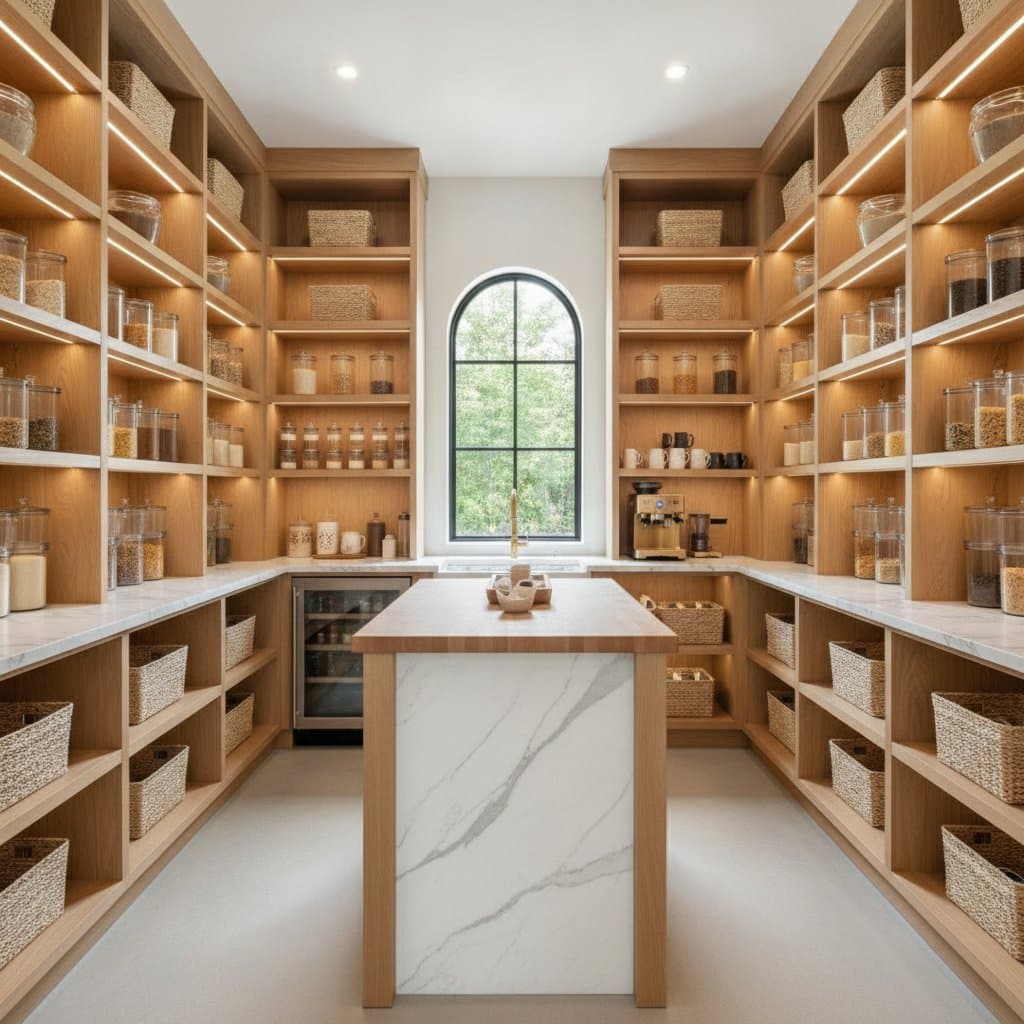
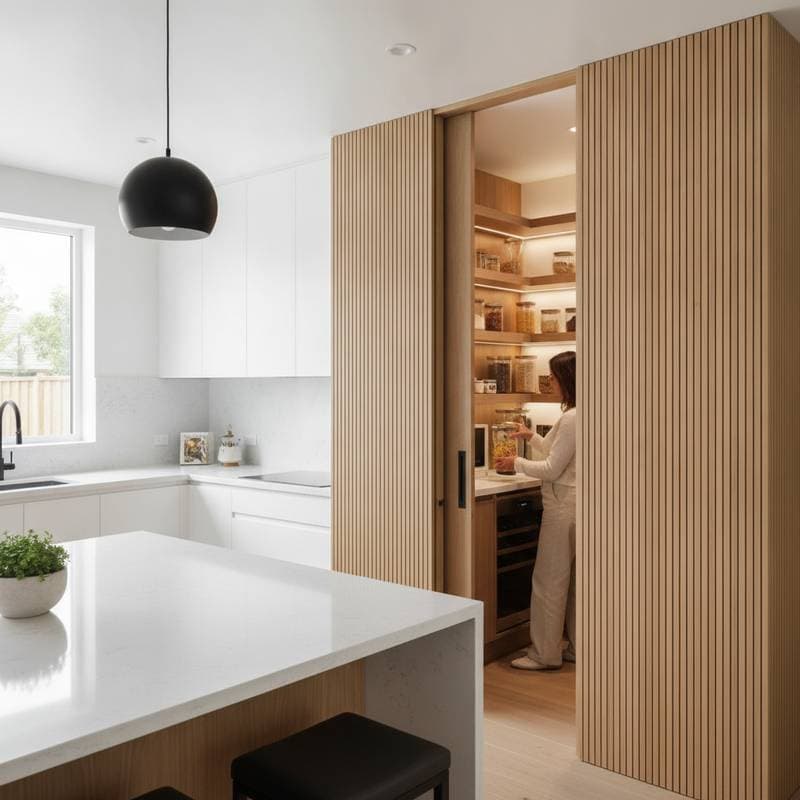
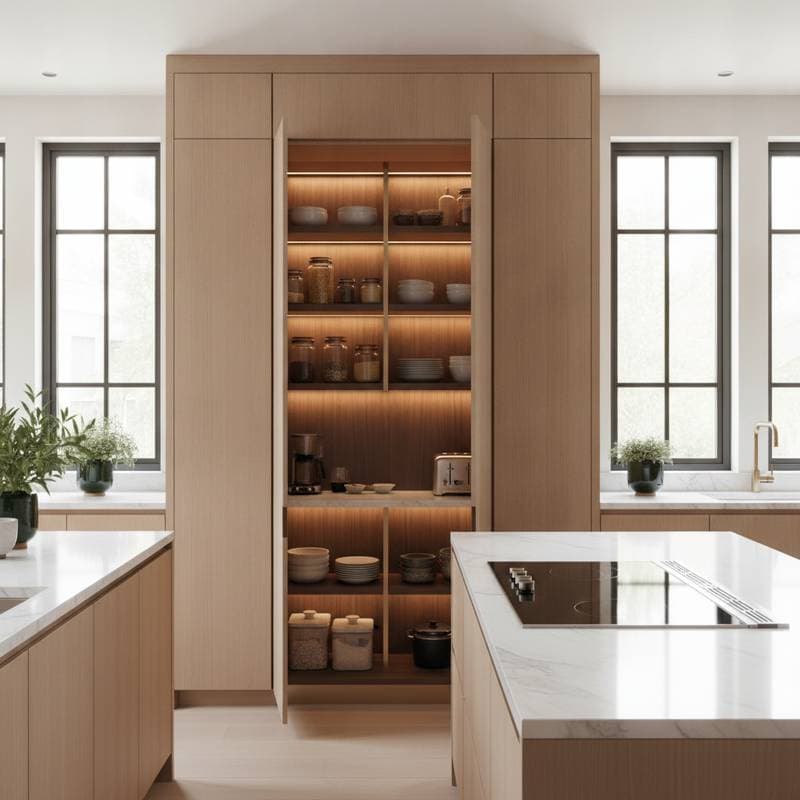
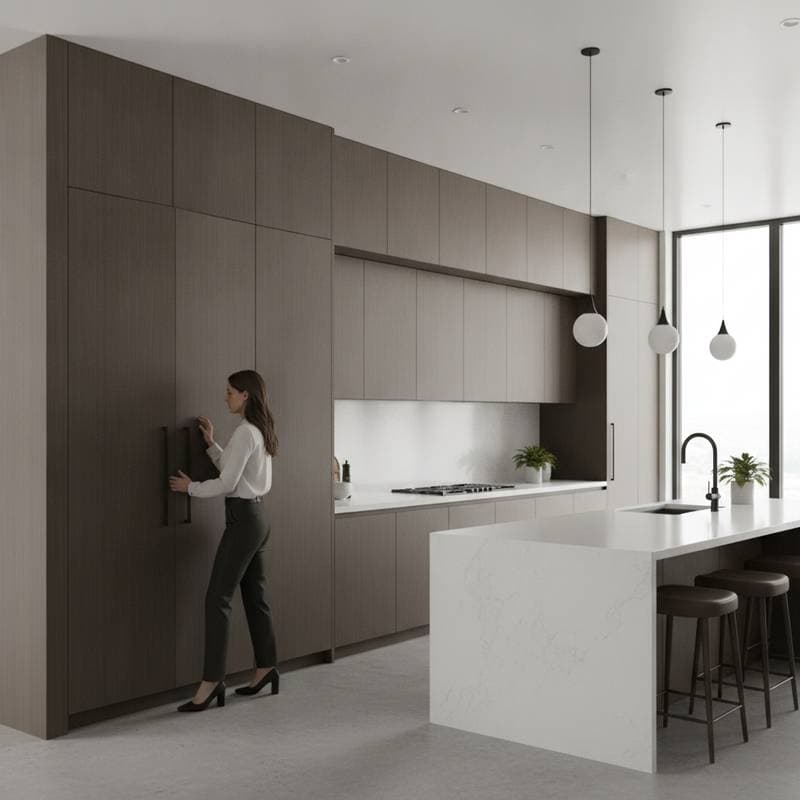
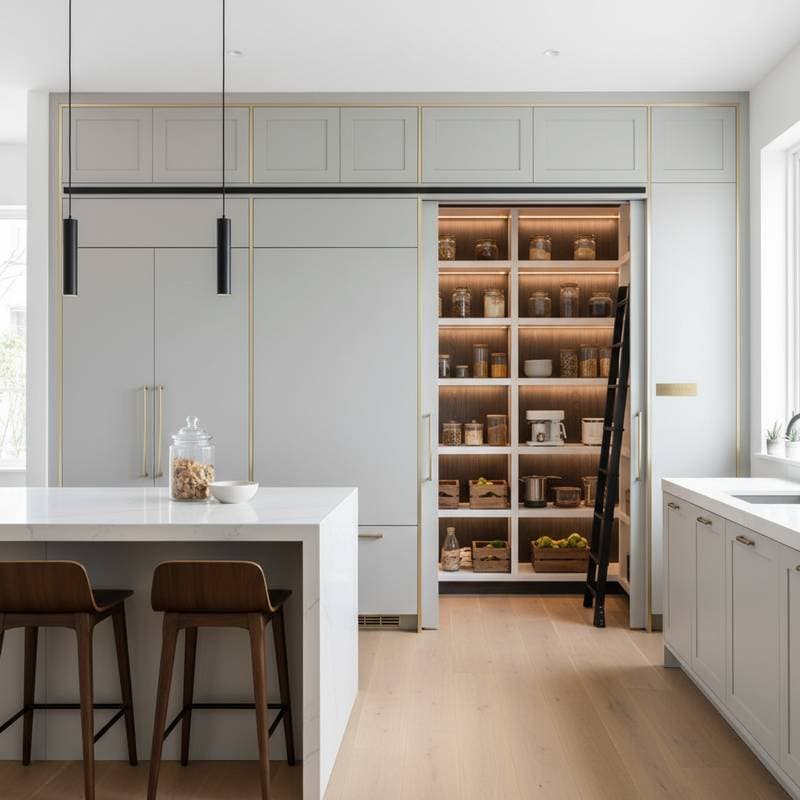
Hidden pantries consist of custom storage units integrated seamlessly into kitchen cabinetry. Unlike traditional open shelving or visible cupboards, these spaces remain out of sight, preserving a clean and minimalist appearance. Homeowners appreciate their ability to organize bulk items, appliances, and pantry staples without compromising the room's visual appeal.
This design trend gained prominence in recent years as kitchens evolved into multifunctional hubs. Architects and interior designers now incorporate hidden pantries to maximize space in compact urban homes or expansive suburban layouts. The result offers both practicality and a sense of luxury that appeals to prospective buyers.
Real estate experts note that such upgrades align with buyer preferences for organized, efficient living areas. A well-executed hidden pantry not only serves daily needs but also signals thoughtful home improvements that enhance overall marketability.
The Impact on Home Value
Recent market analyses indicate that hidden pantries contribute to an 11 percent uplift in home valuation. This figure derives from studies of renovated properties where storage innovations played a key role in sale prices. Buyers view these features as indicators of modern, low-maintenance living, which justifies premium pricing.
The value boost stems from several factors. First, hidden storage reduces visual clutter, creating an illusion of spaciousness that broadens appeal. Second, it addresses common pain points like inadequate organization, making the home more desirable in competitive markets.
In high-demand areas, where kitchen remodels drive sales, this addition stands out. For instance, properties with concealed storage often close faster and at higher bids compared to those with outdated layouts. Investors recognize this trend as a strategic enhancement for long-term appreciation.
Design Principles for Hidden Pantries
Effective design begins with assessing kitchen dimensions and workflow. Measure available wall or cabinet space to determine pantry size, ensuring it fits without disrupting traffic flow. Opt for depths of 24 to 36 inches to accommodate standard grocery items while maintaining accessibility.
Material selection influences both durability and aesthetics. Choose solid wood or high-grade plywood for shelving to support heavy loads over time. Pair these with soft-close doors and pull-out drawers for smooth operation, enhancing user experience.
Lighting plays a crucial role in functionality. Install LED strips along shelves to illuminate contents upon opening, preventing overlooked items. Consider integrating smart sensors that activate lights automatically, adding a layer of convenience.
Customization allows adaptation to personal styles. For contemporary kitchens, use sleek panels in neutral tones that blend with existing cabinetry. In traditional settings, incorporate subtle molding or glass accents for a refined touch without revealing the storage.
Budgeting for Installation
Costs for hidden pantries vary based on scope and materials. Basic installations start at $2,000 for a single unit using stock components, while custom builds can reach $10,000 or more for larger setups with premium finishes. Factor in labor fees, which typically range from $50 to $150 per hour depending on regional rates.
To manage expenses, prioritize essential elements like shelving and doors before adding luxuries such as automated features. Obtain multiple quotes from contractors to compare pricing and timelines. Homeowners often recoup investments through increased property value, making this upgrade financially sound.
Financing options include home equity loans or remodel-specific credit lines for larger projects. Plan for a return on investment by focusing on high-impact areas, such as adjacent to primary cooking zones, where utility justifies the spend.
Step-by-Step DIY Guide
For those with basic carpentry skills, a DIY hidden pantry offers an accessible entry point. Start by selecting a cabinet section to repurpose, removing interior shelves to create open space. Secure framing with 2x4 lumber to support new shelving units.
Install adjustable brackets every 16 inches for flexibility in shelf heights. Cut plywood to size and sand edges for safety. Attach doors using concealed hinges to maintain the hidden effect, testing alignment for even closure.
Add organizational tools like bins and dividers to categorize items efficiently. Seal all joints with wood filler and paint to match surrounding cabinetry. This approach suits smaller projects and allows personalization without professional oversight.
Safety remains paramount during construction. Wear protective gear and use stable ladders for overhead work. If electrical components like lighting are involved, consult a licensed electrician to ensure compliance with building codes.
Professional Installation Considerations
Hiring experts ensures precision and longevity for complex designs. Professionals assess structural integrity, integrating the pantry with existing plumbing or electrical systems if needed. They also handle permits in regulated areas, avoiding potential fines.
Select contractors with portfolios showcasing similar kitchen projects. Review references and warranties, aiming for at least a one-year guarantee on workmanship. Clear communication about timelines prevents delays, with most installations completing in one to three days.
Post-installation maintenance involves periodic cleaning and hardware checks. Professionals often provide care instructions, emphasizing gentle cleaners to preserve finishes. This investment yields a seamless result that elevates the kitchen's performance.
Maximizing Benefits in Your Kitchen
Incorporating a hidden pantry transforms routine tasks into efficient processes. Families benefit from quick access to ingredients, reducing meal preparation time. Entertaining becomes effortless with ample storage for serveware and beverages out of sight.
Beyond functionality, this feature enhances resale potential. Staging agents highlight such upgrades to showcase modern amenities. Homeowners enjoy immediate lifestyle improvements alongside future financial gains.
As 2025 approaches, hidden pantries emerge as a wise choice for forward-thinking renovations. They blend innovation with timeless appeal, delivering value that endures.