Hidden Pantries: Unlock 15 Percent More Home Sale Value
A hidden pantry elevates a home's sale price by up to 15 percent. Prospective buyers appreciate storage solutions that maintain a sleek appearance, offer a sense of exclusivity, and eliminate kitchen clutter. The advantage lies in the ability to install one without extensive demolition or excessive expenditure.
Defining a Hidden Pantry
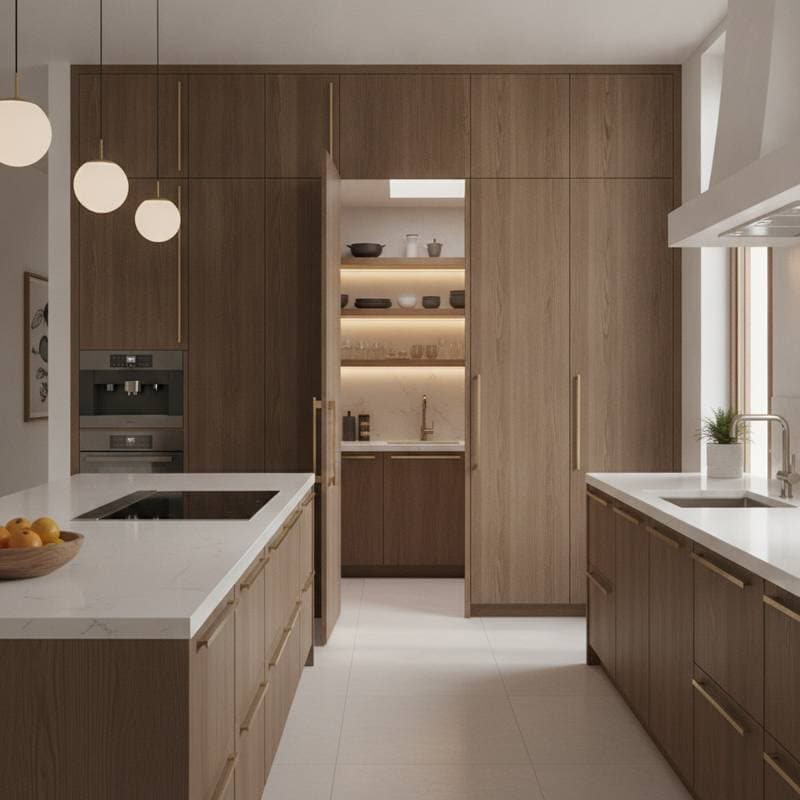
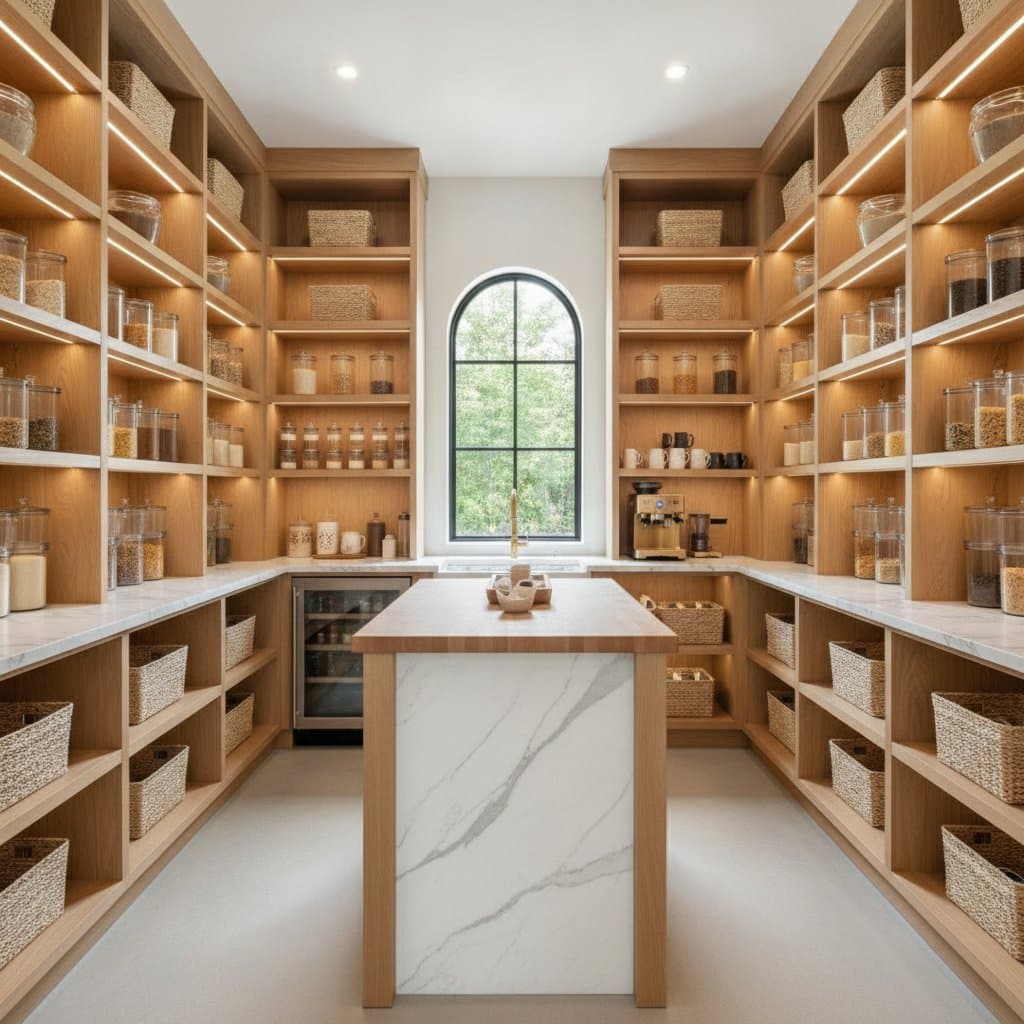
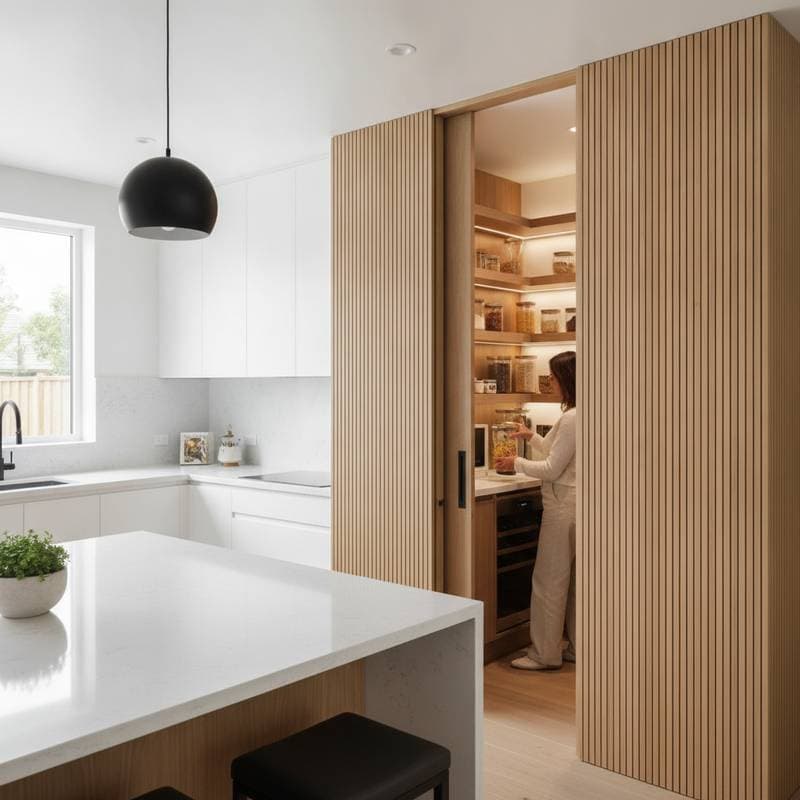
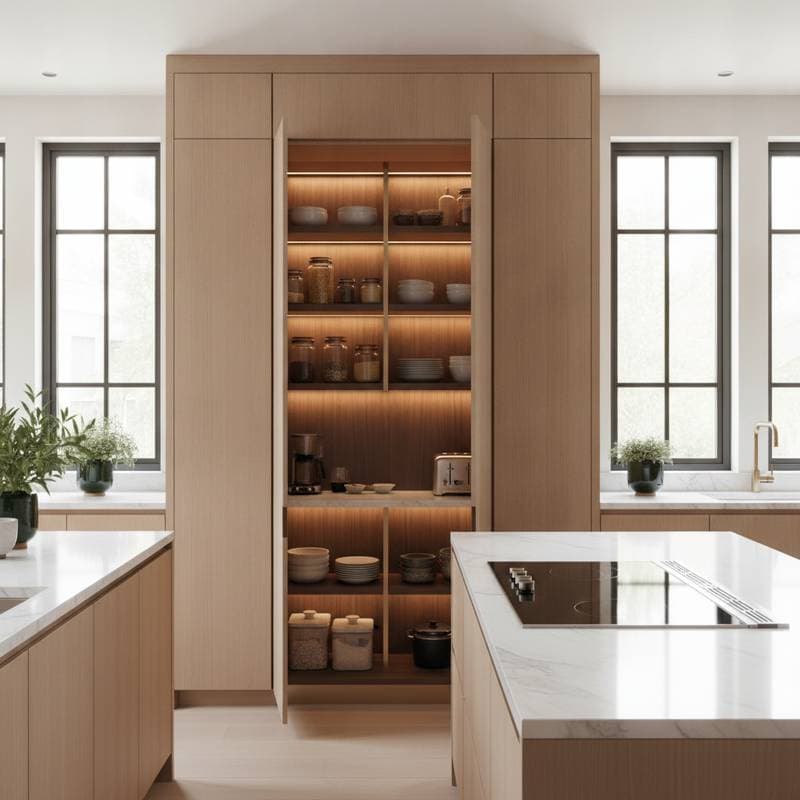
A hidden pantry, also known as a butler's pantry or concealed storage unit, integrates seamlessly into the kitchen's aesthetic. The access point resembles a cabinet door, wall panel, or trim element. Internally, it features shelves, drawers, and counter surfaces for organizing pantry staples, small appliances, and cleaning essentials. This setup preserves the primary kitchen's pristine condition while providing additional preparation space.
Hidden pantries primarily fall into two categories:
- Walk-in configuration: A compact room or closet accessed via a camouflaged door.
- Built-in configuration: Expansive cabinets with tailored fronts that harmonize with surrounding cabinetry.
Each variant achieves a streamlined, expansive kitchen environment.
The Value Proposition of Hidden Pantries
Homebuyers willingly pay a premium for properties that exude organization and sophistication. Concealed storage delivers this allure at first glance. Real estate professionals observe that kitchens equipped with such features command quicker sales and more competitive bids. The value increase stems from three key attributes:
- Visual serenity: Reduced visible clutter expands the perceived size of the kitchen.
- Sense of luxury: Disguised entrances convey bespoke craftsmanship and exclusivity.
- Practical efficiency: Optimized storage enhances workflow, minimizes disarray, and simplifies meal preparation.
This 15 percent uplift derives from analyses of listing prices and final sale figures for properties with enhanced kitchen storage compared to conventional designs. Although regional variations exist, the benefit applies consistently to both new constructions and renovations.
Implementing a Hidden Pantry: A Step-by-Step Guide
- Select the configuration. Opt for walk-in or built-in based on available space and financial constraints.
- Design the access point. Ensure the door or panel aligns with existing cabinetry, incorporating concealed hinges or magnetic closures.
- Determine dimensions. Allocate at least 24 inches of depth for walk-in units; built-in options require a minimum of 18 inches.
- Construct the framework. Employ moisture-resistant materials and apply finishes that complement the kitchen palette.
- Incorporate illumination. Install LED strips or recessed fixtures to enhance the interior's appeal.
- Fit shelving. Choose adjustable units to accommodate diverse item sizes.
- Organize the space. Employ straightforward solutions like baskets or labeled bins for dry ingredients.
Cost Analysis
| Task | Estimated Cost Range | Influencing Factors |
|---|---|---|
| Basic built-in pantry | $1,800 to $4,000 | Dimensions, surface treatments, hardware |
| Walk-in hidden pantry | $4,500 to $9,000 | Structural work, drywall, lighting, flooring |
| Premium custom build | $10,000 to $18,000 | Bespoke doors, embedded lighting, high-end materials |
Costs fluctuate by location. Labor rates, material selections, and project intricacy primarily dictate variations. Selecting off-the-shelf components and standard finishes helps control expenses.
Project Timeline
A straightforward built-in installation typically concludes within one week. Walk-in endeavors span two to three weeks, encompassing painting and detailing. Elaborate custom installations may extend to four weeks, influenced by cabinet procurement and electrical coordination.
DIY Approach Versus Professional Assistance
Individuals with carpentry proficiency, even flooring, and plumb walls can manage a DIY project. Prefabricated cabinets streamline the process.
Engage a professional for tasks involving wall modifications, electrical relocations, or precise door integrations. A contractor or specialized carpenter guarantees flawless alignment for the concealed panel.
Professionals also navigate permitting requirements for structural or wiring alterations. Substandard execution risks undermining the design's subtlety and diminishing property value.
Essential Tools and Materials
- Tape measure and spirit level
- Stud detector
- Power drill and screwdriver assortment
- Circular or table saw
- Painting and finishing implements
- Cabinet hinges or magnetic latches
- LED lighting components
- Shelving supports and fasteners
Prioritize durable hinges and dampers to ensure silent, fluid operation. Inferior components produce noise that compromises the concealed nature.
Considerations for Regional and Environmental Factors
In high-humidity areas, select moisture-resistant MDF or sealed plywood over particleboard. For cold climates, insulate walls adjacent to garages or exteriors. Wildfire-prone regions demand compliance with fire-rated drywall standards. Seismic zones require securing tall shelving to wall studs.
Ensuring Safety and Regulatory Compliance
- Electrical work: Consult a licensed electrician for any lighting or outlet additions.
- Permitting: Obtain approvals for wall relocations or wiring modifications in most municipalities.
- Airflow: Prevent obstruction of HVAC vents within the enclosure.
- Fire prevention: Maintain clear pathways and store combustibles away from heat-generating elements.
Scenarios Requiring Expert Intervention
Seek professional help under these conditions:
- Relocation of plumbing or electrical systems is necessary.
- Custom fabrication matches the access door to current cabinetry.
- Load-bearing walls demand structural adjustments.
- Imminent sale requires impeccable execution.
Experts ensure the integration appears deliberate and enhances the overall design.
Styling Elements That Enhance Marketability
- Precisely replicate door profiles and hues to match cabinets.
- Eliminate visible hardware with push mechanisms or magnetic latches.
- Integrate motion-activated LED lighting within the pantry.
- Apply light-colored interiors for brightness.
- Utilize consistent containers for pantry items to evoke a curated aesthetic.
These refinements position the pantry as a desirable, upscale amenity.
Ongoing Care and Utilization
Maintain the access door through regular cleaning and lubrication. Inspect hinges biannually. Dust shelves periodically. Position lightweight goods on higher levels and heavier items at accessible heights. Distribute weight evenly to avoid shelf deformation.
For sales preparation, stage the pantry with impartial storage solutions and activated lighting. This demonstration highlights its utility to potential buyers.
Enduring Advantages
Hidden pantries prolong kitchen functionality by safeguarding surfaces and equipment. They facilitate future layout adjustments without disrupting utilities. The resale premium often recoups a significant portion of installation costs, particularly in upscale markets.
Ultimately, the design delivers everyday practicality through simplified maintenance, reduced visual noise, and heightened spatial enjoyment.
Expert Recommendations for Optimal Results
- Proportion the entrance to avoid drawing undue attention.
- Align seams with adjacent cabinet divisions.
- Incorporate soft-close features for refined operation.
- Include an internal electrical outlet for appliances.
- Equip lighting with automatic sensors.
These enhancements elevate the project from functional to exceptional.
Frequently Asked Questions
Do hidden pantries genuinely elevate home value?
Yes. Thoughtfully executed designs typically increase sale prices by 10 to 15 percent.
Bringing Your Vision to Life
Begin by assessing wall dimensions. Draft a schematic that integrates with your kitchen layout. Initiate with a built-in model, advancing to walk-in if feasible. Emphasize seamless lines, cohesive finishes, and effective lighting. This strategic addition yields practical benefits and substantial returns on investment. Hidden pantries transcend fleeting trends to become enduring assets.