Why Heated Floors Boost Home Value by 11 Percent in 2025
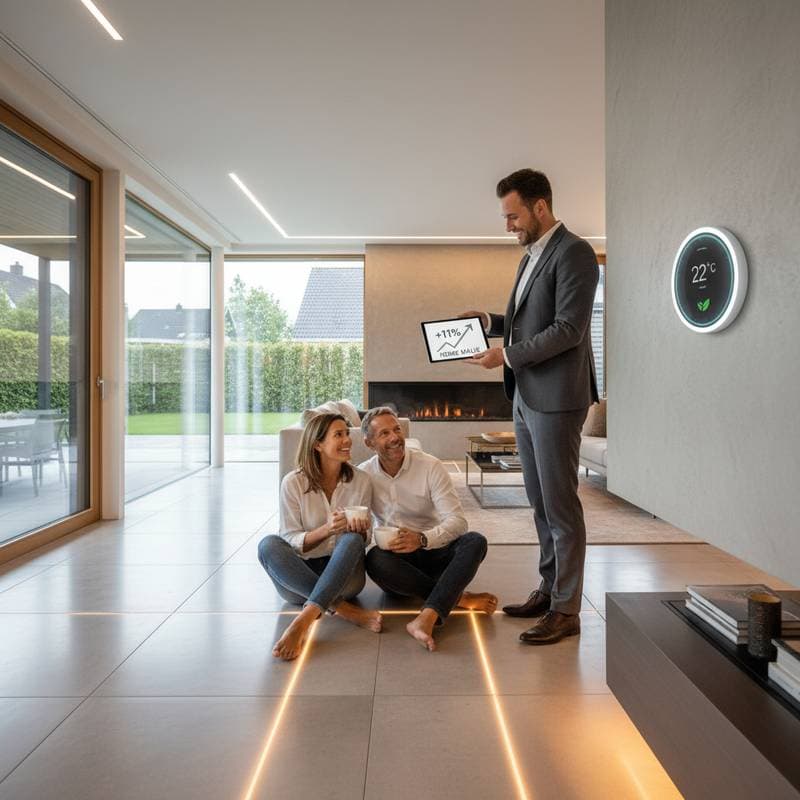
Homeowners who install radiant floor heating systems often see a resale value increase of approximately 11 percent. Installation costs typically range from 10 to 25 dollars per square foot. This upgrade combines enhanced comfort with practical efficiency, appealing to modern buyers who prioritize both factors.
Radiant floor heating warms spaces evenly from the floor upward, eliminating drafts and reducing energy loss. When professionals install the system correctly, it enhances daily living while adding tangible property value. Buyers appreciate features that deliver long-term benefits without ongoing maintenance demands.
Key Cost Factors
The total expense of a radiant floor heating project varies based on several elements, including the system type, flooring material, and labor requirements. Understanding these components helps homeowners budget accurately and maximize returns.
System Type
Electric mats cost between 10 and 15 dollars per square foot, including necessary controls. Hydronic systems, which circulate hot water through tubing, range from 15 to 25 dollars per square foot. Hydronic options prove more efficient for larger areas, though they require additional infrastructure.
Flooring Material
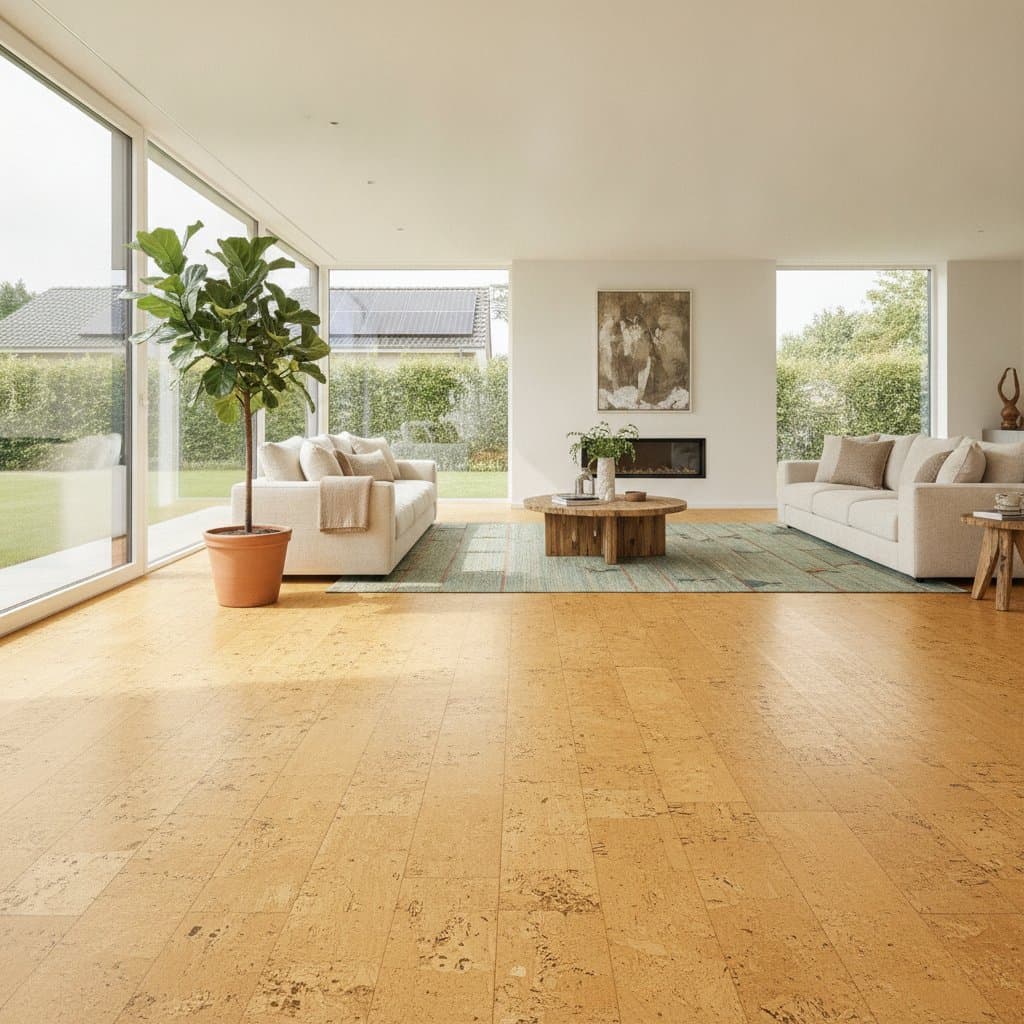
Materials like tile and stone conduct heat effectively, making them ideal choices. Vinyl and engineered wood perform well when specifically rated for radiant heating. Carpet, however, acts as an insulator, necessitating higher wattage and increasing costs by 10 to 20 percent.
Labor and Electrical Requirements
Upgrading electrical circuits or installing a new thermostat adds 300 to 600 dollars to the project. Hydronic systems demand plumbing connections, which elevate labor costs by 1,000 to 3,000 dollars depending on the home layout. Professional electricians ensure compliance and safety.
Room Size and Accessibility
Projects in open layouts cost less per square foot due to simpler installation. Tight spaces in bathrooms or kitchens require precise cutting of mats or tubing around fixtures, driving up expenses. Planning access in advance minimizes surprises.
Permits and Inspections
Local regulations often mandate electrical or mechanical permits. Allocate 150 to 400 dollars for fees and required inspections. These steps prevent delays and ensure the system meets building codes.
Demolition and Disposal
If existing flooring needs removal, add 1 to 3 dollars per square foot for demolition and waste disposal. This phase becomes essential when subfloors require preparation for the new system.
Essential Safety and Preparation Steps
Proper preparation safeguards the installation process and the home's integrity. Follow these guidelines to achieve a reliable, code-compliant setup.
- Shut off power at the breaker for electric systems and close water supply valves for hydronic ones.
- Confirm that flooring materials and adhesives can withstand radiant heat exposure.
- Inspect the subfloor for cleanliness, dryness, and levelness; excess moisture risks damaging electric components.
- Wear protective gear, including gloves, knee pads, and eye protection, throughout the work.
- Obtain necessary permits and hire a licensed electrician for all electrical connections.
Neglecting these measures can result in system malfunctions or warranty invalidation. Verify material compatibility prior to laying cables or tubing to avoid costly rework.
Optimal Timing and Potential Savings
Schedule radiant floor installation during existing flooring projects to optimize efficiency. Integrating the work with new tile or engineered wood installation reduces labor costs by 2 to 3 dollars per square foot. This approach prevents the need for multiple disruptions to the home.
Hydronic system materials may require up to three weeks for delivery, while electric mats generally remain available in stock. Order thermostats and sensors ahead to sidestep shipping issues. Early planning keeps the project on track.
Local utility programs offer rebates that cover 5 to 15 percent of costs for energy-efficient upgrades. Research incentives tied to efficient heating or renewable energy sources. These benefits lower the upfront investment.
Radiant systems reduce heating expenses by 10 to 25 percent, as they maintain comfort at lower ambient air temperatures. Pairing them with smart thermostats and zoning controls amplifies savings over time.
Mechanisms Behind the Value Increase
Radiant floor heating contributes to an 11 percent resale uplift through several key advantages. These elements resonate with buyers seeking practical, high-quality features.
-
Energy Efficiency: Systems consume less energy per square foot compared to forced-air heating in various climates. Prospective owners value predictable utility bills.
-
Enhanced Comfort and Air Quality: Uniform warmth eliminates cold spots and minimizes dust movement. This improvement reduces allergy issues and operational noise, elevating overall livability.
-
Longevity and Luxury Appeal: Durable, concealed components last for decades, conveying a sense of premium construction. Such features distinguish the property from standard remodels.
Real estate professionals note quicker sales for homes featuring heated bathrooms and kitchens. Buyers perceive these as essential comforts rather than optional aesthetics.
Strategic Planning for the 2025 Market
In 2025, buyers favor homes that emphasize silent efficiency and effortless comfort. Supply chains for materials have stabilized, yet qualified installers book quickly in cooler climates. Secure appointments at the start of the remodeling season to avoid delays.
While material costs hold steady, fluctuating energy prices heighten the appeal of efficient systems. Properties showcasing radiant floors alongside smart thermostats command premiums over local comparables. Focus on high-impact areas to achieve the strongest return.
Target bathrooms, kitchens, and primary suites for installation, as these zones yield the greatest value per square foot. Consider whole-home systems for new builds or extensive renovations where scalability adds broad benefits.
Steps to Implement Radiant Heating
Begin by evaluating your home's current heating challenges. Walk through rooms to note cold floors or inconsistent temperatures. This assessment guides targeted improvements.
Collect detailed estimates from local contractors, comparing electric and hydronic proposals. Request breakdowns that include all labor and material specifics. Transparency aids informed decisions.
Investigate available rebates through utility providers or government programs. These resources can offset a significant portion of the investment, enhancing overall affordability.
Coordinate the project with any planned flooring updates. This synergy streamlines the process and preserves the home's appearance during construction.
Radiant floor heating delivers subtle warmth, operational savings, and enduring market appeal. Homeowners who invest thoughtfully position their properties for superior performance and buyer interest.