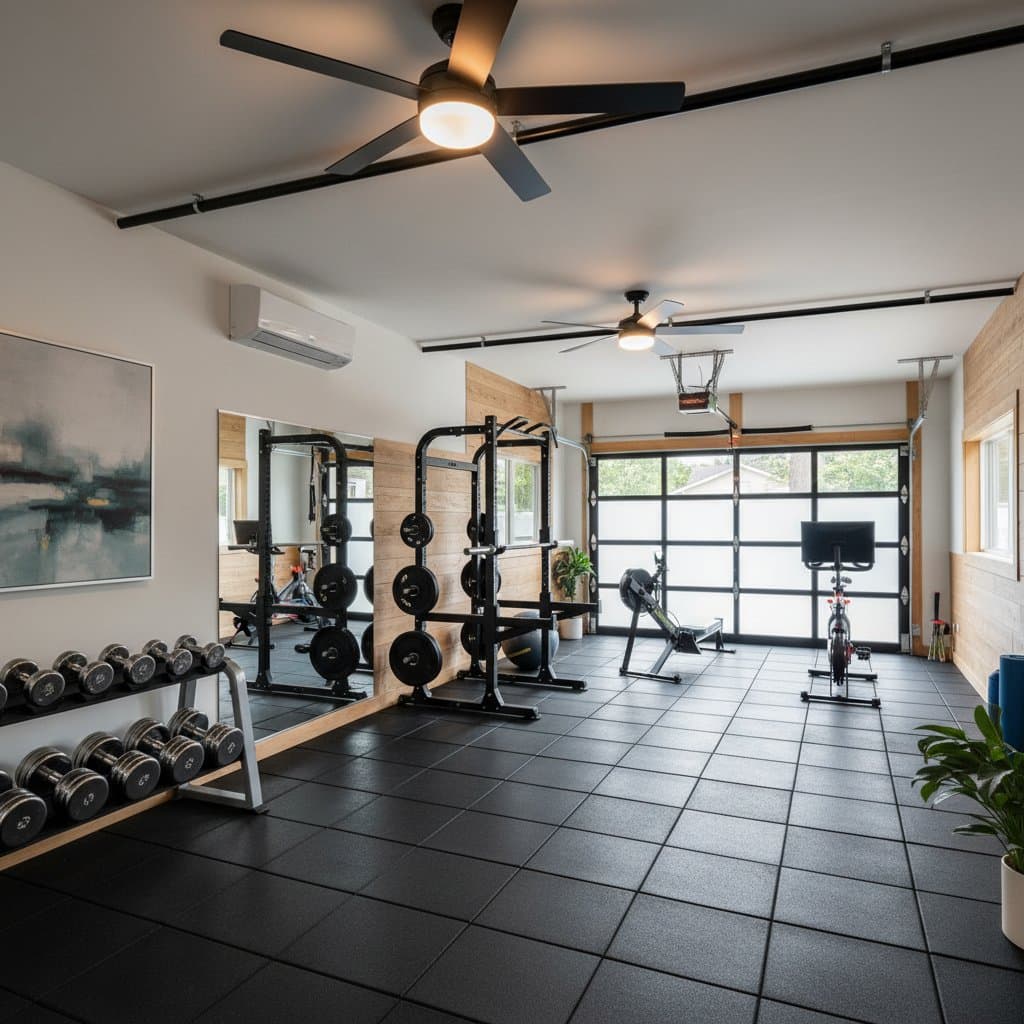
Garage Gyms: Achieving 73% ROI to Elevate Home Value
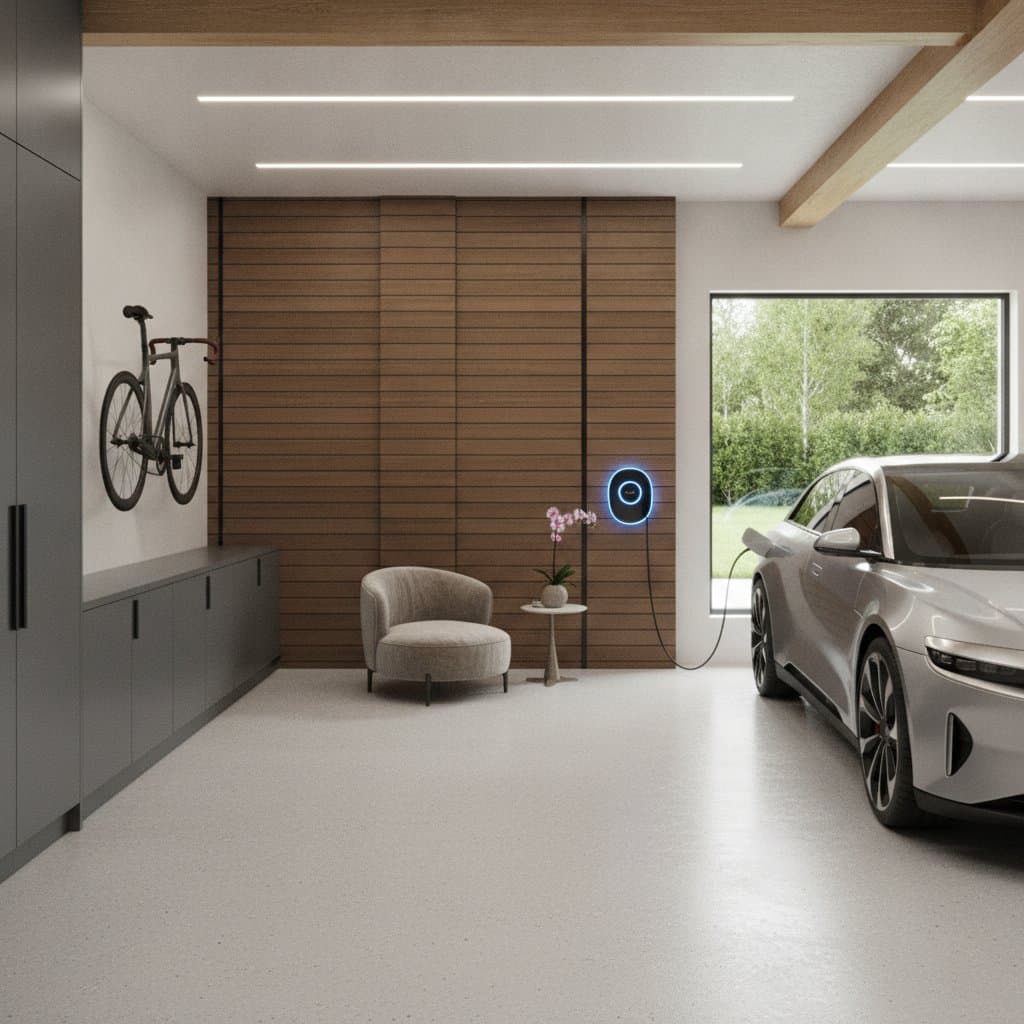
Homeowners increasingly seek ways to optimize underutilized spaces for both personal use and financial gain. A garage gym conversion transforms an often-overlooked area into a dedicated fitness zone, providing immediate access to workouts without the need for commuting or recurring fees. This upgrade appeals to prospective buyers who prioritize versatile, health-oriented features, with well-executed projects recouping approximately 73% of installation costs upon resale, influenced by construction quality, regional market trends, and overall property enhancements.
Such conversions require careful planning to balance functionality, aesthetics, and compliance with local regulations. By integrating durable materials and smart layouts, owners create a space that supports diverse exercise routines, from weightlifting to yoga. The result extends beyond personal convenience, positioning the home as a modern, lifestyle-aligned asset in competitive real estate markets.
Weighing the Advantages and Drawbacks
Garage gym conversions offer compelling benefits that align with contemporary homeowner priorities. These spaces enhance property desirability by demonstrating thoughtful use of existing footage, often without altering the home's exterior footprint.
Key Advantages
- Property value increases through a potential 73% return on investment, as buyers recognize the added utility.
- Year-round fitness becomes feasible, unaffected by weather or facility hours.
- Existing garage space maximizes efficiency, avoiding the expense of new additions.
- Elimination of gym memberships saves hundreds annually, redirecting funds to home improvements.
- Appeal to health-conscious purchasers broadens the buyer pool and supports premium pricing.
Despite these strengths, potential challenges warrant consideration to ensure the project suits specific circumstances.
Potential Drawbacks
- Loss of covered parking or storage capacity may inconvenience vehicle owners or those needing extra room.
- Necessary upgrades, such as insulation or electrical systems, can elevate initial expenses.
- Smaller garages risk feeling confined, limiting equipment placement and movement.
- Equipment noise might disturb adjacent living areas, requiring soundproofing measures.
- Climate regulation, including heating or cooling, adds to ongoing operational costs.
Evaluating these factors against personal needs helps determine if a garage gym aligns with long-term goals.
Choosing Between DIY and Professional Installation
Deciding on the approach for a garage gym project involves assessing skill levels, project scope, and desired outcomes. DIY efforts suit straightforward setups, while complex modifications benefit from expert involvement.
DIY Approach
The difficulty level rates as moderate, ideal for those with basic handyman experience. Completion typically spans two to four weekends for foundational elements like shelving, mirrors, and basic flooring. Essential tools include a power drill, circular saw, spirit level, painting supplies, and personal protective equipment such as dust masks and sturdy gloves.
Risks remain low for non-invasive tasks, but they rise with any electrical wiring or structural adjustments. Beginners should consult online tutorials or local workshops to build confidence. Focus on modular designs that allow easy disassembly, preserving flexibility for future adaptations.
Professional Services
Engage licensed professionals for installations involving electrical outlets, comprehensive insulation, or heating, ventilation, and air conditioning systems. Contractors guarantee adherence to building codes, which safeguards against fines and enhances resale documentation through certified inspections.
Professionals bring specialized knowledge, such as selecting energy-efficient lighting or reinforced subfloors capable of supporting heavy loads. Expect costs to vary by region, but budgeting for detailed quotes ensures transparency. This route minimizes errors and accelerates the timeline, delivering a polished result that justifies the investment.
Ensuring Longevity Through Maintenance
A garage gym demands routine care to maintain its condition and value over time. Consistent upkeep prevents wear, extends equipment life, and prepares the space for resale evaluations.
Routine Cleaning Schedule
- Weekly tasks involve wiping down workout machines with mild cleaners and sweeping debris from floors to avoid slips.
- Monthly inspections cover electrical outlets for wear, lighting fixtures for bulb integrity, and ventilation systems for unobstructed airflow.
- Annual reviews include examining insulation for gaps, repainting surfaces to combat fading, and testing equipment stability.
Durable rubber mats or interlocking tiles form resilient flooring, enduring five to ten years under regular vacuuming and spot treatments. Fitness gear, including racks and benches, retains worth when stored in controlled environments free from moisture and direct sunlight. Document all purchases and maintenance with receipts and dated photographs to substantiate improvements during property showings.
Adapting to Regional Considerations
Local environmental and regulatory elements significantly shape a garage gym conversion. Tailoring the design to these variables optimizes performance and compliance.
Climate plays a pivotal role in material selection and system requirements. Humid regions benefit from integrated dehumidifiers to inhibit rust on metal components and mildew on padded surfaces. In cooler zones, options like radiant floor heating or wall-mounted units provide comfortable temperatures without excessive energy use.
Building codes differ across municipalities, often mandating permits for electrical enhancements or mechanical installations. Coastal locales emphasize corrosion-resistant finishes, such as galvanized steel or sealed wood, to withstand salt exposure. Urban settings typically permit interior modifications without exterior approvals, provided no load-bearing elements shift. Contractor rates fluctuate, generally falling between $50 and $150 hourly, influenced by demand and specialization.
Consulting municipal planning offices early clarifies requirements, avoiding delays. Incorporating region-specific features, like UV-resistant mirrors in sunny areas, enhances durability and appeal.
Prioritizing Safety in Design and Use
Safety forms the cornerstone of any garage gym project, protecting users during workouts and installers during construction. Adhering to best practices mitigates risks and upholds insurance validity.
Electrical Precautions
Always employ a licensed electrician to install dedicated circuits, preventing overloads from high-power devices like treadmills. Ground fault circuit interrupters protect against shocks in potentially damp environments.
Structural Integrity
Refrain from altering load-bearing walls or support beams; reinforce joists if adding suspended storage. Professional assessments confirm the garage frame supports concentrated weights from equipment.
Ventilation and Air Quality
Ensure adequate airflow through windows, fans, or exhaust systems to reduce condensation and maintain oxygen levels during intense sessions.
Load Management
Verify floor capacity, often 40 to 50 pounds per square foot in standard garages, before placing heavy items; distribute weight evenly or add plywood subflooring for reinforcement.
Regulatory Compliance
Secure necessary permits from local authorities prior to commencing work, documenting approvals for future reference.
During assembly, utilize gloves for grip, ear protection against power tool noise, and safety goggles to shield eyes from debris. Post-installation, secure loose items and illuminate pathways to prevent accidents.
Steps to Execute Your Garage Gym Conversion
Embarking on a garage gym project begins with defining objectives and establishing a realistic budget. Outline space requirements based on preferred activities, allocating zones for cardio, strength training, and recovery.
Assess current garage conditions, measuring dimensions and noting existing features like doors or windows. Develop a layout sketch that promotes efficient movement, perhaps incorporating wall-mounted storage to preserve floor area. For advanced setups, obtain three detailed bids from vetted contractors specializing in home renovations.
If pursuing DIY, prioritize essentials: install moisture barriers first, followed by ventilation enhancements, then flooring. Select versatile equipment that accommodates varying fitness levels and future needs. Address temperature fluctuations with insulation panels and programmable thermostats for efficiency.
Balance storage solutions to retain utility, such as overhead racks for seasonal items. Test the completed space for usability, making adjustments to lighting or mirrors for optimal visibility.
Highlighting Value During Resale
When preparing to sell, emphasize the garage gym's adaptability to showcase its broad appeal. Clean thoroughly and stage with minimal equipment to illustrate potential uses, from dedicated workouts to multipurpose recreation.
Provide documentation of upgrades, including invoices and permits, to assure buyers of quality craftsmanship. Describe energy savings from reduced commuting and the premium on health-focused amenities in marketing materials.
This strategic presentation underscores the conversion's role in elevating lifestyle and equity. Prospective owners envision personalizing the space, driving competitive bids and expedited closings.
A thoughtfully executed garage gym delivers enduring advantages, blending practicality with investment returns. Proceed methodically, capturing progress to reflect on achievements. The outcome fortifies your home's functionality and market position for years ahead.