Understanding Garage Conversions
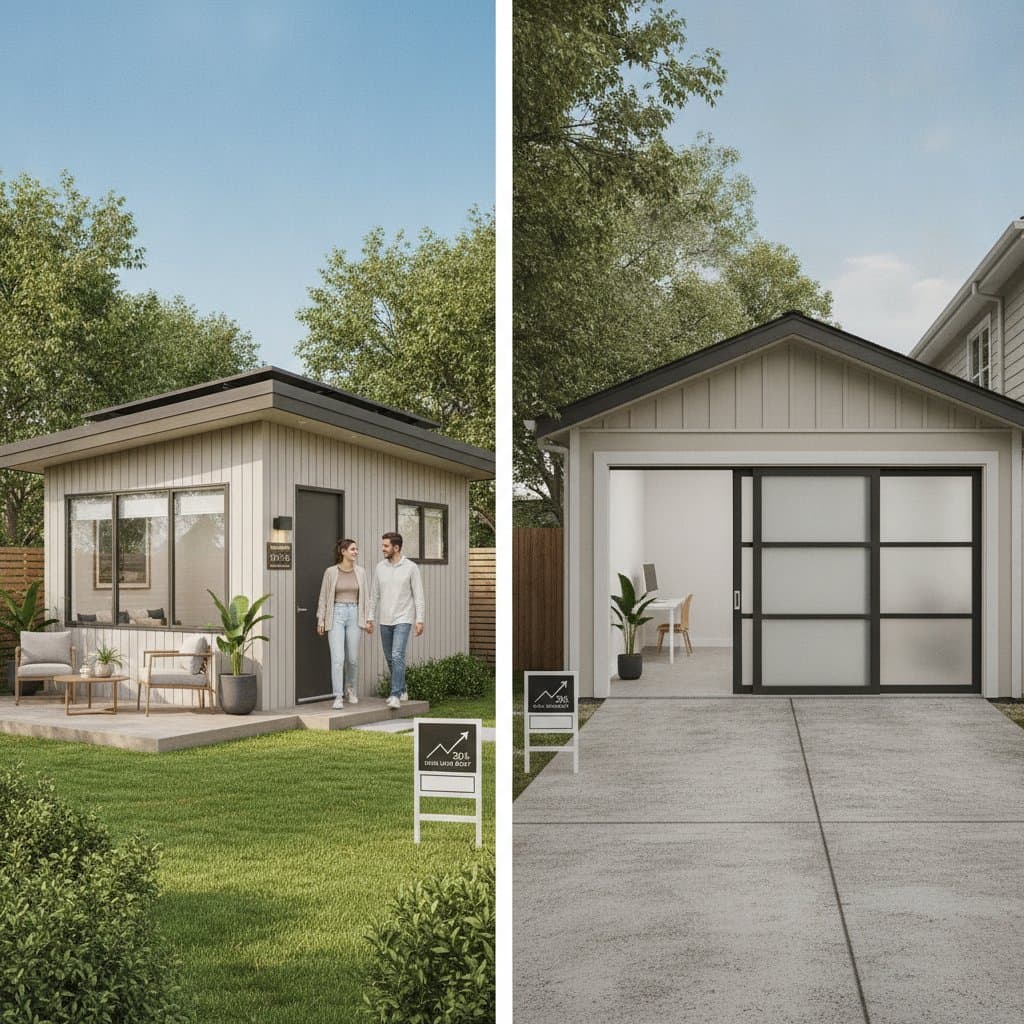
Many homeowners overlook the garage as a valuable asset. In 2026, converting this space into functional living areas presents a smart opportunity to enhance property appeal and financial returns. Experts predict that such transformations will add up to 15 percent to home values, driven by demand for adaptable homes.
Garage conversions suit various needs, from home offices to guest suites. They expand usable square footage without the expense of major additions. This approach aligns with evolving lifestyles, where flexibility matters most.
The Financial Benefits
Investing in a garage conversion yields measurable gains. Real estate analyses indicate a potential 15 percent uplift in home valuation by 2026, based on market trends and buyer preferences. This boost stems from added amenities that make properties stand out.
Beyond resale value, conversions improve daily living. Families gain dedicated spaces for work, recreation, or storage, enhancing overall satisfaction. The return on investment often exceeds initial outlays within a few years.
Local market dynamics influence these figures. In areas with high demand for urban living, conversions prove especially lucrative. Homeowners who plan thoughtfully maximize both immediate utility and long-term equity.
Key Planning Considerations
Successful conversions begin with thorough preparation. Assess your garage's structural integrity first, as it must support new uses. Consult professionals to evaluate foundations, insulation, and electrical systems.
Zoning laws vary by location, so research local regulations early. Some areas require specific setbacks or parking provisions. Engaging an architect ensures compliance while optimizing the design.
Budgeting plays a crucial role. Factor in material costs, labor, and unforeseen repairs. A detailed plan prevents overruns and aligns the project with your goals.
Navigating Permits and Approvals
Obtain necessary permits to avoid legal issues. Contact your local building department for requirements, which typically include structural plans and safety inspections. Submit applications promptly, as processing times can extend several weeks.
Hire licensed contractors familiar with code standards. They handle documentation and inspections, streamlining the process. Proper approvals protect your investment and ensure quality workmanship.
Design Strategies for Versatility
Tailor the conversion to your lifestyle. Popular options include creating a home gym, playroom, or rental unit. Open layouts foster connectivity with the main house, while thoughtful lighting enhances ambiance.
Incorporate energy-efficient features like insulated walls and LED fixtures. These elements not only reduce utility bills but also appeal to eco-conscious buyers. Durable flooring, such as laminate or tile, withstands heavy use.
Maximize natural light through windows or skylights. This addition transforms dim spaces into inviting areas. Custom storage solutions keep the room organized and functional.
Estimating Costs and Budgeting
Conversion expenses range from $20,000 to $60,000, depending on scope and location. Basic updates, like adding insulation and drywall, fall on the lower end. Complex projects with plumbing or HVAC integrations cost more.
Break down costs into categories: structural work, finishes, and professional fees. Allocate 10 to 15 percent for contingencies. Financing options, such as home equity loans, ease the burden.
Compare quotes from multiple contractors to secure fair pricing. Focus on value over the lowest bid, prioritizing experience and references. Track expenses throughout to stay within limits.
Step-by-Step Conversion Process
-
Initial Assessment: Inspect the garage for issues like moisture or pests. Hire an engineer if needed to confirm suitability.
-
Design Phase: Sketch layouts and select materials. Work with designers to visualize the final space.
-
Permitting: Submit plans and await approval. Address any revisions promptly.
-
Demolition and Prep: Clear the area and reinforce structures. Install vapor barriers to prevent dampness.
-
Rough-Ins: Add plumbing, electrical, and HVAC as required. Ensure systems meet modern standards.
-
Finishing Touches: Apply drywall, paint, and flooring. Install fixtures and test all features.
-
Final Inspection: Schedule a walkthrough with authorities. Obtain occupancy certification if applicable.
This sequence minimizes disruptions and ensures a smooth project timeline, often completed in 8 to 12 weeks.
Tips for Maximum Value
Choose timeless designs that appeal broadly. Neutral colors and clean lines attract diverse buyers. Integrate smart home technology for added convenience.
Preserve exterior aesthetics to maintain curb appeal. Match siding and roofing with the existing home. Landscaping around the entrance enhances the overall look.
Document the process with before-and-after photos. This record aids resale by showcasing quality improvements. Regular maintenance preserves the space's condition.
Realizing Long-Term Gains
A garage conversion extends beyond immediate needs. It positions your home favorably in competitive markets, where versatile spaces command premiums. By 2026, these upgrades will drive stronger sales and higher offers.
Homeowners who invest wisely enjoy enhanced livability today and financial security tomorrow. Consult local experts to customize your project. Start planning now to capitalize on emerging trends.