Why EV Chargers Rank as 2026's Premier Home Upgrade
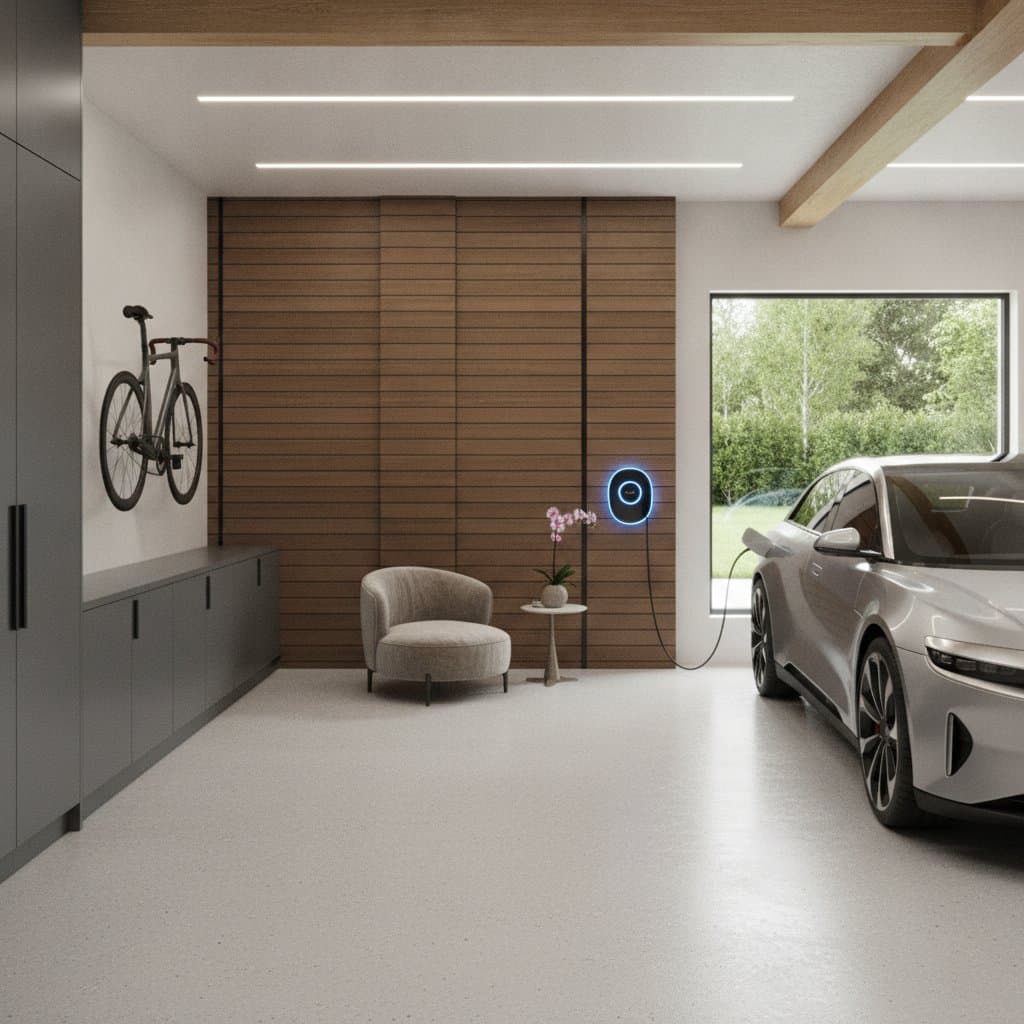
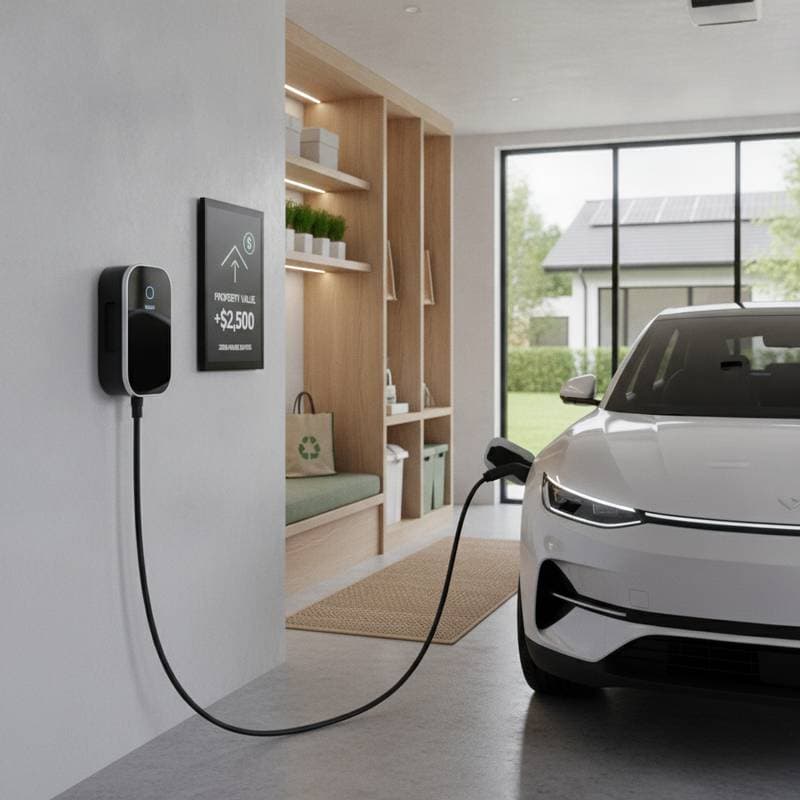
Homeowners who install an EV charger gain access to accelerated charging speeds, reduced operational expenses, and elevated property valuations. This upgrade positions individuals at the forefront of the expanding electric vehicle market, ensuring alignment with emerging transportation norms.
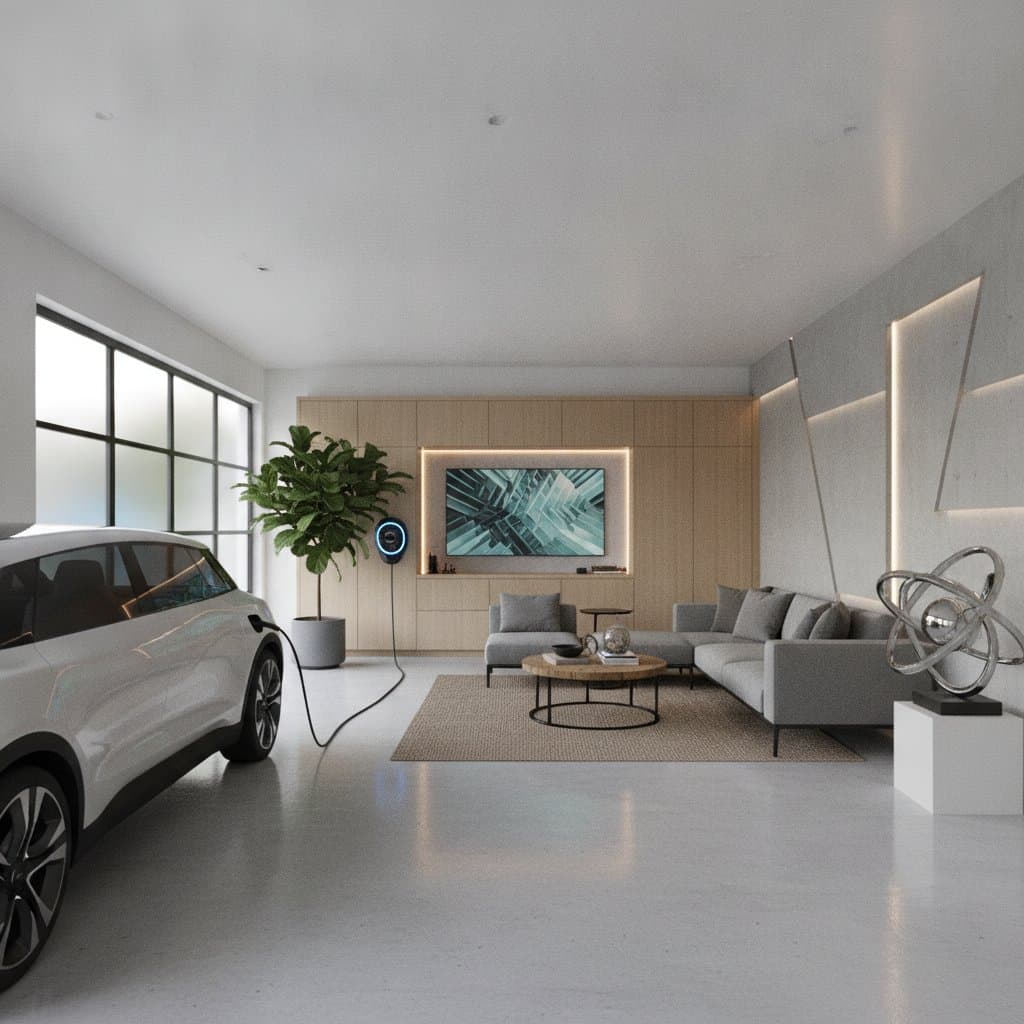
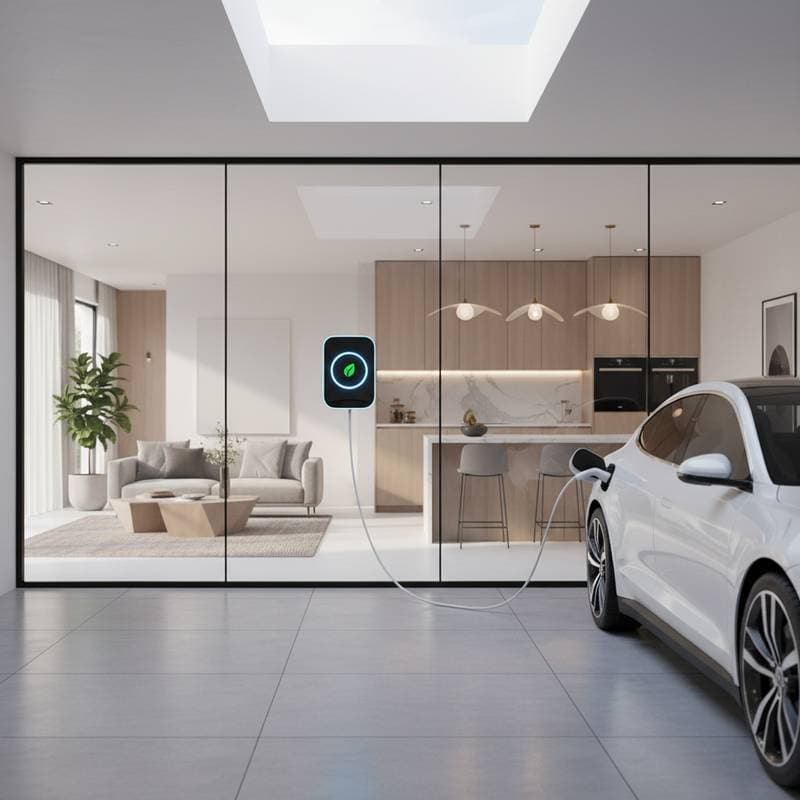
Home charging evolves beyond mere convenience into an essential amenity, comparable to central heating or broadband connectivity. Individuals who operate electric vehicles or anticipate acquiring one benefit immensely from early adoption. Such preparation not only streamlines daily routines but also enhances the home's attractiveness to prospective purchasers.
Step-by-Step Guide to Installing a Home EV Charger
Effective installation begins with informed decisions at each stage. Follow these structured steps to achieve a seamless and compliant setup.
Select the Appropriate Charger Level
- Level 1 Option: This relies on a conventional 120-volt household outlet, offering straightforward integration with minimal modifications. Charging proceeds at a modest pace, typically yielding 3 to 5 miles of driving range per hour of connection.
- Level 2 Option: This requires a dedicated 240-volt circuit, enabling significantly quicker replenishment rates of 20 to 40 miles per hour. Professionals recommend this variant for residential applications due to its balance of efficiency and practicality.
Evaluate Your Electrical Panel Capacity
Assess whether the existing panel supports the additional load from the charger. Contemporary residences generally accommodate a 240-volt circuit without issue, though vintage systems may necessitate enhancements such as a subpanel addition. Engage a certified electrician to perform a thorough inspection and provide tailored recommendations.
Determine the Optimal Installation Site
Position the charger proximate to the primary parking area to minimize wiring expenses and maximize usability. Enclosed garages provide sheltered environments, yet robust, outdoor-rated units perform reliably on exposed driveways. Consider cable length and vehicle access patterns during site selection.
Secure Necessary Permits
Local jurisdictions frequently mandate permits for electrical modifications, particularly those involving Level 2 systems. These processes involve basic documentation and may include an on-site inspection. Delegate this responsibility to the hired professional, who will navigate regulations efficiently while verifying adherence to building codes.
Employ a Qualified Electrician
High-voltage installations demand expertise beyond typical handyman skills. Professionals guarantee secure connections, proper grounding, and integration with home systems. Their involvement mitigates risks of electrical hazards and ensures longevity of the setup.
Conduct Testing and Documentation
Upon completion, verify functionality by connecting the charger to the vehicle and monitoring initial cycles. Affix clear labels to the corresponding circuit breaker for quick identification. Retain all manuals, receipts, and certification records, as these prove invaluable during home appraisals or warranty claims.
Typical Timeline for Installation
Standard Level 2 installations require 3 to 6 hours of active labor once preparations conclude. Delays may arise from permit processing or coordination with utility providers, extending the overall project by several days. Panel upgrades, if needed, typically demand an additional full day for assessment and execution.
For basic Level 1 configurations, individuals with electrical knowledge can complete the task in under an hour using existing outlets. However, this approach limits charging efficiency. Comprehensive Level 2 projects incorporate mandatory inspections, reinforcing the value of professional oversight.
Essential Tools and Materials List
Gather these items to facilitate a smooth installation process:
- Compatible EV charger unit (Level 1 or Level 2 model)
- Sturdy mounting bracket or freestanding pedestal
- Power drill equipped with appropriate anchors
- Protective conduit piping and secure fittings
- Matching circuit breaker sized to the charger's amperage
- High-quality copper electrical wire of the correct gauge
- Digital voltage tester for safety verification
- Insulated gloves and protective eyewear
Outdoor placements require supplementary elements like weather-resistant enclosures and reinforced mounting hardware to withstand environmental exposure.
Advantages of Home Charging Over Public Infrastructure
Home-based charging prioritizes user autonomy and efficiency. Overnight sessions align with natural sleep patterns, eliminating queues and route deviations associated with public stations.
Electricity tariffs at home remain substantially lower than those at commercial charging points, yielding long-term financial benefits. Owners maintain full authority over charging schedules and power levels, optimizing for vehicle needs and energy availability.
This feature significantly bolsters market desirability, appealing to eco-conscious buyers and tenants alike. While public networks support extended journeys, routine home use preserves vehicle components and curtails cumulative expenses.
Environmental Benefits of Residential EV Charging
Domestic charging facilitates integration with sustainable energy sources. Numerous providers now extend options for renewable electricity tariffs, minimizing the carbon footprint of vehicle operation.
Coupling the charger with rooftop solar installations enables vehicles to draw power directly from captured sunlight, achieving near-zero emissions. Each residential unit alleviates strain on communal grids, fostering broader infrastructure readiness for widespread EV adoption.
By incorporating this technology, properties not only gain ecological credentials but also align with progressive community standards, enhancing overall sustainability.
Frequently Asked Questions on Home EV Chargers
Does installation require a permit?
Level 2 systems generally necessitate a municipal electrical permit, accompanied by a final inspection to confirm code compliance.
Is a standard outlet sufficient for EV charging?
Affirmative, via a Level 1 adapter, provided the outlet dedicates solely to this purpose and features proper grounding for safety.
What range increment does a Level 2 charger provide hourly?
Expect 20 to 40 miles of added range, varying by vehicle battery specifications and charger wattage.
Are outdoor installations feasible?
Certainly, provided the unit carries an outdoor durability rating. Employ sealed conduit and fittings to protect against moisture and debris.
Preparing Your Home for Electric Mobility
Integrating an EV charger equips residences to embrace advancing automotive technologies. This investment yields immediate conveniences, ongoing savings, and a competitive edge in real estate transactions. Homeowners who act decisively secure both personal benefits and enduring property enhancements.