Introduction to EV Chargers and Home Value
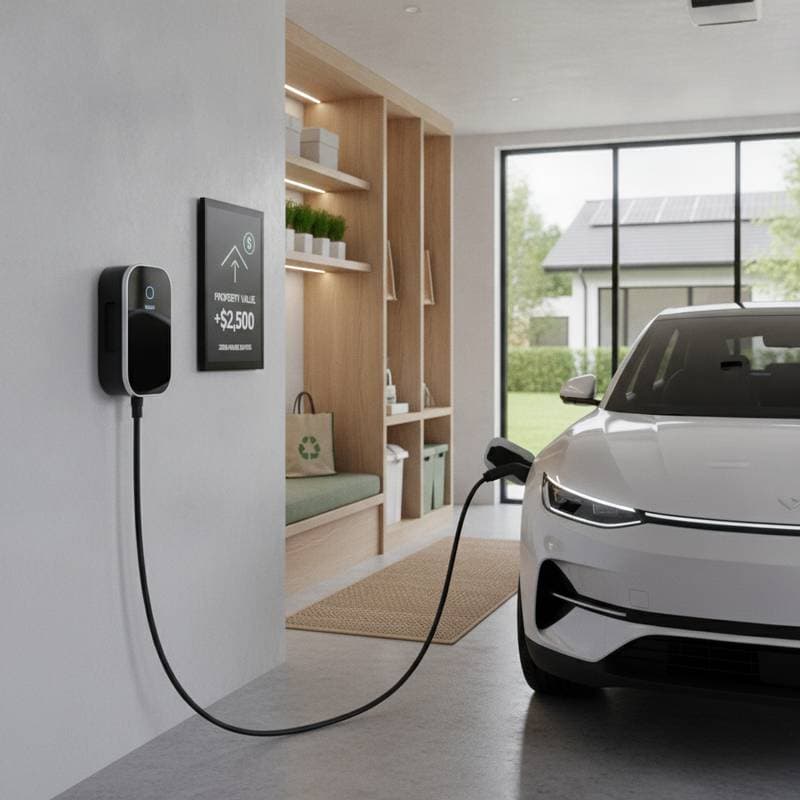
Electric vehicle adoption continues to rise, particularly in regions like California where environmental awareness drives consumer choices. Homeowners who install EV chargers gain a competitive edge in the real estate market. Studies indicate that such installations can increase resale value by up to 11%, reflecting buyer demand for sustainable and convenient features.
This boost stems from the growing number of EV owners seeking homes equipped for overnight charging. Properties with these chargers often attract offers closer to the asking price and sell more quickly. Beyond financial gains, chargers position a home as modern and eco-friendly, appealing to a demographic that prioritizes green living.
Understanding Charger Types
EV chargers fall into three main categories: Level 1, Level 2, and DC fast chargers. Level 1 chargers connect to standard 120-volt outlets and provide slow charging, suitable for occasional use but insufficient for daily needs. These units add minimal value due to their basic functionality.
Level 2 chargers, operating on 240-volt circuits, deliver faster charging speeds, typically adding 20 to 60 miles of range per hour. They represent the optimal choice for residential installations, balancing cost and performance. Most homes require a dedicated circuit for these models, which enhances perceived home readiness for EV ownership.
DC fast chargers, while powerful, suit commercial settings rather than homes due to high costs and electrical demands. For resale value, focus on Level 2 options from reputable brands like ChargePoint or JuiceBox, which integrate smart features for energy management.
Costs and Return on Investment
Initial expenses for a Level 2 charger installation range from $500 to $1,200 for the unit itself. Professional labor and permits add $500 to $1,500, depending on electrical panel distance and upgrades needed. Total outlay often falls between $1,000 and $2,700, with higher costs in urban areas requiring extensive wiring.
Return on investment proves compelling. The 11% value increase translates to thousands of dollars on average home sales. For a $500,000 property, this equates to a $55,000 uplift. Additional savings arise from home charging versus public stations, which can cost 20% more per session.
Over five years, owners recoup costs through lower fuel expenses and potential rebates. Federal tax credits cover up to 30% of installation costs, capped at $1,000. State incentives in EV-friendly areas further reduce net spending, accelerating payback periods to two or three years.
Utility Programs and Incentives
Many utilities offer programs to offset EV charger expenses. Time-of-use rates lower electricity costs during off-peak hours, potentially saving 20% on monthly bills. Rebates range from $250 to $1,000, applied post-inspection to ensure compliance.
In California, programs like those from Southern California Edison provide free or discounted chargers for qualifying customers. Similar initiatives exist in other states with high EV penetration, such as Washington and Colorado. Homeowners should contact local providers to explore eligibility, which often requires enrollment in demand-response programs that adjust charging to grid needs.
These incentives not only cut upfront costs but also enhance long-term savings. By aligning charging with low-rate periods, owners minimize environmental impact while maximizing financial benefits.
Installation Process
Begin by assessing your home's electrical system. A 240-volt, 40- to 50-amp circuit supports most Level 2 chargers. If the panel lacks capacity, upgrades may cost $1,000 to $3,000, but they benefit overall home electrification.
Select a location near the parking area, ideally in the garage for protection. Outdoor installations demand weatherproof enclosures and proper grounding. Obtain necessary permits from local authorities, which typically involve a site plan review.
Hire a licensed electrician for wiring. The process includes running conduit from the panel to the charger site, installing the breaker, and connecting the unit. Final steps involve utility inspection to verify code adherence and rebate qualification.
For those with electrical expertise, self-installation remains possible on existing circuits. However, professionals ensure safety and avoid voiding warranties. Document all work with photos and receipts to demonstrate quality to future buyers.
Safety Considerations
Electrical work poses hazards, especially with high-voltage systems. Always disconnect power at the main breaker before any handling. Select UL-listed chargers from established manufacturers to guarantee reliability.
Avoid using extension cords or adapters, which risk overheating and fire. Position units away from water sources and combustible materials. Outdoor setups require GFCI protection and sealing against moisture.
Local codes mandate inspections for new installations. Non-compliance can lead to fines or removal orders. Engage electricians experienced in EV supply equipment to navigate these requirements seamlessly.
Frequently Asked Questions
How much does professional EV charger installation cost?
Homeowners typically invest $1,000 to $1,800, encompassing labor, materials, and permits. Factors like long wire runs or subpanel additions increase expenses to $2,500 or more.
Do permits apply to home EV charger installations?
Yes, electrical permits prove essential for 240-volt additions in most jurisdictions. Utilities may require inspections for rebate approvals, ensuring safe integration with the grid.
Is self-installation viable for a Level 2 charger?
Individuals with advanced electrical knowledge and suitable circuits may proceed. Professionals, however, deliver safer, code-compliant results and preserve insurance coverage.
Do all electric vehicles compatible with one charger type?
Level 2 chargers standardize on the J1772 connector for most models. Tesla vehicles require a separate adapter, often supplied with the charger or vehicle.
Do smart chargers reduce expenses?
Smart features enable off-peak scheduling, cutting costs by 10% to 30% based on utility plans. Integration with apps allows remote monitoring and optimization.
Steps to Implement Your Installation
Evaluate your timeline; installations yield quickest returns for homes listed within three years. Consult your electrical panel's load capacity via a professional audit, costing $100 to $200.
Solicit quotes from at least three certified electricians, comparing warranties and timelines. Verify charger compatibility with your vehicle and adherence to local standards. Secure financing through home improvement loans if needed, with installations qualifying for energy-efficient tax benefits.
Post-installation, test the system thoroughly and maintain records. Highlight the feature in listings with photos and utility bill savings projections. This upgrade not only elevates value but also future-proofs the property against rising EV trends.
Long-Term Benefits and Market Edge
As EV sales surpass traditional vehicles in key markets, charger-equipped homes command premiums. Buyers view them as hassle-free entry points to sustainable driving. Early installation positions sellers ahead of competitors, often shortening market time by weeks.
Sustainability appeals broaden buyer pools, including millennials and families prioritizing green features. Combined with energy savings, this investment delivers enduring value. A simple garage addition transforms routine charging into a strategic asset, enhancing both lifestyle and equity.