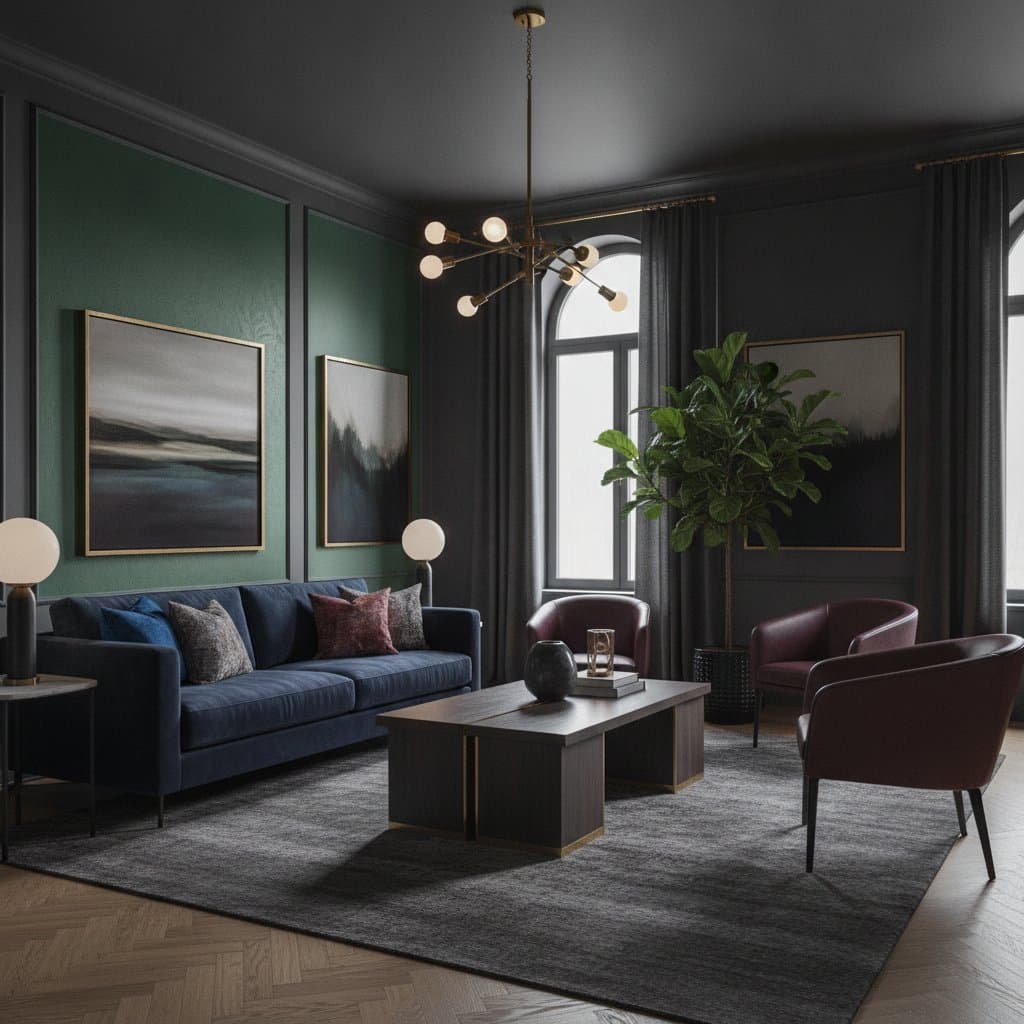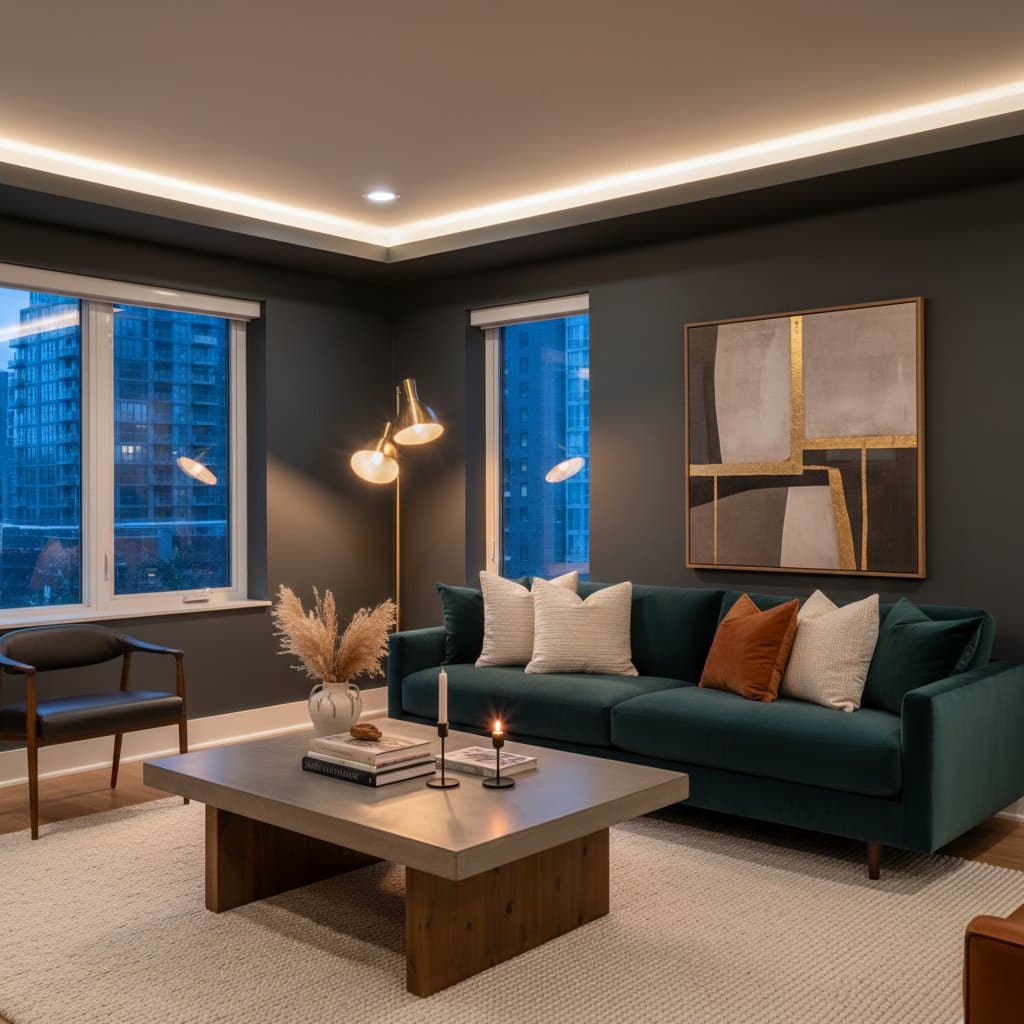
Dark Walls Drive the 2026 Moody Interior Value Increase
Typical cost: $2.50 to $6.00 per square foot for paint and preparation, with complete room transformations ranging from $450 to $1,200 per area.
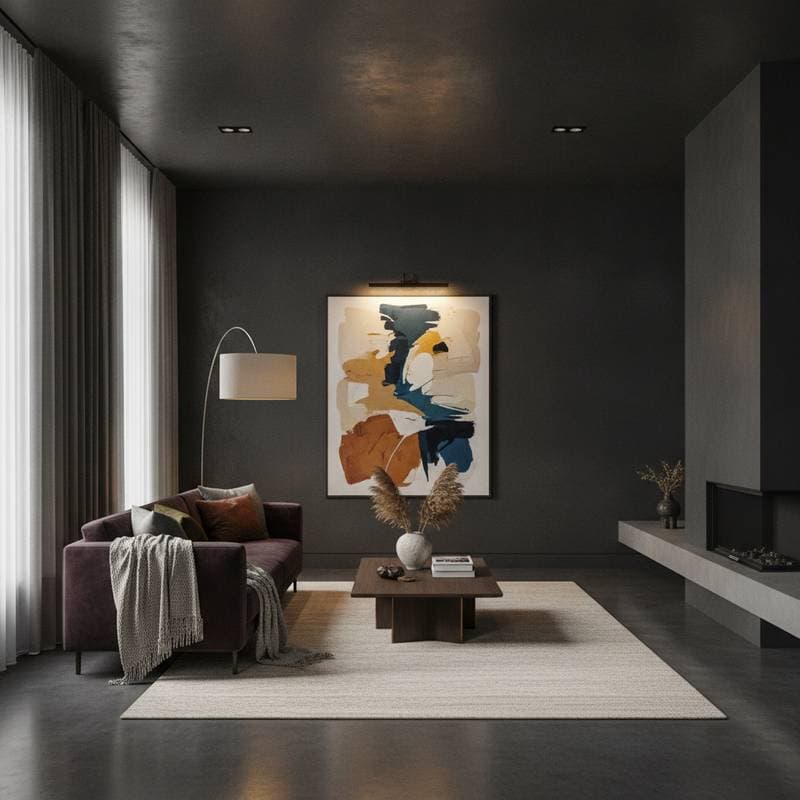
Dark interiors extend beyond fleeting trends. They represent a strategic design choice that elevates perceived resale value, introduces dramatic depth, and decreases lighting expenses through appropriate finish selections. Homeowners who approach the project with precision achieve a luxurious, moody aesthetic while preserving brightness and livability.
Key Cost Considerations
Projects involving dark walls appear straightforward, yet the chosen finish highlights any imperfections. Allocate additional resources for thorough preparation and superior tools to ensure professional results.
1. Paint Quality
Premium paints with high pigment levels range from $60 to $100 per gallon. These options provide superior coverage and resist color fading over time. Lower-cost alternatives reduce initial expenses but often require multiple applications for even results.
2. Wall Condition
Smooth surfaces display fewer application streaks. Budget $1 to $2 per square foot for patching or sanding if walls exhibit unevenness or damage.
3. Lighting Modifications
Dark walls absorb ambient light effectively. Incorporate sconces, warm LED fixtures, or reflective trim elements, which add $150 to $600 based on the scope of fixtures and electrical work.
4. Labor Expenses
Professional painters bill $2 to $4 per square foot, influenced by ceiling height and intricate details. Individuals undertaking the work themselves conserve funds but invest considerable time.
5. Trim and Accent Elements
Crown molding or matte-black trim introduces striking contrast at an additional cost. Anticipate $2 to $5 per linear foot for installation.
DIY Approach Versus Professional Services
A DIY method suits scenarios with level walls, precise application skills, and tolerance for several coats.
Engage professionals when:
- Ceilings surpass 9 feet in height
- Walls feature plaster or textured surfaces
- An ultra-smooth or sprayed finish is desired
- Electrical modifications or lighting installations are required
Potential pitfalls: Uneven application and visible roller marks compromise the overall appearance.
Essential tools: High-quality brushes, low-nap rollers, extension poles, drop cloths, gray primer, painter's tape, and safety goggles.
Required expertise: Intermediate level. Allocate a full weekend per room, plus provisions for corrections or refinements.
Upkeep and Protection Details
Dark walls endure comparably to lighter counterparts when proper maintenance practices are followed.
Standard maintenance:
- Remove dust from walls biannually with a microfiber cloth.
- Clean spots using mild soap and water solutions. Steer clear of abrasive cleaners.
- Repair scratches with reserved paint kept in sealed containers.
Anticipated durability:
Seven to ten years under normal conditions with premium paint applications.
Matte finishes reveal scuffs more readily, whereas satin variants perform better in areas with heavy use.
Brand assurances:
Leading manufacturers guarantee paints for up to ten years when paired with compatible primers. Retain purchase records and batch identifiers for validation.
Expert recommendation:
Prioritize a washable matte finish for any upgrade. This choice minimizes the need for frequent corrections and sustains color vibrancy over extended periods.
Enhancing Market Appeal and Design Returns
Contemporary buyers and property evaluators associate dark interiors with premium craftsmanship. When integrated with ample natural light, dark walls impart a bespoke, contemporary essence to residences.
Factors boosting value:
- Contrast effects: Dark walls accentuate trim, artwork, and furnishings prominently.
- Visual perception: Rich tones conceal minor surface flaws more effectively than neutral shades.
- Efficiency gains: Diminished glare supports a 10 to 15 percent reduction in lighting requirements alongside energy-efficient bulbs.
- Market response: Properties staged with dark accent walls attract quicker sales in regions prioritizing aesthetic innovation.
Notable drawbacks:
Inadequate lighting may cause spaces to appear confined. High-contact areas demand more regular cleaning. Reserve an extra $100 to $200 per room for lighting enhancements or decorative balances.
Steps to Implement Successfully
Achieve the desired moody aesthetic without drawbacks by following these measures:
- Initiate with a single room or feature wall to assess the impact.
- Sample paints under both natural and artificial illumination prior to full commitment.
- Select finishes aligned with room function, opting for satin in durable zones or matte for serene environments.
- Introduce texture via rugs, matte metal accents, or wooden furniture to counterbalance the intensity.
- Integrate lighting solutions during the planning phase, ahead of painting.
Dark walls transition from specialized choices to essential elements of property enhancement. Through meticulous preparation and prudent financial planning, homeowners realize an aesthetic that conveys assurance and refinement. Residences gain depth and personality, while investments appreciate through each thoughtfully applied coat.