Why Moody Paint Colors Accelerate Home Sales by 15 Percent
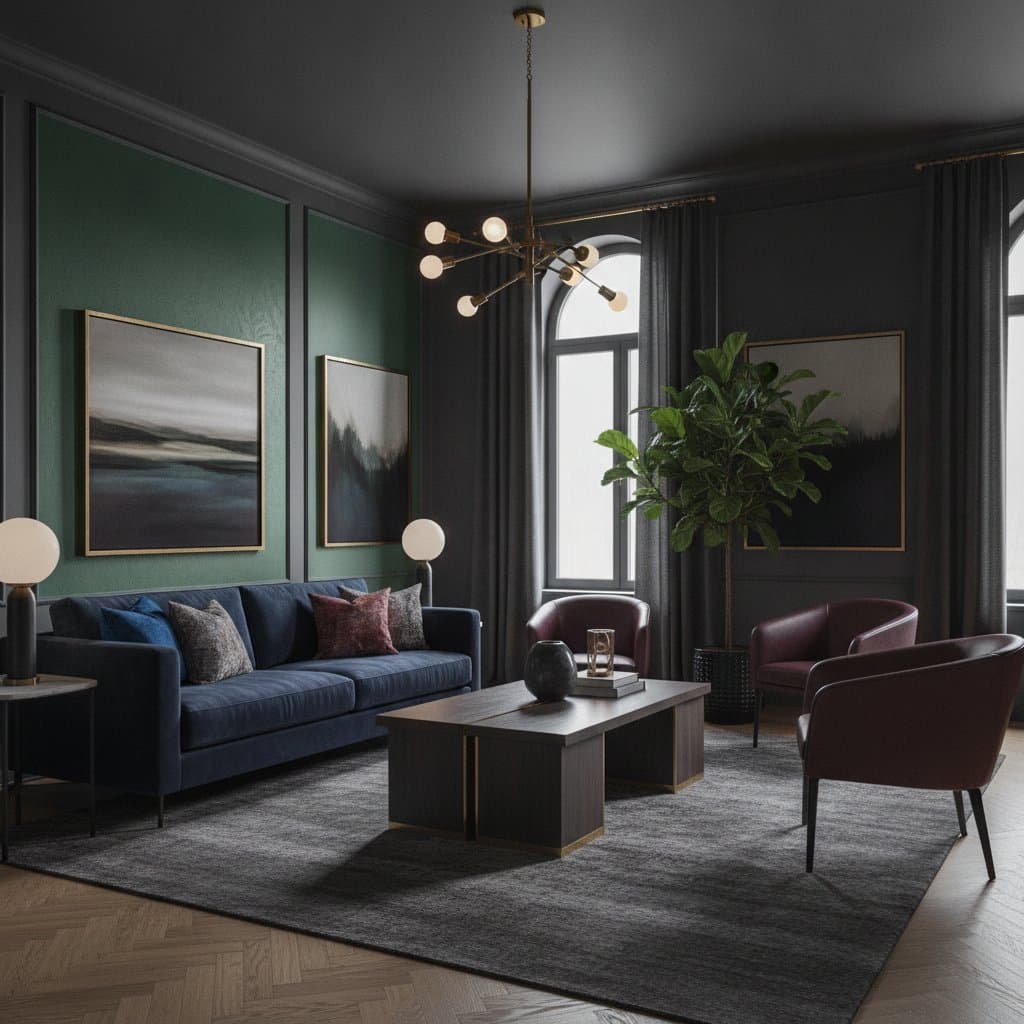
Homes featuring dark, moody interior paint colors sell up to 15 percent faster. Buyers seek the warmth, depth, and refinement these shades provide. Deep tones photograph exceptionally well in online listings, mask surface imperfections, and allow potential owners to envision elevated living without costly renovations.
Sophisticated appearances draw immediate attention on real estate platforms. The contrastwalls against neutral elements guides viewer focus effectively. This visual strategy positions properties as premium options, prompting quicker decisions and stronger bids.
Defining Moody Paint Colors
Moody paint colors consist of deep, subdued hues with minimal light reflection. These shades possess inherent complexity, shifting subtly under various lighting conditions, from natural daylight to artificial sources. Cool undertones evoke serenity, while warm variants add coziness.
Popular Moody Shades Today
Current preferences lean toward versatile, timeless options that complement diverse decor styles.
- Charcoal gray: Offers neutral sophistication for modern interiors.
- Navy blue: Delivers oceanic depth and pairs seamlessly with whites or golds.
- Olive green: Introduces earthy warmth, ideal for biophilic designs.
- Deep plum: Infuses subtle drama, enhancing jewel-toned accents.
- Smoky teal: Balances cool and calming elements for coastal or eclectic spaces.
- Warm espresso brown: Grounds rooms with rich, inviting texture.
These colors generate visual interest through layering against lighter trim, natural wood, or metallic hardware. Select samples to test in actual room lighting for accurate representation.
Optimal Rooms for Dark Paint Application
Apply dark paints selectively to enhance appeal without dominating the space. Focus on areas where drama amplifies comfort and style. This approach maintains balance, appealing to a broad range of buyers.
| Room | Benefits of Dark Paint | Recommended Shades |
|---|---|---|
| Living Room | Builds intimacy and highlights furniture contrasts | Navy, charcoal, espresso |
| Bedroom | Promotes relaxation in a enveloping atmosphere | Deep green, plum, smoky blue |
| Dining Room | Elevates elegance and conversation focus | Charcoal, aubergine, chestnut |
| Office | Enhances concentration with subdued lighting | Forest green, graphite |
| Powder Room | Delivers striking personality in compact areas | Black, ink blue, bronze |
Prioritize high-traffic rooms for maximum impact. Test samples on small sections to observe light interactions throughout the day.
Painting Costs Breakdown
Budget for moody paints requires consideration of scope and execution method. Costs fluctuate based on location, materials, and preparation needs. Plan ahead to align expenses with potential sales benefits.
| Task | Average Cost Range | Influencing Factors |
|---|---|---|
| DIY per room | $100 to $300 | Room dimensions, paint grade, prep time |
| Professional per room | $400 to $900 | Ceiling height, wall texture, local rates |
| Accent wall only | $50 to $150 DIY; $200 to $400 pro | Brand quality, finish type |
Regional variations apply; urban areas command higher labor fees. Premium low-VOC paints or specialty sheens increase outlays. Factors elevating costs include tall ceilings, irregular surfaces, or multiple coats for full coverage.
To minimize expenses, opt for primer-infused paints that reduce layering requirements. Invest in durable tools like high-density rollers for smoother application and fewer touch-ups.
Essential Tools and Materials for Painting
Gather supplies suited to dark pigments, which demand precision to avoid streaks. Quality items ensure professional results and save time during the process.
DIY Essentials
- Angled sash brush for clean edges and corners.
- 3/8-inch nap roller cover for even distribution on standard walls.
- Low-tack painter's tape to protect trim and fixtures.
- Canvas drop cloths for spill protection and easy cleanup.
- Fine-grit sanding sponge for surface smoothing.
- Tinted primer specifically formulated for deep colors.
- Matte or eggshell interior paint for a subtle, non-reflective finish.
Keep microfiber cloths and mild soap solution nearby for immediate spill management. Dark paints settle quickly, so stir thoroughly before each use.
Deciding Between DIY and Professional Services
Evaluate skills, time availability, and project scale when choosing an approach. Each method offers distinct advantages for achieving polished outcomes.
Ideal Scenarios for DIY
- Possess manual dexterity and allocate sufficient time for thorough preparation and two coats.
- Walls present smooth, undamaged surfaces requiring minimal repairs.
- Desire cost savings on labor while personalizing the application.
When to Engage Professionals
- Navigate high or intricate ceilings that demand specialized equipment.
- Seek impeccable lines, color harmony across rooms, and integrated repairs.
- Prepare a property for market listing under tight timelines.
Professionals execute precise cuts, match hues to existing elements, and incorporate patching or sealing. Their estimates typically encompass comprehensive surface assessment and minor fixes.
Integrating Lighting and Staging with Dark Walls
Dark surfaces absorb illumination, necessitating thoughtful lighting plans to maintain vibrancy. Employ multiple layers to distribute light evenly and enhance mood.
Incorporate overhead fixtures for general coverage, supplemented by floor or table lamps for targeted glow. Opt for warm-toned bulbs, around 2700K, to amplify the hues' richness and diminish stark contrasts.
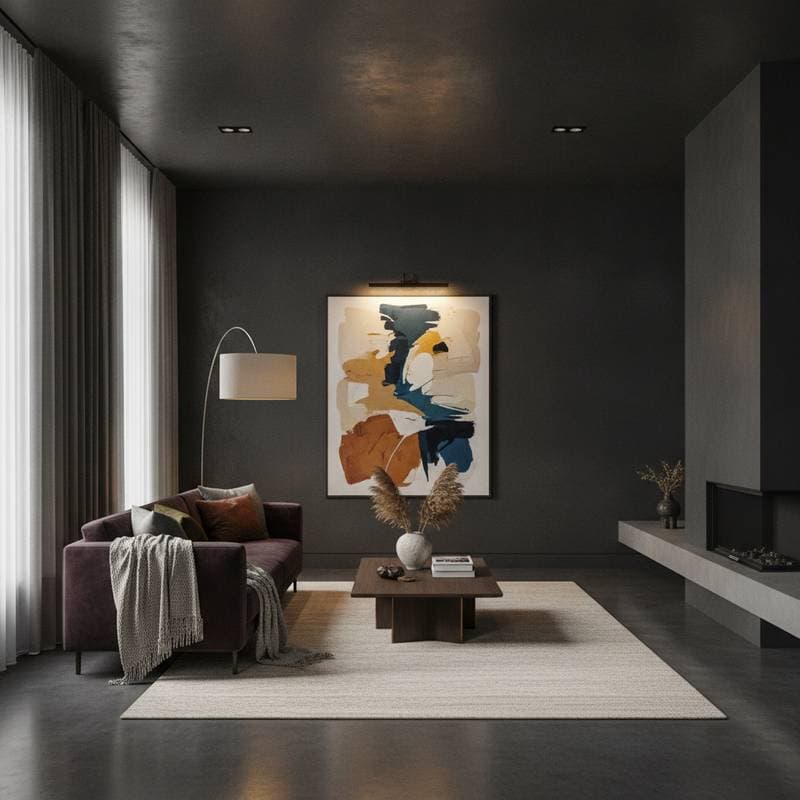
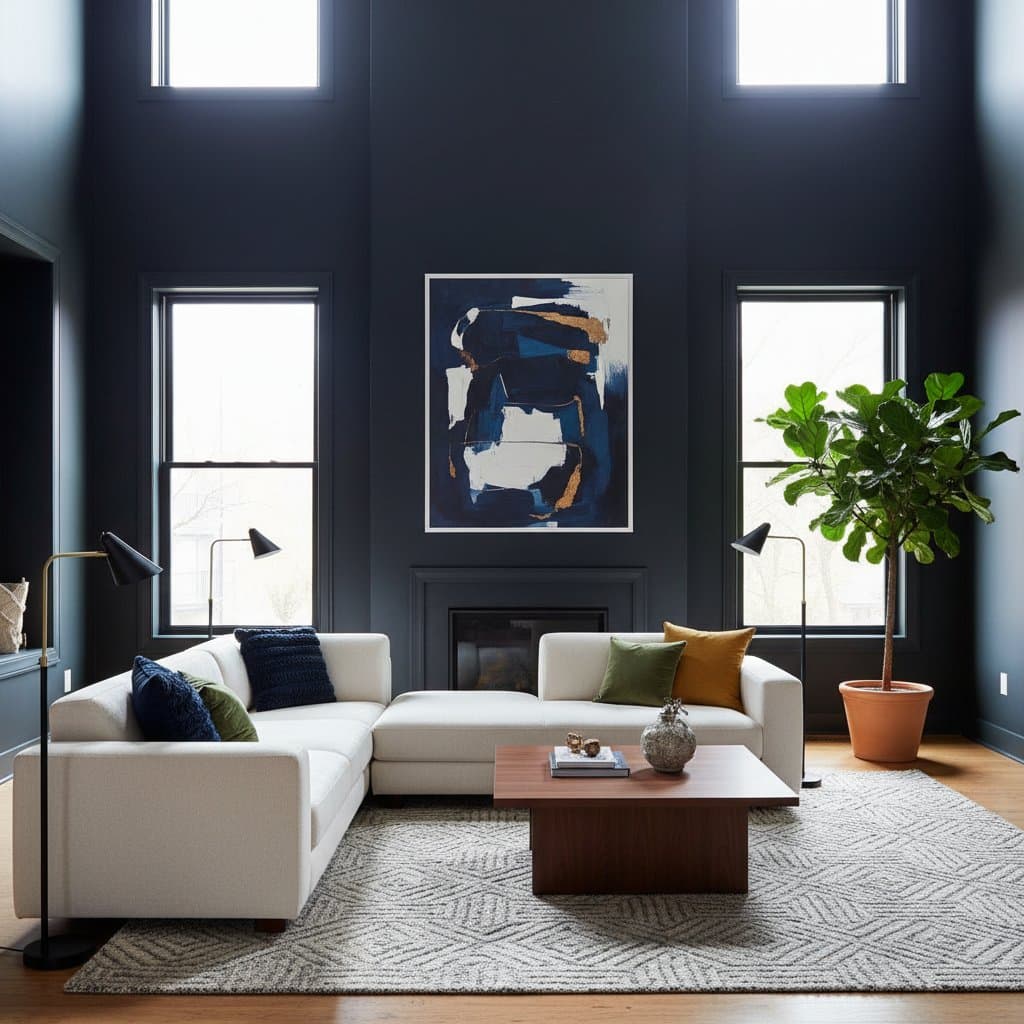
For staging, introduce reflective elements like mirrors and metallic decor to redirect light. Pair with pale artwork, light-toned upholstery, and neutral rugs to counteract any sense of enclosure. Real estate professionals observe that such setups yield superior photographs, as the interplay of shadows and highlights directs attention compellingly amid competitive online galleries.
Pitfalls to Sidestep in Moody Painting Projects
Anticipate challenges unique to deep colors to secure flawless execution. Address these proactively for enduring, appealing results.
- Neglect primer application: Untinted bases lead to uneven absorption and visible patches.
- Select inappropriate sheen: High-gloss amplifies imperfections, creating an artificial appearance.
- Overapply dark tones: Excessive use generates heaviness; retain light areas for equilibrium.
- Overlook ceiling treatment: Maintain bright white overhead to preserve spatial openness.
- Choose mismatched bulbs: Harsh cool lights diminish color depth; favor warm alternatives.
Conduct a full room mock-up with samples under intended lighting to preempt issues.
Situations Where Dark Paint May Underperform
Not all properties suit extensive dark applications. Assess architectural and environmental factors to determine suitability.
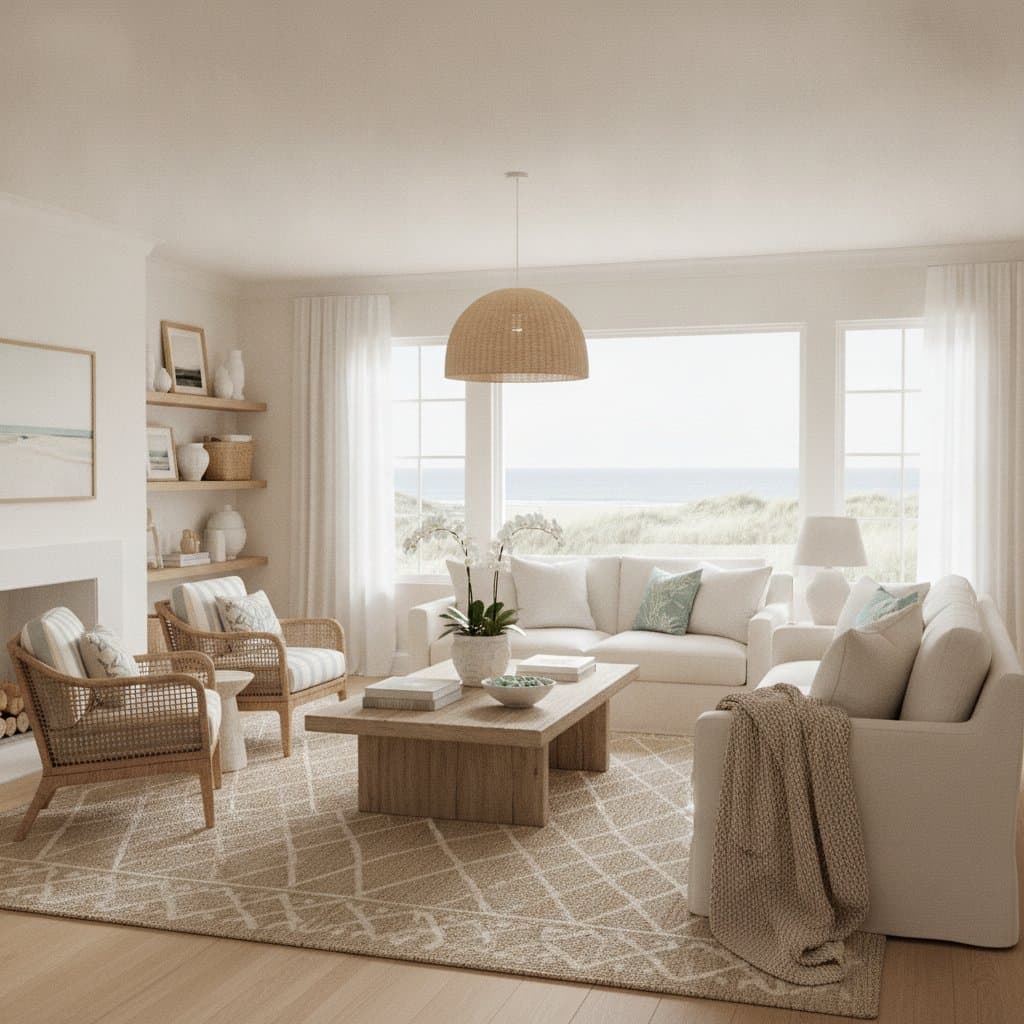
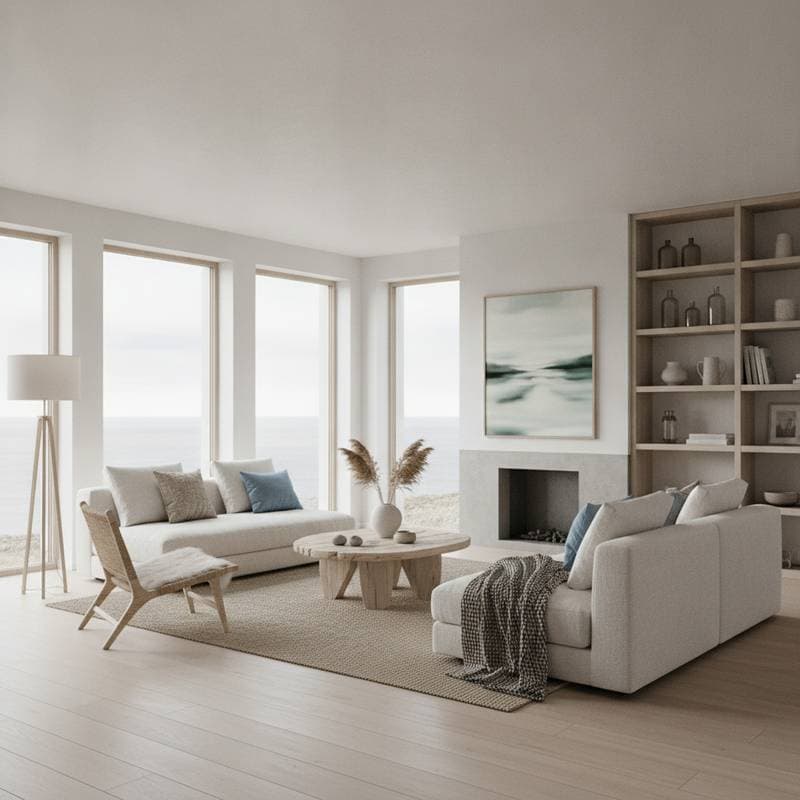
Steer clear of full dark walls in spaces with low ceilings below eight feet or limited natural light. Cluttered or compact layouts risk feeling confined. Markets favoring airy, sunlit aesthetics, such as coastal or arid regions, respond better to lighter palettes.
Instead, incorporate subtlety through a feature wall or cabinetry updates. These targeted changes deliver moody allure while preserving openness and broad appeal.
Calculating Return on Investment for Paint Updates
Moody paint refreshes represent a low-risk, high-reward enhancement. Expenditures of $200 to $800 per key room can elevate property valuation by thousands.
The 15 percent sales acceleration stems from heightened buyer engagement and perceived luxury. Track local comparables to quantify uplift, ensuring alignment with market dynamics. Professional staging consultations further amplify these gains.
Steps to Apply Moody Paints Effectively
Initiate with surface evaluation and cleaning to establish a solid foundation. Apply tinted primer, allowing full drying before base coats. Work in sections, maintaining wet edges to prevent lap marks.
After curing, assess under varied lights and adjust as needed. Coordinate with staging experts for final touches that showcase the transformation. This methodical process positions your home for swift, profitable sale.