Moody Paint Colors Boost Home Value by 6 Percent
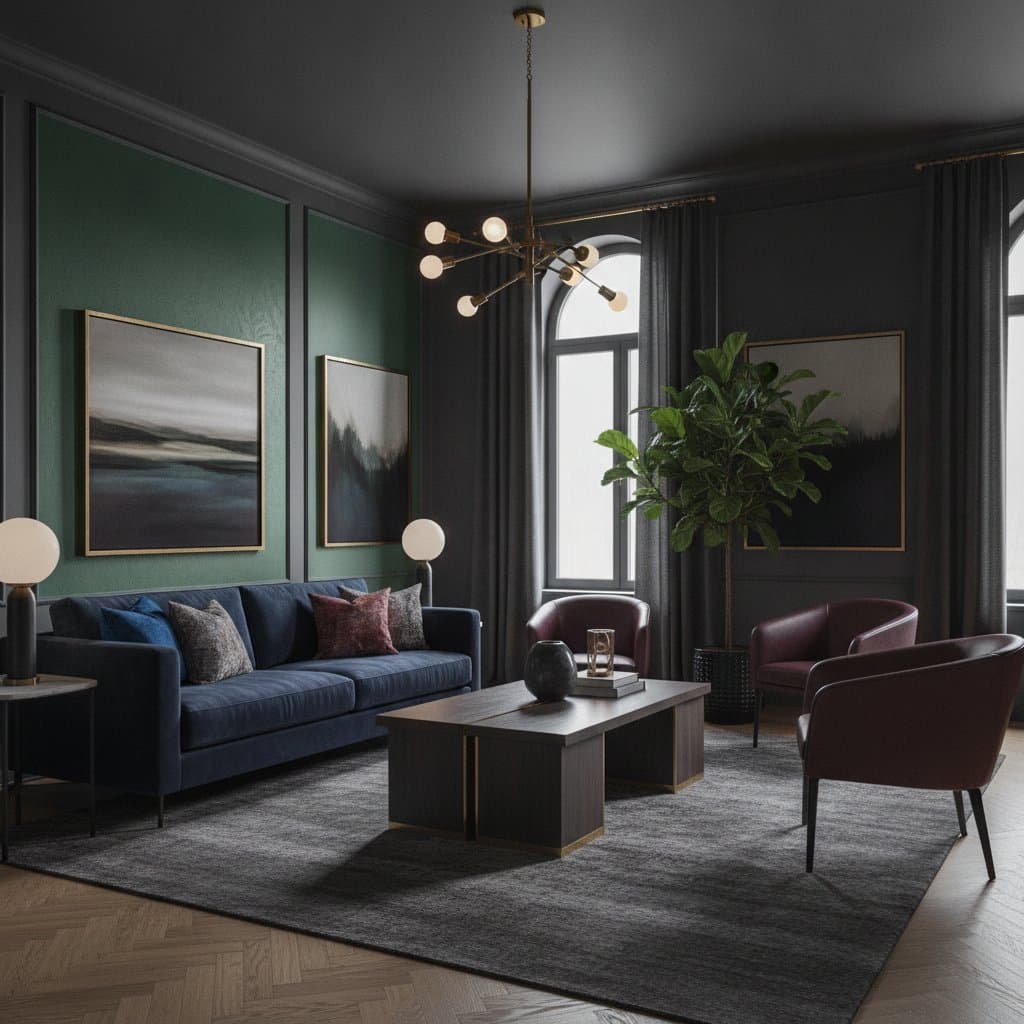
Homes featuring dark, moody interior paint colors often achieve approximately 6 percent higher resale values compared to those with lighter schemes.
Project Snapshot
| Detail | Range or Info |
|---|---|
| Cost Range | $150 to $600 per room including paint, tools, and prep |
| Timeline | 1 to 3 days per room depending on wall repairs and drying time |
| Lifespan | 5 to 8 years before repainting or touch-ups |
| Best Season | Mild weather for faster curing and ventilation |
| DIY Friendly | Yes, if you have steady hands and proper lighting |
Why Moody Colors Add Value
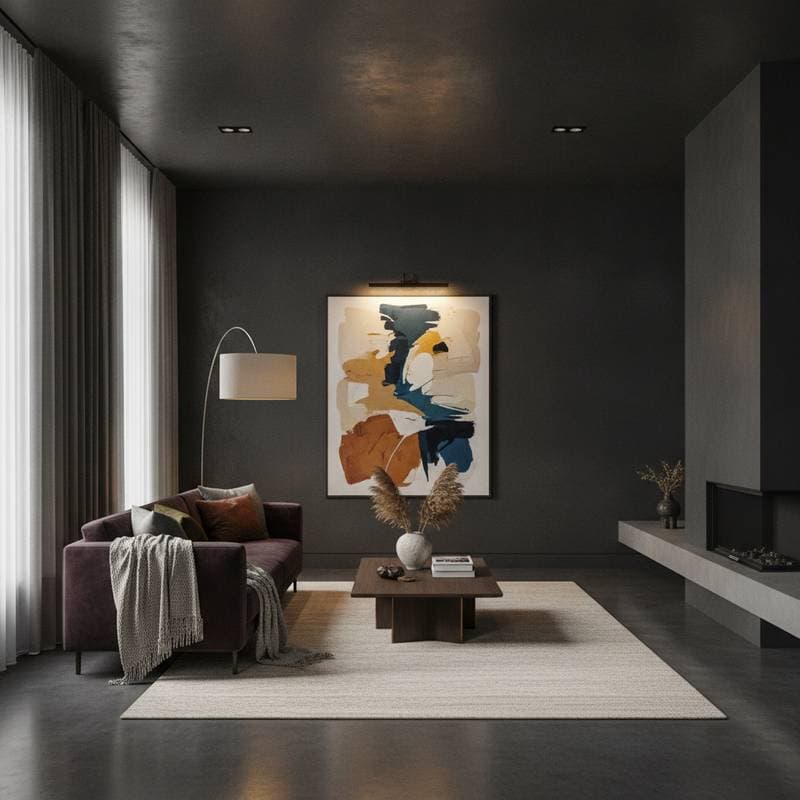
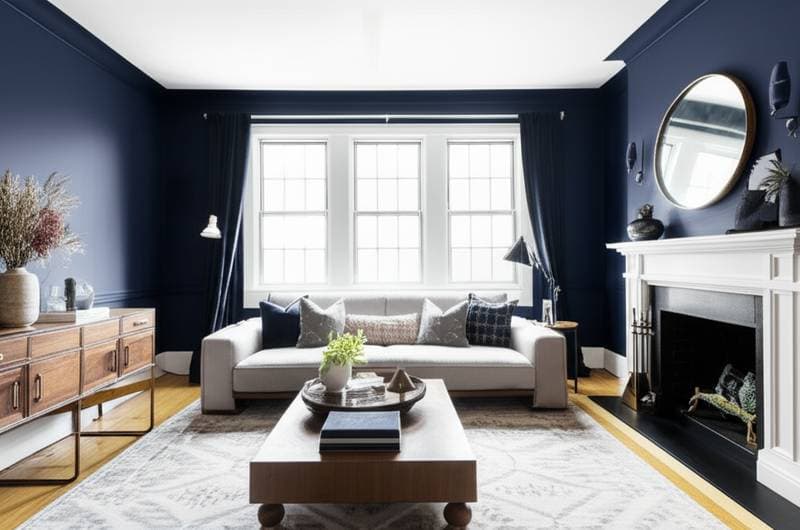
Contemporary buyers associate dark interiors with sophistication and serenity. Tones such as deep navy, charcoal gray, and forest green establish striking contrasts against trim and fixtures, enhancing photographic appeal for real estate listings. These colors effectively conceal minor imperfections on walls while accentuating modern hardware and furnishings. According to real estate analytics, properties incorporating moody shades in primary living spaces or master bedrooms attract offers more quickly and command premium prices over comparable homes finished in neutral off-whites.
Cost Factors
Several elements influence the overall expense of applying dark paint colors.
-
Paint quality. Opt for premium formulations with integrated primers, priced at $45 to $70 per gallon. Such options provide superior coverage and durability, reducing the need for frequent reapplication.
-
Surface prep. Tasks like filling cracks, sanding surfaces, and masking edges typically add $40 to $100 per room. Thorough preparation ensures a flawless base that prevents peeling or uneven absorption.
-
Labor. Professional painters charge $2 to $5 per square foot. Rates lean toward the higher end for transitions to dark shades or surfaces with texture, where precision becomes essential.
-
Lighting upgrades. Inadequate or warm-toned illumination can render dark walls oppressive. Installing LED bulbs costs $40 to $100 and dramatically elevates the perceived spaciousness and warmth.
-
Trim and ceiling contrast. Applying fresh white or warm gray to trim amplifies the dramatic effect. Allocate $80 to $200 for necessary supplies to achieve cohesive results.
Options and Color Directions
Tailor your approach to dark paints based on budget and desired impact.
Basic option: Select one accent wall in a deep neutral like graphite or midnight blue. This method requires minimal materials, around $100, and introduces drama with low commitment.
Midrange option: Paint an entire room in a rich, saturated hue paired with crisp white trim. This configuration delivers optimal style and maximizes resale potential without excessive outlay.
Premium option: Develop a unified dark palette across interconnected rooms, incorporating refreshed lighting and hardware. While this demands higher investment in materials and labor, it fosters seamless design flow that appeals to discerning buyers.
DIY vs Professional Application
Certain conditions favor handling the project independently.
Pursue DIY when:
- Walls present smooth surfaces previously coated in light colors.
- Essential tools like rollers, angled brushes, and a stable ladder are available.
- Adequate ventilation supports safe drying processes.
Engage professionals when:
- Surfaces feature texture or prior dark coatings that complicate coverage.
- The scope extends to ceilings or multi-story elements.
- Time constraints prevent completing multiple coats and thorough cleanup.
Dark paints reveal every imperfection, such as brush strokes, more readily than lighter varieties. Experienced painters employ sprayers or premium rollers for uniform application and select appropriate sheens to eliminate glossy inconsistencies under varying light.
Timing and Savings Strategies
Allocate 2 to 3 days per room to encompass preparation, application, and drying phases. Standard paint supplies remain consistently available, though custom shades might require 3 to 5 days for delivery. Monitor manufacturer promotions to reduce expenses by 10 to 20 percent. Off-season scheduling for professional services often yields savings of about 15 percent. Reserve an additional 10 percent of the budget for contingency items like touch-up materials or minor errors.
Maintenance and Warranties
Dark walls accumulate visible dust and fingerprints more quickly than pale surfaces. Clean them periodically using a damp microfiber cloth to preserve appearance. Steer clear of harsh abrasives that may compromise the finish's integrity. Reputable premium paints offer lifetime limited warranties when applied to properly prepared, primed substrates. Refresh high-traffic zones every 6 to 8 years to sustain the colors' depth and vibrancy.
Steps to Implement Moody Colors Effectively
Begin by applying three dark sample swatches to a single wall and observe their evolution under natural and artificial light throughout the day. Select matte or eggshell finishes for intimate spaces to foster coziness, reserving satin sheens for high-use corridors that demand resilience. Test a small section initially, allowing a week to assess comfort before committing to larger areas. Thoughtful execution of moody paint applications yields enduring enhancements in both daily enjoyment and financial return on investment.