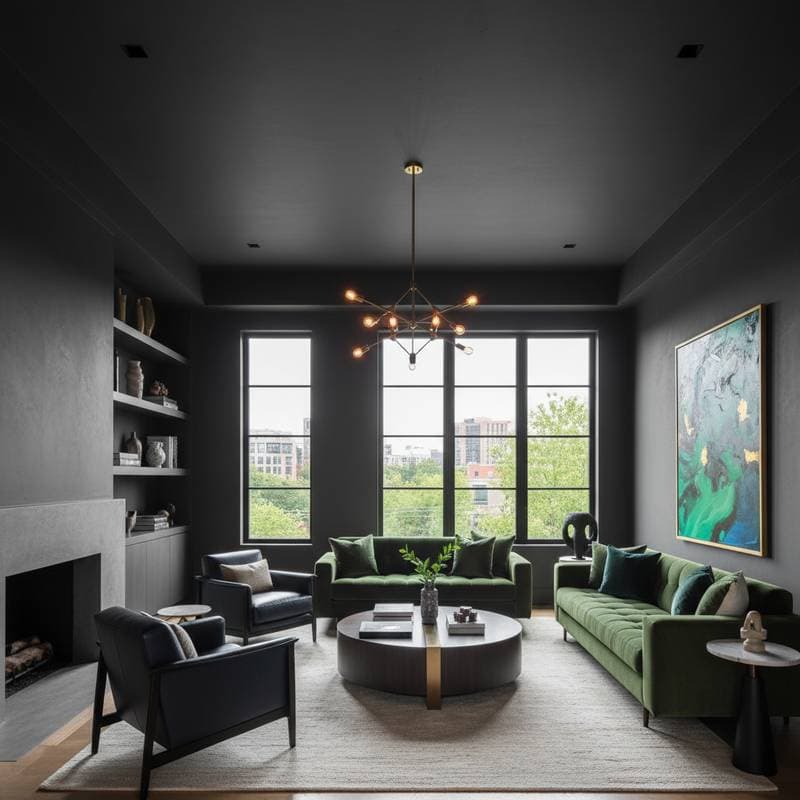
The Rise of Dark Paint in Modern Interiors
Homeowners seek distinctive ways to stand out in competitive real estate markets. Dark paint emerges as a powerful tool for achieving this distinction. It shifts interiors from ordinary to extraordinary, creating depth and drama that captivate observers.
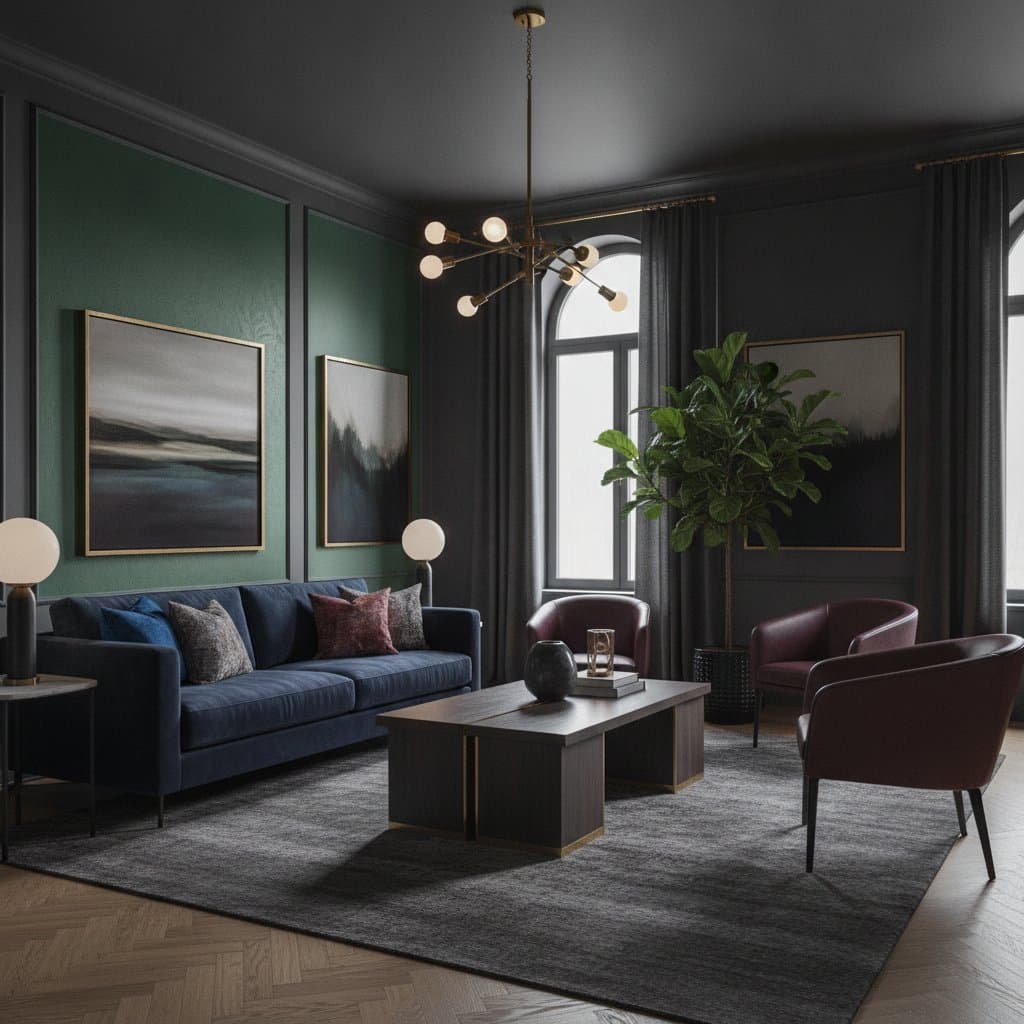
In 2026, this trend gains momentum as buyers favor bold, personalized spaces over neutral palettes. Designers note that dark walls evoke luxury akin to high-end hotels or galleries. The result is a home that feels curated and timeless.
Benefits of Incorporating Dark Paint
Dark paint offers multiple advantages beyond aesthetics. It highlights architectural features like crown molding or built-in shelving, making rooms appear more structured and intentional. This enhancement draws attention to the home's unique elements.
From a market perspective, properties with thoughtfully applied dark paint often command higher offers. Real estate experts report that such interiors appeal to younger demographics who prioritize style and individuality. Photographs of these spaces also perform better in online listings, generating more inquiries.
Energy efficiency represents another benefit. Dark colors absorb light, which can make rooms feel cozier during cooler months. Paired with warm lighting, they create inviting atmospheres that encourage longer visits from potential buyers.
Choosing the Perfect Dark Hues
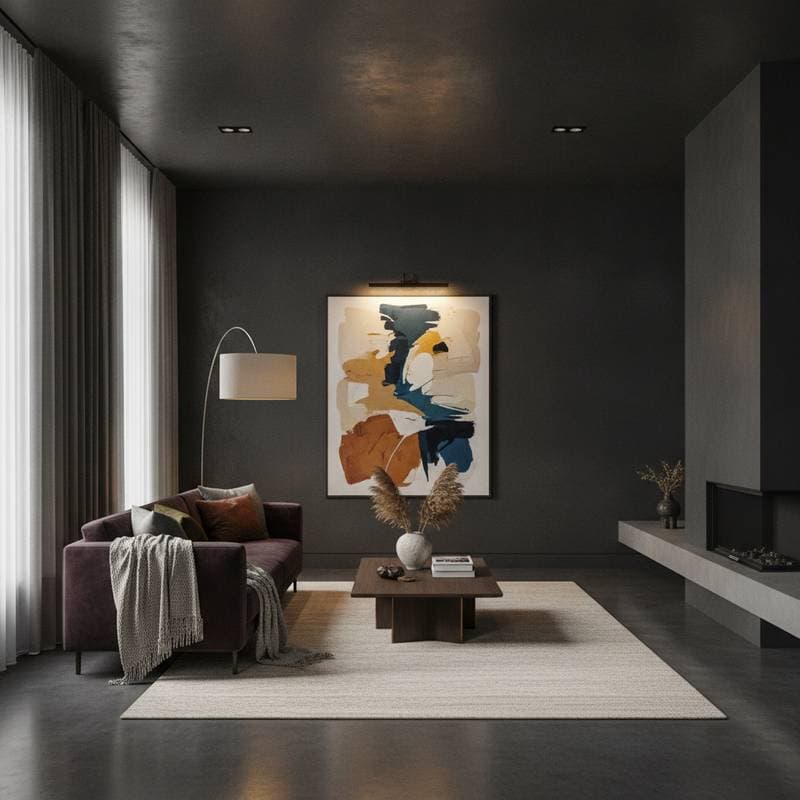
Selection begins with understanding room function and natural light. For living areas with ample windows, consider versatile shades like softened charcoal or inky indigo. These tones provide richness without overwhelming the space.
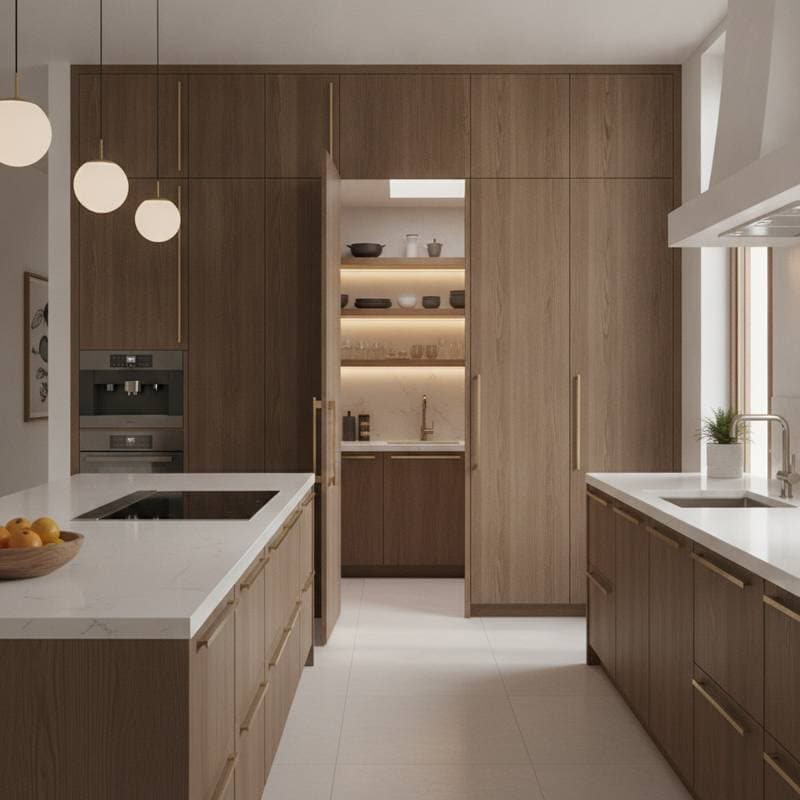
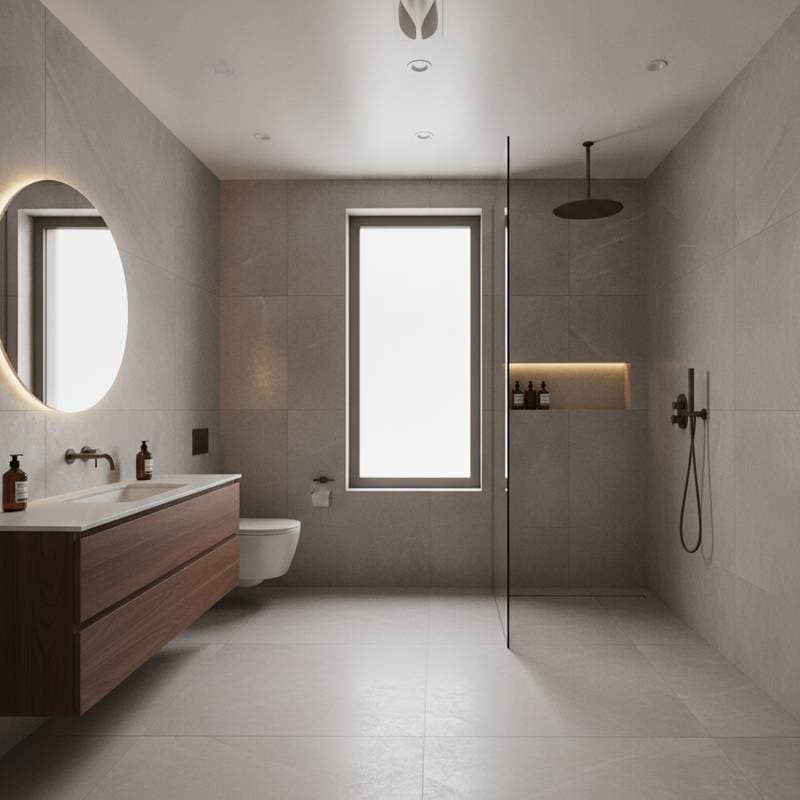
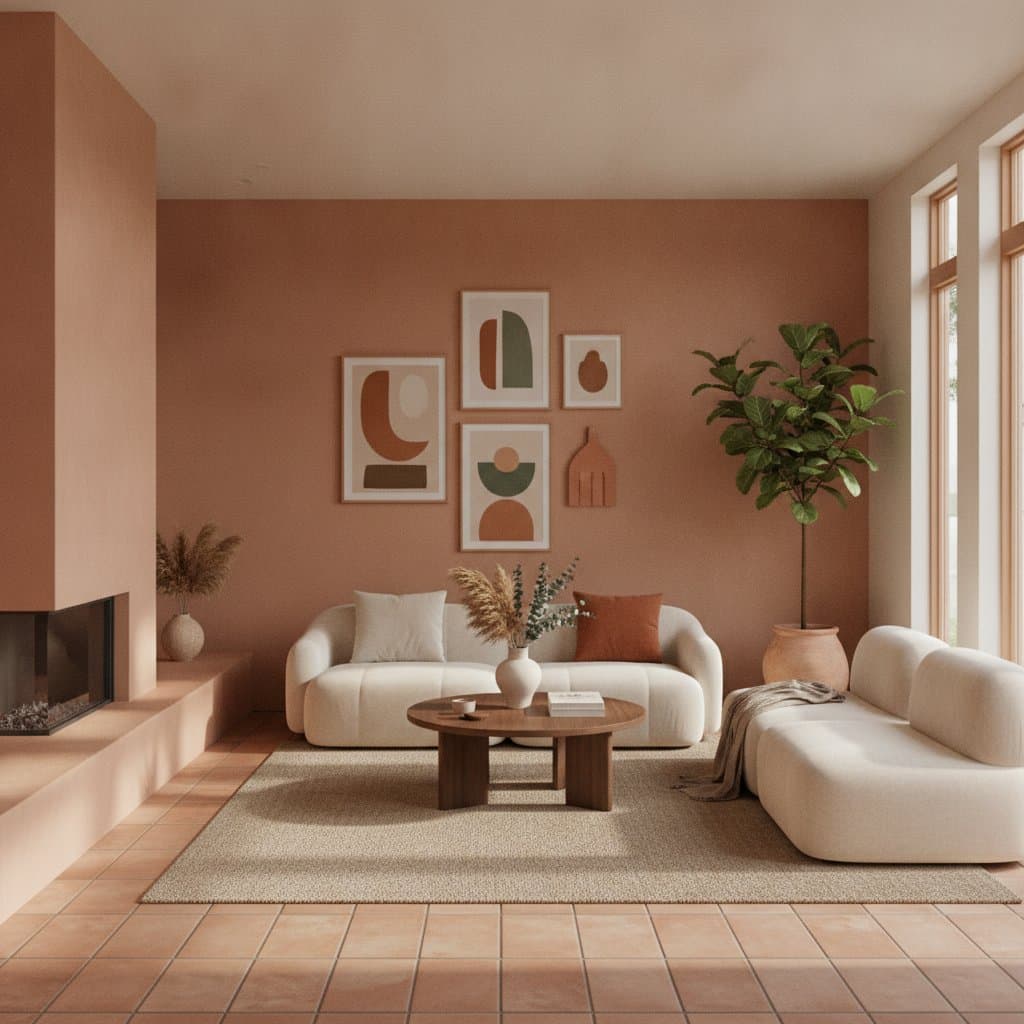
Kitchens and bathrooms benefit from earthy deeps such as hunter green or warm terracotta. These colors ground the environment while complementing natural materials like wood or stone. Test samples in different lighting conditions to observe how hues shift throughout the day.
Consult color theory for harmony. Pair dark walls with lighter accents in furniture or textiles to prevent monotony. Designers recommend starting with a mood board that includes fabric swatches and fixture samples for cohesive results.
- Assess room size: Smaller spaces suit lighter darks to avoid constriction.
- Consider undertones: Cool blues suit modern vibes; warm browns enhance traditional settings.
- Factor in adjacent rooms: Ensure flow between spaces for unified appeal.
Mastering Lighting and Balance
Lighting plays a crucial role in dark paint success. Ambient sources like recessed cans distribute even illumination, preventing shadows from dominating. Layer with task lights over workspaces and accent fixtures to highlight artwork or textures.
Balance prevents dark paint from feeling heavy. Introduce reflective surfaces such as mirrors or metallic accents to bounce light around the room. Light-colored ceilings and trim create contrast, lifting the overall mood.
Natural light maximizes potential. Position furniture to frame windows, allowing daylight to interplay with the paint. In low-light rooms, opt for high-gloss finishes that amplify available brightness.
- Install dimmable LEDs for adjustable intensity.
- Use sheers or blinds to control sunlight without blocking views.
- Add floor lamps in corners to eliminate dark spots.
Finishes and Application Best Practices
Matte finishes absorb light for a velvety texture, ideal for accent walls. They hide imperfections but require careful cleaning. Satin or eggshell options offer subtle sheen and durability for high-traffic areas.
Preparation ensures longevity. Clean surfaces thoroughly and apply primer suited for dark colors to achieve even coverage. Multiple thin coats prevent drips and build depth gradually.
Professional application yields superior results. Hire painters experienced with bold hues to handle edges and textures precisely. Allow full curing time before introducing furniture to avoid damage.
- Prime with tinted base for fewer topcoats.
- Use quality brushes for trim and rollers for broad areas.
- Ventilate during painting to manage fumes effectively.
Avoiding Common Pitfalls with Dark Paint
Overapplication leads to one of the most frequent errors. Limit dark paint to one or two walls per room to maintain openness. Full-room saturation works best in larger, well-lit spaces.
Ignoring maintenance poses another risk. Dark surfaces show dust and fingerprints more readily, so select washable finishes. Regular dusting keeps the look pristine without frequent repaints.
Test before committing. Paint large swatches and observe them over days. This step reveals how colors interact with your specific lighting and furnishings.
Dark Paint's Impact on Home Value
Strategic use of dark paint directly influences resale outcomes. Listings featuring these elements often sell faster and at premiums of five to ten percent. Buyers perceive added value in the sophisticated presentation.
Staging experts emphasize photography advantages. Dark backdrops make furnishings pop, creating compelling visuals for marketing materials. This edge proves invaluable in digital-driven sales processes.
Long-term, dark paint supports personalization. It allows homeowners to express style while appealing broadly to future purchasers. The investment in quality application delivers returns through enhanced curb appeal and interior allure.
Strategies for Lasting Value Through Dark Interiors
Integrate dark paint into broader renovation plans for maximum effect. Combine with updated hardware or flooring to amplify luxury. This holistic approach elevates the entire property profile.
Monitor trends while prioritizing timelessness. Consult local designers for region-specific advice, ensuring alignment with buyer preferences. Document the process with before-and-after images for portfolio or resale storytelling.
Ultimately, dark paint transforms spaces into assets. It fosters environments that inspire and impress, securing both immediate enjoyment and future financial gains.