Understanding the Appeal of Dark Moody Paint Colors in 2025
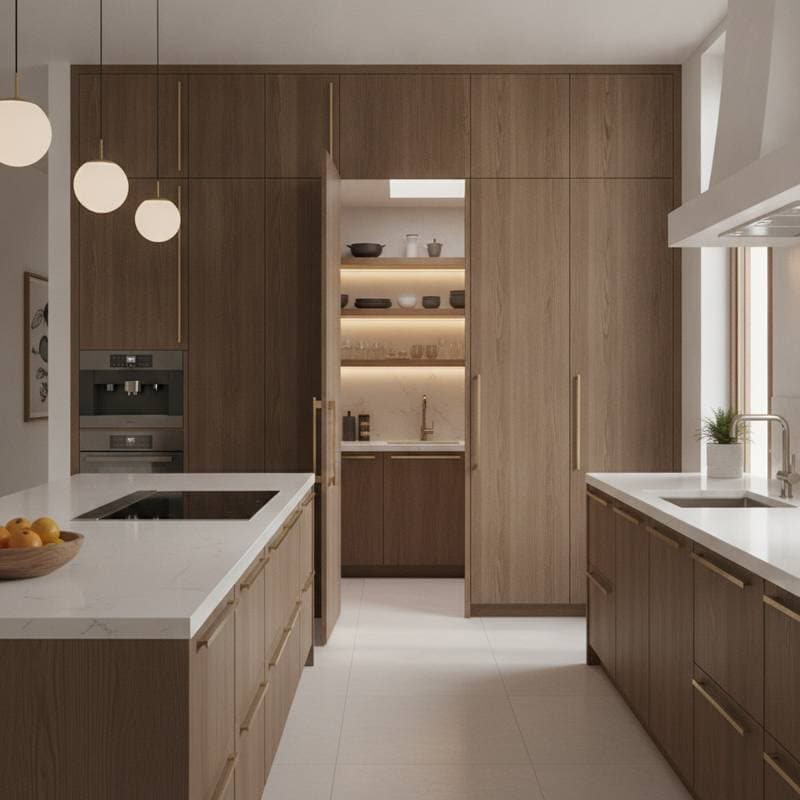
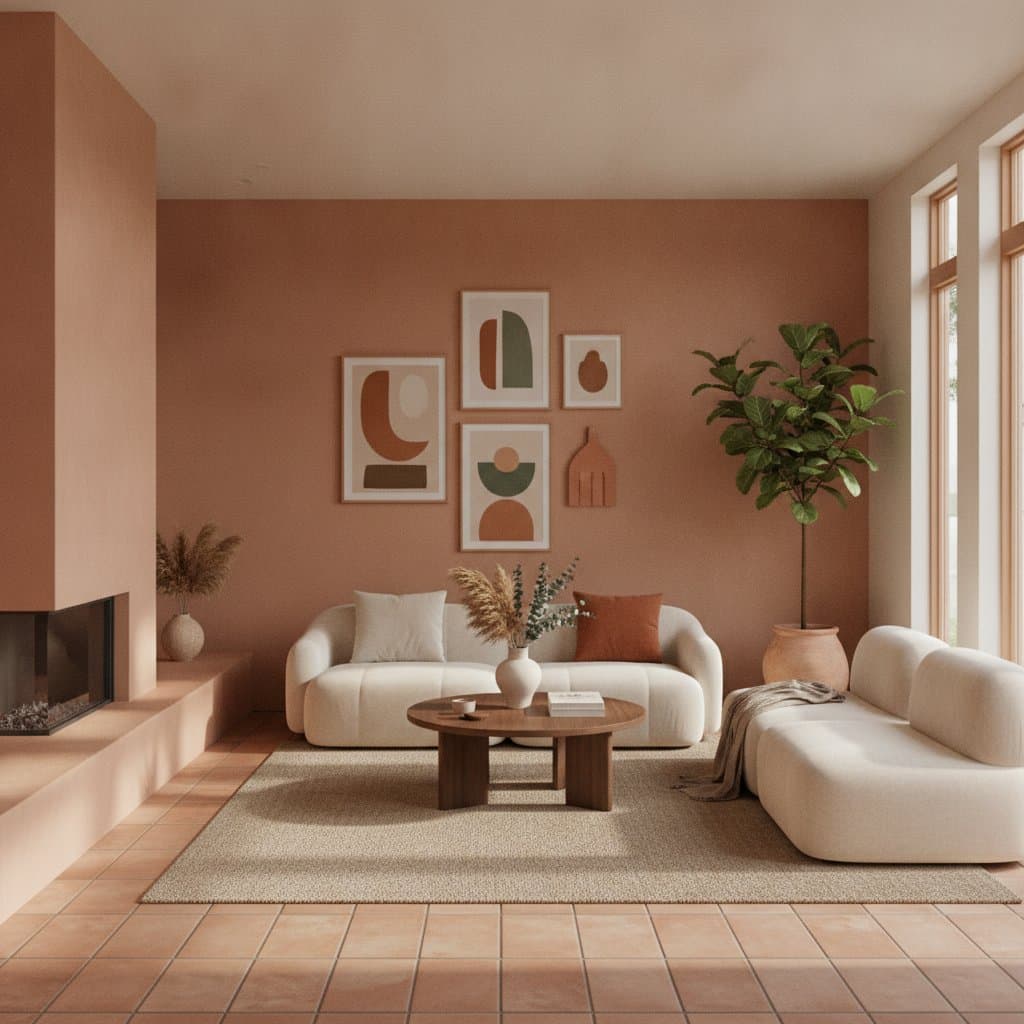
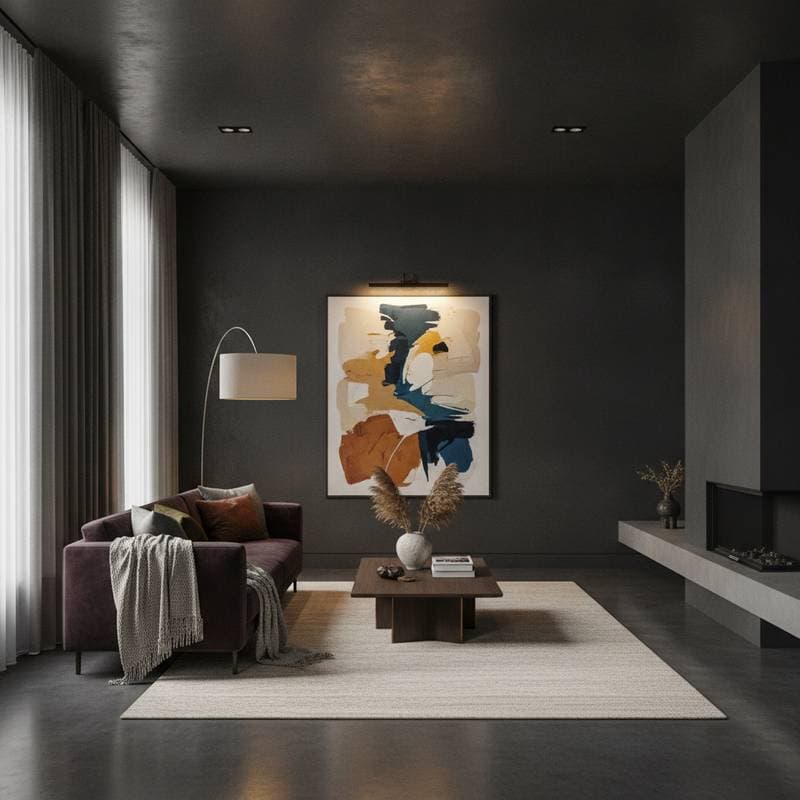
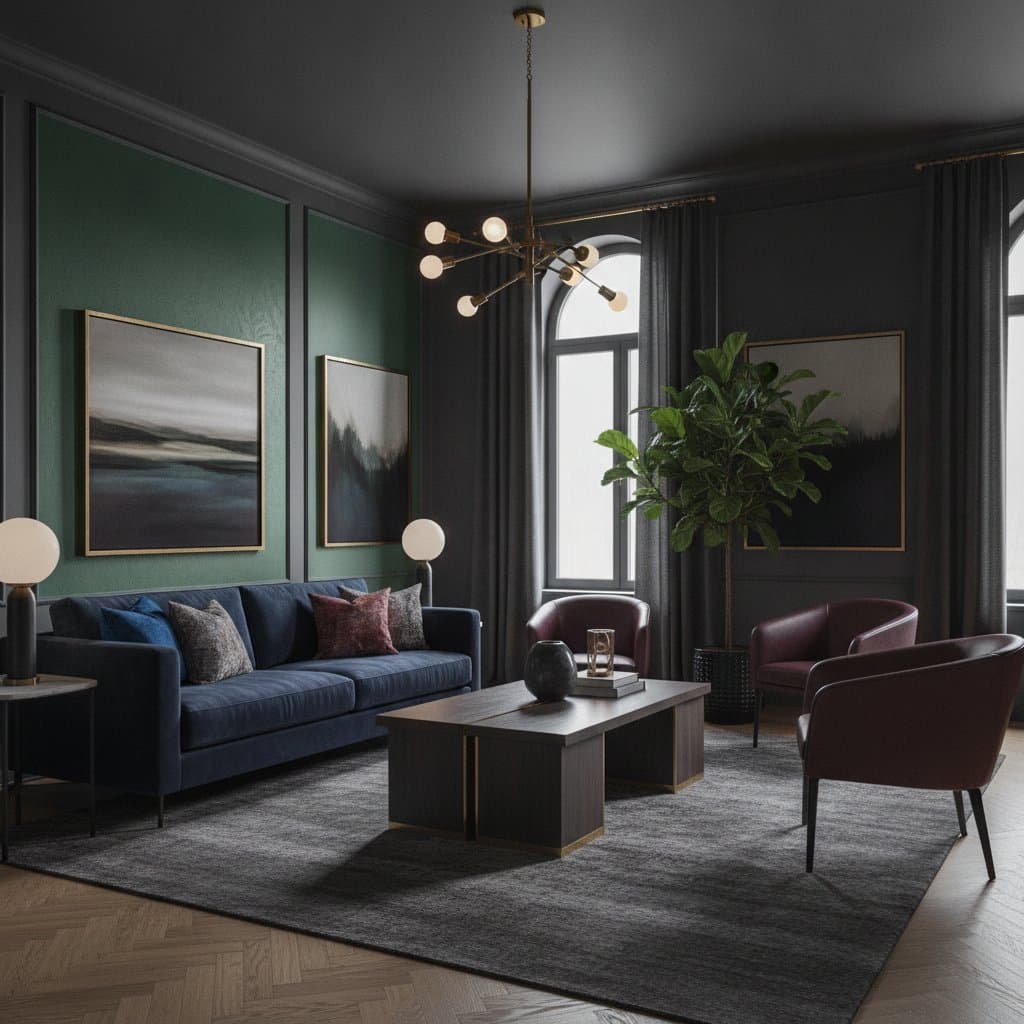
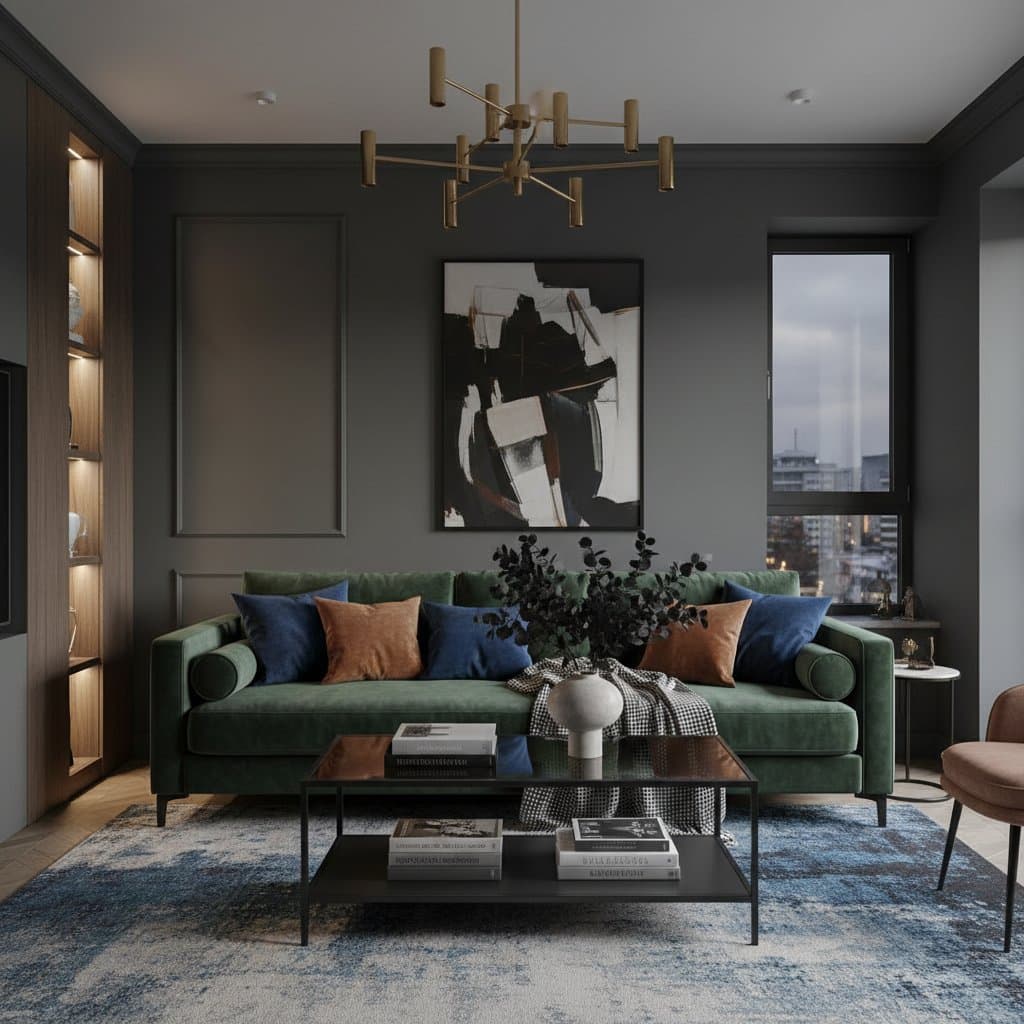
Dark moody paint colors capture the essence of contemporary interior design by introducing layers of depth and emotional resonance. Buyers seek these hues for their ability to foster intimacy and sophistication in living spaces. In 2025, selections range from velvety charcoals and inky navies to lush forest greens and warm terracottas, each chosen to harmonize with natural light and furnishings.
These colors suit a variety of aesthetics, from sleek modern minimalism to cozy rustic charm. They excel in well-lit rooms where ambient glow enhances their richness, or in layered lighting setups that prevent any sense of enclosure. For homeowners, adopting such palettes signals a deliberate approach to personalization, while sellers benefit from the perception of updated, luxurious interiors.
Key Benefits and Potential Drawbacks
Dark moody paints offer distinct advantages that elevate room dynamics. They deliver a bold visual statement that draws the eye and anchors the space. Imperfections on walls, such as small dents or uneven textures, become less noticeable compared to stark white finishes. In expansive areas like open-plan living rooms, these shades infuse warmth and personality, complementing organic elements such as reclaimed wood beams or stone accents.
Versatility stands out as another strength; these colors integrate seamlessly with diverse styles, including industrial edges, bohemian layers, or classic elegance. However, challenges exist. Dust and fingerprints appear more prominently on darker surfaces, requiring vigilant upkeep. In compact rooms with limited natural light, the hues might amplify a sense of constriction unless balanced with reflective surfaces or strategic illumination.
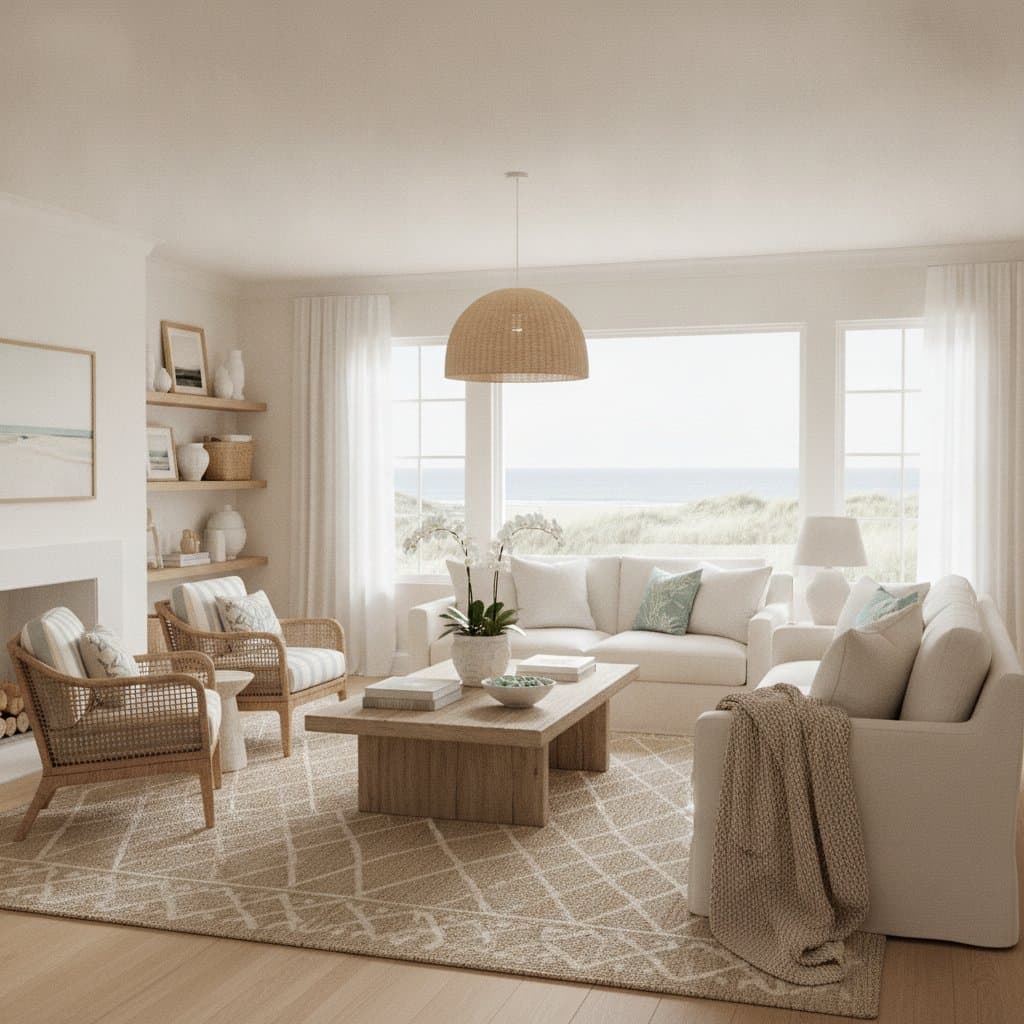
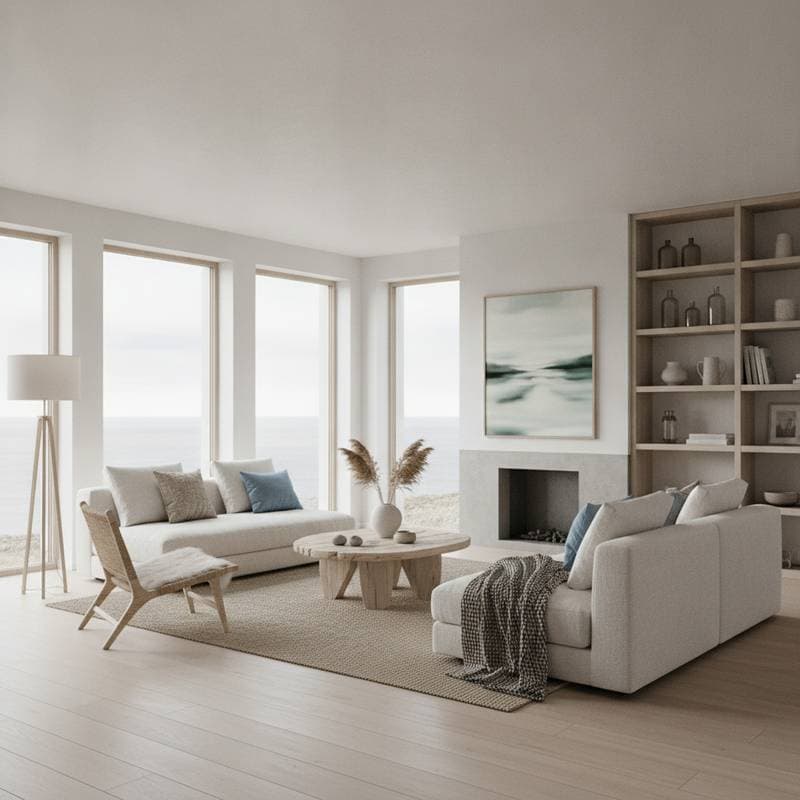
Application demands precision, as darker pigments often necessitate multiple coats for uniform opacity, and blending touch-ups proves tricky over time. In regions favoring airy, sunlit designs, such as beachfront communities, resale might suffer if buyers prefer brighter tones. Weigh these factors against your lifestyle and local market to determine suitability.
DIY Application Versus Professional Services
Applying dark moody paints requires careful technique to avoid visible inconsistencies. Streaks from rollers or brush marks emerge readily on these saturated tones, underscoring the need for quality tools and preparation.
Opting for DIY
This approach suits those with painting experience and manageable projects. Expect medium to high difficulty, particularly with edging and achieving even coverage. Allocate four to eight hours per standard room, depending on size and complexity.
Essential tools include a high-density foam roller for smooth application, an angled sash brush for corners, a high-quality primer to seal surfaces, and painter's tape for clean lines. Begin by cleaning walls thoroughly and applying primer to enhance adhesion and color payoff. Risks include patchy results or lap marks if coats dry unevenly; test in a small area first to gauge your comfort level.
Hiring Professionals
Professionals excel in delivering impeccable results, especially for intricate details or challenging surfaces like vaulted ceilings. They manage comprehensive prep work, including surface repairs and priming, while ensuring safety during the process. Time savings are significant, often completing a room in half the DIY duration, with cleanup handled efficiently.
Costs vary by location and scope, typically ranging from $500 to $2,000 per room, covering labor, materials, and minor repairs. This investment pays off in longevity and aesthetic precision, ideal for high-visibility areas or when time constraints apply.
Longevity, Care, and Regional Considerations
With proper maintenance, dark moody walls endure seven to ten years before fading or wear prompts repainting. Regular care involves gentle wiping with a microfiber cloth and a diluted, non-abrasive cleaner every few months to preserve the finish. Refresh trim elements annually if gloss diminishes, and select paints with built-in mildew resistance for humid environments.
Premium brands often provide limited lifetime warranties against peeling or cracking when applied per guidelines. In sun-exposed coastal or arid areas, UV-protective topcoats mitigate fading from intense light. Humid climates benefit from semi-gloss sheens that repel moisture and simplify cleaning.
Local preferences influence choices; urban dwellers embrace darker tones for their edgy appeal, whereas suburban markets lean toward softer neutrals. For exterior accents, consult community regulations, as some restrict low-reflectivity darks to control urban heat islands.
Investment Value and Staging Strategies
While dark interiors do not universally boost property values, they enhance perceived quality when executed well. Clean applications signal meticulous care, attracting buyers who appreciate thoughtful design. In resale scenarios, these colors position homes as premium offerings, potentially shortening market time.
For staging, introduce a single moody accent wall to refresh outdated spaces affordably, costing under $300 in materials. Pair with metallic hardware or textured textiles to amplify drama without overwhelming the palette. Data from recent market analyses shows staged moody rooms garner 10 to 15 percent more interest in viewings compared to bland neutrals.
Essential Safety Practices
Painting with dark colors involves standard precautions to protect health and the environment. Ensure ample ventilation by opening windows and using exhaust fans to disperse fumes. Wear nitrile gloves to shield skin, and a NIOSH-approved respirator for oil-based formulas or extended sessions.
Select low-VOC primers and paints to minimize indoor air pollutants, verifying certifications on labels. Dispose of excess materials at designated hazardous waste facilities rather than household trash or sewers. Keep pets and children away from wet areas until fully cured, typically 24 to 48 hours.
Selecting and Applying Your Ideal Shade
Transform your home with dark moody paints by starting with intentional selection. Assess room lighting and existing decor to choose complementary tones, such as a deep slate for north-facing spaces or a spiced burgundy for warm wood surroundings. Purchase sample pots and apply to several wall sections, observing shifts from morning to evening light over two days.
Prepare surfaces meticulously: repair cracks, sand glossy areas, and apply primer for optimal adhesion. Use a W Zig-zag rolling pattern for even distribution, allowing full drying between coats, usually two to three for full opacity. For a luxurious touch, finish with a subtle eggshell sheen that balances depth with cleanability.
If uncertainty arises regarding technique or color matching, engage a professional for consultation or execution. The result yields serene, enveloping spaces that reflect personal style and invite relaxation, proving that strategic darkness elevates everyday living into something extraordinary.