
Boost Home Value by 11 Percent with Moody Dark Cabinets
Dark kitchen cabinets can increase home resale value by up to 11 percent when implemented effectively. Homebuyers perceive these cabinets as modern, dramatic, and luxurious. The key lies in achieving balance through rich, moody tones combined with appropriate lighting and finishes, which create an upscale appearance rather than a somber one.
This guide outlines practical steps to incorporate dark cabinets for optimal style and financial return. Readers receive detailed instructions, cost estimates, timelines, and professional advice to determine if this renovation aligns with their objectives.
Steps to Install Moody Dark Cabinets
1. Select the Appropriate Shade
Choose a color that complements the kitchen's size and natural light levels.
- For smaller kitchens, opt for dark navy, graphite, or deep olive; these hues provide depth without overwhelming the space.
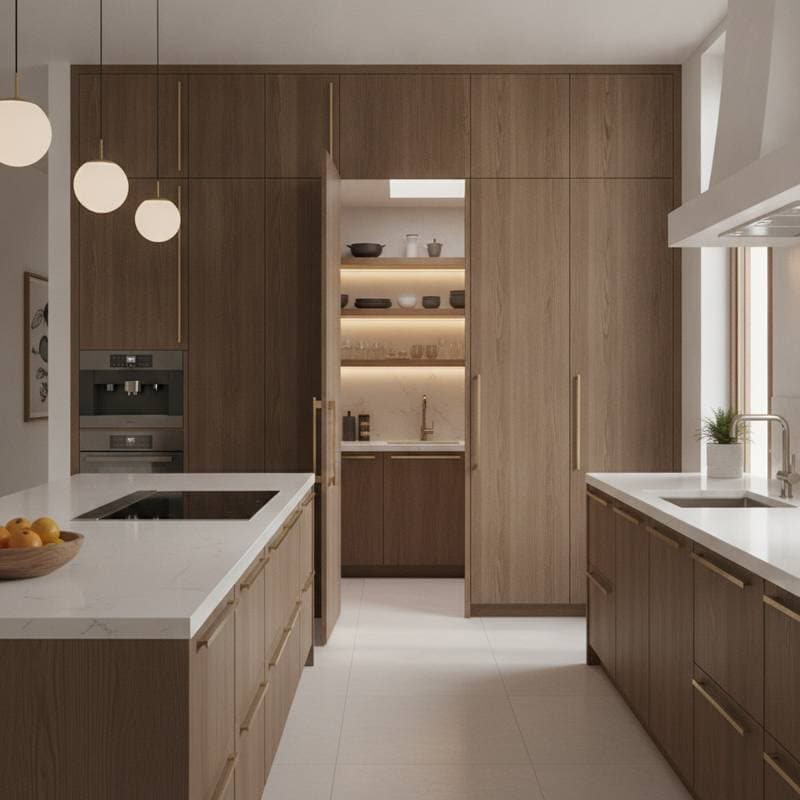
- For larger or open-concept kitchens, consider matte black, espresso, or dark walnut to achieve a bold impact.
Test paint or stain samples in the actual kitchen environment under various lighting conditions prior to final selection.
2. Choose Between Painting and Replacement
Painting suits existing cabinets constructed from solid wood in excellent condition.
Replacement proves ideal for cabinets with damaged, warped, or stylistically outdated doors.
Evaluate the structural integrity and aesthetic compatibility of current cabinets to guide this decision.
3. Prepare Surfaces Thoroughly
Clean all surfaces using a degreaser to remove grease and residue. Lightly sand with fine-grit paper to promote adhesion. Apply a bonding primer specifically formulated for cabinetry.
Proper preparation ensures a smooth, long-lasting finish.
4. Apply the Finish Evenly
Use a spray or roller to apply multiple thin coats of high-quality cabinet paint or stain. Allow each coat to dry completely before adding the next. Select satin or semi-gloss sheens for enhanced durability and simplified maintenance.
This method minimizes brush marks and achieves professional results.
5. Incorporate Contrasting Hardware
Pair dark cabinets with hardware in warm metals such as brass or copper, or cool options like brushed nickel. Ensure handles coordinate with faucets and other fixtures for visual unity.
Strategic hardware selection enhances the overall design cohesion.
6. Integrate Effective Lighting
Install under-cabinet strips and bright overhead lights to counteract light absorption by dark surfaces. Well-placed illumination maintains an inviting atmosphere in the kitchen.
Layered lighting highlights textures and prevents the space from feeling dim.
7. Style for Optimal Resale Appeal
Incorporate lighter countertops, backsplashes, or open shelving to provide contrast against the dark cabinets. This balance of light and dark elements appeals strongly to potential buyers.
Such styling creates a dynamic, marketable kitchen environment.
Project Timeline
Painting existing cabinets requires 3 to 5 days, including 10 to 15 hours of hands-on labor. Replacing doors takes 1 to 2 days after materials arrive. A full cabinet replacement spans 1 to 3 weeks, encompassing fabrication and installation.
Account for drying and curing periods, as premature handling of paint leads to tacky surfaces or inconsistent coloration.
Essential Tools and Materials
For Painting or Staining
- Screwdriver to remove doors and hardware
- Degreaser and microfiber cloths for cleaning
- Sandpaper in 120 to 220 grit ranges
- Painter's tape and plastic sheeting for protection
- Bonding primer suitable for cabinets
- Cabinet-grade paint or stain
- High-quality brush or paint sprayer
- New hardware and replacement screws
For Cabinet Replacement
- Tape measure for accurate sizing
- Drill with appropriate bits
- Level to ensure alignment
- Cabinet screws for secure fastening
- Shims for adjustments
- Replacement doors or complete cabinet units
Gather all items in advance to streamline the process.
Considerations for Regional and Climate Variations
High humidity in coastal areas prolongs drying times; select moisture-resistant primers and extend curing periods accordingly. In arid climates, paint dries rapidly, which may cause uneven application; maintain moderate temperatures in the workspace.
Darker cabinets conceal dust and wildfire residue effectively in prone regions, requiring less frequent deep cleaning. In colder climates, these tones contribute to a warmer, more comfortable ambiance when accented with warm lighting.
Styling Strategies for Moody Kitchens
Dark cabinets integrate seamlessly when the surrounding elements introduce layers of brightness and texture. Recommended pairings include:
- Countertops in white quartz, marble-effect laminate, or butcher block for clean contrast.
- Backsplashes featuring glossy subway tiles or light-colored stone mosaics.
- Walls painted in soft gray, cream, or pale green to enhance spaciousness.
- Flooring with medium-toned wood or warm-underlined tiles.
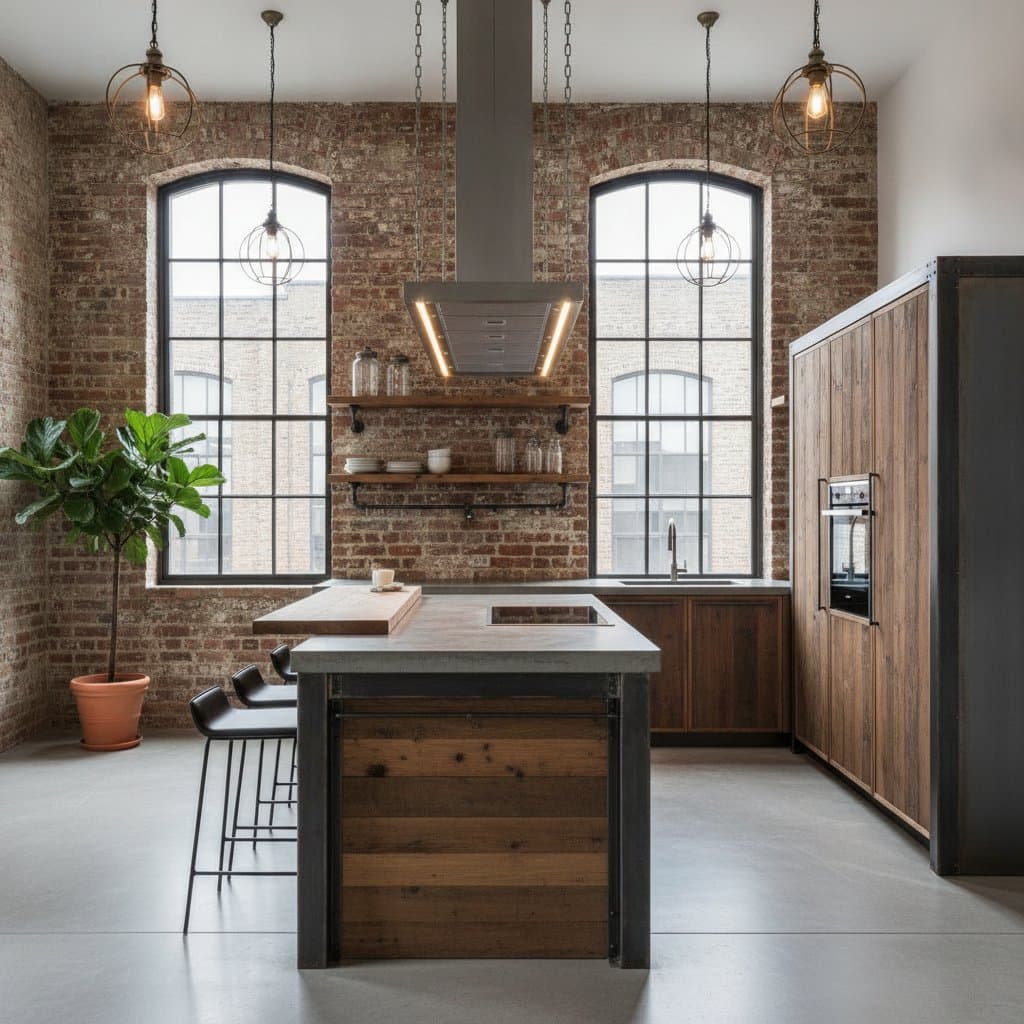
Incorporate natural textures through elements like woven bar stools, brass accents, and exposed wood shelving to ground the design.
Investment Return Analysis
Well-executed dark cabinets elevate perceived home value by up to 11 percent within a unified kitchen renovation. This benefit materializes when cabinets harmonize with layout, hardware, and lighting elements.
Dark kitchens capture compelling photographs for real estate listings, drawing more viewings and competitive bids. Refreshing cabinets yields quicker returns compared to comprehensive remodels, particularly through painting rather than total replacement.
Maintenance Practices for Lasting Appearance
Address spills immediately to prevent streaking on surfaces. Employ microfiber cloths instead of abrasive sponges for cleaning. Perform monthly washes with mild soap and water solutions.
Steer clear of harsh chemicals that compromise the finish. Regularly polish hardware to avert tarnishing and preserve metallic luster.
Consistent care sustains the cabinets' rich appearance and prolongs finish longevity.
Professional Recommendations
Paint doors on a flat surface to eliminate drips and ensure uniform coverage. Label doors and hinges by their original positions before disassembly. Upgrade to soft-close hinges if existing ones creak or fail to support weight properly.
Extend the dark theme subtly into adjacent living areas through elements like picture frames or bar furniture for seamless flow.
Frequently Asked Questions
Do dark cabinets reduce the perceived size of a kitchen?
They may if lighting remains inadequate. Counter this with light-colored counters and robust illumination to preserve openness.
Are dark cabinets more challenging to maintain?
These surfaces conceal stains effectively but reveal dust and fingerprints prominently. A satin finish mitigates visible marks.
Is sanding necessary before painting over existing cabinets?
Yes, light sanding enhances primer adhesion and prevents future peeling, even with bonding products.
What wall colors complement dark cabinets?
Light neutrals such as cream, soft gray, or warm white provide essential contrast and openness.
Which hardware finishes pair effectively with dark cabinets?
Brushed brass, matte black, or polished nickel each evoke distinct atmospheres. Select based on lighting and countertop hues.
Implement Your Kitchen Upgrade
Dark cabinets deliver dramatic impact and substantial value when approached methodically. Assess the current cabinet condition to decide between painting for efficiency or replacement for durability.
Invest time in shade selection; a sophisticated espresso or profound navy elevates the kitchen into a memorable focal point for prospective buyers.