Dark Academia Rooms: Boost Home Value by 11% in 2025
Achieve an 11% value increase through balanced lighting, premium finishes, and unified styling.
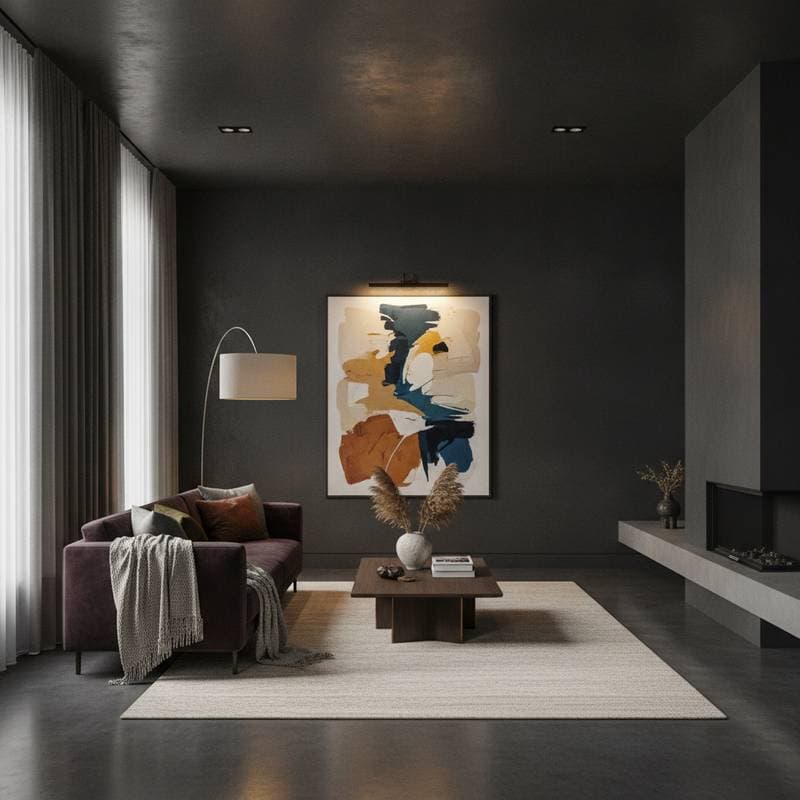
Dark academia rooms enhance property desirability and resale value by approximately 11 percent, particularly in markets favoring introspective, layered interiors. These spaces appeal to buyers who appreciate thoughtful design that supports home offices, libraries, or creative studios. The aesthetic conveys refinement and versatility, setting homes apart in competitive listings.
Key Cost Considerations
Costs for creating a dark academia room vary based on material quality, surface preparation, lighting installations, and furnishing selections. Consider these primary expense categories:
- Paint and Wall Treatments: High-pigment deep colors require premium formulations, with matte finishes costing $60 to $90 per gallon. Options like Venetian plaster or limewash range from $8 to $14 per square foot for application and materials.
- Lighting Systems: Effective layering involves sconces, table lamps, and warm LED fixtures, totaling $700 to $2,000 depending on fixture complexity and installation.
- Furniture and Accessories: Sourcing vintage or antique pieces maintains budgets near $1,000, whereas bespoke shelving or curated collections may exceed $5,000.
- Labor Expenses: Professional painters charge $2 to $4 per square foot, with rates increasing for detailed trim work or textured applications.
- Permits and Electrical Modifications: Basic fixture replacements often avoid permits, but new wiring or circuits necessitate local inspections.
- Contingency Fund: Allocate an additional 10 to 15 percent to cover unforeseen issues such as ceiling repairs, outlet enhancements, or finish adjustments.
Budgeting accurately ensures the project aligns with financial goals while maximizing return on investment.
DIY Approaches Versus Professional Services
Suitable DIY Tasks
Homeowners with moderate skills can handle painting, simple lighting exchanges, and furniture arrangements. Peel-and-stick wainscoting or removable wallpaper offers accessible ways to introduce texture without permanent changes. Sourcing and positioning decor elements also falls into this category.
Required Skills: Patience and precision are essential, especially for achieving streak-free results on dark walls.
Essential Tools: Include high-quality rollers, painter's tape, a stud finder, voltage tester, and a sturdy ladder.
Tasks Requiring Professional Expertise
Engage specialists for electrical rewiring, new circuit installations, plaster applications, paneling, or custom built-ins. Extensive wall preparation or ceiling painting also benefits from professional handling.
Potential Risks: Inadequate preparation results in uneven surfaces that amplify imperfections. Improper electrical work risks shorts, fires, or failed inspections.
Recommendation: Consult a licensed electrician for any modifications beyond plug-in lamps to ensure safety and compliance.
Essential Safety and Regulatory Guidelines
- Pre-Painting Inspections: Test older trim for lead using kits or certified professionals to prevent health hazards.
- Electrical Precautions: Deactivate circuits at the breaker panel prior to fixture alterations.
- Equipment Stability: Select ladders rated for your weight plus tools to avoid accidents.
- Ventilation Practices: Open windows during painting and drying periods to manage fumes.
- Permit Requirements: Obtain approvals for electrical alterations or structural elements like paneling; verify with local authorities before wall modifications.
Adhering to these protocols prevents disruptions and transforms a routine update into a seamless enhancement.
Elements That Maximize Value
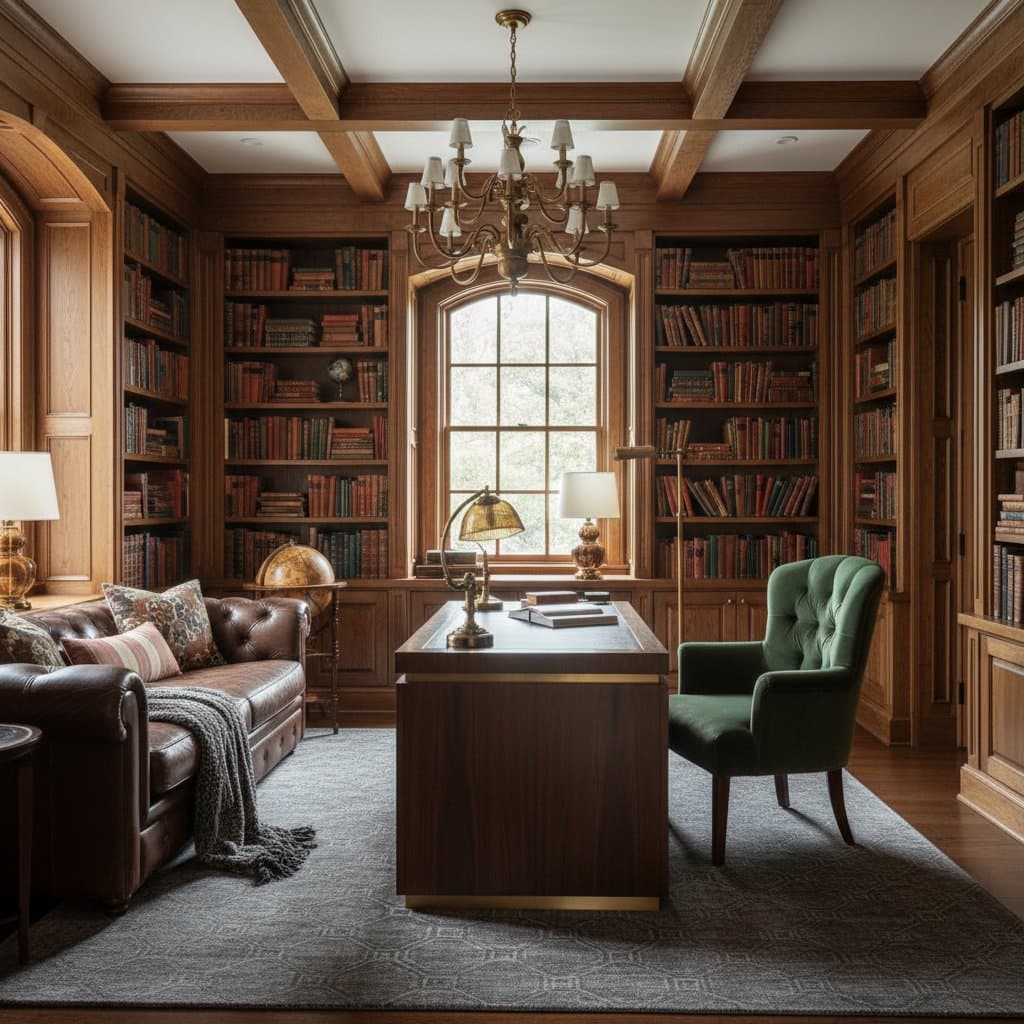
- Architectural Enhancements: Incorporate molding, paneling, or exposed ceiling beams to create an integrated, timeless appearance.
- Multi-Layered Lighting: Combine overhead, task, and ambient sources to define ambiance and improve listing photography.
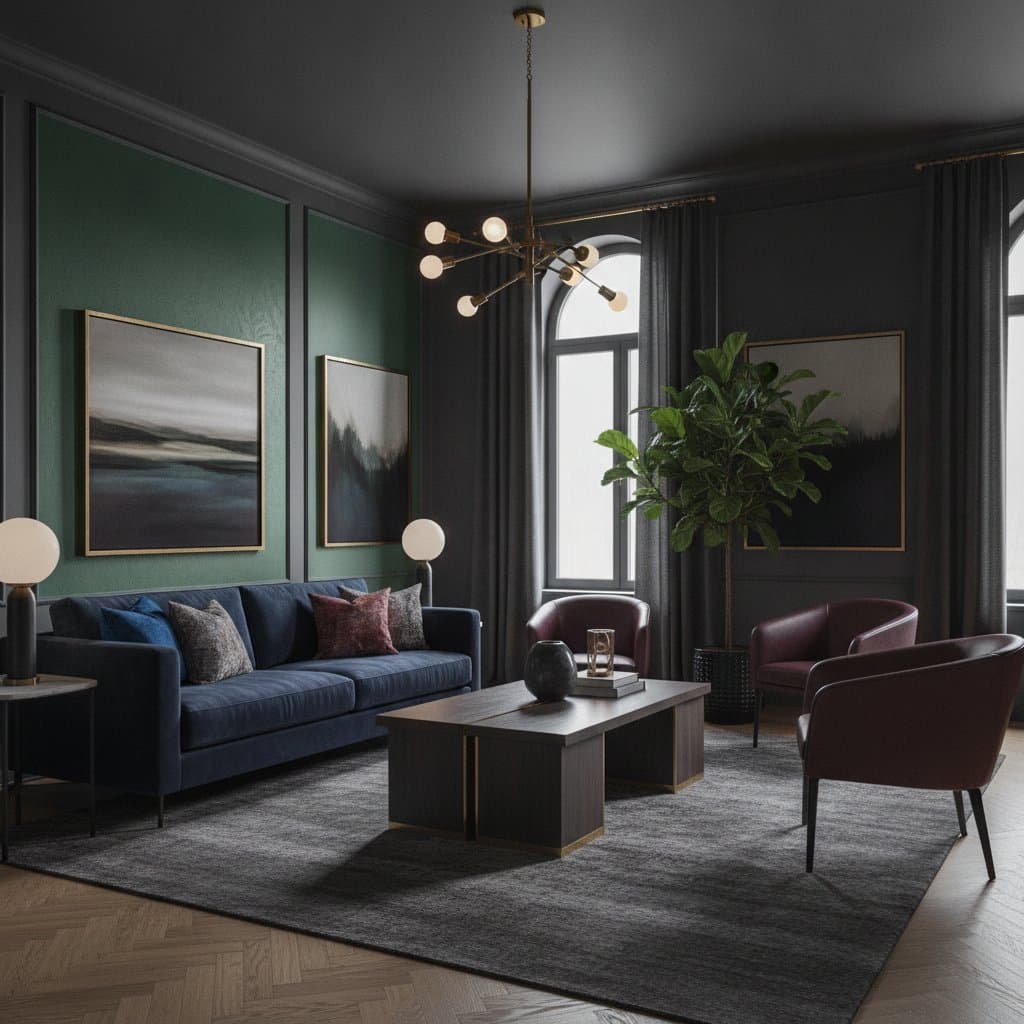
- Strategic Color Application: Pair deep wall tones with lighter trim or ceilings for visual balance and spaciousness.
- Practical Utility: Design the room to serve as a serene study or library, appealing to remote professionals and learners.
- Superior Finish Execution: Uniform paint application and precise fixture alignment distinguish expert work from superficial efforts.
Prioritize molding and lighting upgrades for the greatest impact, as they reduce future maintenance needs and enhance overall cohesion.
Market Insights for Success
Prospective buyers seek homes featuring at least one intentional, atmospheric room that elevates the property's character. Dark academia aligns with this preference through natural materials and thoughtful illumination. In high-demand areas, such a feature positions the home as bespoke, prompting appraisers to recognize upgraded elements that support elevated pricing and quicker sales.
However, excessive darkness in compact or low-ceiling spaces may deter viewers. Counter this with light-toned flooring, subtle metallic highlights, or artwork featuring neutral backgrounds. Real estate professionals observe that harmonized moody interiors outperform monotonous, heavy-handed designs in market performance.
Steps to Implement Your Design
Select a naturally serene area, like a study or spare bedroom, as your starting point. Establish a comprehensive budget, reserving 15 percent for unexpected costs prior to procurement. Collect swatches of paint, textiles, and flooring to evaluate under both daylight and artificial conditions.
Follow this sequence for optimal results:
- Empty the space and shield floors with protective coverings.
- Examine walls for damage or dampness; address issues before proceeding.
- Prime surfaces, followed by two or more coats of selected dark paint.
- Integrate lighting components after confirming power is disconnected.
- Affix molding or shelving post-paint drying.
- Arrange bookshelves, artwork, and layered fabrics to complete the vision.
This approach converts ordinary rooms into enduring assets, providing daily enjoyment and substantial equity growth upon resale.