Dark Academia: The 2025 Trend Elevating Home Resale Values
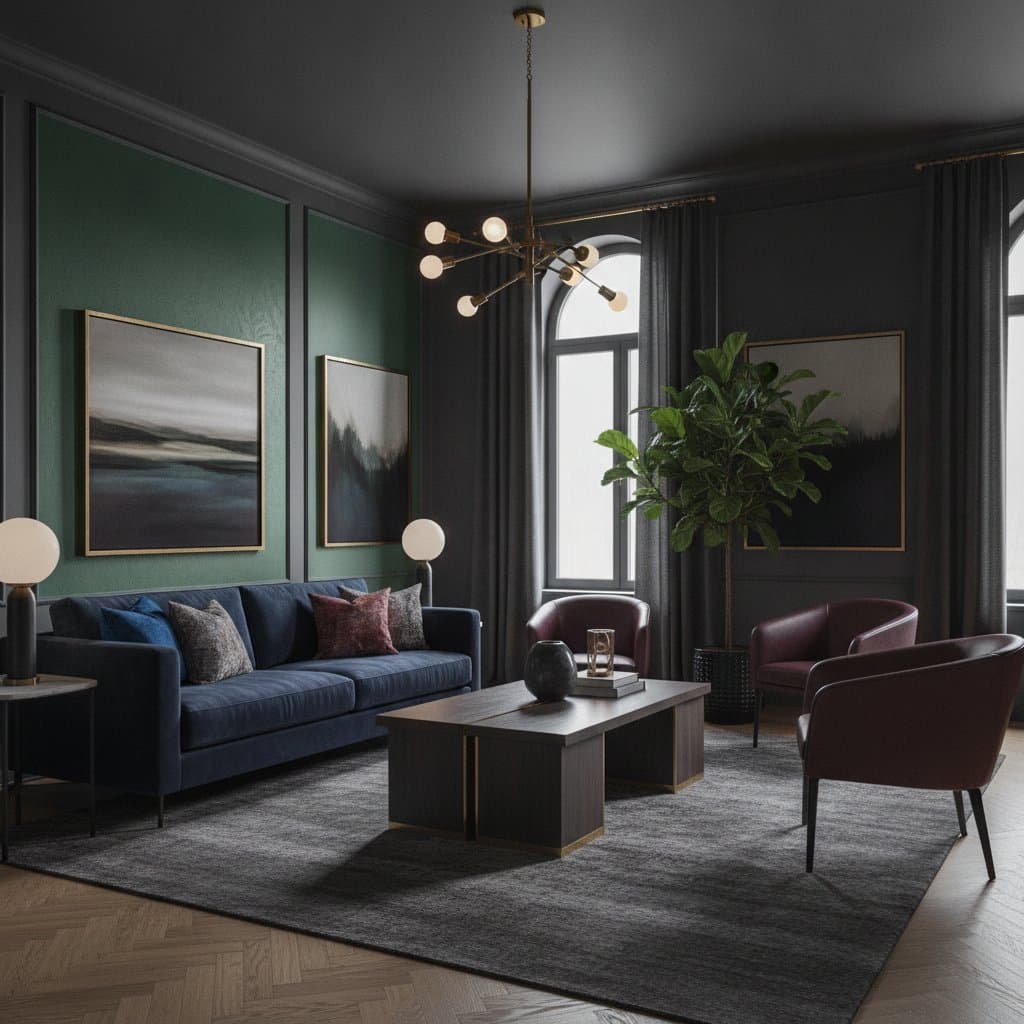
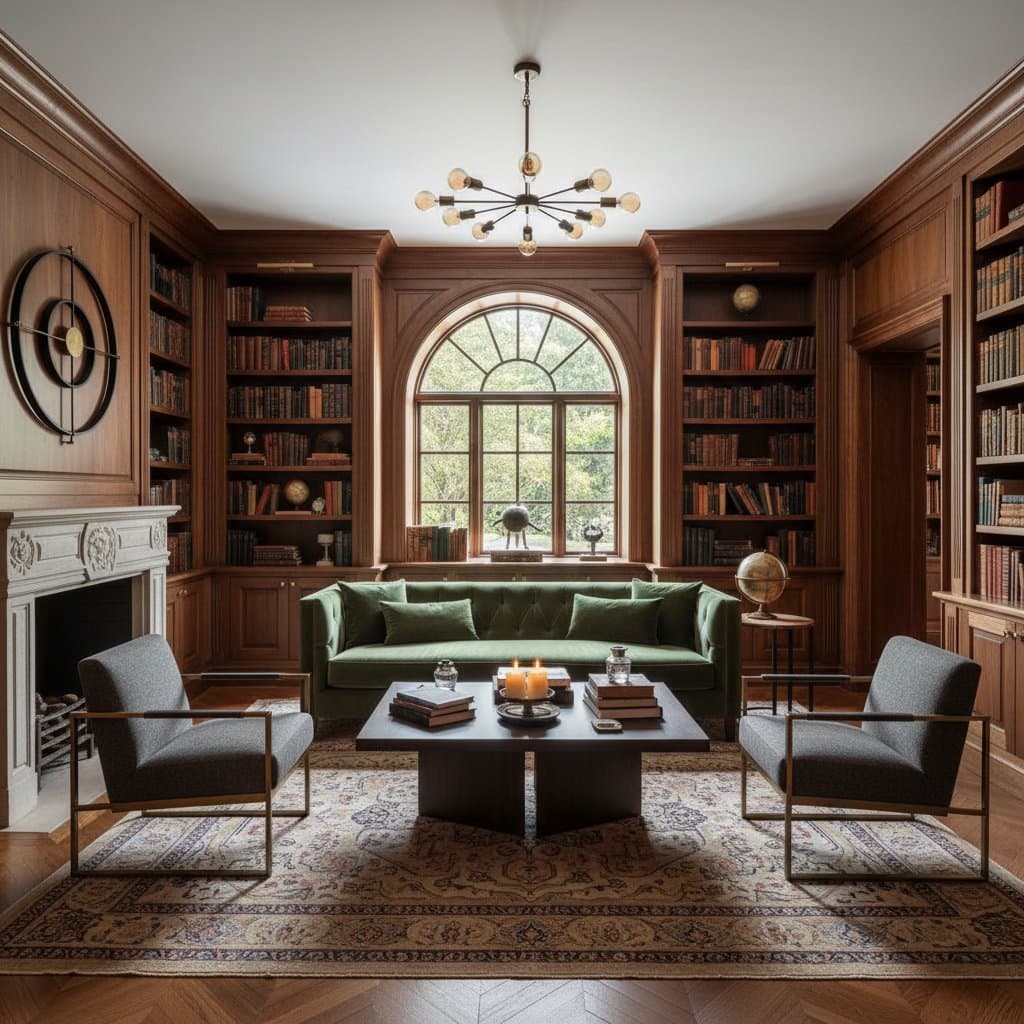
Dark academia design captures the essence of scholarly elegance with its rich palettes, antique-inspired furnishings, and subtle scholarly motifs. This style draws from Gothic universities and literary havens, creating spaces that feel both intimate and intellectually stimulating. Homeowners who incorporate these elements thoughtfully often see a measurable boost in market appeal.
Key Insight: A well-executed dark academia renovation yields a 5 to 12 percent increase in resale value, particularly when lighting and balance prevent the space from feeling oppressive.
Breaking Down the Costs
Investing in dark academia requires careful budgeting across several areas. Each component contributes to the overall atmosphere while influencing the total expense.
Paint and Wall Treatments
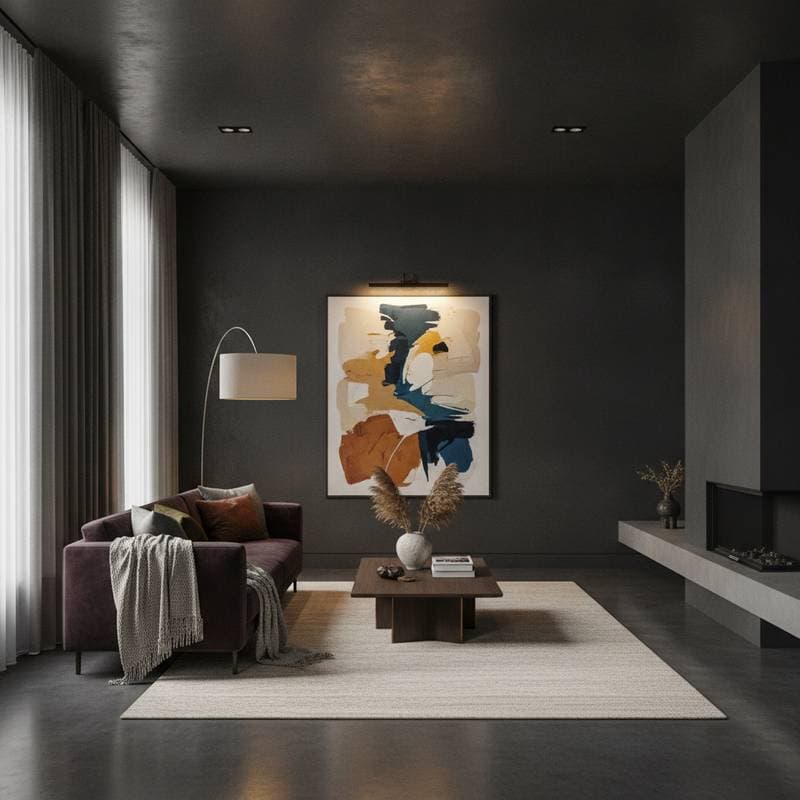
Rich, saturated colors such as deep charcoal, warm espresso, or bold oxblood form the foundation of this aesthetic. Premium paints with high pigment density cost between $45 and $75 per gallon, ensuring even coverage and depth.
For added visual interest, consider textured applications like limewash or plaster finishes. These options increase material expenses by 20 percent but provide a tactile quality that enhances perceived luxury and draws buyer attention during viewings.
Lighting Solutions
Layered illumination is essential to counteract the moodiness of dark tones. Budget $250 to $1,200 for installations that include dimmable fixtures and bulbs emitting warm, 2700K light.
Vintage-style lamps or sconces often require professional rewiring to meet modern safety standards, adding $100 to $300 per item. This step not only ensures compliance but also preserves the historical charm that defines the style.
Furniture and Decorative Elements
Blend thrifted finds with contemporary pieces to achieve an authentic look without excessive spending. A curated selection for a single room typically totals $2,000 to $6,000.
Opt for solid wood items like leather-bound armchairs or brass-accented desks. If authenticity drives the project, incorporate genuine antiques or commission custom bookshelves, which may elevate costs above $10,000 for larger spaces.
Flooring and Rugs
Dark-stained hardwood floors or refinished originals provide a durable base, priced at $4 to $9 per square foot. This investment grounds the design and conceals everyday scuffs effectively.
Layer with area rugs inspired by Persian patterns, starting at $300 each. These textiles add warmth and pattern, while their density helps muffle sound in open layouts.
Labor and Final Touches
Dark paints demand multiple coats for uniformity, so professional application runs $2 to $4 per square foot. Electricians and carpenters contribute additional fees of $500 to $1,500 for integrating sconces or constructing built-in cabinetry.
In older properties, allocate an extra 10 to 15 percent of the budget for unforeseen issues like irregular surfaces or obsolete electrical systems. These adjustments ensure a flawless finish that supports higher valuations.
DIY Approaches Versus Professional Assistance
Homeowners with basic skills can tackle portions of a dark academia project independently, saving on labor while personalizing the outcome.
Pursue DIY For:
- Repainting walls or refinishing furniture, where precision in color application builds confidence.
- Swapping out plug-in lamps, provided no hardwiring occurs.
- Textural experiments, such as distressing wood or layering fabrics, which reward hands-on effort.
Patience proves vital for tasks like sanding floors or staining accents, as rushed work diminishes the sophisticated vibe.
Engage Professionals For:
- Any electrical modifications, including sconce installations or circuit updates, to avoid hazards.
- Intricate woodwork, such as paneled walls or integrated shelving, which requires specialized tools.
High-ceilinged rooms or those with imperfect plaster benefit from expert intervention to achieve seamless results.
Overall Risk: Moderate, as dark hues amplify imperfections like brush strokes or uneven prep. For resale-focused projects, professional oversight on finishing details minimizes setbacks and maximizes appeal.
Essential Tools: A sturdy ladder, fine-angled brushes, a respirator for fumes, a stud finder for secure mounting, and premium rollers. Always disconnect power sources prior to handling any lighting components.
Upkeep and Longevity Considerations
Dark academia interiors maintain their allure through consistent, low-effort care routines. This approach preserves the patina and depth that attract discerning buyers.
Weekly dusting with soft microfiber cloths prevents buildup that could mute finishes. Apply oil to wooden elements biannually to nourish surfaces and retain their luster.
Plan to reseal floors or refresh paint every seven to ten years, depending on wear. Such intervals keep the space vibrant without frequent disruptions.
LED lighting options endure for over 10,000 hours, keeping maintenance costs minimal. Verify that any rewired vintage pieces include a one-year warranty on craftsmanship from the service provider.
Textured finishes like limewash may require annual spot treatments, especially in humid climates where settling occurs.
Insights from the Housing Market
Prospective buyers gravitate toward dark academia when the design enhances livability rather than overwhelming it. Spaces that integrate ample natural light or reflective surfaces avoid a claustrophobic feel, broadening appeal.
Real estate professionals note heightened engagement for properties featuring at least one themed room, such as a dedicated study or formal dining area. Whole-home applications succeed in period homes or those with abundant windows, where the style complements existing architecture.
The return on investment hinges on moderation. Targeting a focal room with dark academia elements can raise the home's perceived worth by 5 to 12 percent. Online photos benefit from the style's dimensional qualities, outperforming stark, neutral backdrops in capturing interest.
Practical Steps to Implement Dark Academia
Begin implementation with deliberate choices to align the design with your home's strengths.
-
Sample and Assess: Apply test patches of your chosen color on a prominent wall. Observe how natural and artificial light alters the tone over a full week.
-
Optimize Illumination: Transition to warm-toned bulbs across all fixtures prior to painting. This simple shift reveals how light interacts with darker schemes.
-
Structure Your Budget: Prioritize foundational updates like walls and flooring, then incorporate furnishings incrementally to control spending.
-
Review Regulations: Confirm that electrical or structural alterations comply with local codes, potentially requiring permits and inspections.
-
Record Details: Document all materials, including paint swatches and vendor receipts, for easy reference during future sales.
Dark academia thrives on intentional curation, fostering an atmosphere of refined tranquility. Initiate the transformation in a single space, harmonize light with material depth, and allow the inherent sophistication to enhance market positioning.