Dark Academia Boosts Home Values 11%
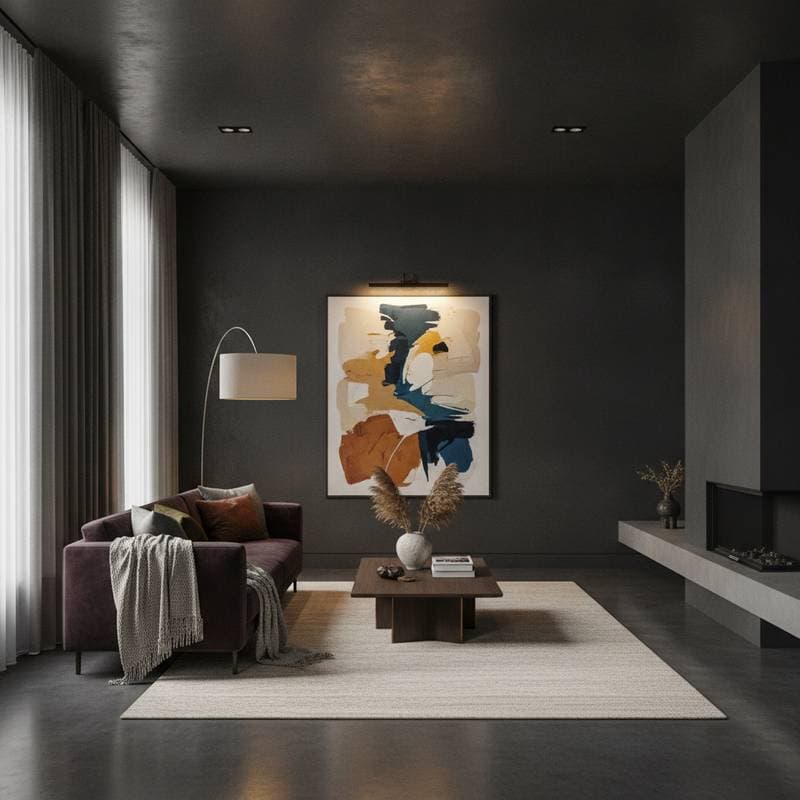
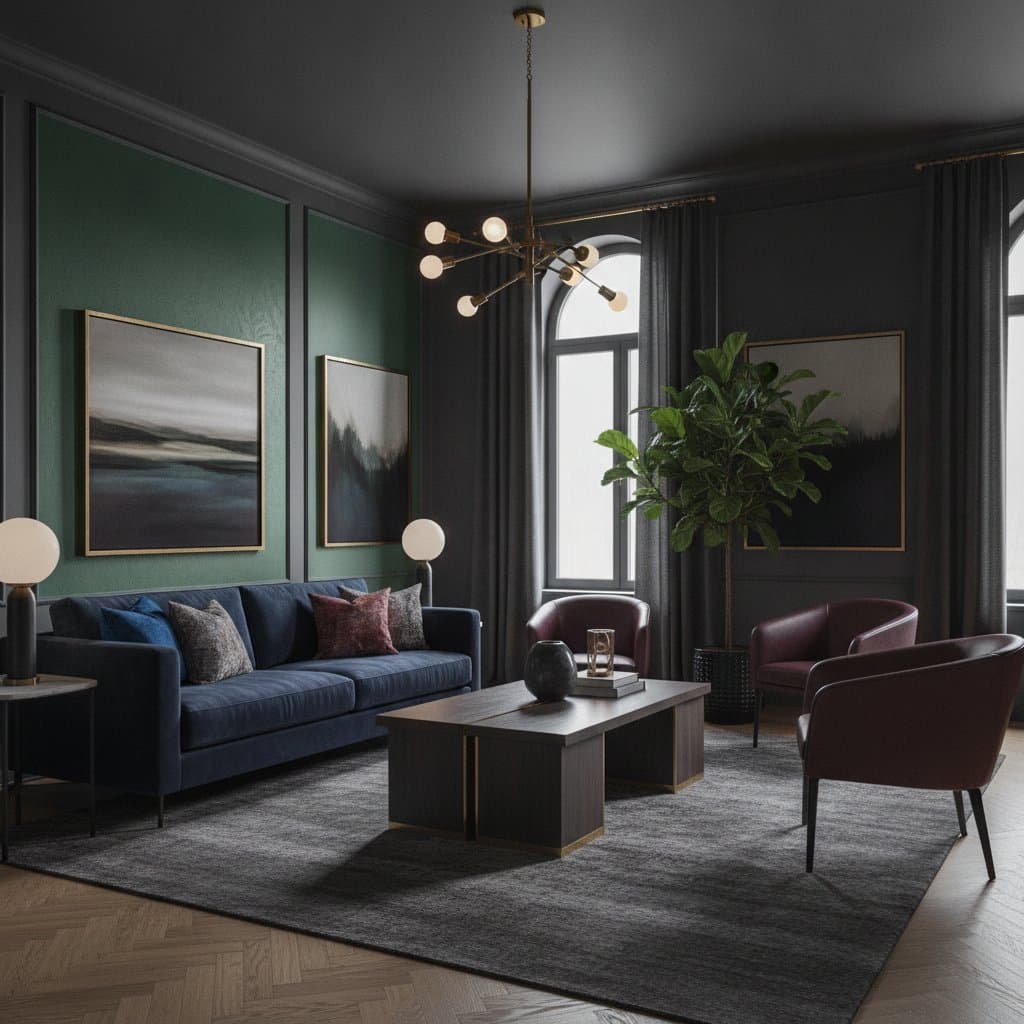
Dark academia design features moody tones, vintage materials, and intellectual charm. This aesthetic has transitioned from academic settings to contemporary residences. Homeowners adopt it to introduce depth, texture, and enhanced resale potential. Market analysis indicates that properties featuring dark academia interiors achieve resale prices approximately 11 percent above comparable listings.
The style appeals to purchasers seeking sophistication and ambiance rather than stark minimalism. It complements established architecture in historic properties, urban apartments, and modern constructions requiring distinctive character.
Pros and Cons
Pros:
- Enhances resale value through a unique, premium appearance
- Integrates seamlessly with traditional or aged structures
- Conceals surface flaws more effectively than light, sparse designs
- Provides a sense of warmth, stability, and enduring appeal
- Facilitates effective staging for professional photography and open houses
Cons:
- May diminish perceived space in compact areas without adequate illumination
- Demands frequent cleaning for dark surfaces and intricate details
- Involves higher costs for genuine antiques or superior replicas
- Risks alienating preferences for bright, open environments
- Necessitates precise hue selection to prevent an oppressive atmosphere
DIY Versus Professional Implementation
Homeowners can execute elements of dark academia independently, though comprehensive transformations benefit from expert guidance.
DIY Difficulty: Moderate to advanced
Duration: Two to six weeks for a complete room overhaul
Essential Tools: Painting supplies, spirit level, power drill, stud detector, and fundamental woodworking kit
Potential Challenges: Inconsistent surface applications, suboptimal light positioning, and clashing color schemes
Engage an interior designer or specialist for bespoke cabinetry, wainscoting, or period piece procurement. Professionals maintain harmony in color schemes and material selections. Individuals frequently manage tasks such as wall painting, artwork arrangement, and basic furniture refinishing.
Upkeep and Durability
Dark elements require consistent attention to preserve their allure.
Monthly Tasks:
- Remove dust from ledges, picture frames, and trim
- Clean leather or velvet upholstery using appropriate solutions
- Inspect and replace bulbs to sustain warm illumination
Seasonal Maintenance:
- Apply oil to wooden furnishings or paneling
- Rearrange artwork and fabrics to minimize light exposure
- Address paint scuffs with targeted touch-ups
Proper care extends the life of painted and paneled surfaces to 10 through 15 years prior to significant renewal. Fabrics and floor coverings endure five to eight years with standard household activity.
Regional Considerations
Local environmental conditions and service expenses shape project viability.
Humid Environments:
Opt for humidity-resistant coatings and protected timber to avert distortion or mildew growth.
Colder Regions:
Deep color schemes enhance coziness and visual solace.
Seaside Locations:
Select hardware and treatments resistant to saline corrosion.
Metropolitan Areas:
Preferences for individualized interiors elevate property premiums.
Outlying or Countryside Settings:
Favor adaptable schemes convertible to brighter tones for broader market appeal.
Hourly rates for design and installation fluctuate geographically. Coastal regions command 85 to 140 dollars per hour, while central markets range from 55 to 100 dollars.
Verify municipal regulations before installing fixed shelving or electrical enhancements. Obtain permits for any modifications involving power or framework alterations.
Safety Guidelines
Aesthetic modifications in dark academia primarily focus on visuals, yet essential precautions apply.
- Disconnect electricity prior to installing or altering light fixtures
- Secure substantial shelving units to wall studs
- Apply flame-retardant coatings in legacy buildings
- Ensure adequate airflow in areas with open flames or hearths
- Adhere to jurisdiction-specific permitting for electrical or load-bearing adjustments
Retain certified electricians for all conduit or embedded lighting projects.
Design Standards and Evidence
Incorporate low-volatile organic compound paints endorsed by GREENGUARD or equivalent certifications to safeguard air purity indoors.
Illumination fixtures must comply with Energy Star or Underwriters Laboratories standards for optimal performance and security.
For integrated storage solutions, utilize hardware and supports aligned with regional construction codes regarding weight tolerance.
Choosing verified or authenticated materials promotes longevity and reliable appreciation in property worth.
Broader Market Insights
The surge in dark academia reflects a departure from uniform white schemes toward expressive, tactile experiences. Prospective owners prioritize individuality, substance, and evocative quality. Elements like shadowed walls, substantial curtains, and heirloom furnishings convey lasting excellence.
Industry experts attribute this trend to extended domestic routines involving learning, leisure, and productivity. The design fosters concentration and serenity. Additionally, it excels in digital imagery, distinguishing listings in virtual tours.
Statistics on upgrades reveal that thematic investments emphasizing narrative, such as dark academia or revived art deco, surpass generic preparations by multiple percentage points in returns.
Strategies for Effective Execution
Layer illumination sources to counteract shadows and sustain accessibility.
Establish rhythm with a primary wood type, such as walnut, mahogany, or oak.
Restrain ornamentation to select, intentional items over excess.
Combine heritage pieces with contemporary accents, like classic writing tables alongside sleek seating or fixtures.
Evaluate paint shades by applying broad swatches and reviewing them in varying natural and artificial light.
Experts recommend initiating with a compact zone, such as a study alcove, then propagating the motif across additional areas.
Implementing the Transformation
Dark academia elevates property worth alongside enriching ambiance. Commence in one area, monitoring expenses and impacts on routine functionality. Focus on illumination balance, tonal consistency, and tactile variety.
Capture transformation images for future marketing materials. Visuals demonstrating artistry and comfort resonate with acquirers.
Solicit estimates from three credentialed professionals. Inquire about procurement methods, illumination strategies, and pigment resilience. Verify compliance of selections with regulatory and protective benchmarks.
This method manages finances effectively while delivering versatile, salable outcomes.
Frequently Asked Questions
What budget should one allocate for a room redesign in dark academia?
Anticipate 4,000 to 8,000 dollars encompassing coatings, fixtures, and furnishings. Expansive spaces incorporating tailored storage may exceed 12,000 dollars.
Is dark academia suitable for compact residences?
Affirmative, provided lighter borders, reflective surfaces, and ambient glows maintain equilibrium. Refrain from encasing confined walls entirely in ebony.
Might this aesthetic impede sales to light-interior enthusiasts?
Typically not. Strategic glow and impartial bases permit straightforward reversal or reconfiguration. Viewers often perceive it as upscale and modifiable.
Which aspects lend themselves to independent execution?
Wall applications and display arrangements prove straightforward. Illumination layouts or intricate paneling generally require specialist intervention.
How does one sustain the aesthetic over extended periods?
Conduct weekly dusting, periodic wood conditioning, and triennial paint renewals. Shift decorative elements to avert discoloration.
Dark academia imparts singular character and competitive edge to residences. Through deliberate contrast, materiality, and luminance, it yields aesthetic fulfillment alongside tangible equity gains.
Initiate in a solitary domain, experiment with schemes, and observe the influence of intensified, opulent surroundings on well-being and commercial viability.