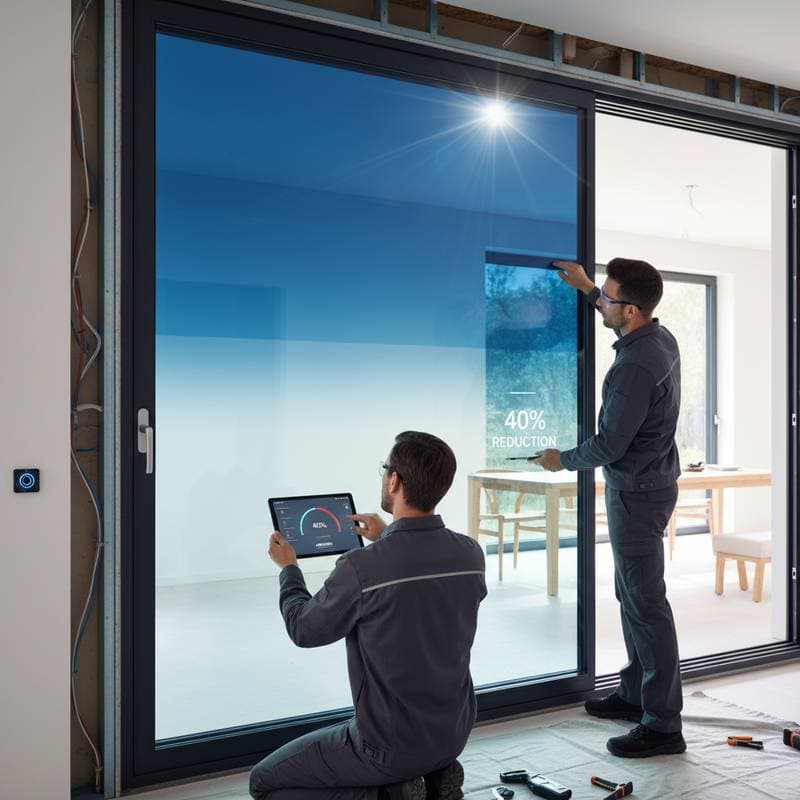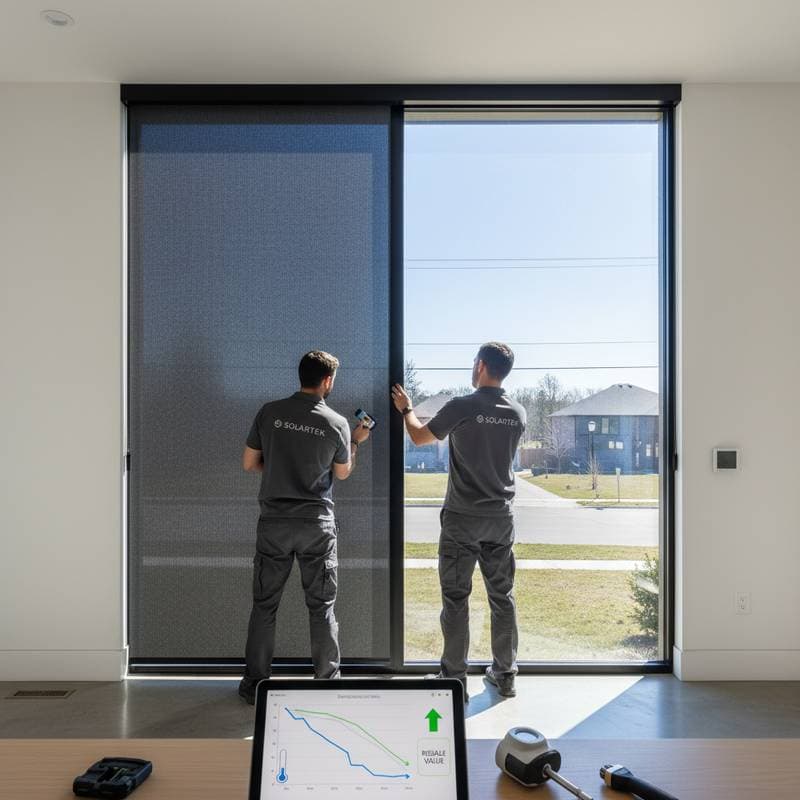

Estimated Time: One to two hours per window
Essential Tools: Level, caulk gun, pry bar, shims, insulation material, flashing tape
Potential Risks: Development of leaks or drafts; invalidation of warranty due to improper execution
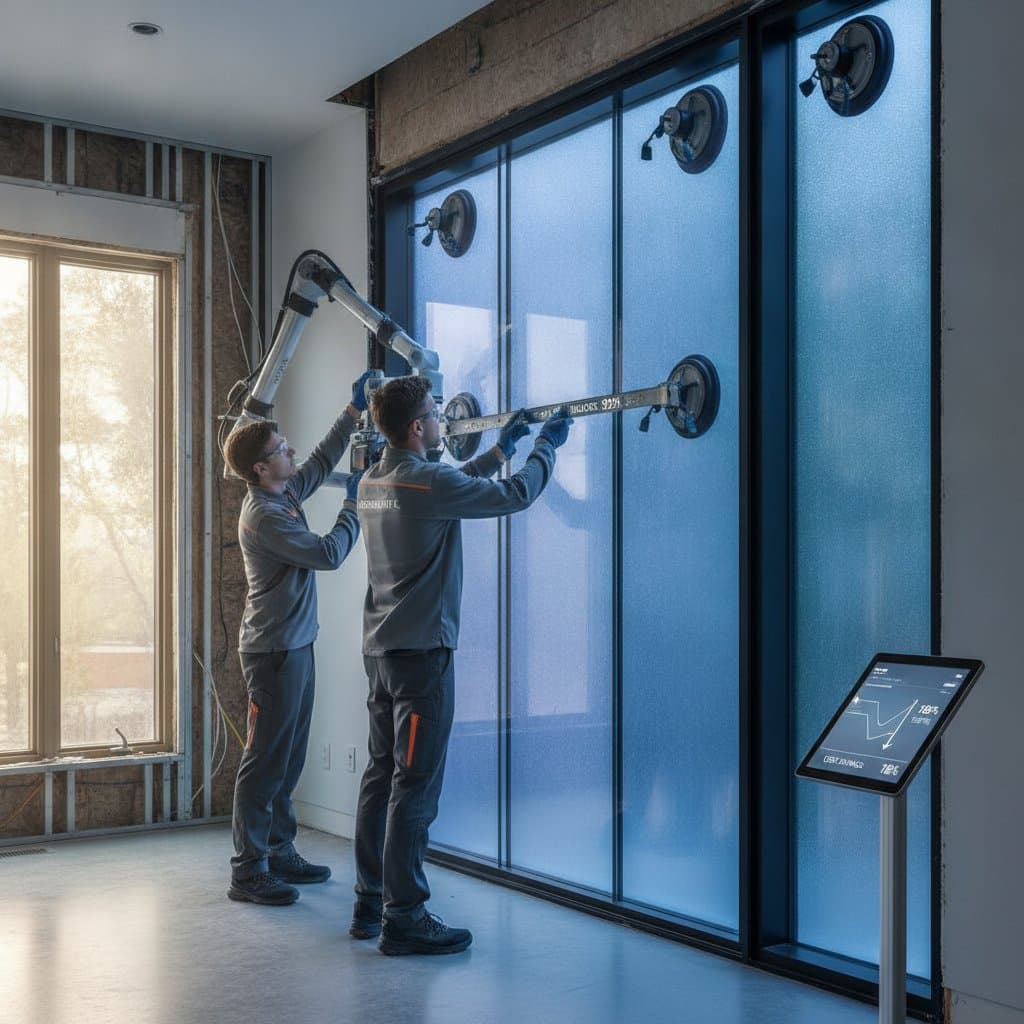
Professionals prove essential for projects involving multiple windows, work above ground level, or modifications to structural frames. Certified installers guarantee compliance with energy performance standards and preserve warranty validity.
Upkeep and Durability
UV-blocking windows require little ongoing maintenance. Clean the glass surfaces twice annually using mild soap and water. Steer clear of ammonia-based products, which may harm protective coatings.
Examine seals and caulking every two to three years. Address any cracks or gaps promptly to avoid moisture penetration. Properly installed units endure for 20 to 30 years. Low-emissivity coatings often include warranties spanning 10 to 20 years against degradation.
Position blinds or curtains to allow openness where feasible. Promote natural ventilation to mitigate condensation between panes.
Regional Considerations
Local climate and regulatory requirements influence window selection.
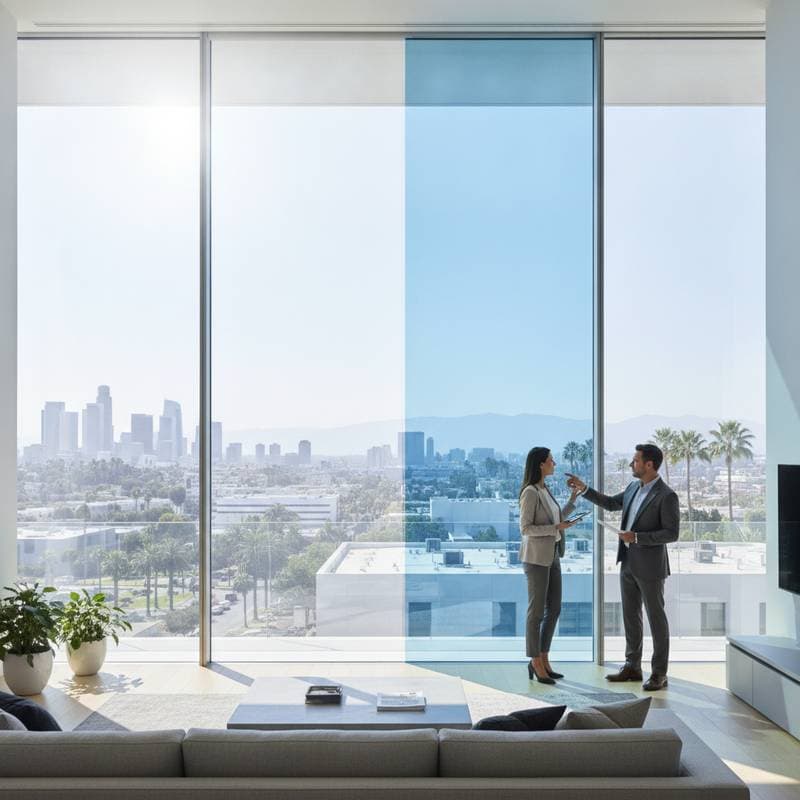
- In hot, sunny areas: Opt for spectrally selective or dark-tinted low-emissivity glass to manage glare and heat influx.
- In colder regions: Choose low-emissivity coatings that retain indoor heat.
- In coastal locations: Select laminated glass for wind resistance and adherence to impact standards.
- In urban settings: Consider noise-dampening laminated or triple-pane designs for acoustic control.
- In high-elevation zones: Use pressure-equalized spacers to avoid glass warping.
Installation labor rates fluctuate significantly. Urban centers in major metropolitan areas often impose 15 to 25 percent higher fees per window than rural locales. Regional incentives for energy-efficient glazing can alleviate initial outlays.
Consult local building authorities to verify compliance. Certain energy codes mandate windows certified under ENERGY STAR or NFRC programs. These certifications validate performance metrics such as U-factor and solar heat gain coefficient through independent testing.
Return on Investment and Property Value
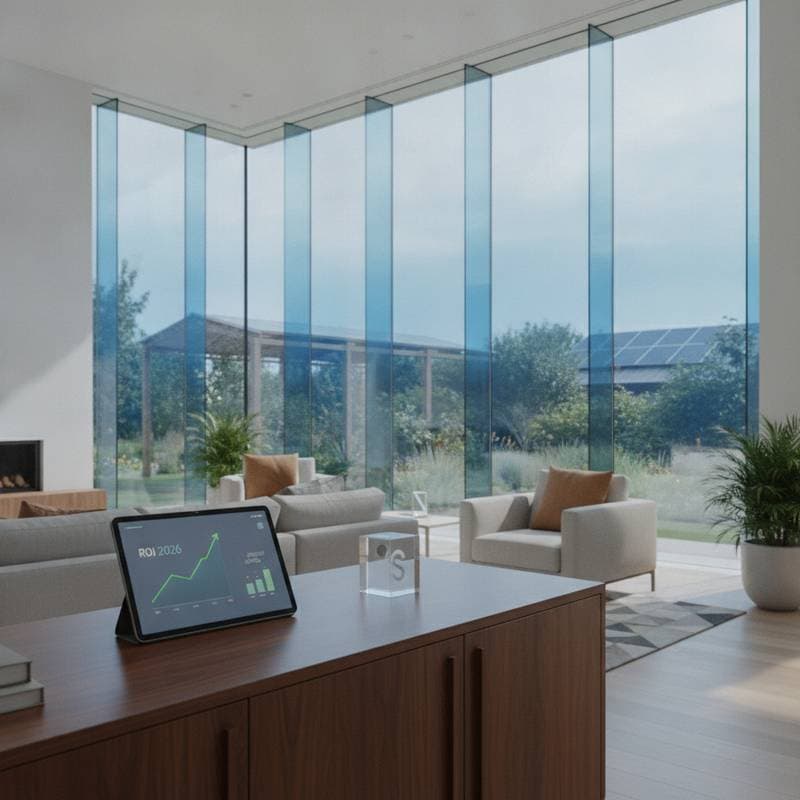
Upgrading to UV-blocking windows from outdated models recoups 55 to 70 percent of costs upon resale. Prospective buyers value properties with diminished energy demands and superior comfort levels.
Savings vary by regional climate and the number of windows replaced. Residences in warmer areas typically achieve cost recovery more rapidly. Additional benefits accrue from extended HVAC longevity and reduced need for interior redecorating.
Safety Protocols
Window replacement projects present risks related to structure, electricity, and glass handling.
- Wear gloves and protective eyewear during old glass removal.
- Refrain from cutting or drilling in proximity to electrical lines.
- Transport insulated glass units with care to safeguard seals.
- Ensure tempered glass installation near doors, bathtubs, or low-level floors.
- Adhere to manufacturer guidelines for fasteners and flashing to maintain structural soundness.
Obtain necessary permits for complete frame replacements or alterations affecting building integrity. Confirm all local stipulations prior to commencement.
Frequently Asked Questions
How much savings do UV-blocking windows provide on energy bills?
Homeowners typically experience 20 to 40 percent reductions in cooling expenses. Factors such as local weather, window placement, and system efficiency determine precise outcomes.
Is it possible to add UV protection to existing windows without full replacement?
Affirmative. Apply window films for moderate UV and heat blocking. These solutions prove more affordable yet lack the insulation and sealing benefits of complete units.
Do UV-blocking windows darken interior spaces?
Not inherently. Contemporary coatings target heat and UV rays while permitting ample visible light transmission. Spectrally selective glass maintains optimal clarity.
What distinguishes low-emissivity from UV-blocking glass?
Low-emissivity glass repels infrared heat. UV-blocking glass targets ultraviolet radiation. Numerous products integrate both attributes for comprehensive safeguarding.
Do these windows benefit cold-weather homes?
Yes, with appropriate selection. Low-emissivity coatings reflect interior warmth inward, thereby lowering heating expenditures.
Steps to Implement Your Upgrade
Transitioning to UV-blocking windows represents a strategic move for energy conservation and enhanced livability. Initial investments yield returns via bill reductions and preserved interior aesthetics. Begin by evaluating options certified by ENERGY STAR or NFRC. Solicit quotes from at least three licensed installers, verifying coverage details, coating specifications, and applicable incentives. Thoughtful preparation secures enduring efficiency and financial advantages.