Aligning Materials with Climate Zones for 15 Percent ROI Gains by 2026
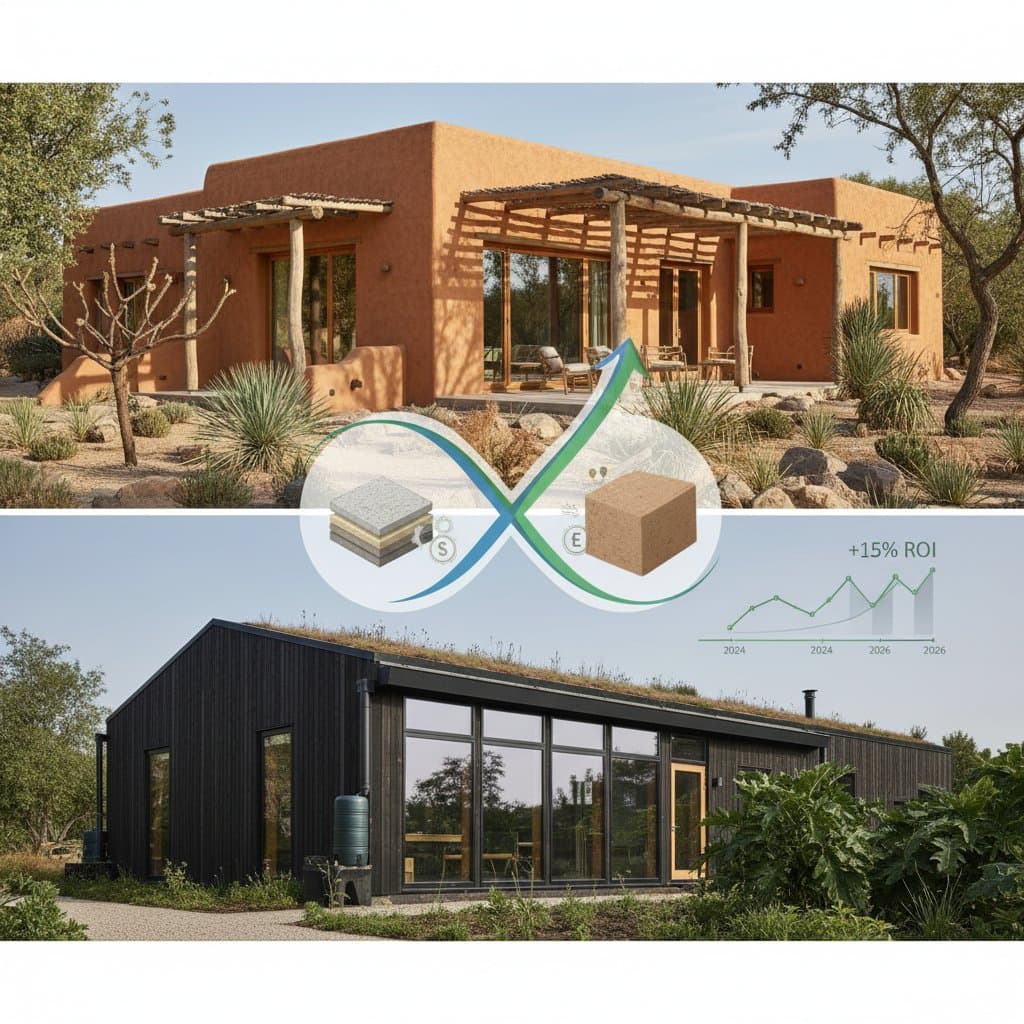
Selecting materials that suit local climate conditions represents a strategic decision for builders and homeowners. Such choices optimize performance while minimizing expenses related to upkeep and logistics. Projections indicate that these practices could yield up to 15 percent improvements in return on investment by 2026, driven by advancements in sustainable sourcing and design integration.
Climate zones vary widely, from arid deserts to humid tropics, each demanding materials that withstand unique environmental stresses. For instance, in coastal regions prone to salt exposure, corrosion-resistant options prevent premature degradation. This foundational alignment sets the stage for cost-effective projects that endure.
Key Cost Factors in Material Selection
Understanding the elements that influence expenses ensures informed budgeting. Several interconnected factors determine the overall financial impact of material choices.
-
Sourcing Proximity
Materials procured locally cut transportation costs by 10 to 20 percent and minimize project delays. For example, using regionally quarried stone avoids the premiums associated with long-distance shipping, which can inflate budgets unexpectedly. Specialized imports, while offering unique aesthetics, introduce higher fees and extended lead times that disrupt schedules. -
Adaptation to Local Conditions
Materials designed for specific climates require less frequent interventions. Those that accommodate temperature fluctuations or high humidity endure without extensive repairs, potentially halving maintenance outlays over a decade. In contrast, mismatched selections, such as non-breathable finishes in damp areas, accelerate wear and escalate long-term costs. -
Required Labor Expertise
Certain regional options, including adobe blocks or reclaimed timber, demand trained professionals familiar with traditional techniques. Labor often constitutes up to 50 percent of total expenses in these cases, particularly for intricate installations. Investing in skilled teams upfront safeguards quality and avoids costly rework. -
Regulatory Compliance and Verification
Projects in vulnerable areas, such as coastal zones or fire-prone landscapes, necessitate additional certifications. Allocate between 200 and 600 dollars for permits, material testing, and compliance documentation to meet building codes. These steps, though additive, prevent fines and ensure structural integrity. -
Waste Management Considerations
Some materials involve sealants or adhesives that require specialized disposal methods. Plan for 0.50 to 1.50 dollars per square foot to handle waste responsibly, aligning with environmental regulations. Efficient planning here reduces both financial and ecological footprints.
Balancing DIY Efforts with Professional Expertise
Homeowners often weigh the benefits of self-directed work against hiring specialists. Each approach suits different project scopes, with clear boundaries for safety and effectiveness.
For minor tasks, such as refreshing surface treatments, enhancing insulation, or applying climate-appropriate paints, individuals can manage independently. Essential tools include power drills, respiratory protection, protective gloves, and stable ladders. Prioritize safety by disconnecting electrical or plumbing systems before any invasive work to prevent accidents.
Professional involvement becomes essential for complex elements like load-bearing components, foundational integrations, or vapor barriers. Errors in these areas risk warranty invalidation, moisture infiltration, or structural failures. Certified contractors provide assurance through adherence to standards, securing necessary approvals and extending material longevity.
Project Timelines and Cost-Saving Strategies
Efficient scheduling plays a pivotal role in controlling expenses and maintaining momentum. Anticipate 2 to 6 weeks for material acquisition, influenced by shipping routes and seasonal weather patterns.
Initiate orders during temperate periods to sidestep disruptions from inclement conditions or supply chain constraints. Consolidating purchases from nearby vendors frequently unlocks discounts of 5 to 8 percent, enhancing affordability without compromising quality.
Delays during high-demand seasons can elevate delivery charges and workforce rates by 10 percent. For renovations involving legacy structures or variable terrain, incorporate a 10 to 15 percent contingency in your budget to address unforeseen challenges. Proactive planning transforms potential obstacles into opportunities for savings.
Long-Term Upkeep and Protection Warranties
Materials attuned to regional climates simplify ongoing care routines. Annual surface cleanings suffice for most installations, with resealing of wooden or stone elements recommended every 3 to 5 years. Post-rainfall assessments of drainage systems help preempt issues like erosion or pooling.
Suppliers typically extend warranties ranging from 10 to 25 years, contingent on proper execution and exposure management. Document all transactions and maintenance activities with receipts and photographs to support claims. This diligence preserves value and facilitates smoother interactions with insurers or appraisers.
Implementing Climate-Smart Material Strategies
Transition from planning to execution with targeted actions that streamline your process.
- Assess your site's climate profile early in the design phase to guide material specifications.
- Solicit bids from regional providers to confirm stock levels and competitive pricing.
- Review zoning requirements for hazards like fire, flooding, or high winds to anticipate documentation needs.
- Time installations for off-peak periods to benefit from reduced labor expenses.
By prioritizing climate compatibility over aesthetic preferences alone, projects remain financially viable. This method not only safeguards investments but also enhances property resilience, yielding tangible advantages in resale potential and refinancing outcomes.