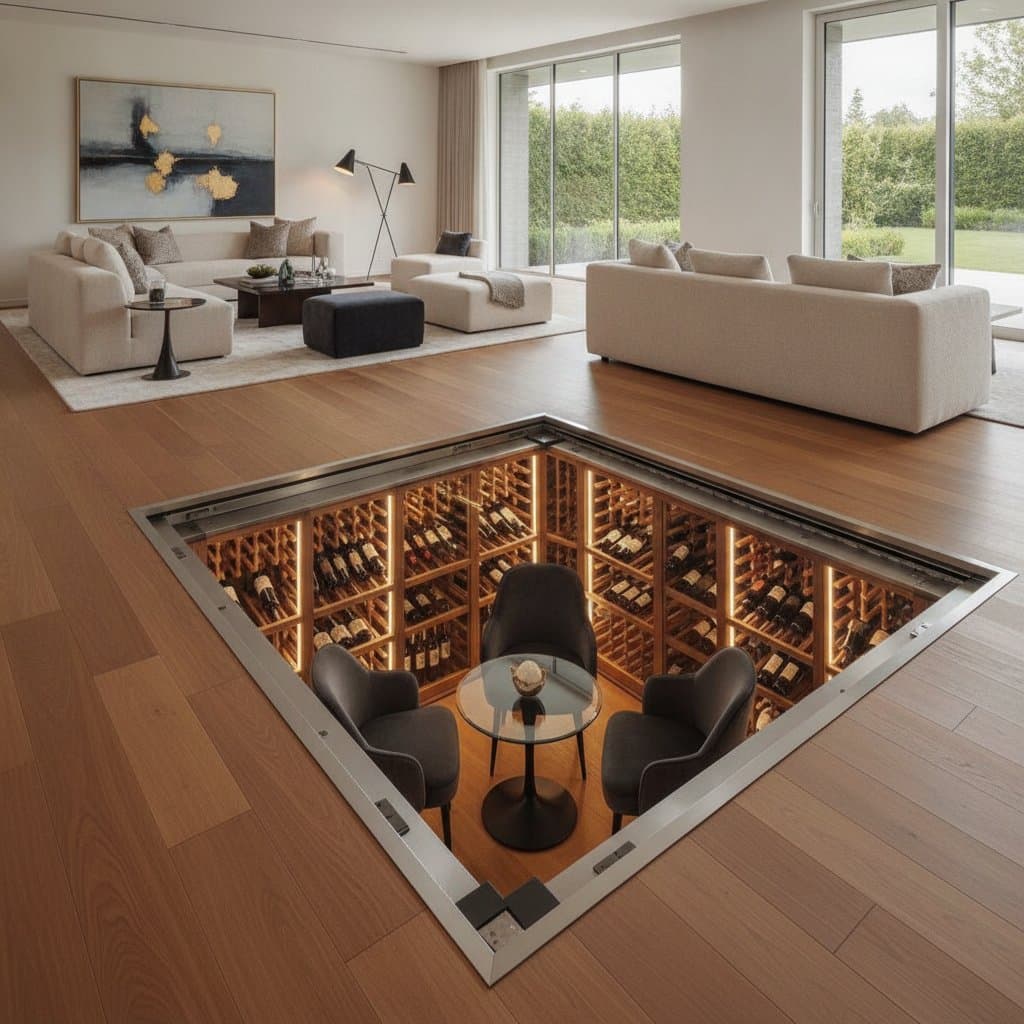
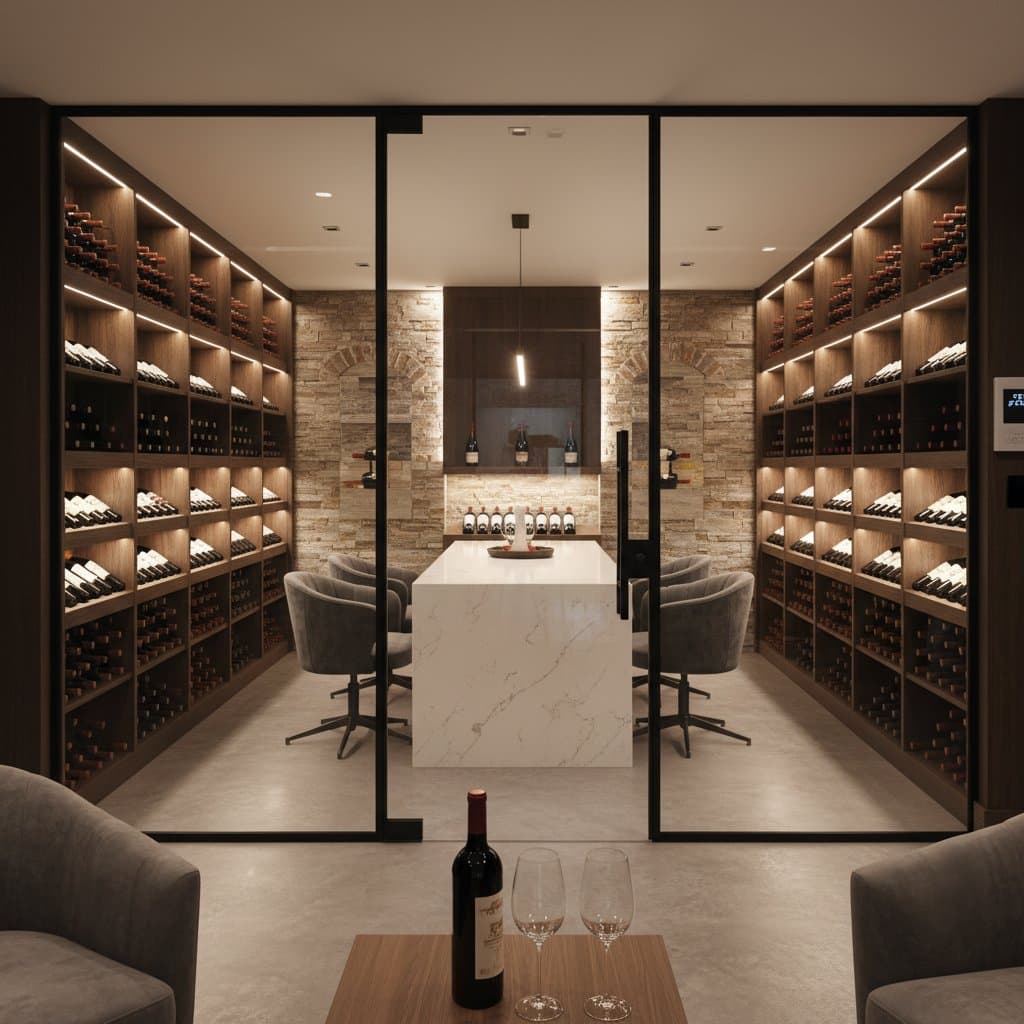
Investment Breakdown: Costs to Consider
Building a basement wine cellar involves several key expenses that contribute to its overall value. These costs ensure the space functions effectively while meeting building standards.
- Insulation and Vapor Barrier: Allocate $2,000 to $5,000 for materials that block condensation and inhibit mold growth. Proper insulation maintains stable conditions essential for wine preservation.
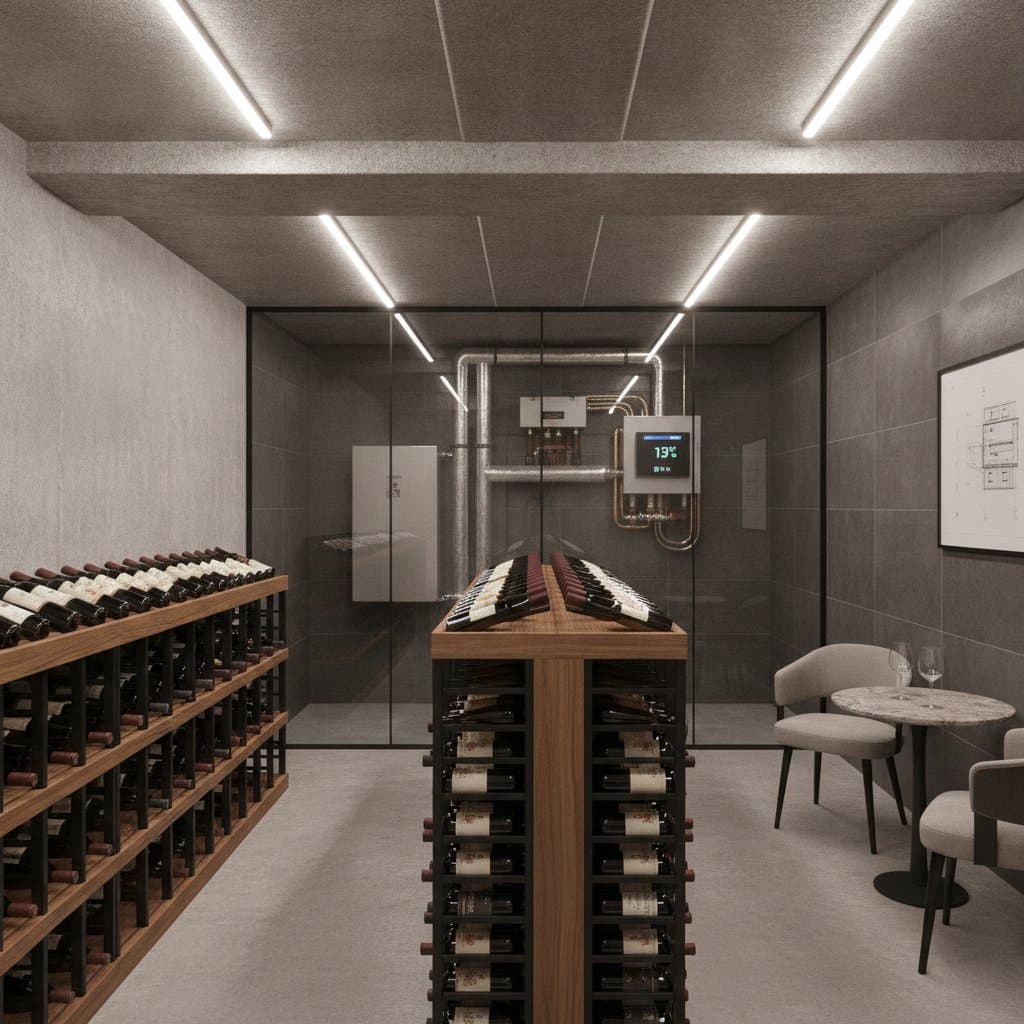
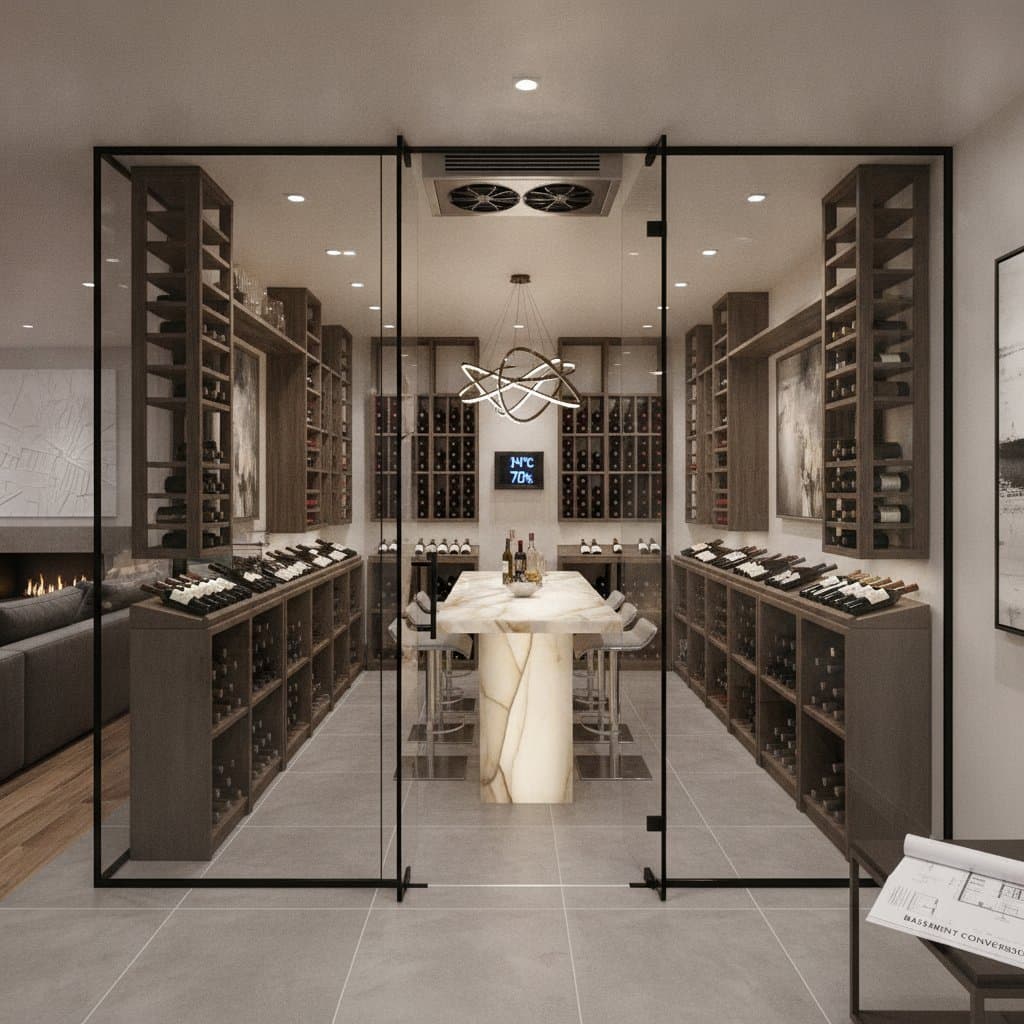
- Finishes and Design Elements: Invest $10,000 to $25,000 in bespoke millwork, energy-efficient LED lighting, and durable stone flooring. These choices enhance both aesthetics and longevity.
- Permits and Electrical Upgrades: Comply with local regulations by engaging licensed electricians or HVAC specialists. Expect fees of $500 to $2,000 to cover inspections and modifications.
- Disposal and Access Improvements: Budget $3,000 to $6,000 for removing outdated finishes, installing floor drains, or reinforcing concrete slabs. These steps prepare the foundation for a secure installation.
In older homes, reserve an additional 10 to 15 percent of the total budget for unforeseen issues. Common discoveries during initial work include excess moisture, irregular flooring, or inadequate existing insulation.
DIY Options Versus Professional Expertise
Deciding between self-directed efforts and professional services depends on the project's complexity and your skill level. Balance cost savings with the need for reliability in a controlled environment.
Tasks Suitable for DIY
- Construct framing, apply paint, and assemble standard shelving units.
- Install sealing materials and vapor barriers following detailed guidelines.
- Set up low-voltage lighting systems, provided local codes permit such work.
When to Engage Professionals
- Climate Control Systems: Improper configuration risks mold development, fluid leaks, and damage to stored bottles. Experts calibrate cooling and dehumidification for optimal performance.
- Electrical Installations: Regulations demand certified electricians for circuit additions or integrated lighting setups.
- Insulation Applications: Specialists achieve seamless vapor barrier integration to eliminate condensation risks.
- Structural Modifications: Consult engineers for any demolition involving walls or flooring to ensure safety and stability.
Consequences of DIY Shortcomings: Fluctuations in moisture and temperature may spoil collections within months. Seek professional assistance if assessments reveal standing water, inconsistent temperatures, or condensation on surfaces.
Ongoing Maintenance and Warranty Essentials
A well-constructed basement wine cellar endures for decades with diligent care. Oversight shortens its operational life significantly.
Essential Maintenance Practices
- Every Three Months: Monitor humidity levels, temperature stability, and filter conditions in the cooling apparatus.
- Once a Year: Examine door seals, shelving integrity, and lighting components for signs of deterioration.
- Every Three Years: Apply protective finishes or reseal flooring and wooden elements to guard against mold.
Component Durability Overview
| Item | Expected Lifespan |
|---|---|
| Cooling Unit | 10 to 15 years |
| Lighting Fixtures | 15 to 20 years |
| Racks and Shelving | 25 to 40 years |
| Insulation and Vapor Barrier | 30+ years if undisturbed |
Key Warranty Considerations
- Cooling equipment generally includes 5 to 10 year coverage.
- Bespoke millwork protection hinges on adherence to humidity protocols.
- Labor for electrical and HVAC work extends for one year.
Maintain humidity under 70 percent and temperatures from 55 to 58 degrees Fahrenheit to sustain system efficiency. Failure to monitor these factors may invalidate manufacturer guarantees.
Realizing Value and Return on Investment
Basement wine cellars provide tangible benefits in property valuation, positioning them as premier luxury upgrades. Real estate professionals note that dedicated storage spaces evoke superior craftsmanship and refined living standards. This contributes to the projected 92 percent average ROI through enhanced sale prices and buyer enthusiasm.
Factors Influencing Returns
- Premium Allure: Such features indicate high-quality construction across the residence.
- Optimized Space Utilization: They repurpose idle basements into purposeful zones.
- Minimal Upkeep Demands: Post-installation expenses remain modest relative to other high-end additions.
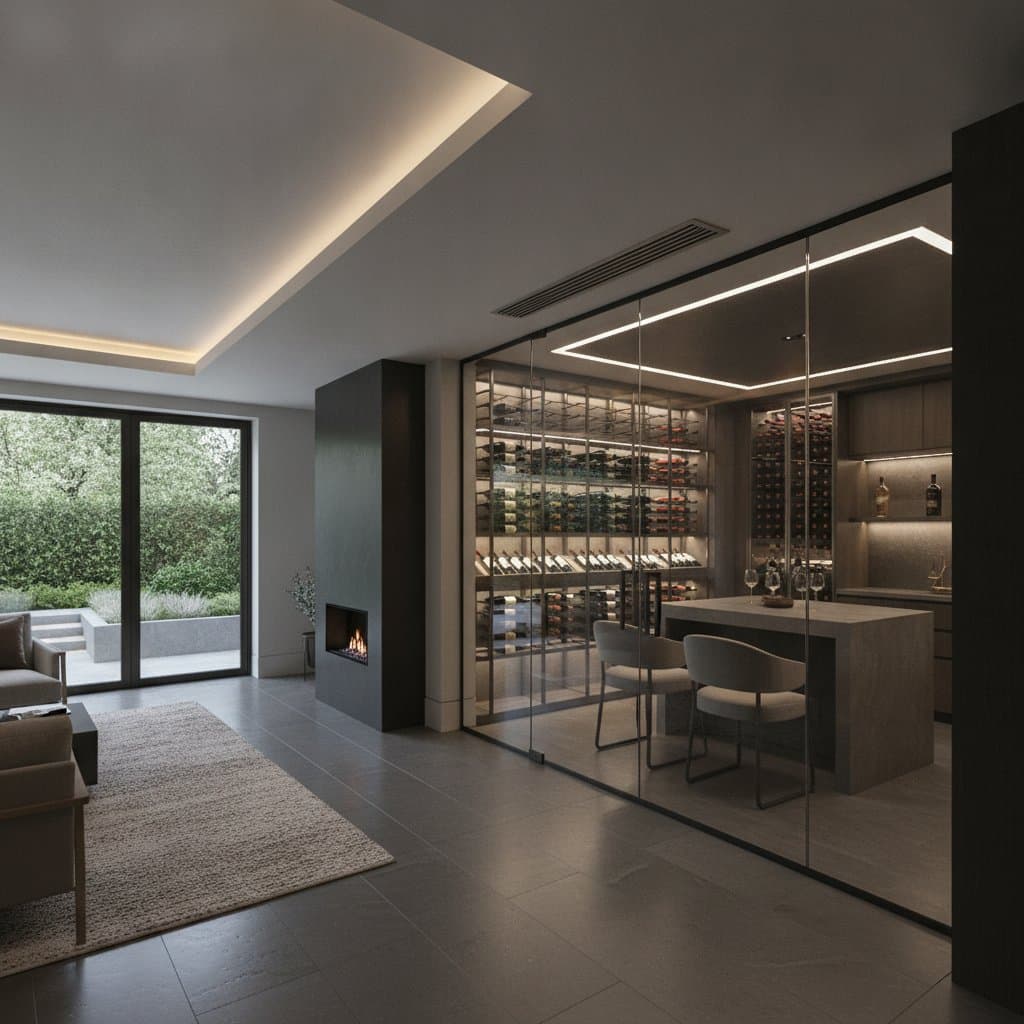
- Market Appeal Dynamics: Visually striking cellars enhance listing photographs and differentiate properties.
Compact designs spanning 80 square feet can increase resale values by $20,000 to $30,000, varying by location and execution quality.
Pitfalls to Sidestep in Construction
Certain oversights compromise the cellar's functionality and longevity. Addressing them upfront prevents costly corrections.
- Omitting Vapor Barriers: This invites condensation buildup and mold proliferation.
- Neglecting Floor Alignment: Irregular surfaces lead to unstable shelving placements.
- Excessive Illumination: Light sources generate heat that disrupts temperature balance.
- Selecting Carpeted Surfaces: These materials retain dampness and aromas.
- Bypassing Climate Testing: Operate systems for days prior to stocking to verify consistency.
Overlooking these elements results in wine spoilage or the need for extensive repairs down the line.
Tiered Selection Guide: Good, Better, Best
Select options that align with your budget and objectives. Higher tiers elevate visual impact and durability, though they increase initial outlay.
| Category | Good | Better | Best |
|---|---|---|---|
| Flooring | Vinyl or tile | Engineered wood | Natural stone |
| Racks | Modular kits | Custom wood | Reclaimed or hardwood |
| Cooling | Through-wall unit | Split system | Ducted with humidity control |
| Lighting | Basic LED | Dimmable LED | Smart-controlled lighting |
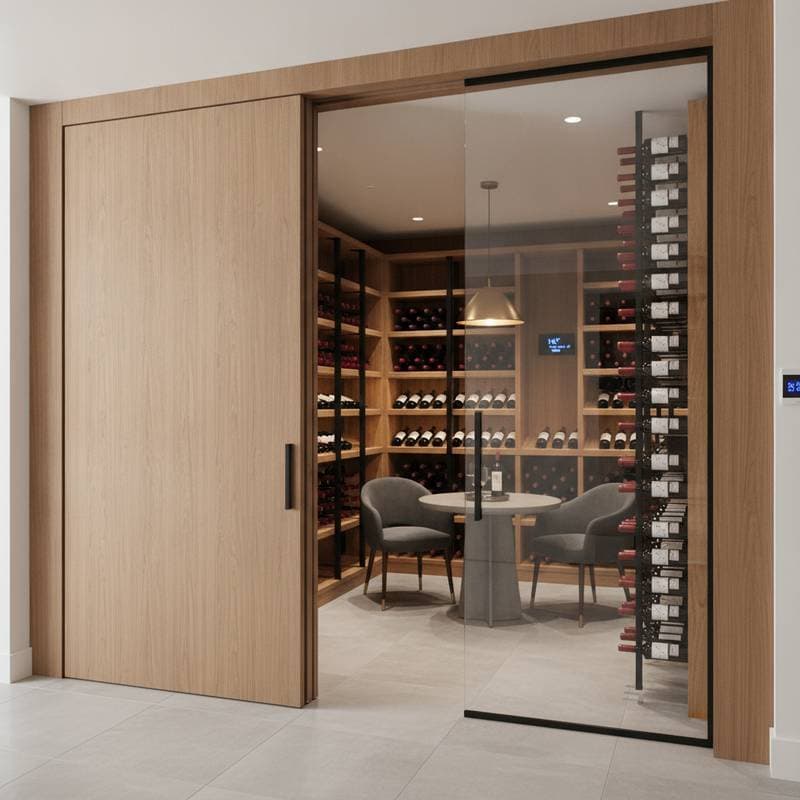
| Door | Insulated solid core | Glass with gasket | Full-view double-pane glass |
Opt for the "better" category to optimize returns without excessive spending.
Actionable Steps to Launch Your Project
Embark on this upgrade with a structured approach to minimize disruptions and maximize outcomes.
- Evaluate the Area: Measure ceiling clearance, test for moisture, and review current electrical capacity.
- Establish Budget Parameters: Plan for $25,000 to $75,000 based on desired sophistication.
- Secure Professional Quotes: Consult certified HVAC and electrical experts for estimates.
- Integrate Layout and Illumination: Coordinate shelving and light placements to avoid interferences.
- Procure Core Elements Promptly: Account for extended delivery times on cooling and custom storage.
- Arrange for Verifications: Obtain necessary permits and ensure code adherence prior to enclosing spaces.
- Archive Documentation: Organize records of warranties and contractor agreements for future reference.
These measures position your wine cellar as a strategic enhancement that delivers lasting financial and aesthetic rewards.