Basement Gym Conversions Yield 78% ROI in Residential Remodeling
Standard investment: $19,000 for a 400-square-foot conversion. Expected return: 78%.
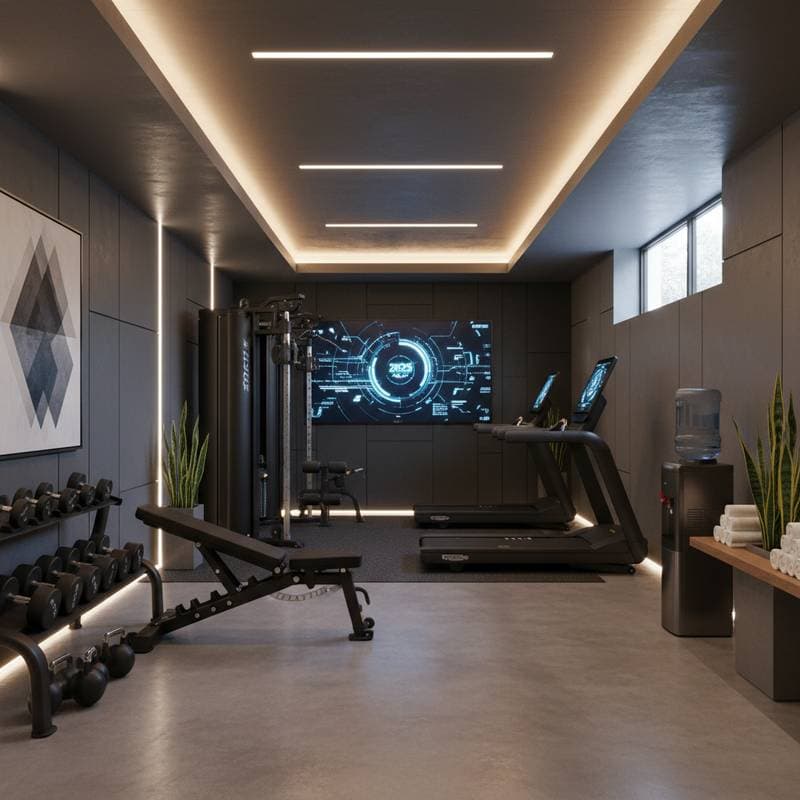
Transforming an unused basement into a dedicated home gym ranks among the most effective midrange remodeling projects. This upgrade elevates property resale value, streamlines daily fitness routines, and often surpasses returns from kitchen or bathroom renovations. Potential buyers appreciate a completed, wellness-oriented area, while current owners enjoy a personal exercise space free from ongoing membership expenses.
Home gyms in basements appeal to a broad audience because they repurpose underutilized space into a functional asset. The combination of privacy and convenience drives demand, particularly as wellness priorities evolve. With careful execution, this project delivers both immediate lifestyle benefits and long-term financial gains.
Key Cost Components
Materials and Finishes
Flooring options such as rubber tiles or vinyl planks range from $3 to $8 per square foot. Incorporate subfloor moisture barriers at an additional $1 to $2 per square foot to safeguard against dampness. These choices ensure durability and a professional aesthetic suitable for intense workouts.
For walls and insulation, select moisture-resistant drywall paired with closed-cell foam, which costs $2,000 to $4,000 for a typical basement. This setup prevents mold growth and maintains thermal comfort during exercise sessions. Prioritize materials that withstand humidity fluctuations common in below-grade areas.
Ceiling constraints often require adjustments like duct rerouting or recessed lighting installations, adding $1,500 to $3,000 to the budget. Electrical upgrades for circuits, outlets, and energy-efficient LED fixtures typically run $1,000 to $2,500. These elements support safe, well-lit environments for equipment placement.
HVAC modifications, including duct extensions or mini-split systems, fall between $2,000 and $5,000. Proper airflow prevents stuffiness and promotes a comfortable workout atmosphere. Evaluate existing systems early to avoid unexpected expenses.
Labor Considerations
Professional labor rates average $60 to $120 per hour, varying by location. Tasks like framing, drywall installation, and finishing work commonly total $6,000 to $12,000. Experienced contractors ensure compliance and efficiency, reducing the likelihood of costly rework.
Factor in regional differences; urban areas command higher fees due to demand and accessibility challenges. Obtain multiple quotes to compare value, focusing on firms with basement-specific expertise. Clear communication with the team minimizes delays and aligns the project with your vision.
Size, Access, and Regulatory Factors
Projects in larger spaces or those with restricted access, such as narrow stairways, incur 10 to 15 percent higher costs. Assess entry points during planning to anticipate equipment transport needs. Opt for modular fitness items that assemble on-site to ease logistics.
Permits and code adherence add $500 to $1,200, with potential separate fees for electrical or HVAC inspections. Verify local requirements for basement egress windows and minimum ceiling heights upfront. Non-compliance risks project halts or fines, so consult municipal guidelines at the outset.
Disposal of existing materials like old framing or insulation ranges from $300 to $800. Optional enhancements, including full-length mirrors, integrated sound systems, or automated lighting, can increase expenses by $2,000 to $6,000. Weigh these against their impact on usability and appeal.
Balancing DIY and Professional Involvement
Suitable DIY Elements
Individuals with carpentry skills can handle framing and basic insulation installation. Painting walls, laying flooring, and assembling exercise equipment offer straightforward opportunities for savings. Adding mirrors, storage solutions, and protective mats further personalizes the space without advanced tools.
These tasks allow customization to fit specific fitness goals, such as zoning for cardio or strength training. Gather quality supplies and follow manufacturer guidelines to achieve professional results. Document progress to track expenses and inform future adjustments.
Essential Professional Services
Delegate electrical wiring and circuit additions to licensed experts due to safety implications. HVAC extensions and duct modifications demand specialized knowledge to maintain system integrity. Implement comprehensive moisture barriers and waterproofing through pros to address potential infiltration risks.
Structural changes, including load-bearing wall alterations, require engineering oversight. Professionals navigate complex basements with efficiency, ensuring seamless integration with the home's framework. Their involvement safeguards against hidden issues like uneven foundations.
Decision Framework for Hiring
Engage professionals immediately upon discovering water stains or persistent odors, as these signal underlying problems. Rewiring for optimal outlet placement or advanced lighting setups benefits from expert precision. Basements with ceilings under 7 feet necessitate professional evaluation for floor lowering or duct adjustments.
DIY approaches can reduce costs by up to 30 percent, yet they introduce risks related to moisture control, mold development, and regulatory adherence. Electrical errors may invalidate insurance policies or pose fire hazards. Secure permits for any structural or electrical modifications to protect your investment.
Prioritizing Safety and Regulatory Compliance
Preparation Essentials
Equip yourself with safety glasses, heavy-duty gloves, and dust masks before commencing work. Use hearing protection during cutting or drilling operations to guard against noise exposure. Employ a moisture meter to confirm dry conditions, establishing a baseline for ongoing monitoring.
These measures create a secure worksite and promote health throughout the project. Schedule regular breaks to avoid fatigue, especially in enclosed basement environments. Stock a first-aid kit tailored to common renovation injuries.
Pre-Construction Verifications
Disconnect power at the main breaker prior to any electrical tasks to eliminate shock risks. Conduct radon testing and mitigate elevated levels through ventilation or sealing. Install GFCI-protected outlets near potential moisture areas to enhance equipment safety.
Assess egress requirements if the space might serve multiple purposes, such as guest quarters. These steps align with building standards and facilitate smooth inspections. Document all tests and corrections for reference during resale.
Common Code Requirements
New walls or outlets trigger mandatory permitting processes. HVAC alterations demand professional certification to ensure airflow standards. Additions like plumbing for saunas or showers require specialized plumbing approvals.
Adhering to these protocols prevents inspection failures and potential liability issues. Consult local authorities for updates, as codes evolve with safety advancements. A compliant gym not only functions reliably but also bolsters property insurability.
Analyzing Market Value and Return Potential
Basement gyms enhance market appeal by converting raw space into a versatile wellness hub. Modern buyers prioritize integrated fitness options, making finished lower levels a standout feature. Midrange designs suffice, as functionality trumps extravagance in driving interest.
Economic trends amplify this value: escalating gym fees encourage home-based alternatives, while remote work lifestyles heighten demand for in-home amenities. Properly finished basements expand appraised square footage, contributing to higher overall valuations. These factors position the investment as timely and resilient.
The standard 78% ROI translates a $20,000 outlay into approximately $15,600 added resale value. Properties featuring such upgrades often close sales more quickly than unmodified counterparts. Focus on elements that signal quality, like even lighting and fresh air circulation.
ROI diminishes with suboptimal features, including dim illumination, subpar ceilings, or evident dampness. Inferior materials or inadequate ventilation further erode returns. To maximize gains, integrate rubberized flooring and expansive mirrors for an inviting, gym-like ambiance.
Incorporate smart lighting systems that adapt to workout intensity, alongside exhaust fans for humidity control. These upgrades create a premium feel without excessive spending. Track local sales data to benchmark your project's competitive edge.
Steps to Launch Your Basement Gym Project
Begin with a thorough moisture inspection to confirm suitability; a sealed, dry foundation underpins long-term success. Establish a budget of $15,000 to $25,000 targeting midrange quality for optimal returns. Assign tasks strategically: retain licensed specialists for electrical and HVAC work, while managing painting and assembly personally.
Design the layout with flexible open areas to accommodate evolving exercise preferences. Schedule construction during drier seasons to minimize humidity interference and secure contractor slots. Maintain detailed records of expenditures and receipts to support appraisals and claims.
Prioritize resilient flooring and moisture safeguards as foundational investments. These prevent future interventions and sustain value appreciation. A thoughtfully executed basement gym unlocks daily inspiration and substantial financial rewards, realizing the full promise of your home's potential.