Unlocking Home Value with a Basement Gym: Achieve 73% ROI on Resale
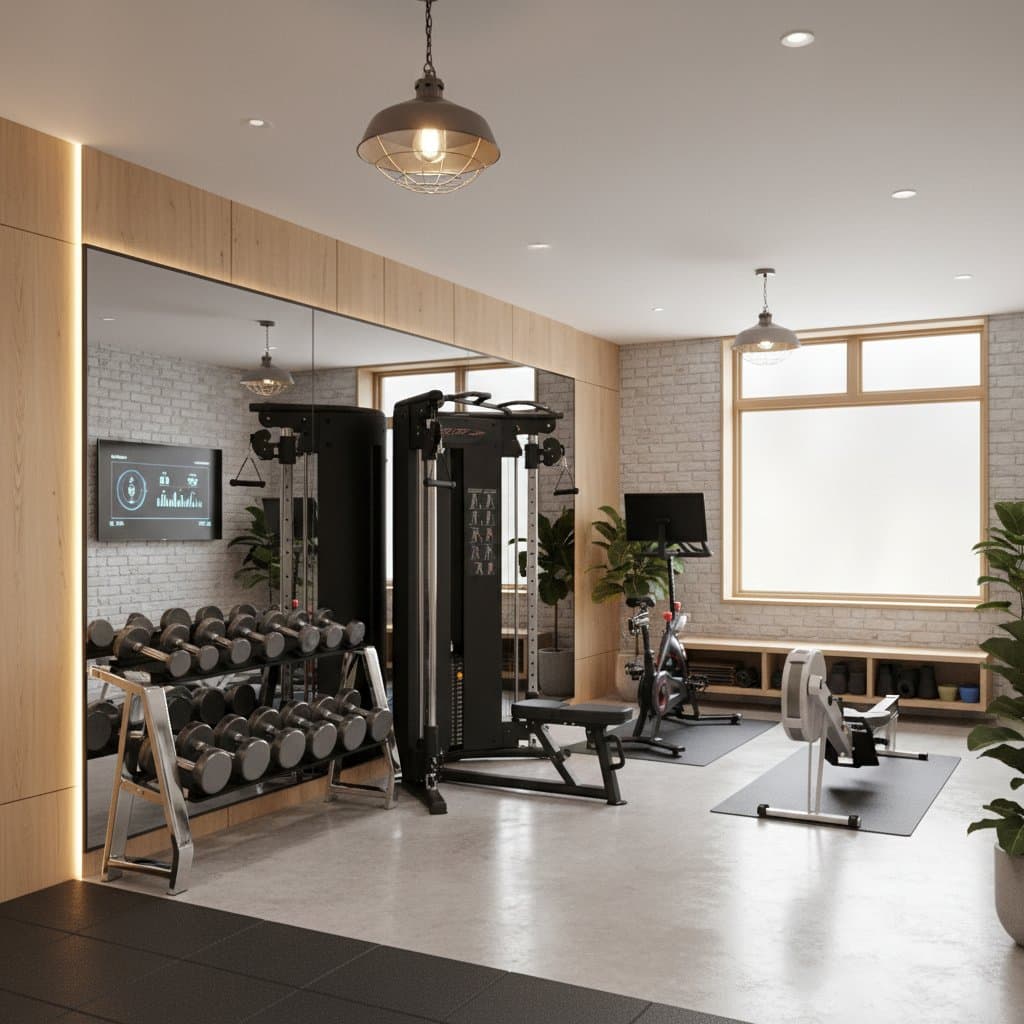
Homeowners increasingly recognize the potential of transforming unused basement space into a dedicated fitness area. This upgrade offers immediate benefits for daily exercise routines while enhancing the property's appeal to future buyers. A well-designed basement gym provides convenience, promotes healthier living, and delivers substantial financial returns, often recouping up to 73% of the investment upon resale.
The key to success lies in selecting a suitable basement—one that remains dry, boasts adequate headroom of at least seven feet, and supports effective ventilation systems. These factors ensure the space functions efficiently and withstands regular use without compromising the home's integrity.
Weighing the Advantages and Drawbacks
Key Advantages
- Elevates Property Value: Investments in a basement gym typically yield a 73% return at resale, as buyers prioritize homes with versatile, finished spaces that support modern lifestyles.
- Enhances Workout Habits: Access to a private gym encourages consistent exercise, eliminating travel time and weather-related disruptions to fitness goals.
- Cuts Long-Term Expenses: Owners avoid ongoing gym membership fees, which can exceed $500 annually, while customizing equipment to personal needs.
- Offers Customization Freedom: Select gear, lighting, and layouts that align with individual preferences, creating an inspiring environment tailored for motivation.
Potential Challenges
- Demands Rigorous Moisture Management: Basements prone to dampness require dehumidifiers and sealing to prevent mold growth and equipment corrosion.
- Restricts Space Versatility: Committing the area to fitness use might limit options for future conversions, such as a home office or playroom.
- Involves Complex Electrical Work: Installing outlets and lighting demands professional oversight to avoid hazards like overloads or shocks.
- May Require Regulatory Approvals: Structural modifications or electrical additions often necessitate permits, adding time and cost to the project.
Choosing Between DIY and Professional Installation
For straightforward transformations, a do-it-yourself approach suits budget-conscious homeowners. Begin by clearing the space and assessing the floor for levelness using a reliable spirit level. Install interlocking rubber mats for cushioning—cut them to fit with a utility knife—and apply fresh paint to walls for a vibrant atmosphere. Secure light equipment like free weights or a yoga mat rack using wall anchors drilled into studs. Allocate two to four weekends, gathering tools such as a cordless drill, circular saw, measuring tape, and protective eyewear. However, this method carries risks: inadequate ventilation can lead to stale air, uneven subfloors may cause instability, and improper wiring attempts could result in fire dangers.
Opt for professional services when the project involves advanced features. Contractors handle intricate tasks like running new electrical circuits, framing drop ceilings for better acoustics, or adding insulation to walls for temperature control. They guarantee adherence to building codes, implement robust moisture barriers, and deliver a polished finish that impresses potential buyers. Expect costs to range from $5,000 for basic setups to $20,000 for comprehensive designs, with pros providing warranties on workmanship.
Ensuring Longevity Through Proper Maintenance
Regular upkeep preserves the gym's functionality and protects the home's value. Inspect for moisture buildup every three months by checking walls and floors for signs of water intrusion; address issues promptly with sealants or professional remediation. Clean air filters and ventilation fans biannually to maintain fresh circulation and prevent dust accumulation on equipment. Rubber flooring, essential for shock absorption, lasts 8 to 10 years under moderate use—replace it when cracks appear to avoid slips.
For integrated electrical components, such as treadmill outlets or smart lighting, review warranties that typically span 1 to 5 years. Monitor humidity levels with a digital gauge, keeping them below 60% through consistent dehumidifier operation. These habits not only extend the gym's lifespan beyond a decade but also safeguard against costly repairs.
Adapting to Regional Considerations
Location influences design choices and compliance requirements. In colder regions, prioritize thick insulation on walls and floors, along with vapor barriers, to retain warmth and prevent condensation during workouts. Coastal homeowners should invest in rust-resistant materials for racks and weights, as salt air accelerates corrosion—consider stainless steel or coated options.
Urban dwellers often need soundproofing measures, such as acoustic panels on walls or padded flooring, to minimize noise disturbances for neighbors. Regardless of setting, consult local building codes early: minimum ceiling heights usually start at 7 feet, and electrical upgrades require permits from municipal authorities. These adaptations ensure the gym integrates seamlessly with the home's environment.
Calculating ROI and Resale Impact
Data from real estate analyses indicates that a finished basement gym recoups approximately 73% of its construction costs when selling the home. This figure stems from buyer preferences for turnkey wellness spaces that blend functionality with aesthetic appeal. Properties featuring zoned fitness areas command higher offers and sell up to 20% faster than those with raw, unfinished basements.
To maximize returns, focus on versatile elements like modular shelving for equipment storage or multi-use flooring that supports yoga and cardio. Appraisers value these upgrades for their role in promoting active lifestyles, particularly in markets where health-conscious buyers dominate. Track expenses meticulously, including materials and labor, to quantify the investment accurately.
Prioritizing Safety in Design and Use
Safety forms the foundation of any effective basement gym. Install ground-fault circuit interrupter (GFCI) outlets on all circuits to protect against electrical shocks in potentially damp environments. Route cords along walls or under mats, securing them with clips to eliminate tripping hazards.
Position heavy machinery, such as weight benches or ellipticals, away from sump pumps, water heaters, or plumbing lines to avoid flood risks. Anchor mirrors, shelves, and racks directly to wall studs using heavy-duty brackets for stability during intense sessions. For any structural alterations or wiring installations, obtain permits and hire certified electricians to ensure compliance and reduce liability.
Incorporate additional precautions like non-slip surfaces, adequate lighting with motion sensors, and emergency stop buttons on cardio machines. These measures not only prevent injuries but also reassure inspectors and buyers of the space's reliability.
Steps to Build Your Basement Gym
Start by mapping the layout: measure the area, identify load-bearing walls, and sketch zones for cardio, strength training, and stretching. Address foundational needs next—install moisture barriers, upgrade ventilation with exhaust fans, and ensure stable flooring.
Solicit quotes from at least three licensed contractors, comparing portfolios for similar projects. Budget for essentials like rubber mats ($2 to $4 per square foot), mirrors ($50 to $200 each), and basic equipment ($1,000 to $5,000). As construction progresses, test systems for functionality.
A thoughtfully executed basement gym elevates everyday wellness and secures lasting financial benefits. This investment transforms a overlooked space into a cornerstone of health and home equity, ready to deliver value for years to come.