Barrier-Free Wet Rooms: Enhancing Accessibility and Home Value in 2026
Barrier-free wet rooms represent a shift in bathroom design, eliminating traditional barriers like shower curbs and tub surrounds. This approach creates seamless, open spaces that prioritize ease of use for individuals of all abilities. Homeowners benefit from improved functionality and a projected 11% uplift in property value by 2026, according to real estate trends.
The typical midrange remodel costs around $18,000, with strong returns driven by demand for inclusive living spaces. These rooms combine practicality with contemporary style, making them a smart choice for long-term residency or resale.
The Advantages of Wet Room Designs
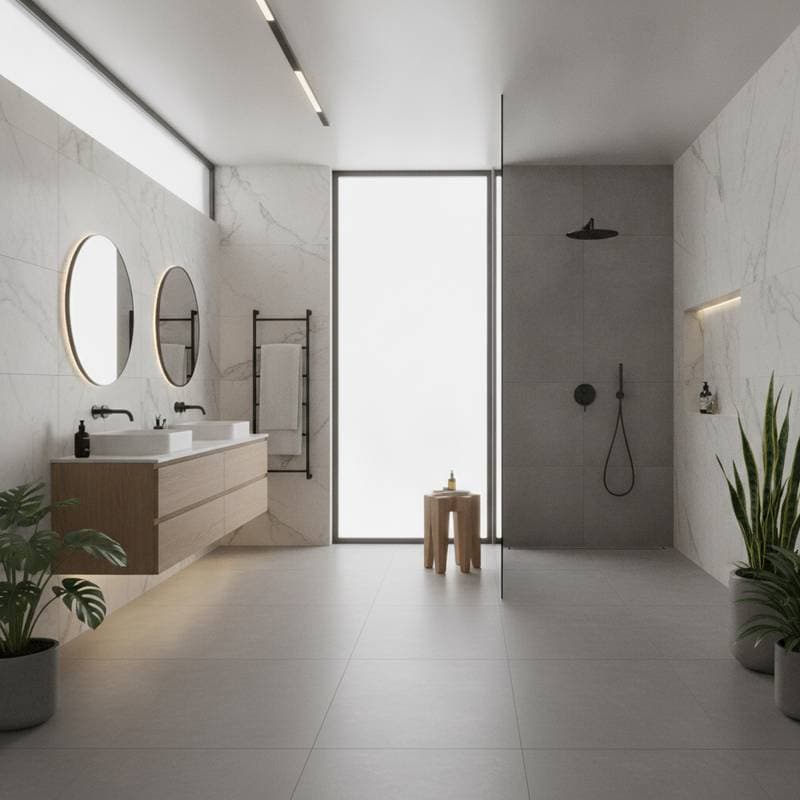
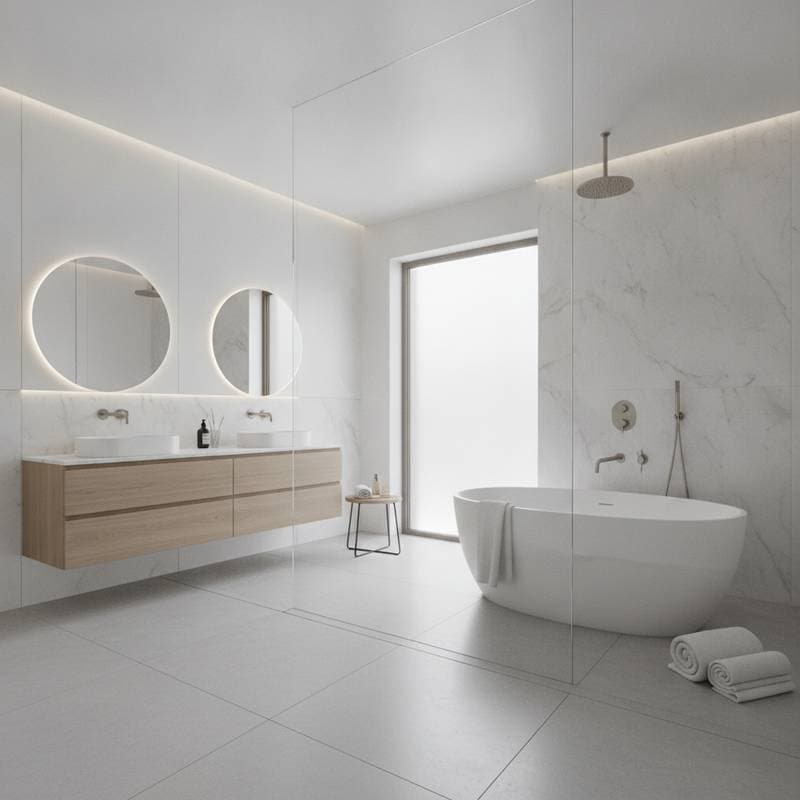
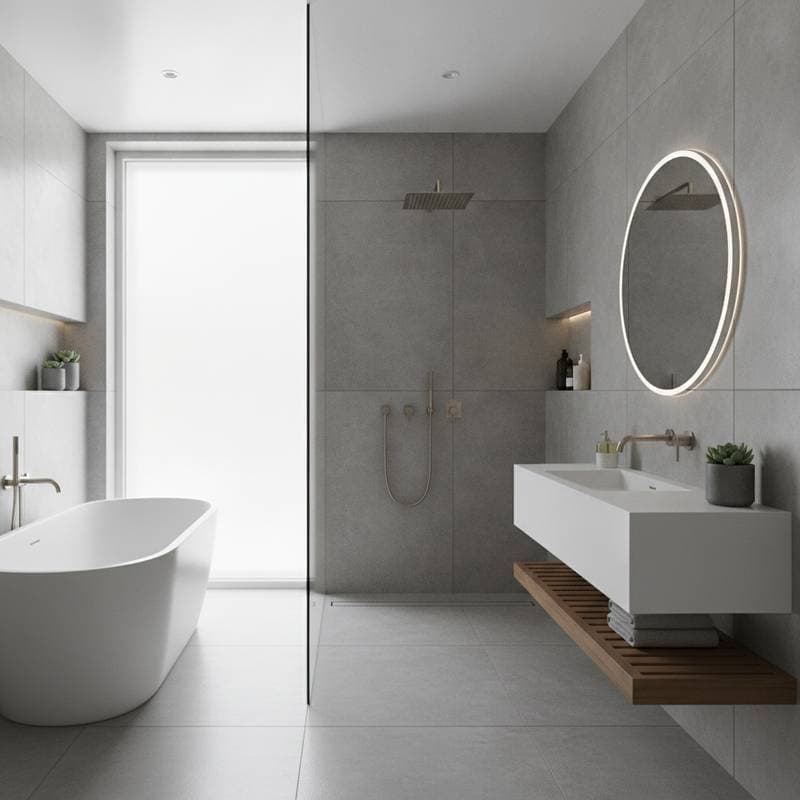
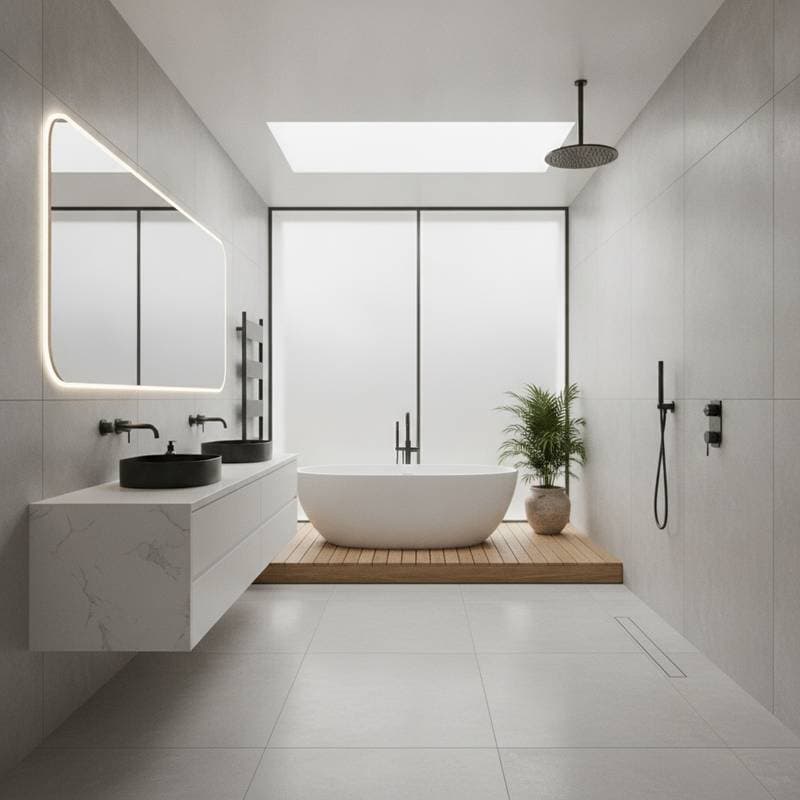
A wet room features a level-entry shower area with a gently sloped floor leading to a central or linear drain, ensuring complete waterproofing across the entire space. This setup simplifies maintenance, as water flows efficiently without confined shower zones. Accessibility improves dramatically, allowing wheelchair users or those with mobility challenges to navigate freely.
Real estate analyses indicate that properties with accessible bathrooms sell more quickly and retain higher values over time. The expansive feel of an open layout maximizes perceived space, even in compact areas. Prospective buyers appreciate these features for supporting aging in place, accommodating guests, and providing resale advantages in competitive markets.
Design Options Across Budget Levels
Basic Wet Room Configurations
- Durable ceramic tiles cover floors and walls, paired with a single central drain and an open-plan layout
- Installation costs range from $12,000 to $18,000
- Ideal for compact hallway bathrooms or guest spaces requiring minimal modifications
- Incorporates standard fixtures and avoids extensive glass enclosures for simplicity
Midrange Wet Room Enhancements
- High-quality porcelain tiles with decorative accent walls for visual interest
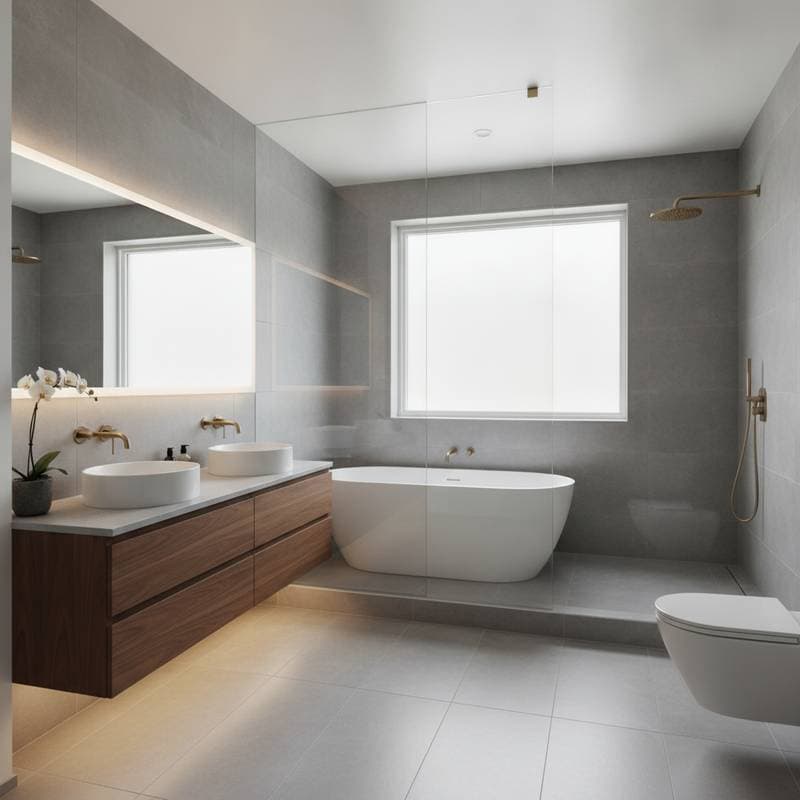
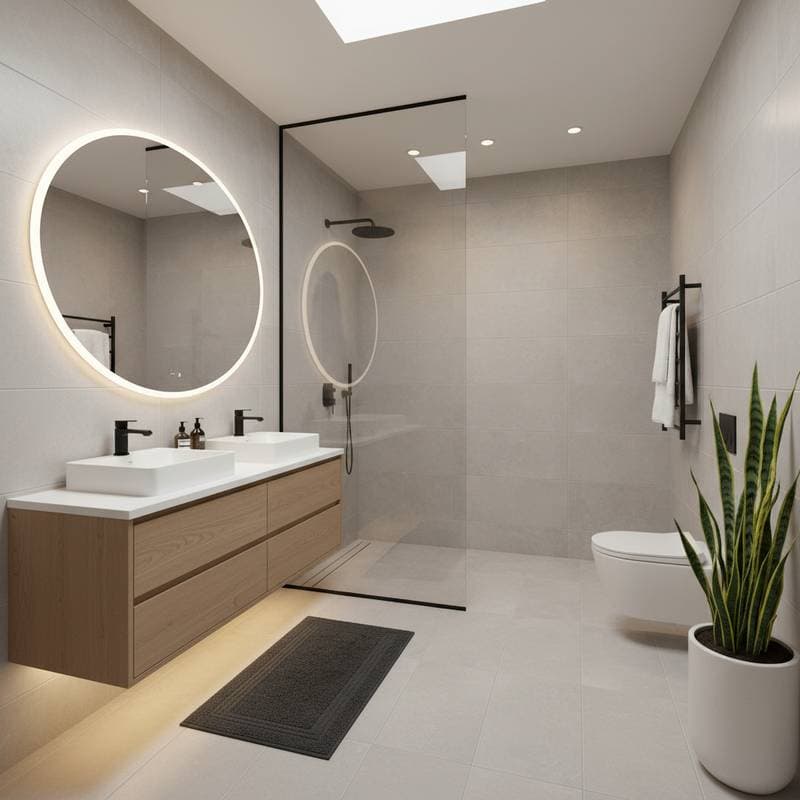
- Linear drains, optional glass screens, and upgraded fixtures like rainfall showerheads
- Budget allocation of $18,000 to $25,000
- Features enhanced lighting options, advanced waterproof membranes, and built-in storage niches for toiletries
Premium Wet Room Installations
- Natural stone or large-format porcelain tiles for a luxurious finish
- Curbless entry integrated with radiant underfloor heating for added comfort
- Frameless glass panels and wall-mounted fixtures to maintain an airy aesthetic
- Pricing starts at $25,000 and can exceed $35,000
- Custom cabinetry, zoned lighting systems, and adherence to full accessibility standards elevate the experience
Essential Safety Measures and Building Compliance
Required Safety Equipment
- Protective knee pads and heavy-duty gloves for handling materials
- Safety glasses and a respirator mask during tile cutting or mortar mixing
- Waterproof boots to manage potential water exposure during subfloor preparation
Utility Shutoff Protocols
- Isolate the main water supply before dismantling existing fixtures to prevent flooding.
- Disconnect electrical power at the breaker panel when updating lighting or ventilation systems.
Permitting and Code Adherence
- Ensure the floor achieves the precise slope mandated by local codes to avoid water pooling.
- Install GFCI outlets in all electrical zones adjacent to water sources for shock prevention.
- Secure grab bars directly into wall studs rather than relying on surface anchors.
Scenarios Requiring Professional Licensing
- Relocating plumbing lines or modifying electrical circuits demands certified expertise.
- Structural alterations to the floor, such as reinforcement for load-bearing changes, require licensed oversight.
Failure to obtain permits or conduct waterproofing inspections may invalidate insurance policies, leaving owners liable for subsequent water damage repairs.
Project Timing Strategies and Cost-Saving Tips
Material Lead Times
Specialized components like custom tiles, frameless glass panels, and linear drains often require 2 to 4 weeks for delivery. Initiate orders well in advance to maintain project momentum and avoid costly downtime.
Optimal Seasonal Planning
Schedule work during drier months to facilitate faster curing of adhesives and grouts. Steer clear of peak renovation periods, when labor costs can surge by 10 to 20 percent due to high demand.
Available Incentives
Certain regions provide rebates for installing low-flow fixtures or accessibility modifications. Consult local building departments or utility providers to identify qualifying programs.
Efficient Workflow Management
Coordinate tradespeople to overlap tasks seamlessly, such as having plumbers follow immediately after demolition. Stockpile tiles, fixtures, and drains on-site prior to starting to minimize interruptions between phases.
Mechanisms Behind Value Appreciation
Broad Market Attractiveness
Contemporary buyers prioritize homes with adaptable, barrier-free features that enhance usability. These bathrooms capture superior images in listings and convey a sense of spaciousness. They differentiate properties from those with outdated, enclosed tub-shower combinations.
Support for Long-Term Living
The design accommodates mobility aids like wheelchairs and walkers without obstruction. Even active families view it as proactive preparation for future needs. This foresight positions the upgrade as a worthwhile expense for sustained livability.
Flexible Layout Possibilities
A unified sloped floor permits versatile fixture arrangements without structural constraints. Incorporate elements such as built-in benches, overhead rain showers, or body jets to personalize the space.
Efficiency in Resource Use
Incorporate thermostatic mixing valves and water-efficient showerheads to reduce consumption. Pair with insulated radiant heating systems that lower energy demands, yielding ongoing savings on utilities.
Common Pitfalls and Prevention Strategies
- Neglect waterproof integrity testing: Perform a thorough flood test prior to tiling installation to identify leaks early and avoid expensive fixes.
- Inaccurate floor sloping: Maintain the exact gradient to prevent standing water; excessive pitch creates instability underfoot.
- Selecting inferior drains: Opt for robust stainless steel models costing at least $200 to resist clogs and deterioration.
- Inadequate airflow: Equip with a high-capacity exhaust fan to control humidity and preserve finishes like paint and grout.
- Slippery surface choices: Select matte or textured tiles over highly polished ones to ensure secure footing in wet conditions.
Addressing these issues safeguards the remodel's longevity, preserving both safety and enjoyment for years ahead.
Emerging Trends Shaping Future Bathrooms
Bathroom evolution leans toward seamless integration and effortless upkeep, with wet rooms aligning perfectly through continuous, easy-to-clean surfaces. These designs transition from niche options to expected amenities in new constructions.
Innovations include app-controlled thermostatic systems, hidden drainage solutions, and space-saving wall-hung sanitaryware. Such advancements amplify usability while bolstering market desirability.
As populations age, the push for adaptable environments intensifies, positioning barrier-free wet rooms as essential for broad appeal. Investment returns strengthen accordingly, with accessibility emerging as a pivotal factor in property transactions.
Steps to Launch Your Wet Room Project
- Establish a realistic budget, targeting $18,000 for a comprehensive midrange transformation.
- Solicit bids from at least three specialists versed in complete waterproofing assemblies, beyond basic tiling.
- Procure key elements like drains, tiles, and glass enclosures ahead of demolition to streamline progress.
- Verify all permitting needs and schedule inspections from the outset.
- Enhance ventilation by installing a fan rated for high moisture extraction to protect surrounding materials.
- Document every transaction, including receipts and warranties, for potential resale documentation or upkeep reference.
A thoughtfully executed wet room delivers balanced benefits in usability, security, and elegance. Its inclusive layout not only elevates property worth but also simplifies routines for all household members. With meticulous planning and expert collaboration, this enhancement yields enduring reliability and superior financial outcomes.