Zero-Threshold Showers: Accelerating Home Sales with Modern Design
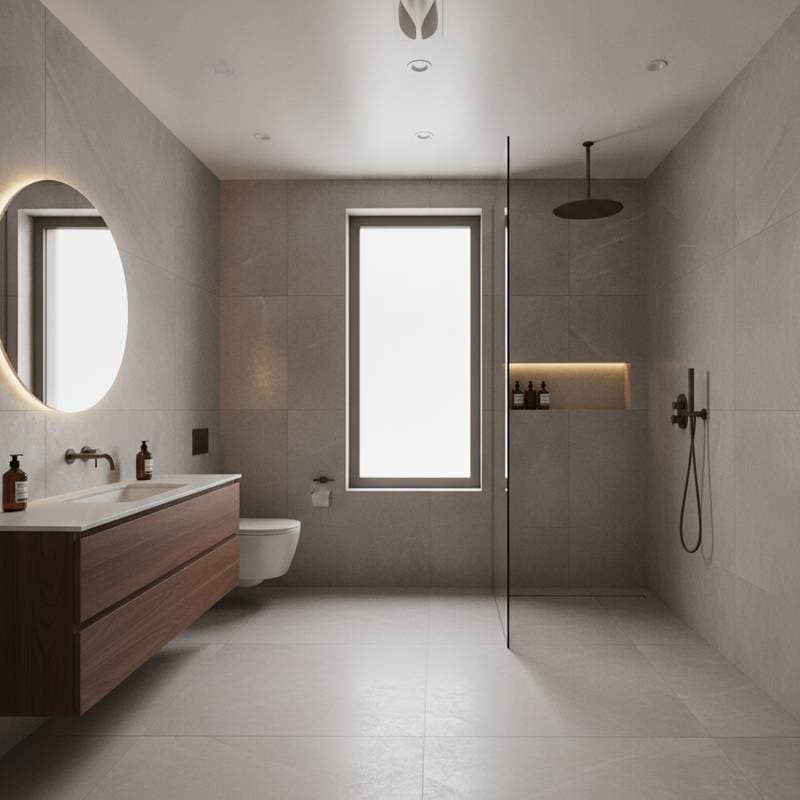
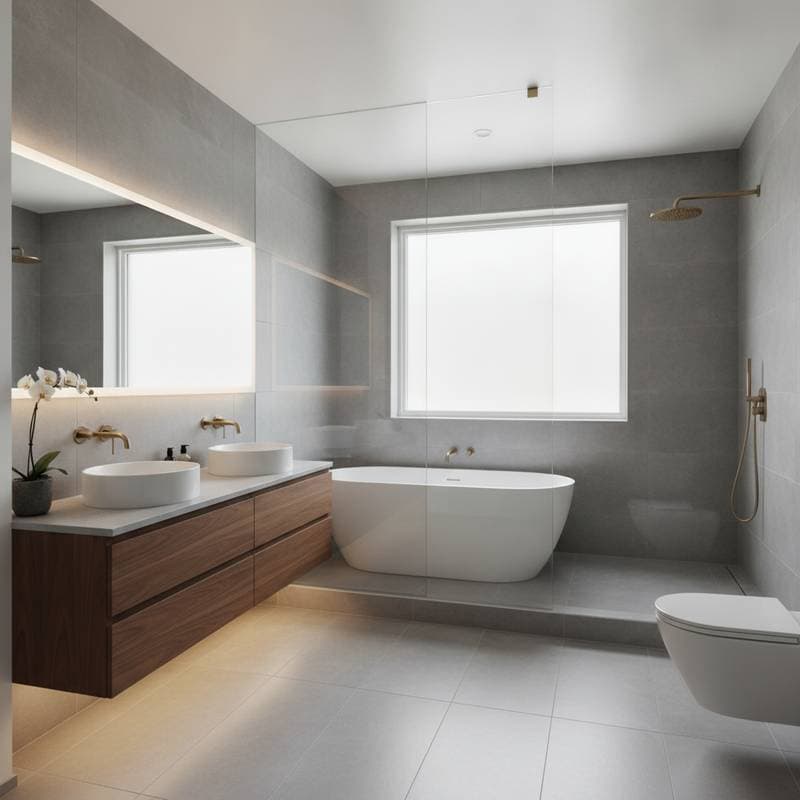
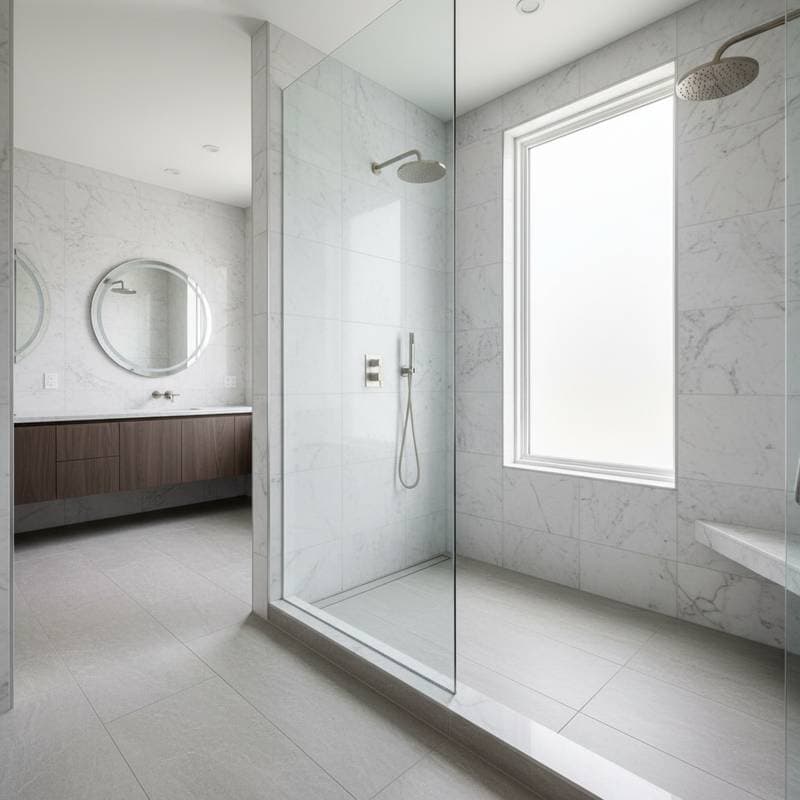
Zero-threshold showers represent a seamless blend of contemporary aesthetics, enhanced safety, and universal accessibility. These barrier-free installations eliminate the traditional step-up, creating a flush entry that appeals to a wide range of buyers, from aging-in-place families to design-conscious millennials. In today's fast-paced real estate market, such upgrades can reduce time on market by up to 20 percent, according to industry observations, by signaling a home that is both stylish and forward-thinking.
The installation typically costs between $4,000 and $9,000, influenced by material choices, site conditions, and regional labor rates. This investment not only modernizes the bathroom but also increases perceived home value, often recouping 70 to 90 percent of costs upon sale. Homeowners who prioritize these features find their properties stand out in listings, drawing more showings and competitive offers.
Key Cost Components
Understanding the breakdown of expenses helps homeowners budget effectively and avoid surprises. Here are the primary factors:
-
Tile and Surface Materials: Opt for large-format porcelain tiles at $3 to $8 per square foot for durability and a minimalist look. Natural stone options, such as marble or travertine, begin at $10 per square foot and add a luxurious touch, though they require more maintenance.
-
Drainage Systems: A linear drain, essential for proper water flow, ranges from $200 to $600. This component ensures a gentle slope without visible breaks, maintaining the shower's sleek profile.
-
Waterproofing Measures: Allocate $500 to $1,000 for high-quality membranes, sealants, and pan liners. Proper application prevents moisture intrusion, which could otherwise lead to costly structural damage.
-
Professional Labor: Expect $2,500 to $5,000 for skilled installation, covering demolition of the existing shower, plumbing adjustments, and precise sloping. Complex layouts or older homes may push costs higher due to additional preparatory work.
-
Permits, Disposal, and Incidentals: Set aside $200 to $400 for local building permits, waste removal, and any unforeseen adjustments. These ensure compliance with codes and a smooth project completion.
Weighing DIY Against Professional Installation
For experienced renovators, a DIY approach might suit simpler projects where the subfloor is level and accessible. This option demands ownership of specialized tools like tile cutters and wet saws, plus a solid grasp of waterproofing techniques to avoid future issues. However, success hinges on meticulous planning, as errors in sloping can cause water pooling or drainage failures.
Professional installation remains the preferred choice for most scenarios, particularly those involving concrete slab modifications, drain relocations, or integration with existing plumbing. Certified contractors handle permit applications, conduct moisture tests post-installation, and provide documentation for warranties. Their expertise minimizes risks like mold growth or leaks, ensuring the shower performs reliably for years.
Project Timeline and Cost-Saving Strategies
Most zero-threshold shower installations span 1 to 2 weeks, depending on the scope. Delays often arise from sourcing custom drains or waiting for tile shipments, so ordering materials in advance is crucial. Begin by assessing your space: measure dimensions accurately and evaluate floor joist heights to determine feasibility.
To optimize expenses, retain existing plumbing configurations where possible, reducing the need for extensive rerouting. Select mid-range porcelain tiles for a balance of affordability and elegance. Schedule work during off-peak seasons, such as winter, when contractors offer discounted rates due to lighter demand. Explore utility rebates for low-flow showerheads and fixtures, which can offset 5 to 10 percent of costs. Finally, incorporate a 10 to 15 percent contingency fund to address potential discoveries, like concealed water damage during demolition.
Long-Term Care and Protection
Maintaining a zero-threshold shower extends its lifespan and preserves its appearance. Annually inspect and reseal grout lines to guard against cracks and water penetration. Verify that the floor maintains a consistent 1/4-inch-per-foot slope to direct water toward the drain efficiently; address any pooling immediately by consulting a professional.
Perform monthly cleaning of drain covers and surrounding areas to inhibit buildup of soap scum or hair. Use mild, pH-neutral cleaners to protect sealants and finishes from degradation. Reputable waterproofing products often include 10- to 25-year warranties when installed by certified technicians, providing peace of mind. Promptly attend to signs of trouble, such as softening grout or persistent damp smells, to prevent escalation into major repairs.
Steps to Implement Your Upgrade
Start by documenting your current shower setup, noting any height variances or plumbing locations. Solicit detailed quotes from at least three licensed contractors, specifying inclusion of waterproofing, labor, and post-installation testing protocols. Inquire about their experience with zero-threshold designs and request references from recent projects.
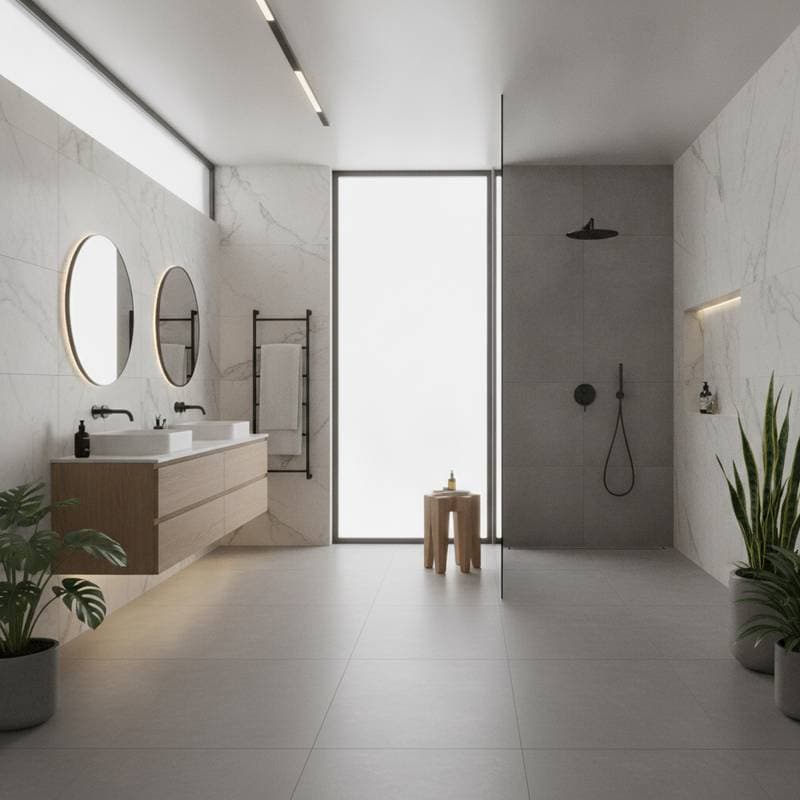
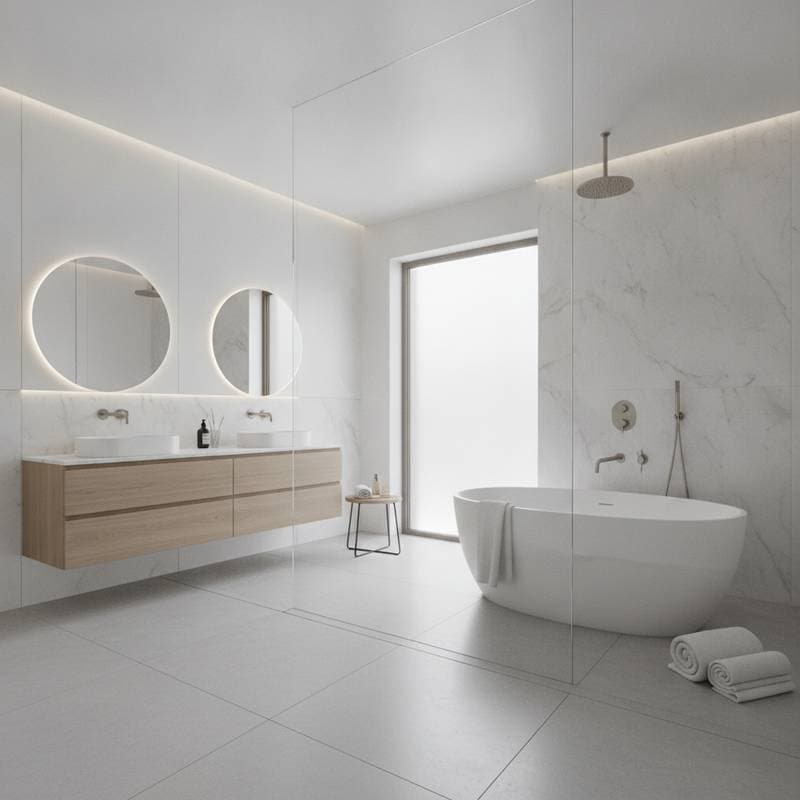
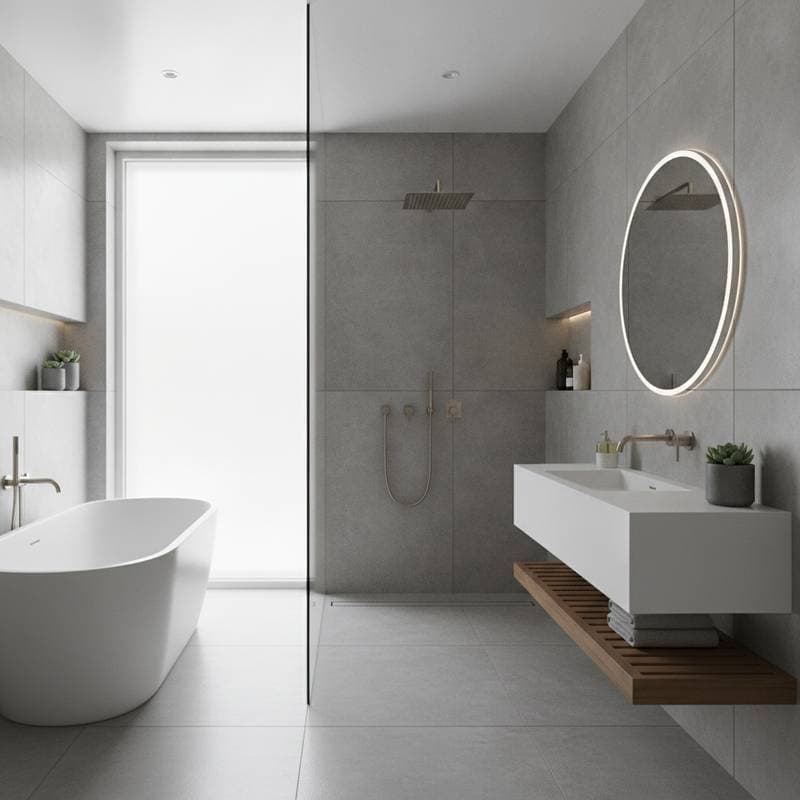
If preparing for a home sale, prioritize neutral tile palettes like soft grays or whites paired with frameless glass enclosures to broaden appeal. Consider integrating smart features, such as thermostatic valves, for added convenience. This upgrade not only enhances daily usability and safety but also positions your property as a premium offering, potentially commanding higher bids and quicker closings in a crowded market.