Why Wine Cellars Increase Luxury Home Value by 15 Percent
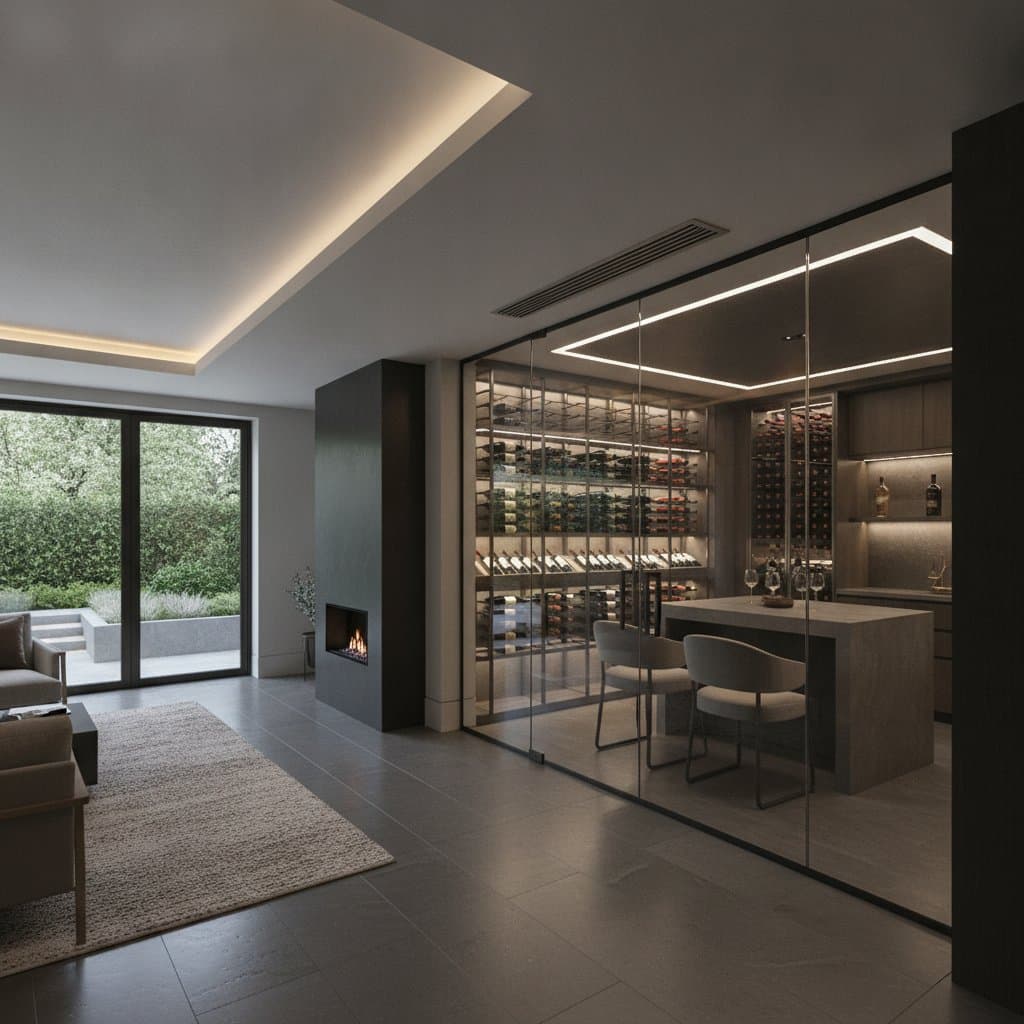
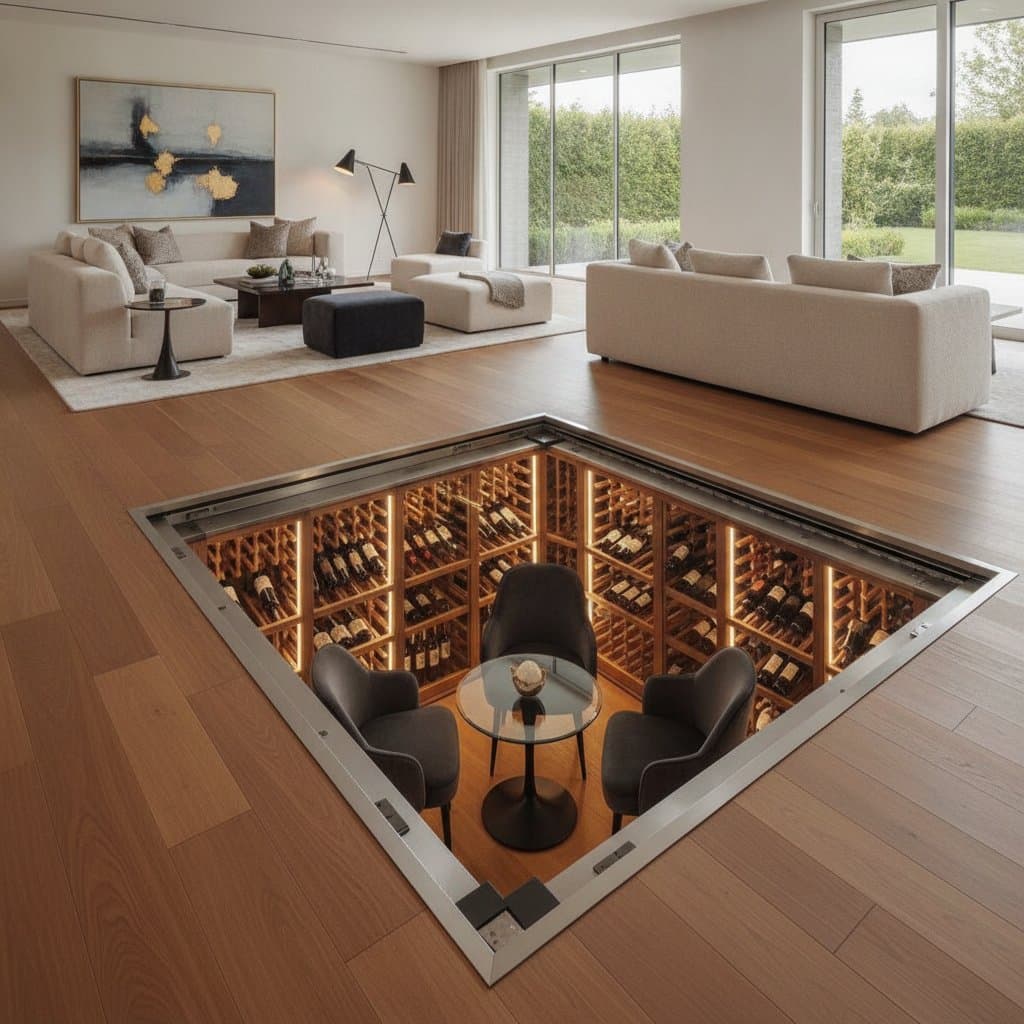
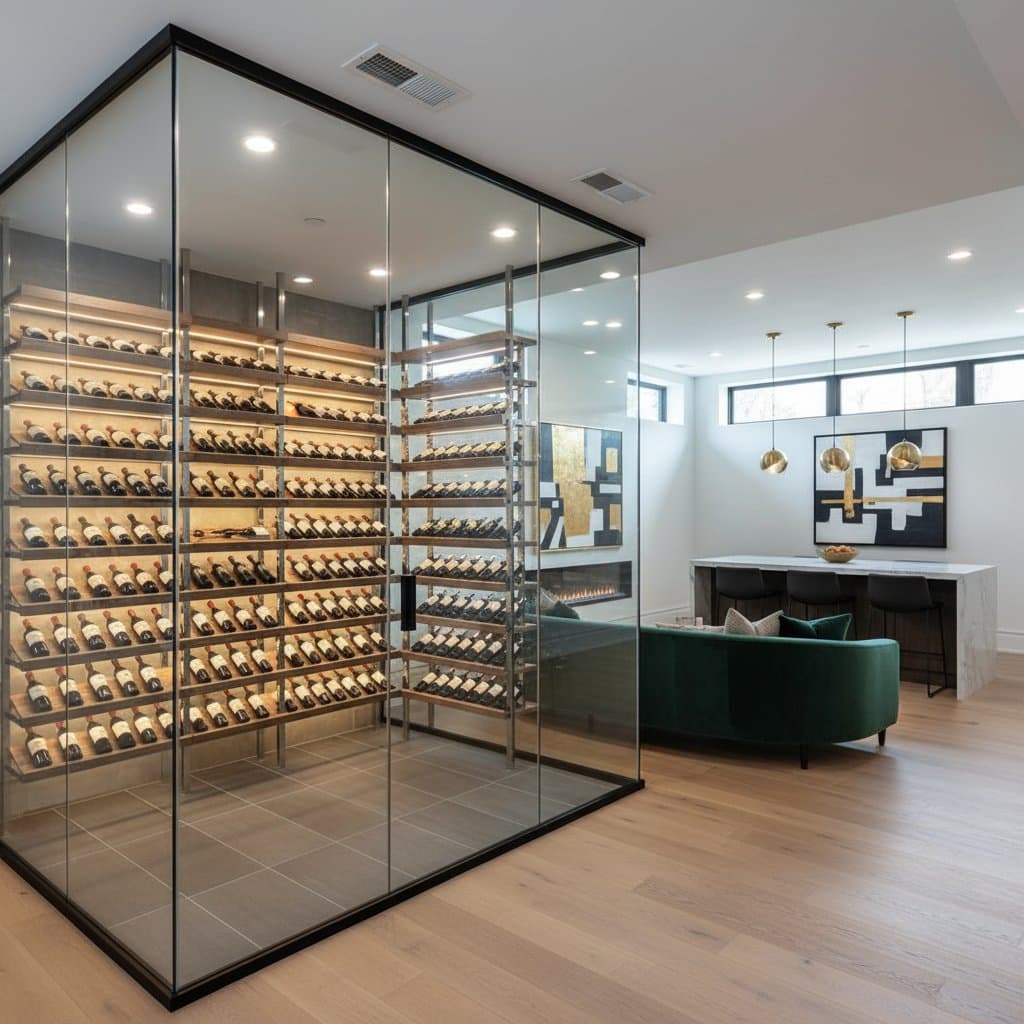
A thoughtfully constructed wine cellar elevates the market value of a luxury residence by up to 15 percent. Prospective buyers regard such an addition as evidence of superior craftsmanship, refined taste, and provision for safeguarding high-value wine collections. This transformation converts underutilized areas, such as basements, into captivating showcases that harmonize aesthetic design with practical utility.
Real estate professionals observe that in competitive high-end markets, properties featuring wine cellars command premium prices and attract interest more swiftly. The feature appeals to affluent individuals who prioritize lifestyle elements indicative of leisure, hospitality, and meticulous attention to quality. Beyond mere storage, a wine cellar embodies a commitment to enduring excellence.
Mechanisms Behind the Value Addition
A wine cellar conveys a sense of elevated quality and intentionality in home design. It demonstrates foresight in incorporating spaces dedicated to personal enjoyment and collection preservation. High-net-worth buyers frequently anticipate this amenity in residences exceeding specific price thresholds, viewing its absence as a potential drawback.
The value increment arises from multiple factors: the creation of functional luxury space, reliable environmental controls for optimal wine preservation, and striking visual elements that enhance overall property allure. During marketing, these cellars distinguish listings through compelling narratives and professional photography. Agents note that virtual tours highlighting the cellar often generate heightened buyer inquiries.
Furthermore, the integration of advanced features like automated monitoring systems reinforces the perception of modernity and investment in longevity. This not only protects the homeowner's collection but also positions the property as forward-thinking and desirable in resale scenarios.
Essential Steps for Installing a Wine Cellar
-
Select an appropriate location. Basements provide naturally cooler and more stable temperatures, minimizing energy demands for cooling. Evaluate accessibility and proximity to entertaining areas for convenience.
-
Evaluate and prepare environmental conditions. Inspect for moisture intrusion and structural vulnerabilities. Apply sealants to concrete surfaces and install vapor barriers to maintain dryness and prevent condensation issues.
-
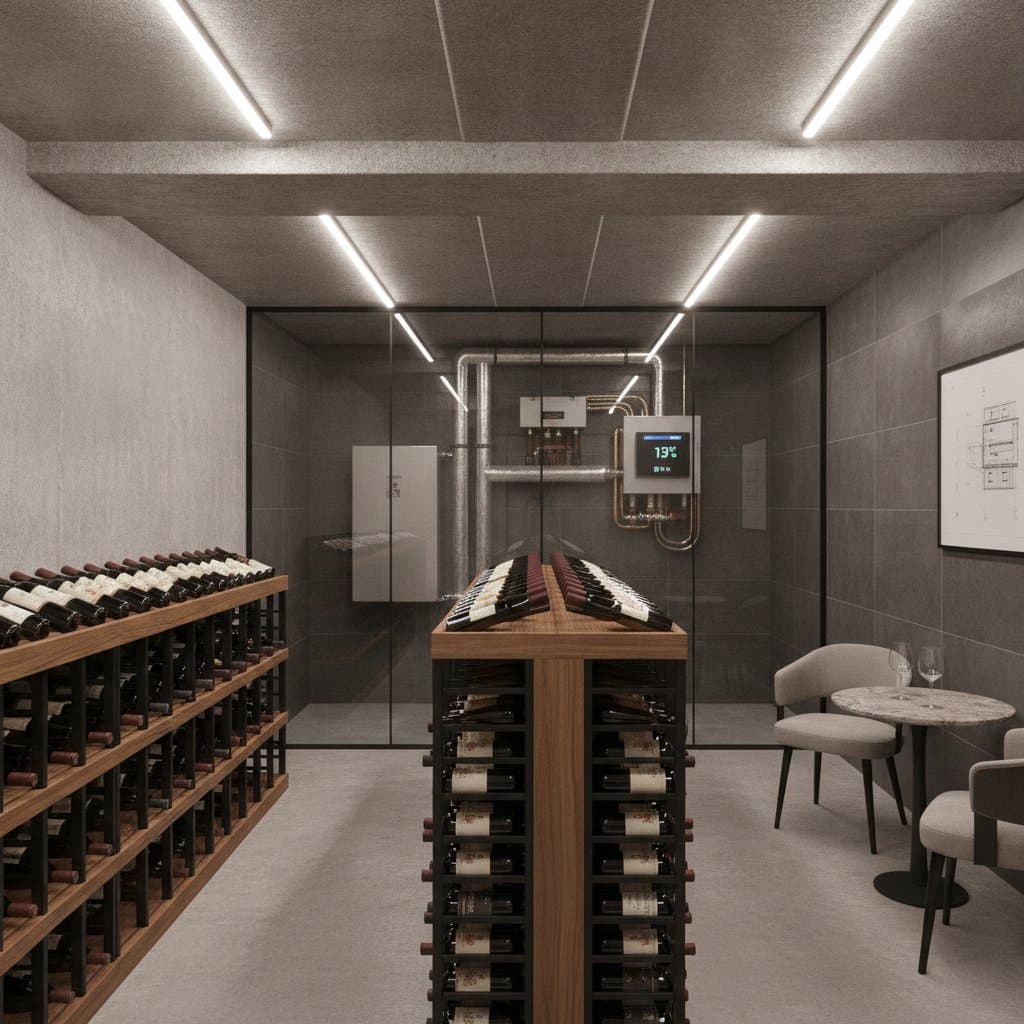
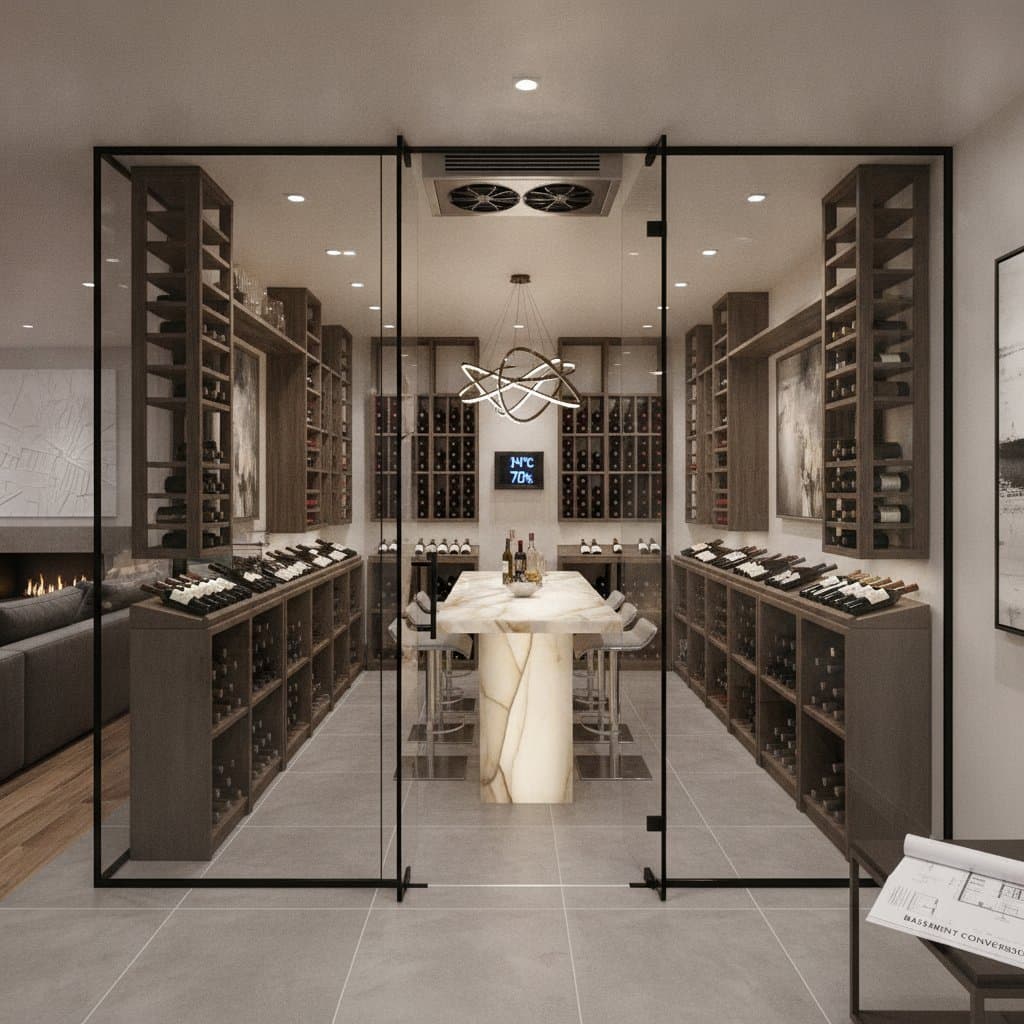
Implement climate control systems. Dedicate resources to a dedicated cooling unit that maintains temperatures around 55 degrees Fahrenheit (13 degrees Celsius) and humidity levels between 50 and 70 percent. Select units with adjustable settings to accommodate varying collection needs.
-
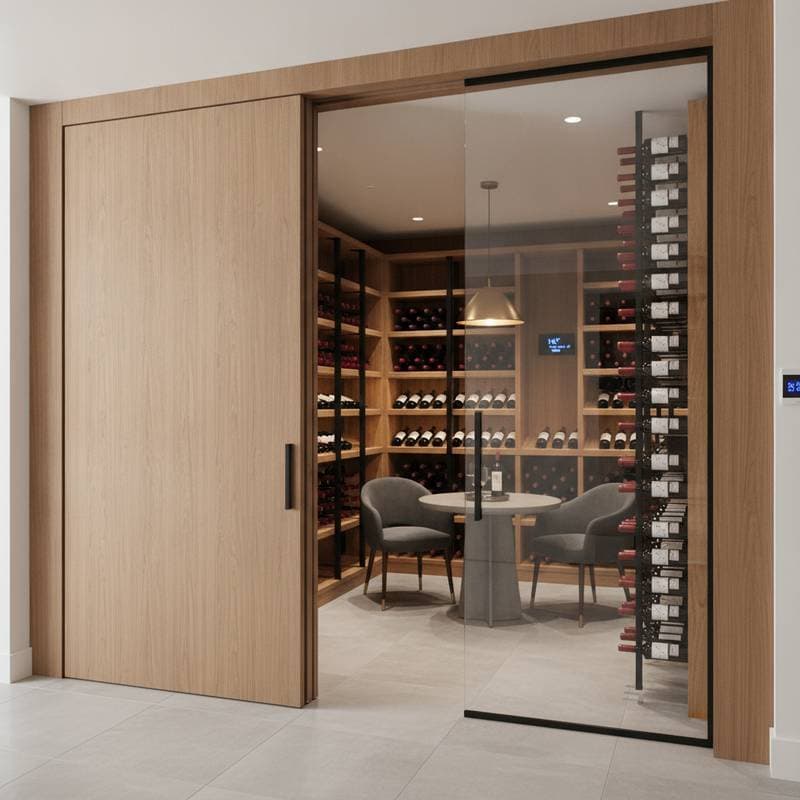
Design racking and surface treatments. Opt for materials such as redwood, mahogany, or metal for durability and style. Consider modular systems that allow for future expansion and aesthetic customization to match the home's interior theme.
-
Incorporate lighting and security measures. Utilize low-heat LED fixtures to illuminate without generating warmth that could affect storage conditions. Install robust locking mechanisms and optional alarm systems to safeguard valuable contents.
-
Enhance with decorative elements. Introduce a tasting ledge, built-in seating, or thematic artwork to integrate the space seamlessly with the home's living areas. These touches foster a sense of hospitality and personal expression.
Cost Considerations
| Task | Typical Cost Range | Factors Influencing Price |
|---|---|---|
| Basic 200-bottle cellar | $10,000 - $15,000 | Type of cooling system, basic humidity management |
| Custom glass-fronted cellar | $20,000 - $45,000 | Intricate design elements, premium material selections |
| Expansive collector's room | $50,000 and above | Storage capacity, luxury finishes, integrated automation |
Regional labor rates and material availability cause variations in these estimates. Expenses escalate with requirements for structural modifications, high-end imports, or collaboration with renowned designers. Economies arise from leveraging existing infrastructure and opting for straightforward racking configurations.
Project Timeline
Standard installations span three to six weeks, encompassing initial consultations, material procurement, and final commissioning. Delays may occur when sourcing bespoke components like etched glass enclosures or handcrafted cabinetry. In contrast, prefabricated units achieve completion within a few days, offering a quicker path for modest projects.
Owners should account for potential interruptions from permitting processes or unforeseen site challenges. Early engagement with contractors facilitates smoother scheduling and adherence to timelines.
DIY Approach Versus Professional Installation
Pursue a DIY method if: the project involves outfitting a compact storage area with fundamental shelving and a standalone cooling appliance. This suits homeowners comfortable with basic construction and electrical tasks.
Engage professionals if: precision climate regulation, bespoke cabinetry, or architectural integration proves necessary. Experts guarantee compliance with preservation standards, averting risks like wine spoilage or structural dampness.
Professionals navigate local building regulations, energy efficiency mandates, and ventilation requirements adeptly. Their involvement minimizes long-term maintenance concerns and maximizes the feature's contribution to property equity.
Required Tools and Materials
- Precision tape measure and spirit level for accurate spatial planning
- Rigid foam insulation panels and polyethylene vapor barriers for thermal protection
- Dedicated wine cooling apparatus with digital controls
- Modular or custom racking assemblies suited to bottle dimensions
- Energy-efficient LED lighting strips or recessed fixtures
- Digital hygrometer and thermometer for ongoing environmental monitoring
Gather these items in advance to streamline the assembly process. Consult supplier guidelines for compatibility among components.
Considerations for Different Regions
In areas with high humidity, integrate a dehumidification system to mitigate mold growth risks. Arid environments demand enhanced humidification to preserve cork integrity and prevent bottle drying. Colder climates benefit from additional perimeter insulation to buffer against temperature fluctuations.
Municipal regulations often mandate permits for electrical installations or embedded refrigeration. Verify compliance with zoning authorities prior to commencement to avoid delays or fines.
Expert Recommendations for Optimal Results
Ensure airtight seals at all junctions to stabilize internal conditions and reduce energy consumption. Select hard-surface flooring over absorbent materials to resist moisture accumulation. Position ventilation outlets at ceiling height for uniform air distribution throughout the space.
Shield collections from ultraviolet exposure and mechanical vibrations by using protective enclosures and isolating equipment. Regular inspections reinforce the cellars longevity and performance.
Frequently Asked Questions
Must wine cellars reside underground?
No. Contemporary cooling technologies enable effective above-ground installations, although subterranean locations optimize energy efficiency and natural insulation.
What dimensions suit a wine cellar?
Allocate a minimum of 25 square feet for modest assemblages. Avid collectors typically require 100 square feet or greater to accommodate expansive inventories and display options.
Does a wine cellar represent a sound financial investment?
Yes. Resale recoveries often reach 50 to 75 percent of installation costs, while accelerating sales cycles in premium markets.
Is converting a closet feasible for a wine cellar?
Yes, provided temperature and humidity controls remain viable. Compact, prefabricated cooling solutions simplify this adaptation for smaller spaces.
What ongoing maintenance is required?
Monitor temperature, humidity, and seal integrity on a monthly basis. Perform vent and fixture cleanings biannually to sustain operational efficiency.
Realizing the Full Potential of Your Wine Cellar
A wine cellar transcends simple storage to become an emblem of discerning lifestyle and meticulous stewardship. From intimate tasting alcoves to comprehensive collector suites, this addition forges lasting impressions on buyers. Invest in its creation to amplify your home's prestige and financial return.